


Impact of upstream oil extraction and environmental public health: A review of the evidence
- PMID: 30537580
- PMCID: PMC6344296
- DOI: 10.1016/j.scitotenv.2018.11.483
Impact of upstream oil extraction and environmental public health: A review of the evidence
Abstract
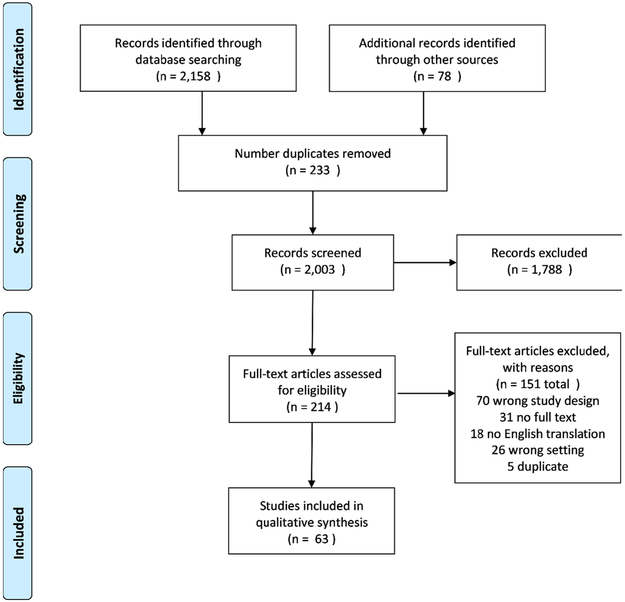
Upstream oil extraction, which includes exploration and operation to bring crude oil to the surface, frequently occurs near human populations. There are approximately 40,000 oil fields globally and 6 million people that live or work nearby. Oil extraction can impact local soil, water, and air, which in turn can influence community health. As oil resources are increasingly being extracted near human populations, we highlight the current scope of scientific knowledge regarding potential community health impacts with the aim to help identify scientific gaps and inform policy discussions surrounding oil drilling operations. In this review, we assess the wide range of both direct and indirect impacts that oil drilling operations can have on human health, with specific emphasis on understanding the body of scientific literature to assess potential environmental and health risks to residents living near active onshore oil extraction sites. From an initial literature search capturing 2236 studies, we identified 22 human studies, including 5 occupational studies, 5 animal studies, 6 experimental studies and 31 oil drilling-related exposure studies relevant to the scope of this review. The current evidence suggests potential health impacts due to exposure to upstream oil extraction, such as cancer, liver damage, immunodeficiency, and neurological symptoms. Adverse impacts to soil, air, and water quality in oil drilling regions were also identified. Improved characterization of exposures by community health studies and further study of the chemical mixtures associated with oil extraction will be critical to determining the full range of health risks to communities living near oil extraction.
Keywords: Cancer; Contamination; Human health; Oil extraction; Petroleum.
Copyright © 2018 Elsevier B.V. All rights reserved.
Figures
References
-
- Abdul-Wahab S, Ali S, Sardar S, Irfan N. 2012. Impacts on ambient air quality due to flaring activities in one of Oman's oilfields. Arch Environ Occup Health 67:3–14. - PubMed
-
- Adgate JL, Goldstein BD, McKenzie LM. 2014. Potential public health hazards, exposures and health effects from unconventional natural gas development. Environmental Science & Technology 48:8307–8320. - PubMed
-
- Agbalagba EO, Avwiri GO, Chad-Umoreh YE. 2012. Gamma-spectroscopy measurement of natural radioactivity and assessment of radiation hazard indices in soil samples from oil fields environment of delta state, Nigeria. J Environ Radioact 109:64–70. - PubMed
-
- Agency CI. 2017. Crude oil - proved reserves.
-
- Aguilera F, Méndez J, Pásaro E, Laffon B. 2010. Review on the effects of exposure to spilled oils on human health. Journal of Applied Toxicology 30:291–301. - PubMed
Publication types
MeSH terms
Grants and funding
LinkOut - more resources
Full Text Sources
Research Materials
