


Pivotal Roles of Cryptochromes 1a and 2 in Tomato Development and Physiology
- PMID: 30541876
- PMCID: PMC6426409
- DOI: 10.1104/pp.18.00793
Pivotal Roles of Cryptochromes 1a and 2 in Tomato Development and Physiology
Abstract
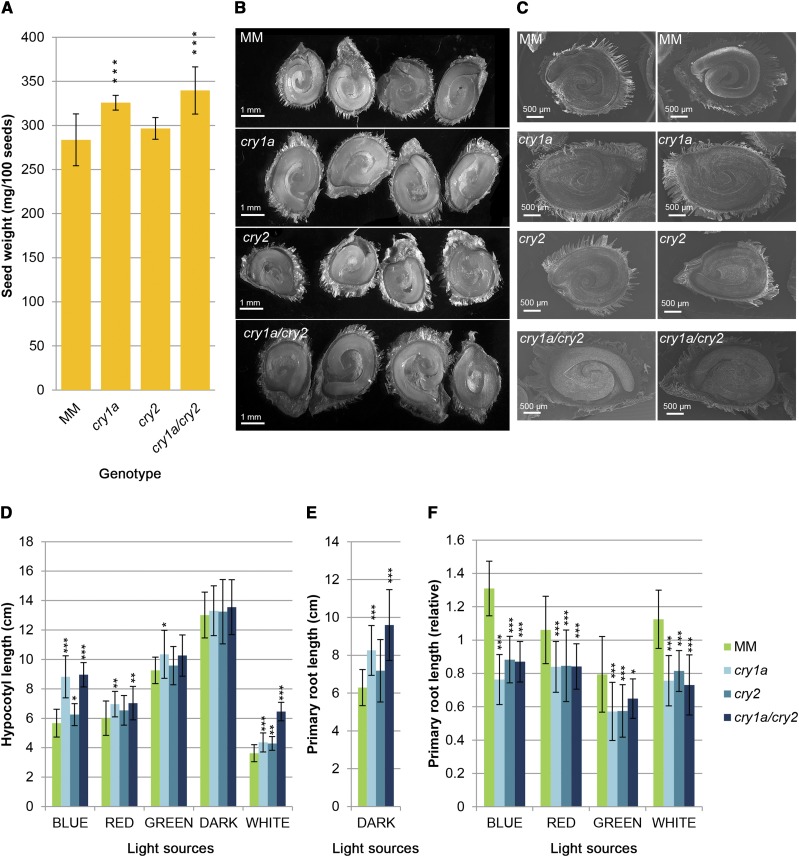
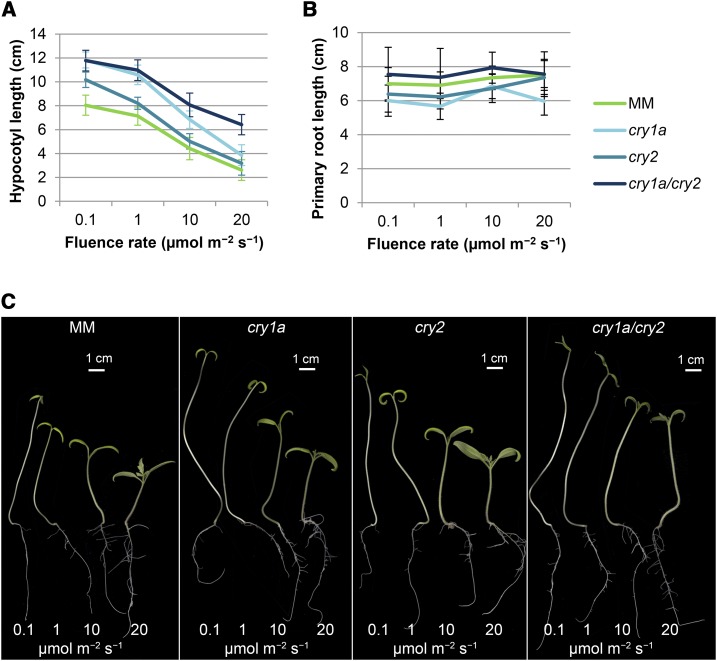
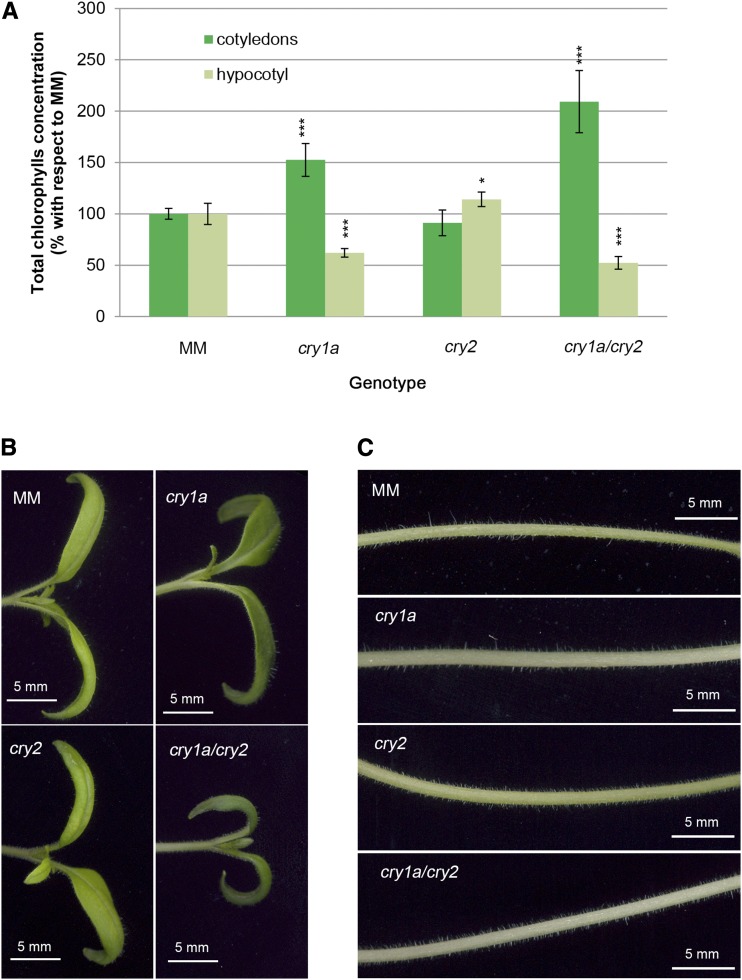
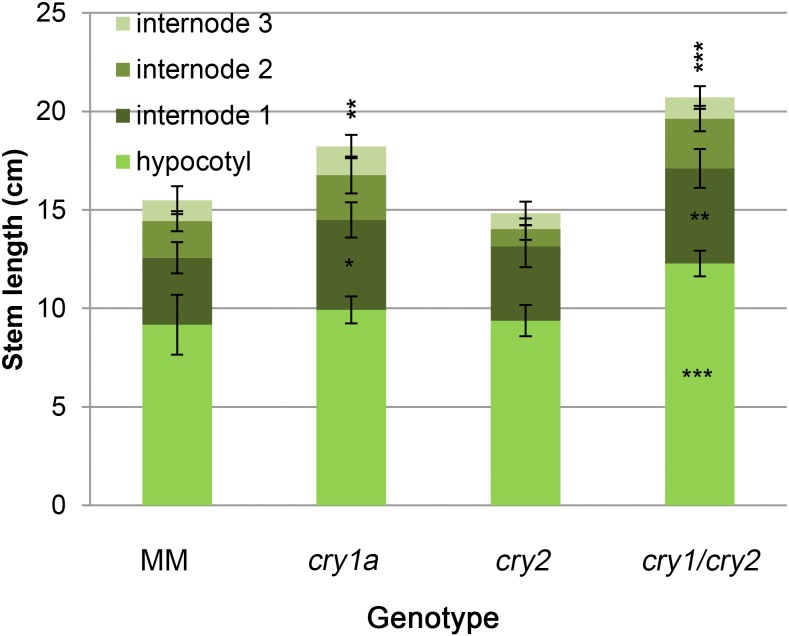
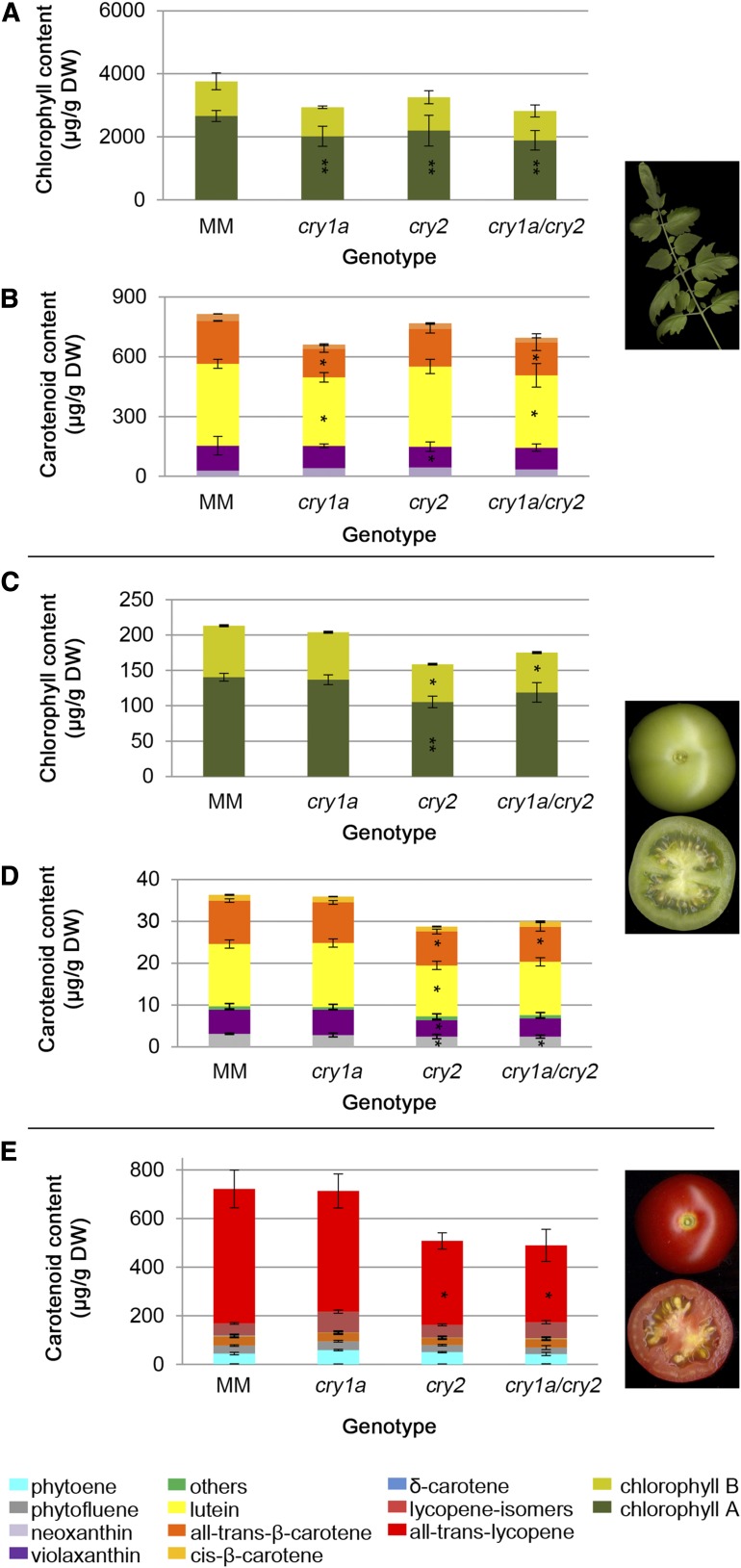
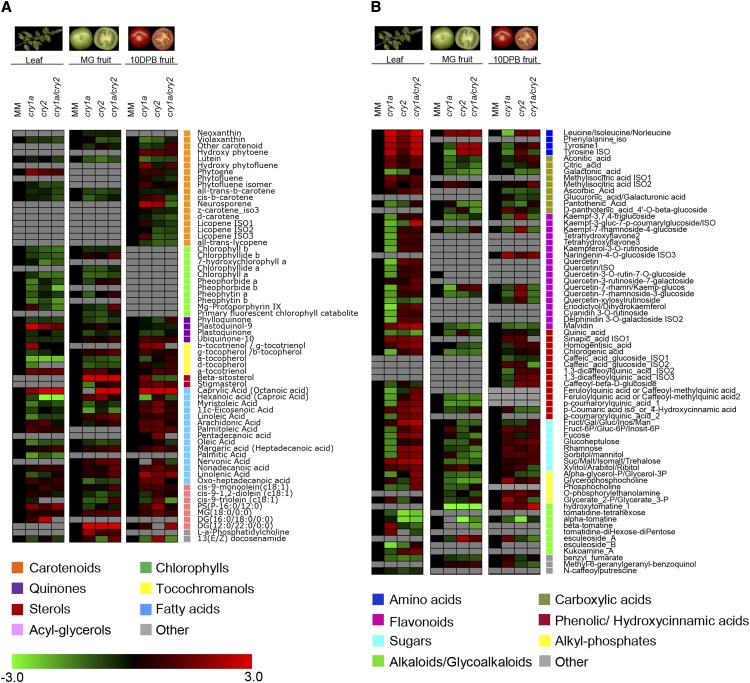
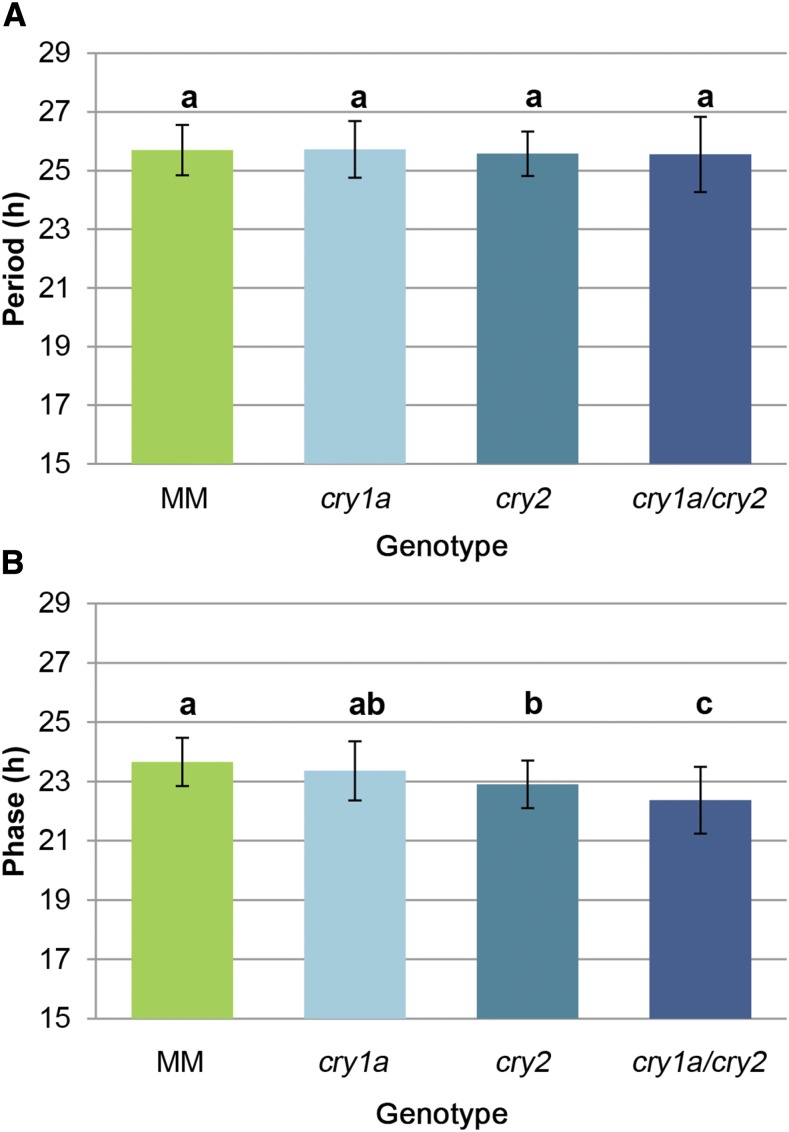
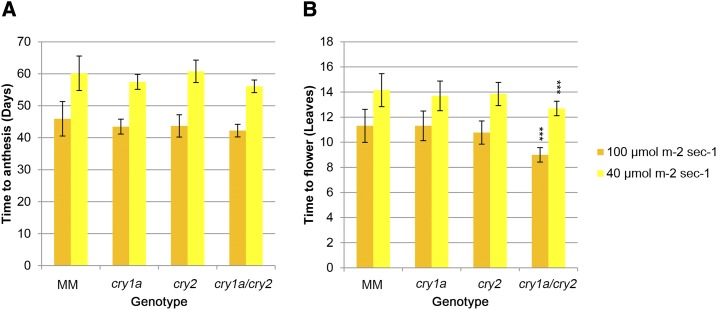
Cryptochromes are flavin-containing blue/UVA light photoreceptors that regulate various plant light-induced physiological processes. In Arabidopsis (Arabidopsis thaliana), cryptochromes mediate de-etiolation, photoperiodic control of flowering, entrainment of the circadian clock, cotyledon opening and expansion, anthocyanin accumulation, and root growth. In tomato (Solanum lycopersicum), cryptochromes are encoded by a multigene family, comprising CRY1a, CRY1b, CRY2, and CRY3 We have previously reported the phenotypes of tomato cry1a mutants and CRY2 overexpressing plants. Here, we report the isolation by targeting induced local lesions in genomes, of a tomato cry2 knock-out mutant, its introgression in the indeterminate Moneymaker background, and the phenotypes of cry1a/cry2 single and double mutants. The cry1a/cry2 mutant showed phenotypes similar to its Arabidopsis counterpart (long hypocotyls in white and blue light), but also several additional features such as increased seed weight and internode length, enhanced hypocotyl length in red light, inhibited primary root growth under different light conditions, anticipation of flowering under long-day conditions, and alteration of the phase of circadian leaf movements. Both cry1a and cry2 control the levels of photosynthetic pigments in leaves, but cry2 has a predominant role in fruit pigmentation. Metabolites of the sterol, tocopherol, quinone, and sugar classes are differentially accumulated in cry1a and cry2 leaves and fruits. These results demonstrate a pivotal role of cryptochromes in controlling tomato development and physiology. The manipulation of these photoreceptors represents a powerful tool to influence important agronomic traits such as flowering time and fruit quality.
© 2019 American Society of Plant Biologists. All Rights Reserved.
Figures
References
-
- Ahmad M, Cashmore AR (1993) HY4 gene of A. thaliana encodes a protein with characteristics of a blue-light photoreceptor. Nature 366: 162–166 - PubMed
-
- Ahmad M, Lin C, Cashmore AR (1995) Mutations throughout an Arabidopsis blue-light photoreceptor impair blue-light-responsive anthocyanin accumulation and inhibition of hypocotyl elongation. Plant J 8: 653–658 - PubMed
-
- Bagnall DJ, King RW, Hangarter RP (1996) Blue-light promotion of flowering is absent in hy4 mutants of Arabidopsis. Planta 200: 278–280 - PubMed
Publication types
MeSH terms
Substances
LinkOut - more resources
Full Text Sources
