


AbobotulinumtoxinA (Dysport®), OnabotulinumtoxinA (Botox®), and IncobotulinumtoxinA (Xeomin®) Neurotoxin Content and Potential Implications for Duration of Response in Patients
- PMID: 30551641
- PMCID: PMC6316182
- DOI: 10.3390/toxins10120535
AbobotulinumtoxinA (Dysport®), OnabotulinumtoxinA (Botox®), and IncobotulinumtoxinA (Xeomin®) Neurotoxin Content and Potential Implications for Duration of Response in Patients
Erratum in
-
Correction: Field, M. et al. AbobotulinumtoxinA (Dysport®), OnabotulinumtoxinA (Botox®), and IncobotulinumtoxinA (Xeomin®) Neurotoxin Content and Potential Implications for Duration of Response in Patients.Toxins (Basel). 2019 Feb 13;11(2):115. doi: 10.3390/toxins11020115. Toxins (Basel). 2019. PMID: 30781899 Free PMC article.
Abstract
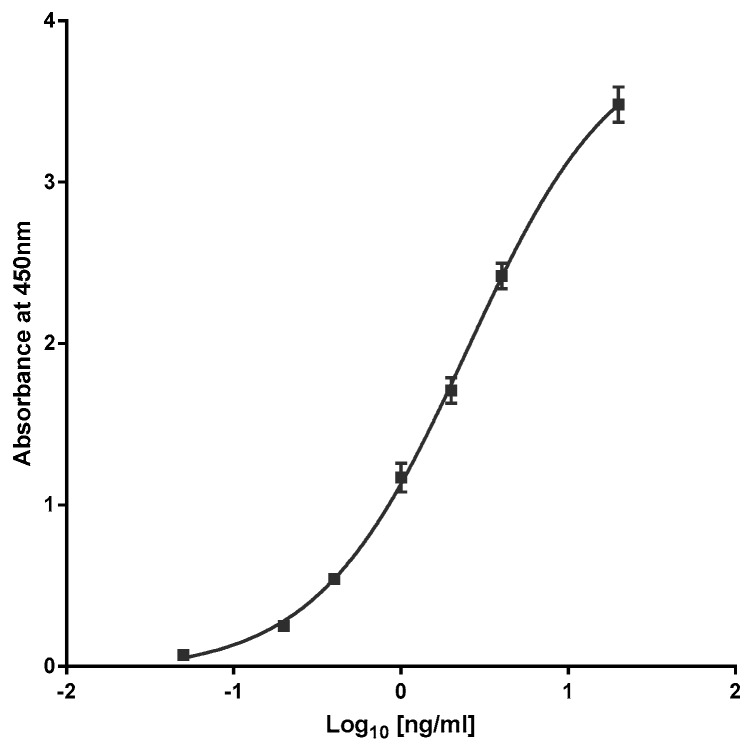
Botulinum neurotoxin type-A (BoNT-A) blocks the release of acetylcholine from peripheral cholinergic nerve terminals and is an important option for the treatment of disorders characterised by excessive cholinergic neuronal activity. Several BoNT-A products are currently marketed, each with unique manufacturing processes, excipients, formulation, and non-interchangeable potency units. Nevertheless, the effects of all the products are mediated by the 150 kDa BoNT-A neurotoxin. We assessed the quantity and light chain (LC) activity of BoNT-A in three commercial BoNT-A products (Dysport®; Botox®; Xeomin®). We quantified 150 kDa BoNT-A by sandwich ELISA and assessed LC activity by EndoPep assay. In both assays, we assessed the results for the commercial products against recombinant 150 kDa BoNT-A. The mean 150 kDa BoNT-A content per vial measured by ELISA was 2.69 ng/500 U vial Dysport®, 0.90 ng/100 U vial Botox®, and 0.40 ng/100 U vial Xeomin®. To present clinically relevant results, we calculated the 150 kDa BoNT-A/US Food and Drug Administration (FDA)-approved dose in adult upper limb spasticity: 5.38 ng Dysport® (1000 U; 2 × 500 U vials), 3.60 ng Botox® (400 U; 4 × 100 U vials), and 1.61 ng Xeomin® (400 U; 4 × 100 U vials). EndoPep assay showed similar LC activity among BoNT-A products. Thus, greater amounts of active neurotoxin are injected with Dysport®, at FDA-approved doses, than with other products. This fact might explain the long duration of action reported across multiple indications, which benefits patients, caregivers, clinicians, and healthcare systems.
Keywords: BoNT; Dysport®, abobotulinumtoxinA; botulinum toxin; glabellar lines; spasticity.
Conflict of interest statement
M.F., A.S., K.F., and P.P. are employed by Ipsen Pharma. M.v.d.S., J.L., and D.N. are employed by TNO.
Figures
References
-
- Simpson D.M., Hallett M., Ashman E.J., Comella C.L., Green M.W., Gronseth G.S., Armstrong M.J., Gloss D., Potrebic S., Jankovic J., et al. Practice guideline update summary: Botulinum neurotoxin for the treatment of blepharospasm, cervical dystonia, adult spasticity, and headache. Neurology. 2016;86:1818–1826. doi: 10.1212/WNL.0000000000002560. - DOI - PMC - PubMed
-
- Carruthers J., Fournier N., Kerscher M., Ruiz-Avila J., Trinindade de Almeida A.R., Kaeuper G. The convergence of medicine and neurotoxins: A focus on botulinum toxin type A and its application in aesthetic medicine—A global, evidence-based botulinum toxin consensus education initiative: Part II: Incorporating botulinum toxin into aesthetic clinical practice. Dermatol. Surg. 2013;39:510–525. - PubMed
-
- Ashford S., Turner-Stokes L. Spasticity in Adults: Management Using Botulinum Toxin: National Guidelines. Royal College of Physicians of London; London, UK: 2018.
-
- Foster K.A. Overview and history of botulinum neurotoxin clinical exploitation. In: Foster K.A., editor. Clinical Applications of Botulinum Neurotoxin. Springer; New York, NY, USA: 2014. pp. 1–5.
-
- Kukreja R., Singh B.R. The botulinum toxin as a therapeutic agent: Molecular and pharmacological insights. Res. Rep. Biochem. 2015;5:173–183.
Publication types
MeSH terms
Substances
LinkOut - more resources
Full Text Sources
Other Literature Sources
Medical
