


Survival benefits associated with surgery for advanced non-small cell lung cancer
- PMID: 30551965
- PMCID: PMC6448577
- DOI: 10.1016/j.jtcvs.2018.10.140
Survival benefits associated with surgery for advanced non-small cell lung cancer
Abstract
Objective: Overall survival (OS) for advanced stage (IIIA-IV) non-small cell lung cancer (NSCLC) is highly variable, and retrospective data show a survival advantage for patients receiving therapeutic intent pulmonary resection. We hypothesized that this variability in OS can be modeled separately by stage to allow a personalized estimate of OS.
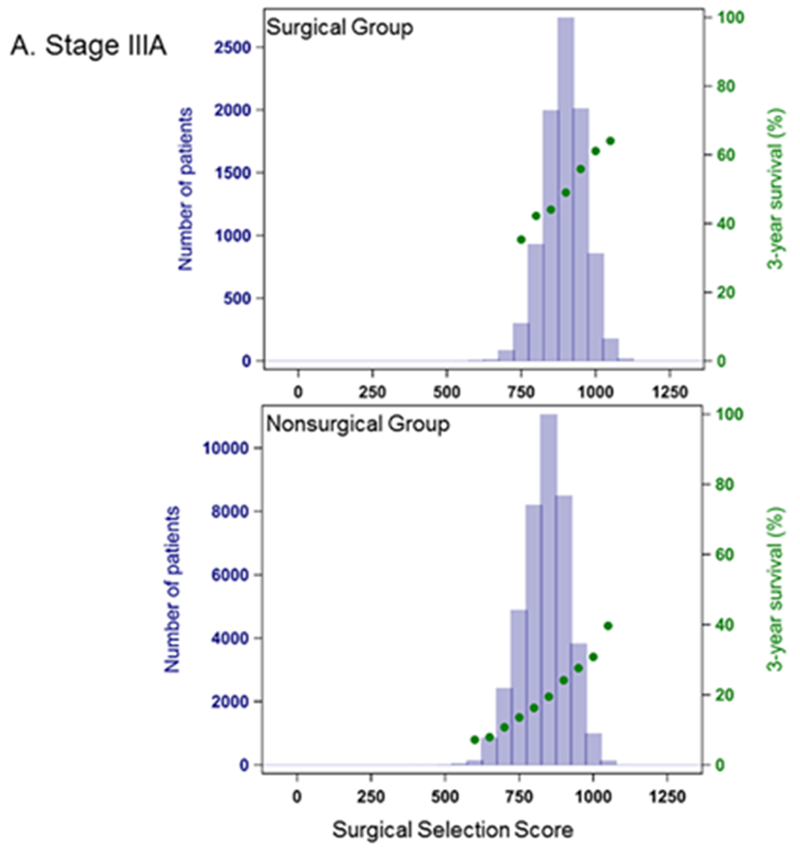
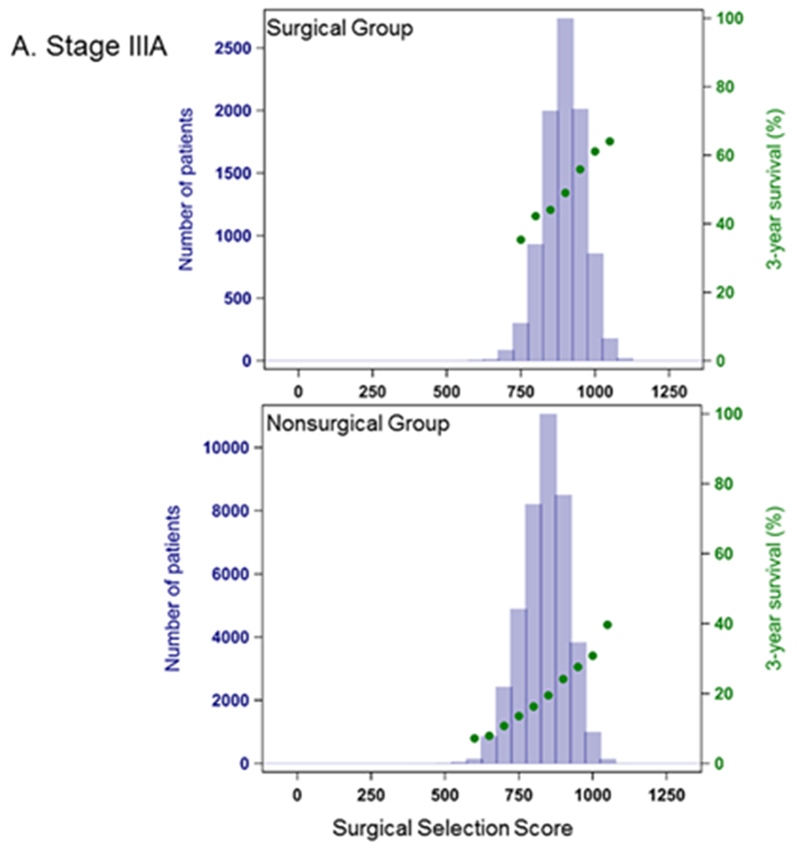
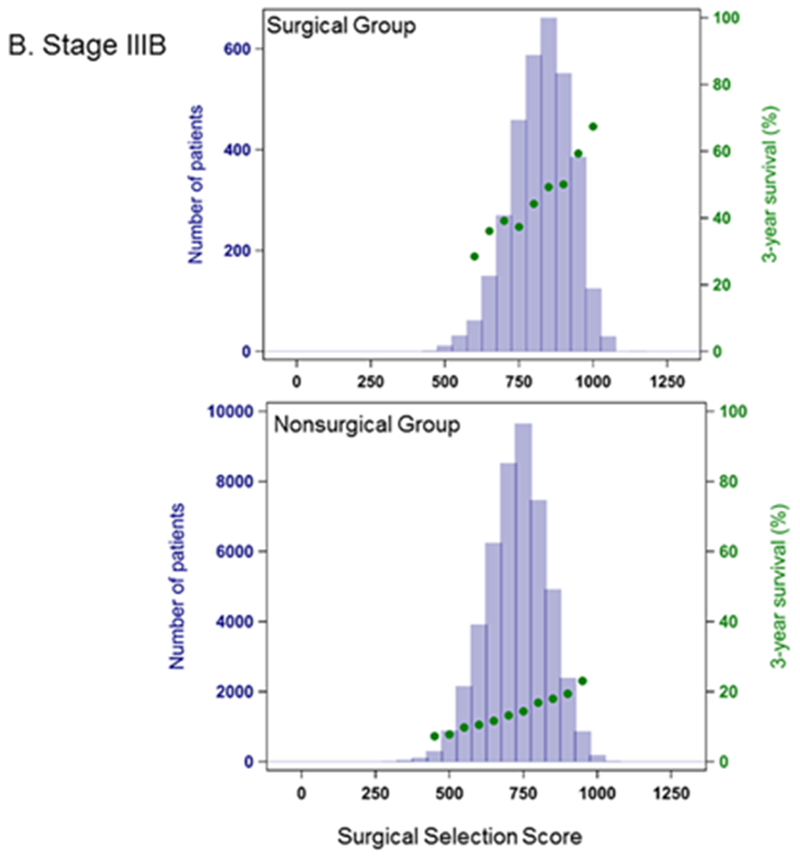
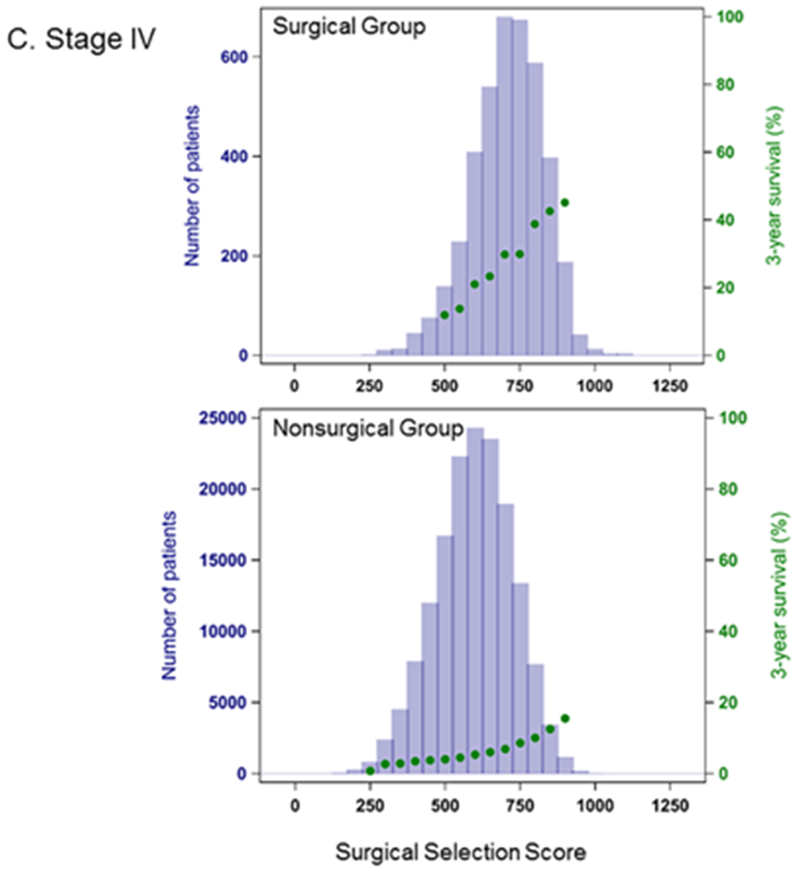
Methods: In a cohort of patients with advanced-stage NSCLC from the National Cancer Database, we assessed the accuracy of Surgical Selection Score (SSS) to predict OS using Cox proportional hazards models and determined by stage the effect of surgery on survival among people with similarly high levels of SSS.
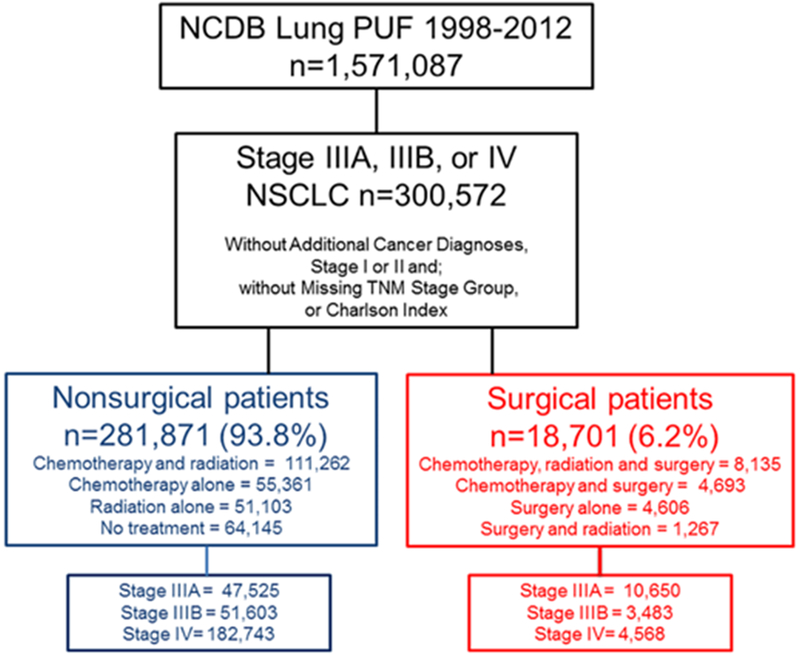
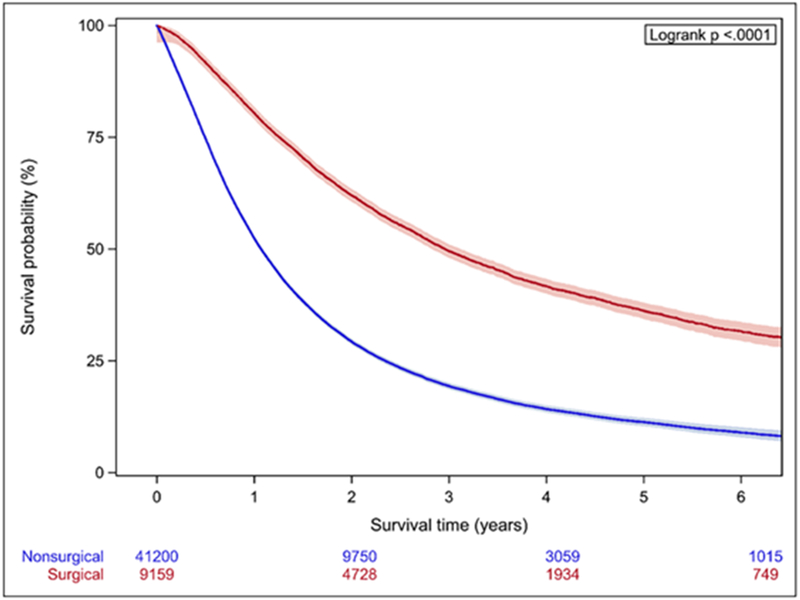
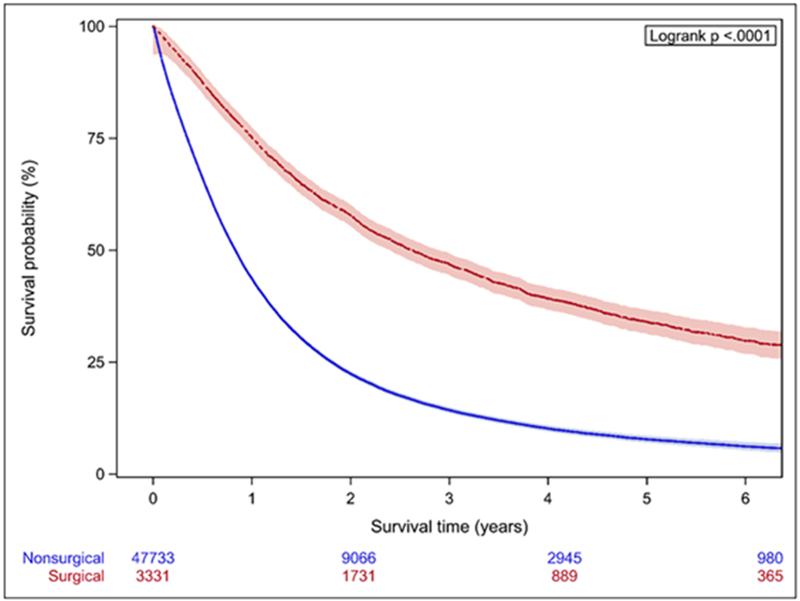
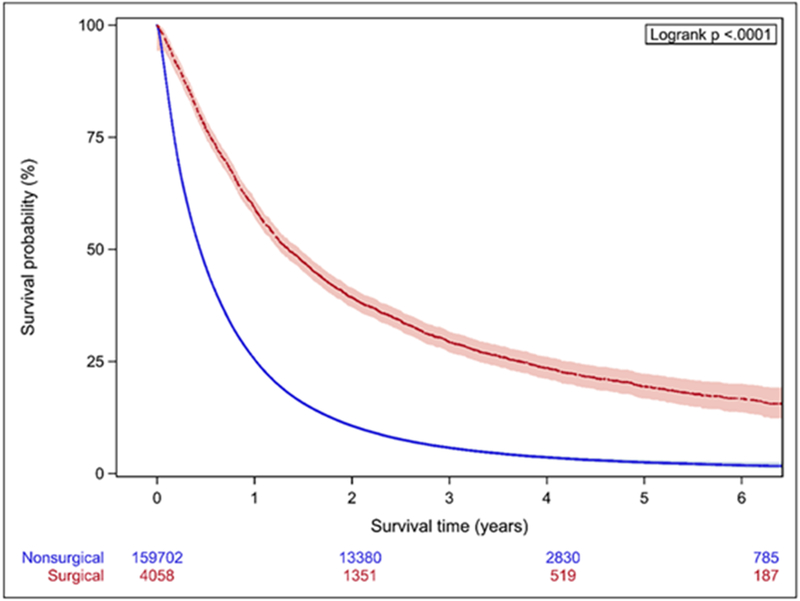
Results: In total, 300,572 patients were identified; 18,701 (6%) had surgery. The SSS was a strong predictor of OS (C-index, 0.89; 95% confidence interval [CI], 0.89-0.90). We observed significantly greater OS (P < .001) among patients who had surgery. The hazard of death was at least 2 times greater for patients in the upper quartile of SSS who did not receive surgery compared with surgical patients even when adjusting for the SSS (stage IIIA: hazard ratio [HR], 2.1; 95% CI, 2.0-2.2, stage IIIB: HR, 2.3; 95% CI, 2.2-2.5, stage IV: HR, 2.3; 95% CI, 2.2-2.4).
Conclusions: The SSS is highly predictive of individual OS and can be used as a risk assessment tool. These findings are important for a more robust evaluation of the likely benefits of surgical resection for these patients. After further prospective validation, the SSS can be used during treatment decision-making for patients with advanced-stage NSCLC.
Keywords: NSCLC; advanced stage; chemotherapy; multimodality treatment; radiation; surgery; survival.
Published by Elsevier Inc.
Figures
Comment in
-
Commentary: Keeping surgery relevant in oligometastatic non-small cell lung cancer.J Thorac Cardiovasc Surg. 2019 Apr;157(4):1629-1630. doi: 10.1016/j.jtcvs.2018.10.124. Epub 2018 Nov 8. J Thorac Cardiovasc Surg. 2019. PMID: 30538030 No abstract available.
-
Commentary: Are we really operating on advanced stage non-small cell lung cancer?J Thorac Cardiovasc Surg. 2019 Apr;157(4):1631-1632. doi: 10.1016/j.jtcvs.2018.11.088. Epub 2018 Dec 4. J Thorac Cardiovasc Surg. 2019. PMID: 30665757 No abstract available.
References
-
- SEER Stat Fact Sheets: Lung and Bronchus Cancer. Surveillance, Epidemiology and End Results Program Cancer Statistics. http://seer.cancer.gov/statfacts/html/lungb.html Published 2016 Accessed February 28, 2018.
-
- NCCN Guidelines for NSCLC. http://www.nccn.org/professionals/physician_gls/pdf/nscl.pdf Accessed January 1, 2018.
