


A Systematic Review, Meta-Analysis, and Meta-Regression Evaluating the Efficacy and Mechanisms of Action of Probiotics and Synbiotics in the Prevention of Surgical Site Infections and Surgery-Related Complications
- PMID: 30558358
- PMCID: PMC6307089
- DOI: 10.3390/jcm7120556
A Systematic Review, Meta-Analysis, and Meta-Regression Evaluating the Efficacy and Mechanisms of Action of Probiotics and Synbiotics in the Prevention of Surgical Site Infections and Surgery-Related Complications
Abstract
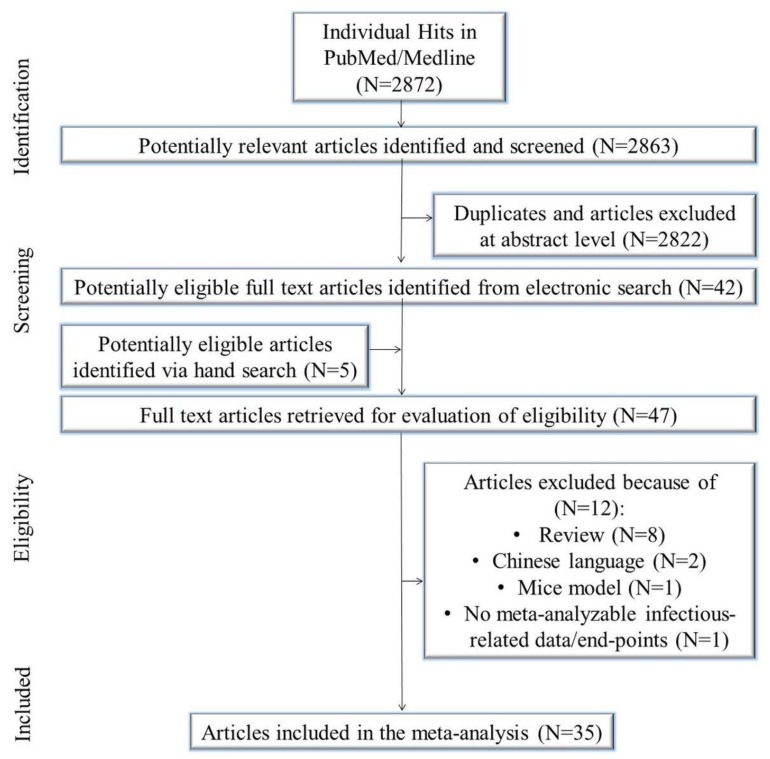
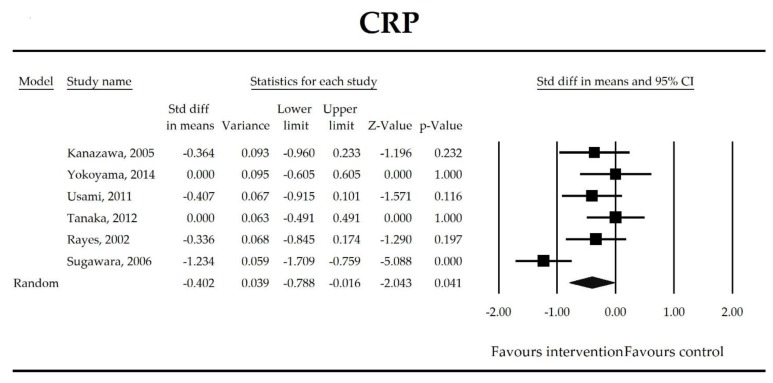
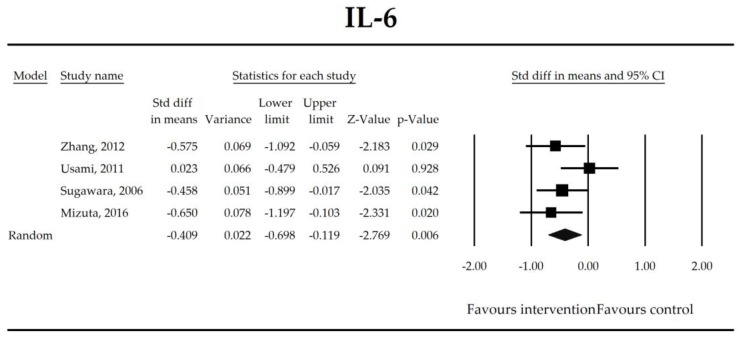
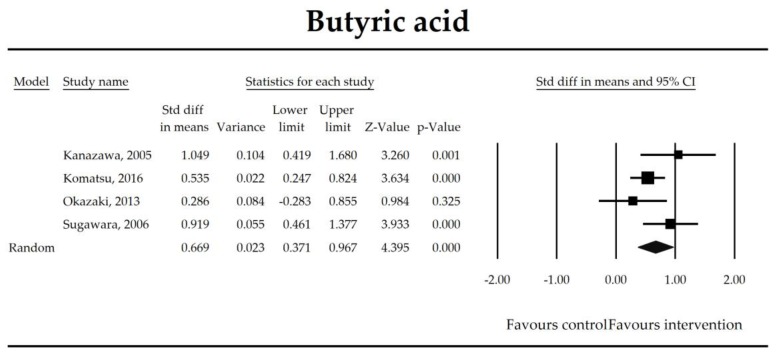
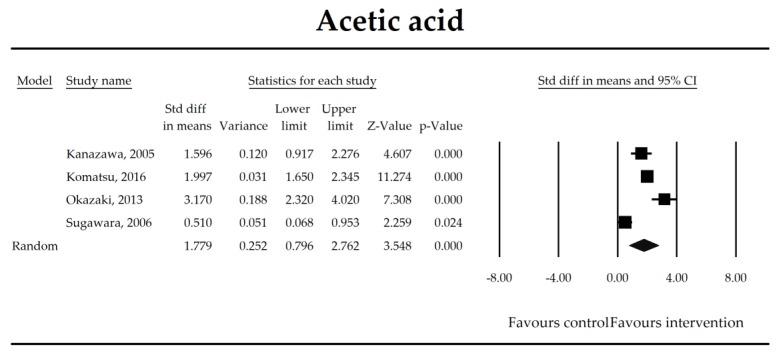
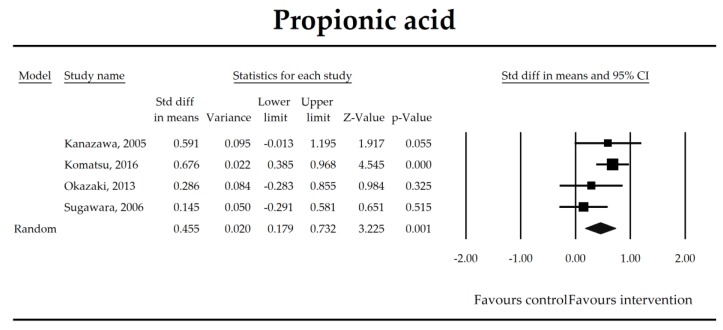
Intestinal microbiota play an important role in the pathogenesis of surgical site infections (SSIs) and other surgery-related complications (SRCs). Probiotics and synbiotics were found to lower the risk of surgical infections and other surgery-related adverse events. We systematically reviewed the approach based on the administration of probiotics and synbiotics to diminish SSIs/SRCs rates in patients undergoing various surgical treatments and to determine the mechanisms responsible for their effectiveness. A systematic literature search in PubMed/MEDLINE/Cochrane Central Register of Controlled Trials from the inception of databases to June 2018 for trials in patients undergoing surgery supplemented with pre/pro/synbiotics and randomized to the intervention versus placebo/no treatment and reporting on primarily: (i) putative mechanisms of probiotic/symbiotic action, and secondarily (ii) SSIs and SRCs outcomes. Random-effect model meta-analysis and meta-regression analysis of outcomes was done. Thirty-five trials comprising 3028 adult patients were included; interventions were probiotics (n = 16) and synbiotics (n = 19 trials). We found that C-reactive protein (CRP) and Interleukin-6 (IL-6) were significantly decreased (SMD: -0.40, 95% CI [-0.79, -0.02], p = 0.041; SMD: -0.41, 95% CI [-0.70, -0.02], p = 0.006, respectively) while concentration of acetic, butyric, and propionic acids were elevated in patients supplemented with probiotics (SMD: 1.78, 95% CI [0.80, 2.76], p = 0.0004; SMD: 0.67, 95% CI [0.37, -0.97], p = 0.00001; SMD: 0.46, 95% CI [0.18, 0.73], p = 0.001, respectively). Meta-analysis confirmed that pro- and synbiotics supplementation was associated with significant reduction in the incidence of SRCs including abdominal distention, diarrhea, pneumonia, sepsis, surgery site infection (including superficial incisional), and urinary tract infection, as well as the duration of antibiotic therapy, duration of postoperative pyrexia, time of fluid introduction, solid diet, and duration of hospital stay (p < 0.05). Probiotics and synbiotics administration counteract SSIs/SRCs via modulating gut-immune response and production of short chain fatty acids.
Keywords: adverse events; meta-analysis; microbiota; prebiotics; probiotics; surgery; surgical site infections (SSIs); synbiotics; systematic review.
Conflict of interest statement
Igor Loniewski and Wojciech Marlicz are cofounders and shareholders at Sanprobi company, a producer and distributor of probiotics. Karolina Skonieczna-Żydecka received honoraria from a probiotic company. Other authors have nothing to disclose.
Figures
References
-
- WHO Global Guidelines on the Prevention of Surgical Site Infection. [(accessed on 7 September 2018)]; Available online: http://www.who.int/gpsc/ssi-guidelines/en/
-
- Berríos-Torres S.I., Umscheid C.A., Bratzler D.W., Leas B., Stone E.C., Kelz R.R., Reinke C.E., Morgan S., Solomkin J.S., Mazuski J.E., et al. Centers for Disease Control and Prevention Guideline for the Prevention of Surgical Site Infection, 2017. JAMA Surg. 2017;152:784–791. doi: 10.1001/jamasurg.2017.0904. - DOI - PubMed
-
- Ban K.A., Minei J.P., Laronga C., Harbrecht B.G., Jensen E.H., Fry D.E., Itani K.M.F., Dellinger E.P., Ko C.Y., Duane T.M. American College of Surgeons and Surgical Infection Society: Surgical Site Infection Guidelines, 2016 Update. J. Am. Coll. Surg. 2017;224:59–74. doi: 10.1016/j.jamcollsurg.2016.10.029. - DOI - PubMed
LinkOut - more resources
Full Text Sources
Molecular Biology Databases
Research Materials
Miscellaneous
