


Chloroplasts at the Crossroad of Photosynthesis, Pathogen Infection and Plant Defense
- PMID: 30563149
- PMCID: PMC6321325
- DOI: 10.3390/ijms19123900
Chloroplasts at the Crossroad of Photosynthesis, Pathogen Infection and Plant Defense
Abstract
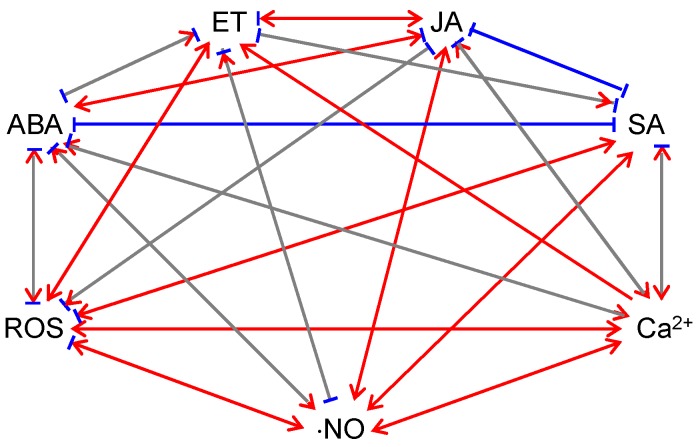
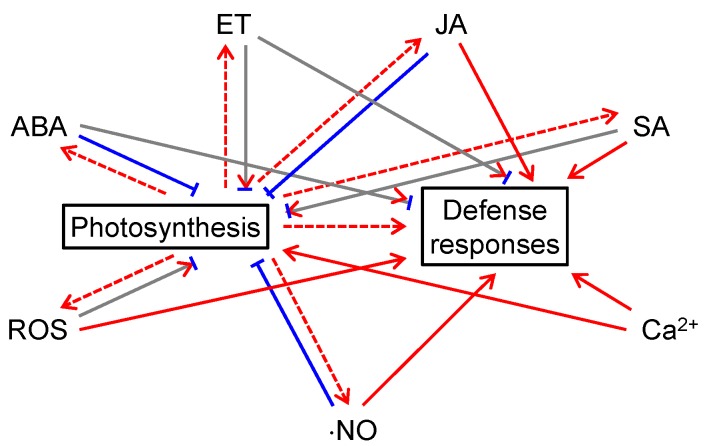
Photosynthesis, pathogen infection, and plant defense are three important biological processes that have been investigated separately for decades. Photosynthesis generates ATP, NADPH, and carbohydrates. These resources are utilized for the synthesis of many important compounds, such as primary metabolites, defense-related hormones abscisic acid, ethylene, jasmonic acid, and salicylic acid, and antimicrobial compounds. In plants and algae, photosynthesis and key steps in the synthesis of defense-related hormones occur in chloroplasts. In addition, chloroplasts are major generators of reactive oxygen species and nitric oxide, and a site for calcium signaling. These signaling molecules are essential to plant defense as well. All plants grown naturally are attacked by pathogens. Bacterial pathogens enter host tissues through natural openings or wounds. Upon invasion, bacterial pathogens utilize a combination of different virulence factors to suppress host defense and promote pathogenicity. On the other hand, plants have developed elaborate defense mechanisms to protect themselves from pathogen infections. This review summarizes recent discoveries on defensive roles of signaling molecules made by plants (primarily in their chloroplasts), counteracting roles of chloroplast-targeted effectors and phytotoxins elicited by bacterial pathogens, and how all these molecules crosstalk and regulate photosynthesis, pathogen infection, and plant defense, using chloroplasts as a major battlefield.
Keywords: Photosynthesis; chloroplast-targeted effectors; defense-related signaling molecules; pathogen infection; phytotoxins; plant defense.
Conflict of interest statement
The authors declare no conflict of interest.
Figures
References
-
- Coruzzi G.M., Last R.L. Amino acids. In: Buchanan R.B., Gruissem W., Jones R., editors. Biochemistry and Molecular Biology of Plants. American Society of Plant Biologists; Rockville, MD, USA: 2000. pp. 358–410.
Publication types
MeSH terms
Substances
Grants and funding
LinkOut - more resources
Full Text Sources
