


Feasibility of a quantitative polymerase chain reaction assay for diagnosing pneumococcal pneumonia using oropharyngeal swabs
- PMID: 30569391
- PMCID: PMC7089193
- DOI: 10.1007/s11033-018-4558-0
Feasibility of a quantitative polymerase chain reaction assay for diagnosing pneumococcal pneumonia using oropharyngeal swabs
Abstract
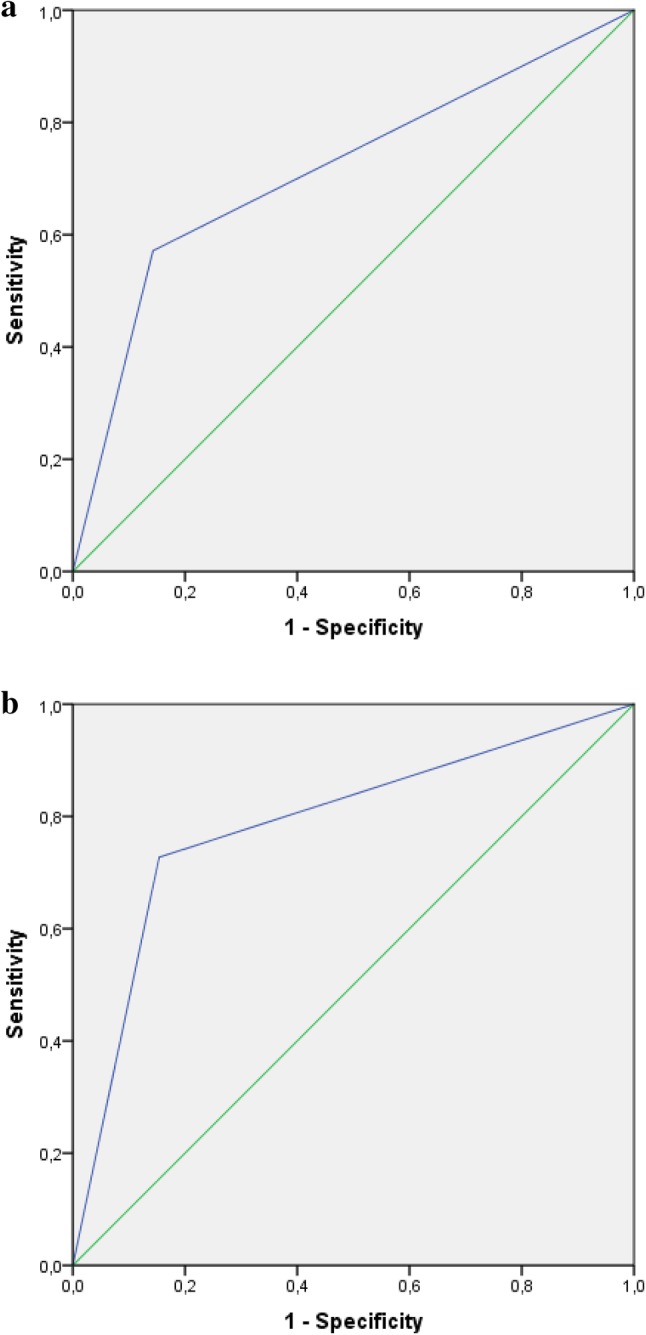
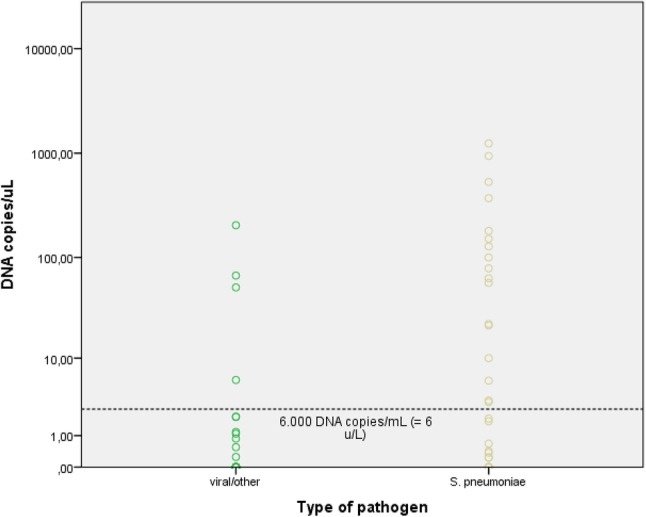
Streptococcus pneumoniae is the most important pathogen causing community-acquired pneumonia (CAP). The current diagnostic microbial standard detects S. pneumoniae in less than 30% of CAP cases. A quantitative polymerase chain reaction (PCR) targeting autolysin (lytA) is able to increase the rate of detection. The aim of this study is validation of this quantitative PCR in vitro using different available strains and in vivo using clinical samples (oropharyngeal swabs). The PCR autolysin (lytA) was validated by testing the intra- and inter-run variability. Also, the in vitro specificity and sensitivity, including the lower limit of detection was determined. In addition, a pilot-study was performed using samples from patients (n = 28) with pneumococcal pneumonia and patients (n = 28) with a pneumonia without detection of S. pneumoniae with the current diagnostic microbial standard, but with detection of either a viral and or another bacterial pathogen to validate this test further. The intra- and inter-run variability were relatively low (SD's ranging from 0.08 to 0.96 cycle thresholds). The lower limit of detection turned out to be 1-10 DNA copies/reaction. In-vitro sensitivity and specificity of the tested specimens (8 strains carrying lytA and 6 strains negative for lytA) were both 100%. In patients with pneumococcal and non-pneumococcal pneumonia a cut-off value of 6.000 copies/mL would lead to a sensitivity of 57.1% and a specificity of 85.7%. We were able to develop a quantitative PCR targeting lytA with good in-vitro test characteristics.
Keywords: Community-acquired pneumonia; LytA; Pneumonia; Quantitative PCR; Streptococcus pneumoniae.
Conflict of interest statement
The authors declare that they have no conflicts of interest.
Figures
References
MeSH terms
LinkOut - more resources
Full Text Sources
Molecular Biology Databases
Miscellaneous
