


Perioperative intravenous ketamine for acute postoperative pain in adults
- PMID: 30570761
- PMCID: PMC6360925
- DOI: 10.1002/14651858.CD012033.pub4
Perioperative intravenous ketamine for acute postoperative pain in adults
Abstract
Background: Inadequate pain management after surgery increases the risk of postoperative complications and may predispose for chronic postsurgical pain. Perioperative ketamine may enhance conventional analgesics in the acute postoperative setting.
Objectives: To evaluate the efficacy and safety of perioperative intravenous ketamine in adult patients when used for the treatment or prevention of acute pain following general anaesthesia.
Search methods: We searched CENTRAL, MEDLINE and Embase to July 2018 and three trials registers (metaRegister of controlled trials, ClinicalTrials.gov and the World Health Organization (WHO) International Clinical Trials Registry Platform (ICTRP)) together with reference checking, citation searching and contact with study authors to identify additional studies.
Selection criteria: We sought randomised, double-blind, controlled trials of adults undergoing surgery under general anaesthesia and being treated with perioperative intravenous ketamine. Studies compared ketamine with placebo, or compared ketamine plus a basic analgesic, such as morphine or non-steroidal anti-inflammatory drug (NSAID), with a basic analgesic alone.
Data collection and analysis: Two review authors searched for studies, extracted efficacy and adverse event data, examined issues of study quality and potential bias, and performed analyses. Primary outcomes were opioid consumption and pain intensity at rest and during movement at 24 and 48 hours postoperatively. Secondary outcomes were time to first analgesic request, assessment of postoperative hyperalgesia, central nervous system (CNS) adverse effects, and postoperative nausea and vomiting. We assessed the evidence using GRADE and created a 'Summary of findings' table.
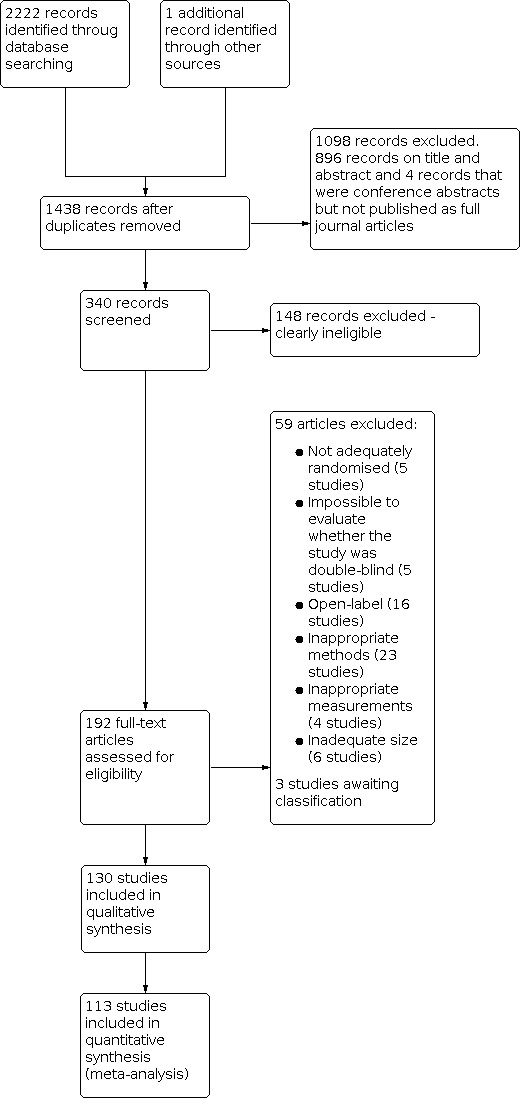
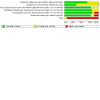
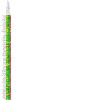
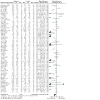
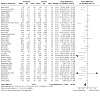
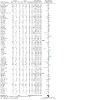
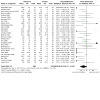
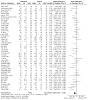
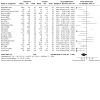
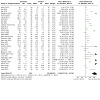
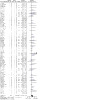
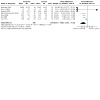
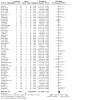
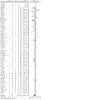
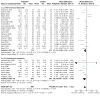
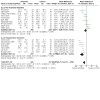
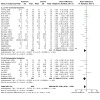
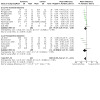
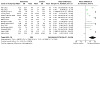
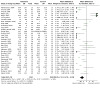
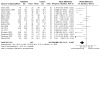
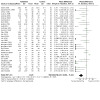
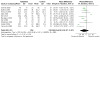
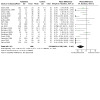
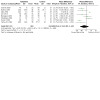
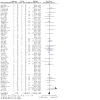
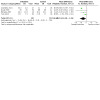
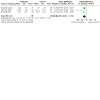
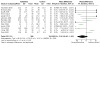
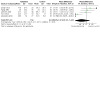
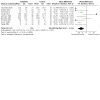
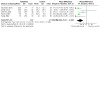
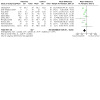
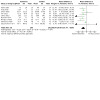
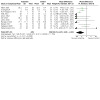
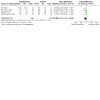
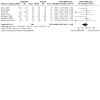
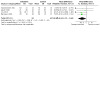
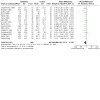
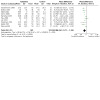
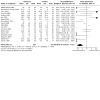
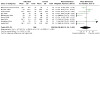
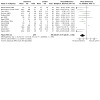
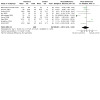
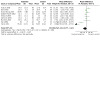
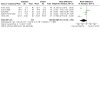
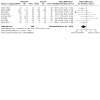
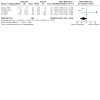
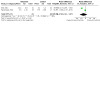
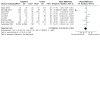
Main results: We included 130 studies with 8341 participants. Ketamine was given to 4588 participants and 3753 participants served as controls. Types of surgery included ear, nose or throat surgery, wisdom tooth extraction, thoracotomy, lumbar fusion surgery, microdiscectomy, hip joint replacement surgery, knee joint replacement surgery, anterior cruciate ligament repair, knee arthroscopy, mastectomy, haemorrhoidectomy, abdominal surgery, radical prostatectomy, thyroid surgery, elective caesarean section, and laparoscopic surgery. Racemic ketamine bolus doses were predominantly 0.25 mg to 1 mg, and infusions 2 to 5 µg/kg/minute; 10 studies used only S-ketamine and one only R-ketamine. Risk of bias was generally low or uncertain, except for study size; most had fewer than 50 participants per treatment arm, resulting in high heterogeneity, as expected, for most analyses. We did not stratify the main analysis by type of surgery or any other factor, such as dose or timing of ketamine administration, and used a non-stratified analysis.Perioperative intravenous ketamine reduced postoperative opioid consumption over 24 hours by 8 mg morphine equivalents (95% CI 6 to 9; 19% from 42 mg consumed by participants given placebo, moderate-quality evidence; 65 studies, 4004 participants). Over 48 hours, opioid consumption was 13 mg lower (95% CI 10 to 15; 19% from 67 mg with placebo, moderate-quality evidence; 37 studies, 2449 participants).Perioperative intravenous ketamine reduced pain at rest at 24 hours by 5/100 mm on a visual analogue scale (95% CI 4 to 7; 19% lower from 26/100 mm with placebo, high-quality evidence; 82 studies, 5004 participants), and at 48 hours by 5/100 mm (95% CI 3 to 7; 22% lower from 23/100 mm, high-quality evidence; 49 studies, 2962 participants). Pain during movement was reduced at 24 hours (6/100 mm, 14% lower from 42/100 mm, moderate-quality evidence; 29 studies, 1806 participants), and 48 hours (6/100 mm, 16% lower from 37 mm, low-quality evidence; 23 studies, 1353 participants).Results for primary outcomes were consistent when analysed by pain at rest or on movement, operation type, and timing of administration, or sensitivity to study size and pain intensity. No analysis by dose was possible. There was no difference when nitrous oxide was used. We downgraded the quality of the evidence once if numbers of participants were large but small-study effects were present, or twice if numbers were small and small-study effects likely but testing not possible.Ketamine increased the time for the first postoperative analgesic request by 54 minutes (95% CI 37 to 71 minutes), from a mean of 39 minutes with placebo (moderate-quality evidence; 31 studies, 1678 participants). Ketamine reduced the area of postoperative hyperalgesia by 7 cm² (95% CI -11.9 to -2.2), compared with placebo (very low-quality evidence; 7 studies 333 participants). We downgraded the quality of evidence because of small-study effects or because the number of participants was below 400.CNS adverse events occurred in 52 studies, while 53 studies reported of absence of CNS adverse events. Overall, 187/3614 (5%) participants receiving ketamine and 122/2924 (4%) receiving control treatment experienced an adverse event (RR 1.2, 95% CI 0.95 to 1.4; high-quality evidence; 105 studies, 6538 participants). Ketamine reduced postoperative nausea and vomiting from 27% with placebo to 23% with ketamine (RR 0.88, 95% CI 0.81 to 0.96; the number needed to treat to prevent one episode of postoperative nausea and vomiting with perioperative intravenous ketamine administration was 24 (95% CI 16 to 54; high-quality evidence; 95 studies, 5965 participants).
Authors' conclusions: Perioperative intravenous ketamine probably reduces postoperative analgesic consumption and pain intensity. Results were consistent in different operation types or timing of ketamine administration, with larger and smaller studies, and by higher and lower pain intensity. CNS adverse events were little different with ketamine or control. Perioperative intravenous ketamine probably reduces postoperative nausea and vomiting by a small extent, of arguable clinical relevance.
Conflict of interest statement
Figures
Comment in
-
Cochrane in CORR®: Perioperative Intravenous Ketamine for Acute Postoperative Pain in Adults.Clin Orthop Relat Res. 2019 Nov;477(11):2411-2417. doi: 10.1097/CORR.0000000000000981. Clin Orthop Relat Res. 2019. PMID: 31580268 Free PMC article. No abstract available.
References
References to studies included in this review
Abdolahi 2013 {published data only}
-
- Abdolahi M, Soltani HA, Montazeri K, Soleymani B. Preemptive low-dose of ketamine does not effective on anesthetic consumption, perioperative analgesic requirement and postoperative pain, nausea and vomiting in painful ophthalmic surgery. Journal of Research in Medical Sciences 2013;18(7):583-7. - PMC - PubMed
Adam 2005 {published data only}
Adriaenssens 1999 {published data only}
-
- Adriaenssens G, Vermeyen KM, Hoffmann VLH, Mertens E, Adriaensen HF. Postoperative analgesia with i.v. patient-controlled morphine: effect of adding ketamine. British Journal of Anaesthesia 1999;83(3):393-6. - PubMed
Aida 2000 {published data only}
-
- Aida S, Yamakura T, Baba H, Taga K, Fukuda S, Shimoji K. Preemptive analgesia by intravenous low-dose ketamine and epidural morphine in gastrectomy. Anesthesiology 2000;92:1624-30. - PubMed
Aqil 2011 {published data only}
-
- Aqil M, Haq AU, Rasheed A, Hussain A, Khan M, Abdulhamid A-S. Is preemptive analgesic effect of ketamine dose dependent? Effect of increasing dose on post septorhinoplasty pain. Pakistan Journal of Medical Sciences 2011;27(3):608-12.
Argiriadou 2004 {published data only}
Argiriadou 2011 {published data only}
-
- Argiriadou H, Papagiannopoulou P, Foroulis CN, Anastasiadis K, Thomaidou E, Papakonstantinou C, et al. Intraoperative infusion of S(+) -ketamine enhances post-thoracotomy pain control compared with perioperative parecoxib when used in conjunction with thoracic paravertebral ropivacaine infusion. Journal of Cardiothoracic and Vascular Anesthesia 2011;25(3):455-61. [DOI: 10.1053/j.jvca.2010.07.011] - DOI - PubMed
Arikan 2016 {published data only}
-
- Arikan M, Aslan B, Arikan O, Horasanli E, But A. Comparison of the effects of magnesium and ketamine on postoperative pain and morphine consumption. A double-blind randomized controlled study. Acta Cirurgica Brasileira 2016;31(1):67-73. [DOI: ] - PubMed
Ataskhoyi 2013 {published data only}
-
- Ataskhoyi S, Negargar S, Hatami-Marandi P. Effects of the addition of low-dose ketamine to propofol-fentanyl anaesthesia during diagnostic gynaecological laparoscopy. European Journal of Obstetrics and Gynecology and Reproductive Biology 2013;170:247-50. - PubMed
Aubrun 2008 {published data only}
-
- Aubrun F, Gaillat C, Rosenthal D, Dupuis M, Mottet P, Marchetti F, et al. Effect of a low dose ketamine regimen on pain, mood, cognitive function and memory after major gynaecological surgery: a randomized, double-blind, placebo-controlled trial. European Journal of Anaesthesiology 2008;25:97-105. [DOI: 10.1017/S0265021507002566] - DOI - PubMed
Aveline 2006 {published data only}
Aveline 2009 {published data only}
-
- Aveline C, Gautier JF, Vautier P, Cognet F, Le Hetet H, Attali JY, et al. Postoperative analgesia and early rehabilitation after total knee replacement: a comparison of continuous low-dose intravenous ketamine versus nefopam. European Journal of Pain 2009;13:613-9. [DOI: 10.1016/j.ejpain.2008.08.003] - DOI - PubMed
Ayoglu 2005 {published data only}
-
- Ayoglu H, Karadeniz Ü, Kunduracilar Z, Ayoglu FN, Erdemli Ö. The analgesic effect of magnesium sulphate and ketamine in patients undergoing laparoscopic cholecystectomy. The Pain Clinic 2005;17(1):45-53.
Barreveld 2013 {published data only}
-
- Barreveld AM, Correll DJ, Liu X, Max B, McGowan JA, Shovel L, et al. Ketamine decreases postoperative pain scores in patients taking opioids for chronic pain: results of a prospective, randomized, double-blind study. Pain Medicine 2013;14:925-34. - PubMed
Bilgen 2012 {published data only}
-
- Bilgen S, Köner Ö, Türe H, Menda F, Ficicioglu C, Aykac B. Effect of three different doses of ketamine prior to general anesthesia on postoperative pain following Caesarean delivery: a prospective randomized study. Minerva Anestesiologica 2012;78(4):442-9. - PubMed
Bornemann‐Cimenti 2016 {published data only}
-
- Bornemann-Cimenti H, Wejbora M, Michaeli K, Edler A, Sandner-Kiesling A. The effects of minimal-dose versus low-dose S-ketamine on opioid consumption, hyperalgesia, and postoperative delirium: a triple-blinded, randomized, active- and placebo-controlled clinical trial. Minerva Anestesiologica 2016;82(10):1069-76. - PubMed
Burstal 2001 {published data only}
-
- Burstal R, Danjoux G, Hayes C, Lantry G. PCA ketamine and morphine after abdominal hysterectomy. Anaesthesia and Intensive Care 2001;29(3):246-51. - PubMed
Cenzig 2014 {published data only}
-
- Cenzig P, Gokcinar D, Topcu H, Cicek GS, Gogus N. Intraoperative low-dose ketamine infusion reduces acute postoperative pain following total knee replacement surgery: a prospective, randomized, placebo-controlled trial. Journal of the College of Physicians and Surgeons Pakistan 2014;24(5):299-303. - PubMed
Chazan 2010 {published data only}
-
- Chazan S, Buda I, Nesher N, Paz J, Weinbroum AA. Low-dose ketamine via intravenous patient-controlled analgesia device after various transthoracic procedures improves analgesia and patient and family satisfaction. Pain Management Nursing 2010;11(3):169-76. [DOI: 10.1016/j.pmn.2009.06.003] - DOI - PubMed
Chen 2004 {published data only}
-
- Chen JY, Bai L, You Yu YF, Zhou SJ. Effect of low dose ketamine during anesthesia on postoperative analgesia. Fudan University Journal of Medical Sciences 2004;31(1):81-3.
Choi 2015 {published data only}
Colombani 2008 {published data only}
-
- Colombani S, Kabbani Y, Mathoulin-Pélissier S, Gékiere JP, Dixmérias F, Monnin D, et al. Administration of ketamine during induction and maintenance of anaesthesia in postoperative pain prevention. Clinical trial in oncology [Apport de l'administration de kétamine a l'induction et en entretien anesthésique dans la prévention de la douleur postopératoire. Essai clinique en oncologie]. Annales Francaises d'Anesthesie et de Reanimation 2008;27(3):202-7. - PubMed
Crousier 2008 {published data only}
-
- Crousier M, Cognat V, Khaled M, Guegniaud PY, Piriou V. Effect of ketamine on prevention of postmastectomy chronic pain. A pilot study [Effet de la kétamine dans la prévention des douleurs chronique post-mastectomies]. Annales Francaises d'Anesthesie et de Reanimation 2008;27:987-93. [DOI: 10.1016/j.annfar.2008.10.008] - DOI - PubMed
D'Alonzo 2011 {published data only}
-
- D'Alonzo RC, Bennett-Guerrero E, Podgoreanu M, D'Amico TA, Harpole DH, Shaw AD. A randomized, double blind, placebo controlled clinical trial of the preoperative use of ketamine for reducing inflammation and pain after thoracic surgery. Journal of Anesthesia 2011;25:672-8. [DOI: 10.1007/s00540-011-1206-4] - DOI - PubMed
Dahi‐Taleghani 2014 {published data only}
Dahl 2000 {published data only}
-
- Dahl V, Ernoe PE, Steen T, Raeder JC, White PF. Does ketamine have preemptive effects in women undergoing abdominal hysterectomy procedures? Anesthesia and Analgesia 2000;90:1419-22. - PubMed
Dal 2005 {published data only}
Dar 2012 {published data only}
-
- Dar AM, Qasi SM, Sidiq S. A placebo-controlled comparison of ketamine with pethidine for the prevention of postoperative shivering. Southern African Journal of Anaesthesia and Analgesia 2012;18(6):340-3. [DOI: 10.1080/22201173.2012.10872875] - DOI
De Kock 2001 {published data only}
-
- De Kock M, Lavand'homme P, Waterloos H. 'Balanced analgesia' in the perioperative period: is there a place for ketamine? Pain 2001;92:373-80. - PubMed
Deng 2009 {published data only}
Du 2011 {published data only}
-
- Du J, Huang YG, Yu XR, Zhao N. Effects of preoperative ketamine on the endocrine-metabolic and inflammatory response to laparoscopic surgery. Chinese Medical Journal 2011;124(22):721-5. - PubMed
Dualé 2009 {published data only}
Dullenkopf 2009 {published data only}
-
- Dullenkopf A, Müller R, Dillmann F, Wiedemeier P, Hegi TR, Gautschi S. An intraoperative pre-incision single dose of intravenous ketamine does not have an effect on postoperative analgesic requirements under clinical conditions. Anaesthesia and Intensive Care 2009;37(5):753-7. - PubMed
Fiorelli 2015 {published data only}
-
- Fiorelli A, Mazzella A, Passavanti B, Sansone P, Chiodini P, Iannotti M et al. Is pre-emptive administration of ketamine a significant adjunction to intravenous morphine analgesia for controlling postoperative pain? A randomized, double-blind, placebo-controlled clinical trial. Interactive Cardiovascular and Thoracic Surgery 2015;21:284-91. [DOI: 10.1093/icvts/ivv154] - DOI - PubMed
Galinski 2007 {published data only}
-
- Galinski SF, Pereira JA, Maestre Y, Francés S, Escolano F, Puig MM. The combination of intravenous dexamethasone and ketamine does not improve postoperative analgesia when compared to each drug individually. Pain Clinic 2007;19(5):223-9. [DOI: 10.1016/j.ajem.2006.11.016] - DOI
Ganne 2005 {published data only}
Garcia‐Navia 2016 {published data only}
-
- García-Navia JT, López JT, Egea-Guerrero JJ, Arenas AV, Gutiérrez TV. Effect of a single dose of lidocaine and ketamine on intraoperative opioids requirements in patients undergoing elective gynecological laparotomies under general anesthesia. A randomized, placebo controlled pilot study. Farmacia Hospitalaria 2016;40(1):44-51. [DOI: 10.7399/fh.2016.40.1.9339] - DOI - PubMed
Garg 2016 {published data only}
-
- Garg N, Panda NB, Gandhi GA, Bhagat H, Batra YK, Grover VK, et al. Comparison of small dose ketamine and dexmedetomidine infusion for postoperative analgesia in spine surgery - a prospective randomized double-blind placebo controlled study. Journal of Neurosurgical Anesthesiology 2016;28(1):27-31. - PubMed
Gilabert Morell 2002 {published data only}
-
- Gilabert Morell A, Sánchez Pérez C. Effect of low-dose intravenous ketamine in postoperative analgesia for hysterecomy and adnexectomy [Efecto de dosis bajas intravenosas de ketamina en la analgesia postoperatoria de histerectomía y anexectomía]. Revista Espańola de Anestesiologíga y Reanimación 2002;49(5):247-53. - PubMed
Grady 2012 {published data only}
Guignard 2002 {published data only}
Guillou 2003 {published data only}
Hadi 2010 {published data only}
Hadi 2013 {published data only}
Haliloglu 2015 {published data only}
Hasanein 2011 {published data only}
-
- Hasanein R, El-Sayed W, Nabil N, Elsayed G. The effect of combined remifentanil and low dose ketamine infusion in patients undergoing laparoscopic gastric bypass. Egyptian Journal of Anaesthesia 2011;27:255-60. [DOI: 10.1016/j.egja.2011.07.009] - DOI
Hayes 2004 {published data only}
-
- Hayes C, Armstrong-Brown A, Burstal R. Perioperative intravenous ketamine infusion for the prevention of persistent post-amputation pain: a randomized, controlled trial. Anaesthesia and Intensive Care 2004;32(3):330-8. - PubMed
Helmy 2015 {published data only}
-
- Helmy N, Badawy AA, Hussein M, Reda H. Comparison of the preemptive analgesia of low dose ketamine versus magnesium sulphate on parturient undergoing cesarean section under general anesthesia. Egyptian Journal of Anaesthesia 2015;31:53-8. [DOI: 10.1016/j.egja.2014.12.006] - DOI
Hercock 1999 {published data only}
-
- Hercock T, Gillham MJ, Sleigh J, Jones SF. The addition of ketamine to patient controlled morphine analgesia does not improve quality of analgesia after total abdominal hysterectomy. Acute Pain 1999;2(2):68-72.
Hu 2014 {published data only}
Ilkjaer 1998 {published data only}
-
- Ilkjaer S, Nikolajsen L, Hansen TM, Wernberg M, Brennum J, Dahl JB. Effect of i.v. ketamine in combination with epidural bupivacaine or epidural morphine on postoperative pain and wound tenderness after renal surgery. British Journal of Anaesthesia 1998;81:707-12. - PubMed
Jaksch 2002 {published data only}
-
- Jaksch W, Lang S, Reichhalter R, Raab G, Dann K, Fitzal S. Perioperative small-dose S(+) -ketamine has no incremental beneficial effects on postoperative pain when standard-practice opioid infusions are used. Anesthesia and Analgesia 2002;94:981-6. - PubMed
Javery 1996 {published data only}
-
- Javery KB, Ussery TW, Steger HG, Colclough GW. Comparison of morphine and morphine with ketamine for postoperative analgesia. Canadian Journal of Anaesthesiology 1996;43(3):212-5. - PubMed
Jendoubi 2017 {published data only}
-
- Jendoubi A, Naceur IB, Bouzouita A, Trifa M, Ghedira S, Chebil S et al. A comparison between intravenous lidocaine and ketamine on acute and chronic pain after open nephrectomy: a prospective, double-blind, randomized, placebo-controlled study. Saudi Journal of Anaesthesia 2017;11(2):177-84. [DOI: 10.4103/1658-354X203027] - DOI - PMC - PubMed
Joly 2005 {published data only}
-
- Joly V, Richebe P, Guignard B, Fletcher D, Maurette P, Sessler DI et al. Remifentanil-induced postoperative hyperalgesia and its prevention with small-dose ketamine. Anesthesiology 2005;103:147-55. - PubMed
Joseph 2012 {published data only}
-
- Joseph C, Gaillat F, Duponq R, Lieven R, Baumstarck K, Thomas P, et al. Is there any benefit to adding intravenous ketamine to patient-controlled epidural analgesia after thoracic surgery? A randomised double-blind study. European Journal of Cardio-Thoracic Surgery 2012;42:e58-65. [DOI: 10.1093/ejcts/ezs398] - DOI - PubMed
Kafali 2004 {published data only}
-
- Kafali H, Aldemir B, Kaygusuz K, Gürsoy S, Kunt N. Small-dose ketamine decreases postoperative morphine requirements. European Journal of Anaesthesiology 2004;21:914. - PubMed
Kakinohana 2004 {published data only}
-
- Kakinohana M, Huga Y, Sasara T, Saikawa A, Miyata Y, Tomiyama H, et al. Addition of ketamine to propofol-fentanyl anaesthesia can reduce post-operative pain and epidural analgesic consumption in upper abdominal surgery. Acute Pain 2004;5:75-9. [DOI: ]
Kamal 2008 {published data only}
-
- Kamal HM. Ketamine as an adjuvant to morphine for patient controlled analgesia in morbidly obese patients. Journal of Medical Sciences 2008;8(4):364-70.
Kapfer 2005 {published data only}
Karaman 2006 {published data only}
-
- Karaman S, Kocabas S, Zincircioglu C, Firat V. Has ketamine preemptive analgesic effect in patients undergoing abdominal hysterectomy? [Abdominal histerektomi operasyonlarinda ketaminin preemptif analjezik etkisi var mi?]. The Journal of Turkish Society of Algology 2006;18(3):36-44. - PubMed
Kararmaz 2003 {published data only}
Karcioglu 2013 {published data only}
-
- Karcioglu M, Davarci I, Tuzcu K, Bozdogan YB, Turhanoglu S, Aydogan A, et al. Addition of ketamine to propofol-alfentanil anesthesia may reduce postoperative pain in laparoscopic cholecystectomy. Surgical Laparoscopy Endoscopy & Percutaneous Techniques 2013;23:197-202. [DOI: 10.1097/SLE.0b013e3182827f09] - DOI - PubMed
Katz 2004 {published data only}
-
- Katz J, Schmid R, Snijdelaar DG, Coderre TJ, McCartney CJL, Wowk A. Pre-emptive analgesia using intravenous fentanyl plus low-dose ketamine for radical prostatectomy under general anesthesia does not produce short-term or long-term reductions in pain or analgesic use. Pain 2004;110:707-18. [DOI: 10.1016/j.pain.2004.05.011] - DOI - PubMed
Kim 2013 {published data only}
-
- Kim SH, Kim SI, Ok SY, Park SY, Kim MG, Lee SJ et al. Opioid sparing effect of low dose ketamine in patients with intravenous patient-controlled analgesia using fentanyl after lumbar spinal fusion surgery. Korean Journal of Anesthesiology 2013;64(6):524-8. [DOI: 10.4097/kjae.2013.64.6.524] - DOI - PMC - PubMed
Kim 2016 {published data only}
-
- Kim DH, Choi JY, Ryu JH. Prospective, randomized, and controlled trial on ketamine infusion during bilateral axillo-breast approach (BABA) robotic or endoscopic thyroidectomy: effects on postoperative pain and recovery profiles. Medicine 2016;95(49):e5485. [DOI: 10.1097/MD.0000000000005485] - DOI - PMC - PubMed
Köse 2012 {published data only}
-
- Köse EA, Honca M, Akinci SB, Dal D, Aypar Ü. Efficacy of prophylactic ketamine in preventing postoperative shivering. Journal of Clinical and Analytical Medicine 2012;3(2):182-5. [DOI: ] - PubMed
Kudoh 2002 {published data only}
Kwok 2004 {published data only}
Kwon 2009 {published data only}
Lahtinen 2004 {published data only}
Lak 2010 {published data only}
-
- Lak M, Foroozanmehr MJ, Ramazani MA, Araghizadeh H, Zahedi-Shoolami L. Assessment of ketamine effect as adjuvant to morphine in post-operative pain reduction in donor kidney transplanted. Iranian Red Crescent Medican Journal 2010;12(1):38-44.
Leal 2013 {published data only}
-
- Leal PC, Sakata RK, Salomao R, Sadatsune EJ, Issy AM. Assessment of the effect of ketamine in combination with remifentanil on postoperative pain. Brazilian Journal of Anesthesiology 2013;63(2):178-82. - PubMed
Leal 2015 {published data only}
Lebrun 2006 {published data only}
-
- Lebrun T, Van Elstraete AC, Sandefo I, Polin B, Pierre-Louis L. Lack of a pre-emptive effect of low-dose ketamine on postoperative pain following oral surgery. Canadian Journal of Anesthesiology 2006;53(2):146-52. - PubMed
Lee 2008 {published data only}
-
- Lee EM, Lee H, Kim CH, Lee GY. A double-blinded, randomized, placebo controlled study of the effect a small dose of ketamine has on postoperative pain on sevoflurane-remifentanil anesthesia. Korean Journal of Anesthesiology 2008;54:146-51.
Lehmann 2001 {published data only}
-
- Lehmann KA, Klaschik M. Lack of pre-emptive analgesic effect of low-dose ketamine in postoperative patients. A prospective, randomised doubleblind study [Klinische untersuchung über die präemptive analgesie durch niedrig dosiertes ketamin]. Schmerz 2001;15:248-53. - PubMed
Lenzmeier 2008 {published data only}
-
- Lenzmeier B, Moore RL, Cordts P, Garrett N. Menstrual cycle-related variations in postoperative analgesia with the preemptive use of N-methyl D-aspartate antagonist ketamine. Dimensions of Critical Care Nursing 2008;27(6):271-6. - PubMed
Lin 2016 {published data only}
Lo 2008 {published data only}
-
- Lo A, MacPherson N, Spiwak R. Prospective randomized trial of patient-controlled analgesia with ketamine and morphine or morphine alone after hysterectomy. Canadian Journal of Hospital Pharmacy 2008;61(5):334-9.
Loftus 2010 {published data only}
-
- Loftus RW, Yeager MP, Clark JA, Brown JR, Abdu WA, Sengupta DK, et al. Intraoperative ketamine reduces perioperative opiate consumption in opiate-dependent patients with chronic back pain undergoing back surgery. Anesthesiology 2010;113:639-46. - PubMed
Mahran 2015 {published data only}
Martinez 2014 {published data only}
Mathisen 1999 {published data only}
-
- Mathisen LC, Aasbo V, Raeder J. Lack of pre-emptive analgesic effect of (R)-ketamine in laparoscopic cholecystectomy. Acta Anaesthesiologica Scandinavica 1999;43:220-4. - PubMed
McKay 2007 {published data only}
Mebazaa MS 2008 {published data only}
-
- Mebazaa MS, Mestiri T, Kaabi B, Ben Ammar MS. Clinical benefits related to the combination of ketamine with morphine for patient controlled analgesia after major abdominal surgery [Benefices cliniques de l'association ketamine morphine en analgesie controlee par le patient apres chirurgie abdominale majeure]. La Tunisie Medicale 2008;86(5):435-40. - PubMed
Mendola 2012 {published data only}
-
- Mendola C, Cammarota G, Netto R, Cecci G, Pisterna A, Ferrante D et al. S(+) -ketamine for control of perioperative pain and prevention of post thoracotomy pain syndrome: a randomized, double-blind study. Minerva Anestesiologica 2012;78:757-66. - PubMed
Menigaux 2000 {published data only}
-
- Menigaux C, Fletcher D, Dupont X, Guignard B, Guirimand F, Chauvin M. The benefits of intraoperative small-dose ketamine on postoperative pain after anterior cruciate ligament repair. Anesthesia & Analgesia 2000;90:129-35. - PubMed
Menigaux 2001 {published data only}
-
- Menigaux C, Guignard B, Fletcher D, Sessler DI, Dupont X, Chauvin M. Intraoperative small-dose ketamine enhances analgesia after outpatient knee arthroscopy. Anesthesia and Analgesia 2001;93:606-12. - PubMed
Michelet 2007 {published data only}
-
- Michelet P, Guervilly C, Hélaine A, Avaro JP, Blayac D, Gaillat F, et al. Adding ketamine to morphine for patient-controlled analgesia after thoracic surgery: influence on morphine consumption, respiratory function, and nocturnal desaturation. British Journal of Anaesthesiology 2007;99(3):396-403. [DOI: ] - PubMed
Miziara 2016 {published data only}
-
- Miziara LE, Simoni RF, Esteves LO, Cangiani LH, Grillo-Filho GFR, Paula AGL. Efficacy of continuous S(+)-ketamine infusion for postoperative pain control: a randomised placebo-controlled trial. Anesthesiology Research and Practice 2016;2016(Article ID 6918327):1-7. [DOI: 10.1155/2016/6918327] - DOI - PMC - PubMed
Murdoch 2002 {published data only}
Nesek‐Adam 2012 {published data only}
-
- Nesek-Adam V, Grizelj-Stojcić, Mrsić V, Rasić Z, Schwartz D. Preemptive use of diclofenac in combination with ketamine in patients undergoing laparoscopic cholecystectomy: a randomized, double-blind, placebo-controlled study. Surgical Laparoscopy Endoscopy & Percutaneous Techniques 2012;22(3):232-8. - PubMed
Nielsen 2017 {published data only}
-
- Nielsen RV, Fomsgaard JS, Siegel H, Martusevicius R, Nikolajsen L, Dahl JB, et al. Intraoperative ketamine reduces immediate postoperative opioid consumption after spinal fusion surgery in chronic pain patients with opioid dependency: a randomized, blinded trial. Pain 2017;158(3):463-70. [DOI: 10.1097/j.pain.0000000000000782] - DOI - PubMed
Ögün 2001 {published data only}
-
- Ögun CÖ, Duman A, Ökesli S. The comparison of postoperative analgesic effects of preemptive ketamine and fentanyl use in mastectomy operations. The Journal of the Turkish Society of Algology 2001;13(2):31-40.
Ong 2001 {published data only}
-
- Ong EL, Osborne GA. Ketamine for co-induction of anaesthesia in oral surgery. Ambulatory Surgery 2001;9:131-5.
Ozhan 2013 {published data only}
-
- Ozhan Y, Bakan N, Karaoren GY, Tomruk SG, Topac Z. Effects of subanesthetic ketamine on pain and cognitive functions on TIVA [TIVA'da subanestezik ketaminin agri ve kognitif fonksiyonlara etkisi]. Journal of Clinical and Analytical Medicine 2015;6(4):452-7. [DOI: 10.4328/JCAM.2161] - DOI
Pacreu 2012 {published data only}
-
- Pacreu S, Fernández Candil J, Moltó L, Carazo J, Fernández Galinski S. The perioperative combination of methadone and ketamine reduces post-operative opioid usage compared with methadone alone. Acta Anaesthesiologica Scandinavica 2012;56:1250-6. [DOI: 10.1111/j.1399-6576.2012.02743.x] - DOI - PubMed
Papaziogas 2001 {published data only}
-
- Papaziogas B, Argiriadou H, Papagiannopoulou P, Pavlidis T, Georgiou M, Sfyra M, et al. Preincisional intravenous low-dose ketamine and local infiltration with ropivacaine reduces postoperative pain after laparoscopic cholecystectomy. Surgical Endoscopy 2001;15:1030-3. [DOI: ] - PubMed
Parikh 2011 {published data only}
Patel 2016 {published data only}
Pirim 2006 {published data only}
-
- Pirim A, Karaman S, Uyar M, Certug A. Addition of ketamine infusion to patient controlled analgesia with intravenous morphine after abdominal hysterectomy. The Journal of the Turkish Society of Algology 2006;18(1):52-8. - PubMed
Remérand 2009 {published data only}
Reza 2010 {published data only}
-
- Reza FM, Zahra F, Esmaeel F, Hossein A. Preemptive analgesic effect of ketamine in patients undergoing elective cesarean section. The Clinical Journal of Pain 2010;26(3):223-6. - PubMed
Roytblat 1993 {published data only}
-
- Roytblat L, Korotkoruthko A, Katz J, Glazer M, Greemberg L, Fisher A. Postoperative pain: the effect of low-dose ketamine in addition to general anesthesia. Regional Anesthesia and Pain Management 1993;77:1161-5. - PubMed
Safavi 2011 {published data only}
-
- Safavi M, Honarmand A, Nematollahy Z. Pre-incisional analgesia with intravenous or subcutaneous infiltration of ketamine reduces postoperative pain in patients after open cholecystectomy: a randomized, double-blind, placebo-controlled study. Pain Medicine 2011;12:1418-26. - PubMed
Sahin 2004 {published data only}
-
- Sahin A, Canbay O, Cuhadar A, Celebi N, Aypar U. Bolus ketamine does not decrease hyperalgesia after remifentanil infusion. The Pain Clinic 2004;16(4):407-11.
Sen 2009 {published data only}
Siddiqui 2015 {published data only}
Singh 2013 {published data only}
Snijdelaar 2004 {published data only}
-
- Snijdelaar DG, Cornelisse HB, Schmid RL, Katz J. A randomised, controlled study of peri-operative low dose S(+) -ketamine in combination with postoperative patient-controlled S(+) -ketamine and morphine after radical prostatectomy. Anaesthesia 2004;59:222-8. - PubMed
Song 2013 {published data only}
-
- Song JW, Kim JK, Song Y, Yang SY, Park SJ, Kwak YL. Effect of ketamine as an adjunct to intravenous patient-controlled analgesia, in patients at high risk of postoperative nausea and vomiting undergoing lumbar spinal surgery. British Journal of Anaesthesia 2013;111(4):630-5. [DOI: 10.1093/bja/aet192] - DOI - PubMed
Song 2014 {published data only}
Spreng 2010 {published data only}
Stubhaug 1997 {published data only}
-
- Stubhaug A, Breivik H, Eide PK, Kreunen M, Foss A. Mapping of punctuate hyperalgesia around a surgical incision demonstrates that ketamine is a powerful suppressor of central sensitization to pain following surgery. Acta Anaesthesiologica Scandinavica 1997;41:1124-32. [DOI: 10.1111/j.1399-6576.1997.tb04854.x] - DOI - PubMed
Subramaniam 2011 {published data only}
-
- Subramaniam K, Akhouri V, Glazer PA, Rachlin J, Kunze L, Cronin M, et al. Intra- and postoperative very low dose intravenous ketamine infusion does not increase pain relief after major spine surgery in patients with preoperative narcotic analgesic intake. Pain Medicine 2011;12:1276-83. - PubMed
Suzuki 1999 {published data only}
-
- Suzuki M, Tsueda K, Lansing PS, Tolan MM, Fuhrman TM, Ignacio CI, et al. Small-dose ketamine enhances morphine-induced analgesia after outpatient surgery. Anesthesia and Analgesia 1999;89:98-103. - PubMed
Suzuki 2006 {published data only}
-
- Suzuki M, Haraguti S, Sugimoto K, Kikutani T, Shimada Y, Sakamoto A. Low-dose intravenous ketamine potentiates epidural analgesia after thoracotomy. Anesthesiology 2006;105:111-9. - PubMed
Tena 2014 {published data only}
-
- Tena B, Gomar C, Rios J. Perioperative epidural or intravenous ketamine does not improve the effectiveness of thoracic epidural analgesia for acute and chronic pain after thoracotomy. Clinical Journal of Pain 2014;30(6):490-500. - PubMed
Ünlügenc 2003 {published data only}
-
- Ünlügenc H, Özalevi M, Güler T, Isik G. Postoperative pain management with intravenous patient-controlled morphine: comparison of the effect of adding magnesium or ketamine. European Journal of Anaesthesiology 2003;20:416-21. - PubMed
Van Elstraete 2004 {published data only}
Webb 2007 {published data only}
-
- Webb AR, Skinner BS, Leong S, Kolawole H, Crofts T, Taverner M, et al. The addition of a small-dose ketamine infusion to tramadol for postoperative analgesia: a double-blinded, placebo-controlled, randomized trial after abdominal surgery. Pain Medicine 2007;104(4):912-7. [DOI: 10.1213/01.ane.0000256961.01813.da] - DOI - PubMed
Woo 2014 {published data only}
-
- Woo JH, Kim YJ, Baik HJ, Han JI, Chung RH. Does intravenous ketamine enhance analgesia after arthroscopic shoulder surgery with ultrasound guided single-injection interscalene block? a randomized, prospective, double-blind trial. Journal of Korean Medical Science 2014;29:1001-6. [DOI: 10.3346/jkms.2014.29.7.1001] - DOI - PMC - PubMed
Wu 2009 {published data only}
-
- Wu Y, Li H, Xiong J, Xu Z, Ma L, Huang X, et al. Effects of patient-controlled analgesia with small dose ketamine combined with morphine and the influence thereof on plasma beta-endorphin level in patients after radical operation for esophageal carcinoma. Journal of the Chinese Medical Association 2009;89(5):314-7. - PubMed
Yalcin 2012 {published data only}
Yamauchi 2008 {published data only}
Yazigi 2012 {published data only}
-
- Yazigi A, Abou-Zeid H, Srouji T, Madi-Jebara S, Haddad F, Jabbour K. The effects of low-dose intravenous ketamine on continuous intercostal analgesia following thoracotomy. Annals of Cardiac Anaesthesia 2012;15(1):32-8. - PubMed
Yeom 2012 {published data only}
-
- Yeom JH, Chon MS, Jeon WJ, Shim JH. Peri-operative ketamine with the ambulatory elastometric infusion pump as an adjuvant to manage acute postoperative pain after spinal fusion in adults: a prospective randomized trial. Korean Journal of Anesthesiology 2012;63(1):54-8. [DOI: 10.4097/kjae.2012.63.1.54] - DOI - PMC - PubMed
Ysasi 2010 {published data only}
-
- Ysasi A, Calderón E, Wendt T, Gracia T, Torres LM, Llorens R. Efficacy of low doses of ketamine in postoperative analgesia and the use of morphine after myocardial revascularisation surgery [Efecto de dosis bajas de ketamine en la analgesia postoperatoria y consumo de morfina tras cirurgía de revascularizatión miocárdica]. Revista de la Sociedad Espanola del Dolor 2010;17(4):190-5. [DOI: 10.1016/j.resed.2010.04.002] - DOI
Zakine 2008 {published data only}
-
- Zakine J, Samarcq D, Lorne E, Moubarak M, Montravers P, Beloucif S, et al. Postoperative ketamine administration decreases morphine consumption in major abdominal surgery. A prospective, randomized, double-blind, controlled study. Pain Medicine 2008;106:1856-61. [DOI: 10.1213/ane.0b013e3181732776] - DOI - PubMed
References to studies excluded from this review
Abrishamkar 2012 {published data only}
-
- Abrishamkar S, Eshraghi N, Feizi A, Talakoub R, Rafiei A, Rahmani P. Analgesic effects of ketamine infusion on postoperative pain after fusion and instrumentation of the lumbar spine: a prospective randomized clinical trial. Medical Archives 2012;66(2):107-10. - PubMed
Adams 2003 {published data only}
-
- Adams Ha, Meyer H, Stoppa A, Müller-Goch A, Bayer P, Hecker H. Anaesthesia for caesarean section. Comparison of two general anaesthetic regimens and spinal anaesthesia [Anästhesie zur Sectio caesarea. Ein Vergleich von zwei Verfahren der Allgemeinanästhesie sowie der Spinalanästhesie]. Anaesthesist 2003;52:23-32. [DOI: 10.1007/s00101-002-0440-4] - DOI - PubMed
Aghamohammadi 2012 {published data only}
Akca 2016 {published data only}
Avidan 2017 {published data only}
-
- Avidan MS, Maybrier HR, Abdallah AB, Jacobsohn E, Vlisides PE, Pryor KO, et al. Intraoperative ketamine for prevention of postoperative delirium or pain after major surgery in older adults: an international, multicentre, double-blind, randomised clinical trial. Lancet 2017;390:267-75. [DOI: 10.1016/S0140-6736(17)31467-8] - DOI - PMC - PubMed
Behdad 2011 {published data only}
Bentley 2005 {published data only}
-
- Bentley MW, Stas JM, Johnson JM, Viet BC, Garrett N. Effects of preincisional ketamine treatment on natural killer cell activity and postoperative pain management after oral maxillofacial surgery. American Association of Nurse Anesthetists 2005;73(6):427-36. - PubMed
Bilgin 2005 {published data only}
Clausen 1975 {published data only}
-
- Clausen L, Sinclair DM, Van Hasselt CH. Intravenous ketamine for postoperative analgesia. South African Medical Journal 1975;49(35):1437-40. - PubMed
Edwards 1993 {published data only}
Gillies 2007 {published data only}
-
- Gillies A, Lindholm D, Angliss M, Orr A. The use of ketamine as rescue analgesia in the recovery room following morphine administration -a double-blind randomised controlled trial in postoperative patients. Anaesthesia and Intensive Care 2007;35(2):199-203. - PubMed
Guan 2008 {published data only}
-
- Guan JQ, Gan XL, Hei ZQ, Gao WL, Cai J. Effects of ketamine on analgesia of morphine and levels of cell factors in colorectal cancer. Chinese Journal of New Drugs 2008;17(18):1615-8.
Heinke 1999 {published data only}
-
- Heinke W, Grimm D. Preemptive effects caused by co-analgesia with ketamine in gynecological laparotomies? Anaesthesiologie und Reanimation 1999;24(3):60-4. - PubMed
Hong 2011 {published data only}
Ito 1974 {published data only}
-
- Ito Y, Ichiyanagi K. Post-operative pain relief with ketamine infusion. Anaesthesia 1974;29:222-9. - PubMed
Jahangir 1993 {published data only}
-
- Jahangir SM, Islam M, Aziz L. Ketamine infusion for postoperative analgesia in asthmatics: a comparison with intermittent meperidine. Anesthesia and Analgesia 1993;76:45-9. - PubMed
Jensen 2008 {published data only}
-
- Jensen LL, Handberg G, Helbo-Hansen HS, Skaarup I, Munk T, Lund N. No morphine sparing effect of ketamine added to morphine for patient-controlled intraveous analgesia after uterine artery embolization. Acta Anaesthesiologica Scandinavica 2008;52:479-86. [DOI: 10.1111/j.1399-6576.2008.01602.x] - DOI - PubMed
Jiang 2016 {published data only}
Joachimmson 1986 {published data only}
Kadic 2016 {published data only}
Kim 2001 {published data only}
-
- Kim CJ, Chea JS, Chung MY, Song DH, Park JJ, Lee BH. The analgesic effect of combined infusions of morphine and ketamine using an intravenous PCA after a cesarean section. Korean Journal of Anesthesiology 2001;40:509-14. [DOI: 10.4097/kjae.2001.40.4.509] - DOI
Kim 2005 {published data only}
-
- Kim YJ, Baik HJ, Kim JH. The effects of the intravenous continuous infusion of low-dose ketamine on postoperative pain after total intravenous anesthesia. Korean Journal of Anesthesiology 2005;48:163-70. [DOI: 10.4097/kjae.2005.48.2.163] - DOI
Kollender 2008 {published data only}
-
- Kollender Y, Bickels J, Stocki D, Maruoani N, Chazan S, Nirkin A, et al. Subanaesthetic ketamine spares postoperative morphine and controls pain better than standard morphine does alone in orthopaedic-oncological patients. European Journal of Cancer 2008;44:954-62. [DOI: 10.1016/j.ejca.2008.02.021] - DOI - PubMed
Kose 2008 {published data only}
Launo 2004 {published data only}
-
- Launo C, Bassi C, Spagnolo L, Badano S, Ricci C, Lizzi A, et al. Preemptive ketamine during general anesthesia for postoperative analgesia in patients undergoing laparoscopic cholecystectomy. Minerva Anestesiologica 2004;70:727-38. - PubMed
Lee 2005 {published data only}
-
- Lee HD, Kim HK, Lee SN, Lee SY, Lee JH, Park DH. The effect of low dose i.v. ketamine in combination with epidural morphine on postoperative pain. Korean Journal of Anesthesiology 2005;49:81-5. [DOI: 10.4097/kjae.2005.49.1.81] - DOI
Lee 2006 {published data only}
-
- Lee YS, Kim WY, Cha MH, Kim JH, Kim JH, Park YC, et al. Effects of preincisional ketamine on postoperative pain after laparoscopic assisted vaginal hysterectomy. Anesthesia and Pain Medicine 2006;1:44-7.
Lee 2013 {published data only}
Lee 2014 {published data only}
-
- Lee MH, Chung MH, Han CS, Lee JH, Choi YR, Choi EM, et al. Comparison of effects of intraoperative esmolol and ketamine infusion on acute postoperative pain after remifentanil-based anesthesia in patients undergoing laparoscopic cholecystectomy. Korean Journal of Anesthesia 2014;66(3):222-9. [DOI: 10.4097/kjae.2014.66.3.222] - DOI - PMC - PubMed
Liang 2006 {published data only}
-
- Liang S, Chen Y, Lin C. Low-dose ketamine combined with fentanyl for intravenous postoperative analgesia in elderly patients. Journal of Southern Medical University 2006;26(11):1663-4. - PubMed
Lux 2009 {published data only}
-
- Lux EA, Hinrichs T, Mathejka E, Wilhelm W. Ketamine racemate and fast track anaesthesia: influence on recovery times and postoperative opioid needs [Ketaminrazemat bei "fast-track" -anästhesie. Einfluss auf aufwachzeiten und postoperativen opioidbedarf]. Anaesthesist 2009;58(10):1027-34. [DOI: 10.1007/s00101-009-1607-z] - DOI - PubMed
Malek 2006 {published data only}
-
- Malek J, Kurzová A, Bendová M, Nosková P, Strunová M, Vedral T. The prospective study on the effect of a preemptive long-term postoperative administration of a low-dose ketamine on the incidence of chronic post-mastectomy pain [Efekt perioperacního podávání ketaminu na potlacení vzniku chronické bolesti po operaci prsu -prospktivní studie]. Anestesziologie a intevzivní medicína 2006;17:34-7.
Maurset 1989 {published data only}
Nayar 2009 {published data only}
-
- Nayar R, Sahajanand H. Does anesthetic induction for Cesarean section with a combination of ketamine and thiopentone confer any benefits over thiopentone or ketamine alone? A prospective randomized study. Minerva Anestesiologica 2009;75(4):185-90. - PubMed
Ndoye 2008 {published data only}
-
- NDoye Diop M, Khalil Y, Diatta B, Seck M, Ndiaye M, Niang B, et al. Prevention of the acute tolerance with opioids by ketamine [Prevention de la tolerance aigue au fentanyl par la ketamine a faible poids]. Dakar Medical Journal 2008;53(2):122-6. - PubMed
Nesher 2008 {published data only}
Nesher 2009 {published data only}
Nikolayev 2008 {published data only}
-
- Nikolayev AP, Nikoda VV, Svetlov VA. Multimodal approach to postoperative analgesia in patients with neuropathic pain. Anesteziologiia i Reanimatologiia 2008;5:99-103. - PubMed
Nitta 2013 {published data only}
Nourozi 2010 {published data only}
-
- Nourozi A, Talebi H, Fateh S, Mohammadzadeh A, Eghtesadi-Araghi P, Ahmadi Z, et al. Effect of adding ketamine to pethidine on postoperative pain in patients undergoing major abdominal operations: double blind randomized controlled trial. Pakistan Journal of Biological Sciences 2010;13(24):1214-8. [DOI: 10.3923/pjbs.2010.1214.1218] - DOI - PubMed
Oliveira 2005 {published data only}
-
- Oliveira CMB, Issy AM, Sakata RK, Garcia JBS, Martins CR. Preemptive effect of IV S(+) -ketamine for hysterectomy. Acute Pain 2005;7:139-43. [DOI: 10.1016/j.acpain.2005.08.001] - DOI
Owen 1987 {published data only}
Park 2004 {published data only}
-
- Park HJ, Kim ST. The effect of intravenous ketamine on the recovery from total intravenous anesthesia with propofol. Korean Journal of Anesthesiology 2004;46(5):517-23. [DOI: 10.4097/kjae.2004.46.5.517] - DOI
Perrin 2009 {published data only}
-
- Perrin SB, Purcell AN. Intraoperative ketamine may influence persistent pain following knee arthroplasty under combined general and spinal anaesthesia: a pilot study. Anaesthesia and Intensive Care 2009;37(2):248-53. - PubMed
Reeves 2001 {published data only}
Sadove 1971 {published data only}
-
- Sadove MS, Shulman M, Hatano S, Fevold N. Analgesic effects of ketamine administered in subdissociative doses. Anesthesia and Analgesia 1971;50(3):452-7. - PubMed
Sollazzi 2008 {published data only}
-
- Sollazzi L, Modesti C, Vitale F, Sacco T, Ciocchetti P, Idra AS, et al. Preinductive use of clonidine and ketamine improves recovery and reduces postoperative pain after bariatric surgery. Surgery for Obesity and Related Diseases 2009;5:67-71. [DOI: 10.1016/j.soard.2008.09.018] - PubMed
Song 2004 {published data only}
-
- Song X, Li X, Zhao H, Yang T, Wang F. Pre-emptive analgesia effects of ketamine on postoperative pain management and stress responses. Journal of Jilin University (Medicine Edition) 2004;30(4):605-7.
Sveticic 2008 {published data only}
-
- Sveticic G, Farzanegan F, Zmoos P, Zmoos S, Eichenberger U, Curatolo M. Is the combination of morphine with ketamine better than morphine alone for postoperative intravenous patient-controlled analgesia. Anesthesia and Analgesia 2008;106(1):287-93. [DOI: 10.1213/01.ane.0000289637.11065.8f] - DOI - PubMed
Talu 2002 {published data only}
-
- Talu Gk, Özyacin S, Dereli N, Sentürk M, Yücel A. The effect of ketamine administered preoperatively through different routes on thoracotomy pain: a randomized, double blind, placebo controlled study [Torakotomi Agrisinda preoperatif farkli yollardan uygulanan ketaminin etkinligi: randomize, cift kör, plasebo kontrollü klinik calisma]. Journal of Turkish Society of Algology 2002;14(2):54-9.
Thomas 2012 {published data only}
-
- Thomas M, Tennant I, Augier R, Gordon-Strachan G, Harding H. The role of pre-induction ketamine in the management of postoperative pain in patients undergoing elective gynaecological surgery at the university hospital of the West Indies. West Indian Medical Journal 2012;61(3):224-9. - PubMed
Tverskoy 1994 {published data only}
-
- Tverskoy M, Ozy Y, Isakson A, Finger J, Bradley EL Jr, Kissin I. Preemptive effect of fentanyl and ketamine on postoperative pain and wound hyperalgesia. Anesthesia and Analgesia 1994;78(2):205-9. - PubMed
Tverskoy 1996 {published data only}
Ünlügenc 2002 {published data only}
-
- Ünlügenc H, Gündüz M, Özalevli M, Akman H. A comparative study on the analgesic effect of tramadol, tramadol plus magnesium, and tramadol plus ketamine for postoperative pain management after major abdominal surgery. Acta Anaesthesiologica Scandinavica 2002;46:1025-30. - PubMed
Urban 2008 {published data only}
Weinbroum 2003 {published data only}
Wilder‐Smith 1998 {published data only}
-
- Wilder-Smith OHG, Arendt-Nielsen L, Gäumann D, Tassonyi E, Rifat KR. Sensory changes and pain after abdominal hysterectomy: a comparison of anesthetic supplementation with fentanyl versus magnesium or ketamine. Anesthesia and Analgesia 1998;86:95-101. [DOI: 10.1213/00000539-199801000-00019] - DOI - PubMed
Xie 2003 {published data only}
-
- Xie H, Wang X, Liu G, Wang G. Analgesic effects and pharmacokinetics of a low dose of ketamine preoperatively administered epidurally or intravenously. Clinical Journal of Pain 2003;19:317-22. - PubMed
Xu 2017 {published data only}
References to studies awaiting assessment
Lee 2018 {published data only}
Lou 2017 {published data only}
-
- Lou QB, Nan K, Xiang FF, Zhu WS, Zhang XT, Li J. Effect of perioperative multi-day low-dose ketamine infusion on prevention of postmastectomy pain syndrome. National Medical Journal of China 2017;97(46):3636-41. - PubMed
Moon 2018 {published data only}
-
- Moon YE, Kim MH, Lee HM, Yoon HM, Jeon YH. Preventative effect of ketamine on postsurgical hyperalgesia induced at a body part remote from the surgical site. Minerva Anestesiologica 2018;84(4):481-7. - PubMed
Additional references
AlBalawi 2013
Anderson 2001
Angst 2006
-
- Angst MS, Clark JD. Opioid-induced hyperalgesia. A qualitative systematic review. Anesthesiology 2006;104(3):570-87. - PubMed
Arendt‐Nielsen 1996
Aroni 2009
Beals 2003
Begon 2001
-
- Begon S, Pickering G, Eschalier A, Mazur A, Rayssiguier Y, Dubray C. Role of spinal NMDA receptors, protein kinase C and nitric oxide synthase in the hyperalgesia induced by magnesium deficiency in rats. British Journal of Pharmacology 2001;134:1227-36. [DOI: 10.1038/sj.bjp.0704354] - DOI - PMC - PubMed
Bell 2017
Benarroch 2013
-
- Benarroch EE. HCN channels: function and clinical implications. Neurology 2013;80:304-10. - PubMed
Bredlaw 2013
Bulutcu 2002
Chen 2009
Collins 1997
Colvin 2010
Dechartres 2013
Dechartres 2014
Deeks 2017
-
- Deeks JJ, Higgins JP, Altman DG (editors) on behalf of the Cochrane Statistical Methods Group. Chapter 9: Analysing data and undertaking meta-analyses. In: Higgins JPT, Churchill R, Chandler J, Cumpston MS (editors), Cochrane Handbook for Systematic Reviews of Interventions version 5.2.0 (updated June 2017), Cochrane, 2017. Available from www.training.cochrane.org/handbook.
Eikermann 2012
-
- Eikermann M, Grosse-Sundrup M, Zaremba S, Henry ME, Bittner EA, Hoffmann U, et al. Ketamine activates breathing and abolishes the coupling between loss of consciousness and upper airway dilator muscle dysfunction. Anesthesiology 2012;116(1):35-46. [DOI: 10.1097/ALN.0b013e31823d010a] - DOI - PMC - PubMed
Elia 2005
Farrar 2000
-
- Farrar JT, Portenoy RK, Berlin JA, Kinman JL, Strom BL. Defining the clinically important difference in pain outcome measures. Pain 2000;88(3):987-94. - PubMed
Fisher 2000
-
- Fisher K, Coderre T, Hagen NA. Targeting the N-methyl-D-aspartate receptor for chronic pain management: preclinical animal studies, recent clinical experience and future research directions. Journal of Pain and Symptom Management 2000;20(5):358-73. [DOI: 10.1016/S0885-3924(00)00213-X] - DOI - PubMed
Flather 1997
Gavaghan 2000
Geisslinger 1993
GRADE 2004
Guyatt 2011
Guyatt 2013a
Guyatt 2013b
Hayashi 2011
Heesen 2014
Higgins 2003
Higgins 2011a
-
- Higgins JP, Deeks JJ (editors). Chapter 7: Selecting studies and collecting data. In: Higgins JPT, Green S (editors), Cochrane Handbook for Systematic Reviews of Interventions Version 5.1.0 (updated March 2011). The Cochrane Collaboration, 2011. Available from www.handbook.cochrane.org.
Higgins 2011b
-
- Higgins JP, Deeks JJ, Altman DG (editors). Chapter 16: Special topics in statistics. In: Higgins JPT, Green S (editors), Cochrane Handbook for Systematic Reviews of Interventions Version 5.1.0 (updated March 2011). The Cochrane Collaboration, 2011. Available from www.handbook.cochrane.org.
Higgins 2017
-
- Higgins JP, Altman DG, Sterne JA (editors). Chapter 8: Assessing risk of bias in included studies. In: Higgins JPT, Churchill R, Chandler J, Cumpston MS (editors), Cochrane Handbook for Systematic Reviews of Interventions version 5.2.0 (updated June 2017), Cochrane, 2017. Available from www.training.cochrane.org/handbook.
Hirota 2011
IntHout 2015
Jevtović‐Todorović 1998
Jevtovic‐Todorovic 2000
Katz 2009
Kay 1971
Kehlet 2006
-
- Kehlet H, Jensen TJ, Woolf CJ. Persistent postsurgical pain: risk factors and prevention. Lancet 2006;367:1618-25. - PubMed
Kulinskaya 2015
Kumar 1999
-
- Kumar N, Rowbotham DJ. Editorial II. Piritramide. British Journal of Anaesthesia 1999;82(1):3-5. - PubMed
Laskowski 2011
-
- Laskowski K, Stirling A, McKay WP, Hyun JL. A systematic review of intravenous ketamine for postoperative analgesia. Canadian Journal of Anaesthesia 2011;58:911-23. - PubMed
Lee 2011
-
- Lee M, Silverman S, Hansen H, Patel V, Manchikanti L. A comprehensive review of opioid-induced hyperalgesia. Pain Physician 2011;14:145-61. - PubMed
Lefebvre 2011
-
- Lefebvre C, Manheimer E, Glanville J. Chapter 6: Searching for studies. In: Higgins JPT, Green S (editors). Cochrane Handbook for Systematic Reviews of Interventions Version 5.1.0 (updated March 2011). The Cochrane Collaboration, 2011. Available from www.handbook.cochrane.org.
Lilius 2015
Low 2012
-
- Low Y, Clarke CF, Huh BK. Opioid-induced hyperalgesia: a review of epidemiology, mechanisms and management. Singapore Medical Journal 2012;53(5):537-60. - PubMed
Lundeberg 2012
-
- Lundeberg S. Pharmacokinetic and pharmacodynamic aspects on opioid administration, morphine and ketobemidone, in the pediatric population [Doctoral thesis]. Stockholm, Sweden: Department of Physiology and Pharmacology, Section of Anesthesiology and Intensive Care, Karolinska Institutet, 2012.
Macintyre 2010
-
- Macintyre PE, Schug SA, Scott DA, Visser EJ, Walker SM, APM:SE Working Group of the Australian and New Zealand College of Anaesthetists and Faculty of Pain Medicine. Acute Pain Management: Scientific Evidence. 3rd edition. Melbourne ANZCA & FPM, 2010. [ONLINE ISBN: 978-0-9775174-5-9]
Mao 2002
-
- Mao J. Opioid-induced abnormal pain sensitivity: implications in clinical opioid therapy. Pain 2002;100:213-7. - PubMed
Marland 2013
McQuay 2012
Mhuircheartaigh 2009
Mion 2013
Moher 2009
Moore 1998
Moore 2008
-
- Moore RA. Systematic reviews: Are we getting it right yet? In: Moore RA, Kalso E, McQuay HJ, editors(s). Systematic Reviews in Pain Research: Methodology Refined. 1 edition. Seattle: IASP Press, 2008:3-14.
Moore 2010
-
- Moore RA, Moore OA, Derry S, Peloso PM, Gammaitoni AR, Wang H. 10.Responder analysis for pain relief and numbers needed to treat in a meta-analysis of etoricoxib osteoarthritis trials: bridging a gap between clinical trials and clinical practice. Annals of the Rheumatic Diseases 2010;69(2):374-9. [DOI: 10.1136/ard.2009.107805] - DOI - PMC - PubMed
Moore 2011
Moore 2013
Nüesch 2010
Patanwala 2007
Peltoniemi 2016
-
- Peltoniemi MA, Hagelberg NM, Olkkola KT, Saari TI. Ketamine. A review of clinical pharmacokinetics and pharmacodynamics in anesthesia and pain therapy. Clinical Pharmacokinetics 2016;55:1059-77. - PubMed
Pereira 2001
Pogue 1997
Pogue 1998
Prabhakar 2014
-
- Prabhakar A, Mancuso KF, Owen CP, Lissauer J, Merritt CK, Urman RD, et al. Perioperative analgesia outcomes and strategies. Best Practice & Research Clinical Anaesthesiology 2014;28:105-15. - PubMed
Price 2000
Review Manager 2014 [Computer program]
-
- Nordic Cochrane Centre, The Cochrane Collaboration Review Manager 5 (RevMan 5). Version 5.3. Copenhagen: Nordic Cochrane Centre, The Cochrane Collaboration, 2014.
Roberts 2015
Ruschweyeh 2011
Sandkühler 2012
Schmid 1999
Schünemann 2017
-
- Schünemann HJ, Oxman AD, Vist GE, Higgins JP, Deeks JJ, Glasziou P, et al, on behalf of the Cochrane Applicability and Recommendations Methods Group. Chapter 12: Interpreting results and drawing conclusions. In: Higgins JPT, Churchill R, Chandler J, Cumpston MS (editors), Cochrane Handbook for Systematic Reviews of Interventions version 5.2.0 (updated June 2017). Cochrane, 2017. Available from www.training.cochrane.org/handbook.
Sigtermans 2009
Silvasti 1998
Silverman 2009
-
- Silverman JM. Opioid induced hyperalgesia: clinical implications for the pain practitioner. Pain Physician 2009;12:679-84. - PubMed
Sterne 2000
Subramaniam 2004
Thorlund 2011
Turner 2013
VanDenKerkhof 2013
Woodhouse 1996
Zeng 2015
Publication types
MeSH terms
Substances
LinkOut - more resources
Full Text Sources
Medical
