


Global Abortion Policies Database: a descriptive analysis of the legal categories of lawful abortion
- PMID: 30572956
- PMCID: PMC6302420
- DOI: 10.1186/s12914-018-0183-1
Global Abortion Policies Database: a descriptive analysis of the legal categories of lawful abortion
Abstract
Background: Texts and interpretations on the lawfulness of abortion and associated administrative requirements can be vague and confusing. It can also be difficult for a woman or provider to know exactly where to look for and how to interpret laws on abortion. To increase transparency, the Global Abortion Policies Database (GAPD), launched in 2017, facilitates the strengthening of knowledge and understanding of the complexities and nuances around lawful abortion as explicitly stated in laws and policies.
Methods: We report on data available in the GAPD as of May 2018. We reviewed the content and wording of laws, policies, standards and guidelines, judgments and other official statements for all countries where data is available in the GAPD. We analyzed data for 158 countries, where abortion is lawful on the woman's request with no requirement for justification and/or for at least one legal ground, including additional indications that are nonequivalent to a single common legal ground. We classified laws on the basis of the explicit wording of the text. The GAPD treats legal categories as the circumstances under which abortion is lawful, that is, allowed or not contrary to law, or explicitly permitted or specified by law.
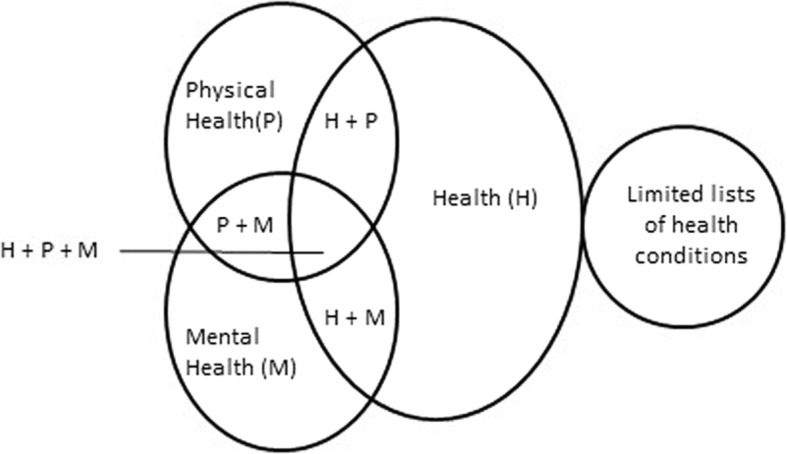
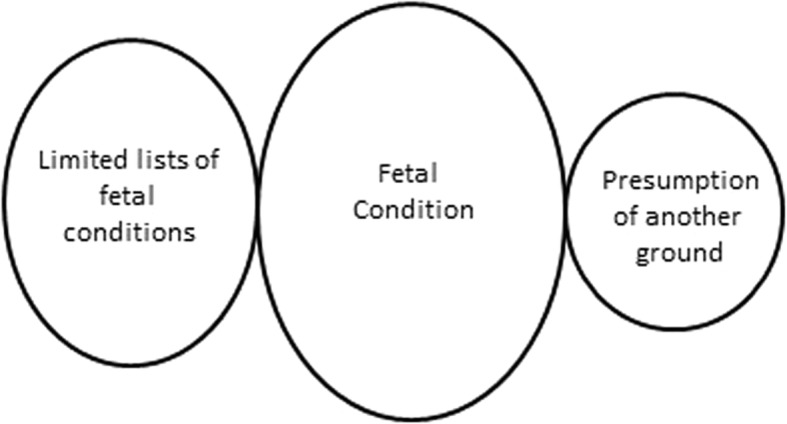
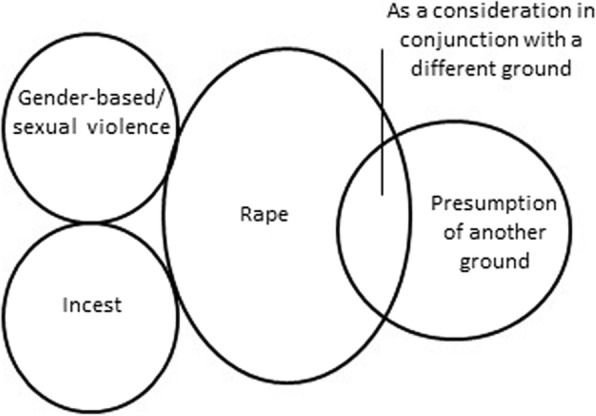
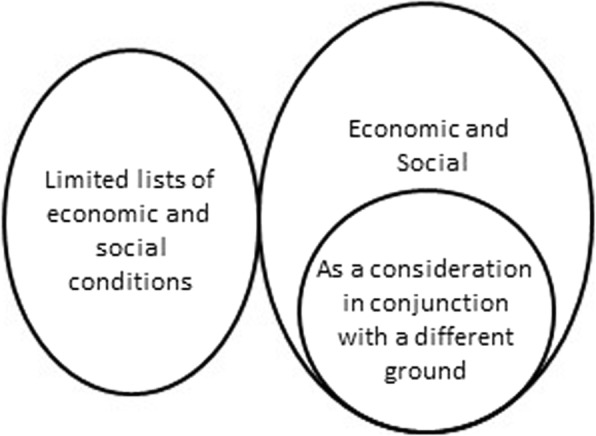
Results: 32% of countries allow or permit abortion at the woman's request with no requirement for justification. Approximately 82% of countries allow or permit abortion to save the woman's life. 64% of countries specify health, physical health and/or mental (or psychological) health. 51% allow or permit abortion based on a fetal condition, 46% of countries allow or permit abortion where the pregnancy is the result of rape, and 10% specify an economic or social ground. Laws may also specify several additional indications that are nonequivalent to a single legal ground.
Conclusions: The GAPD reflects details that exist within countries' laws and highlights the nuance within legal categories of abortion; no assumptions are made as to how laws are interpreted or applied in practice. By examining the text of the law, additional complexities related to the legal categories of abortion become more apparent.
Keywords: Abortion laws; Abortion legal categories; Abortion on request; Indications for abortion; Lawful abortion; Legal grounds.
Conflict of interest statement
Ethics approval and consent to participate
Not applicable.
Consent for publication
Not applicable.
Competing interests
BRJ and AFL are staff members in the World Health Organization Department of Reproductive Health and Research and the UNDP-UNFPA-UNICEF-WHO-World Bank Special Programme of Research, Development and Research Training in Human Reproduction (HRP), involved in the management of the Global Abortion Policies Database. SS is an HRP consultant who provides technical support for GAPD updates. The views expressed in this article are those of the authors and do not necessarily represent the views of, and should not be attributed to, the World Health Organization.
Publisher’s Note
Springer Nature remains neutral with regard to jurisdictional claims in published maps and institutional affiliations.
Figures
References
-
- Reagan LJ. When abortion was a crime: women, medicine, and law in the United States, 1867–1973. Berkeley: University of California Press; 1997.
-
- Sonbol A. Women, the family and divorce laws in Islamic history. New York: Syracuse: University Press; 1996.
-
- Resolution WHA20.41. Health aspects of population dynamics. In: Twentieth world health assembly, Geneva, 1967. Geneva, World Health Organization, 1967 (WHA20/1967/REC/1).
Publication types
MeSH terms
Grants and funding
LinkOut - more resources
Full Text Sources
Medical
Research Materials
