


Digital Weight Loss Intervention for Parents of Children Being Treated for Obesity: A Prospective Cohort Feasibility Trial
- PMID: 30573449
- PMCID: PMC6320402
- DOI: 10.2196/11093
Digital Weight Loss Intervention for Parents of Children Being Treated for Obesity: A Prospective Cohort Feasibility Trial
Abstract
Background: The prevalence of childhood obesity continues to increase, and clinic-based treatment options have failed to demonstrate effectiveness. One of the strongest predictors of child weight is parent weight. Parental treatment for weight loss may indirectly reduce obesity in the child. We have previously demonstrated the effectiveness among adults of a fully automated, evidence-based digital weight loss intervention (Track). However, it is unknown if it is feasible to deliver such a treatment directly to parents with obesity who bring their child with obesity to a weight management clinic for treatment.
Objective: The objective of our study was to evaluate the feasibility of and engagement with a digital weight loss intervention among parents of children receiving treatment for obesity.
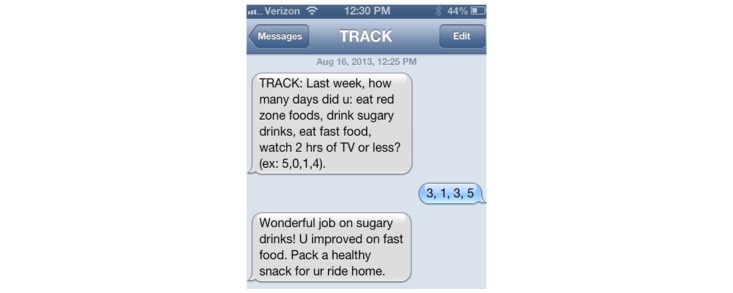
Methods: We conducted a 6-month pre-post feasibility trial among parents or guardians and their children aged 4-16 years presenting for tertiary care obesity treatment. Along with the standard family-based treatment protocol, parents received a 6-month digital weight loss intervention, which included weekly monitoring of personalized behavior change goals via mobile technologies. We examined levels of engagement by tracking completed weeks of self-monitoring and feasibility by assessing change in weight.
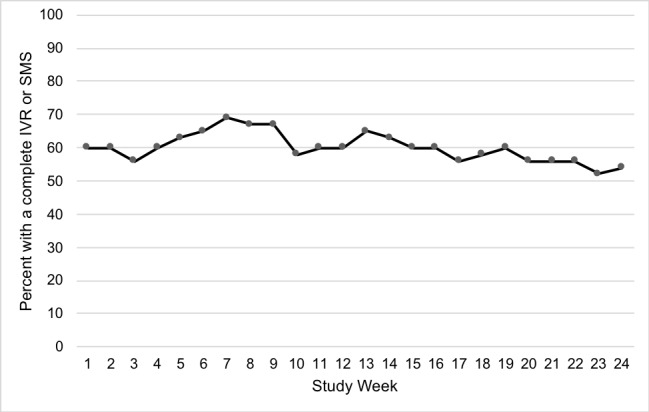
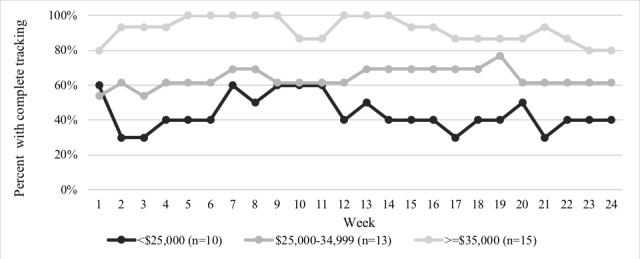
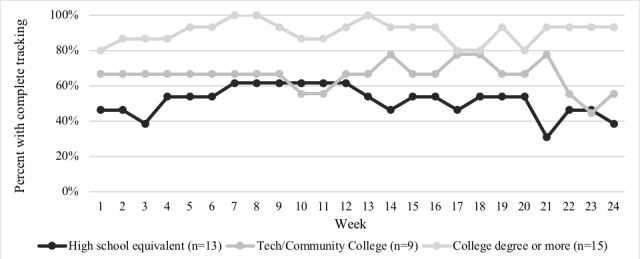
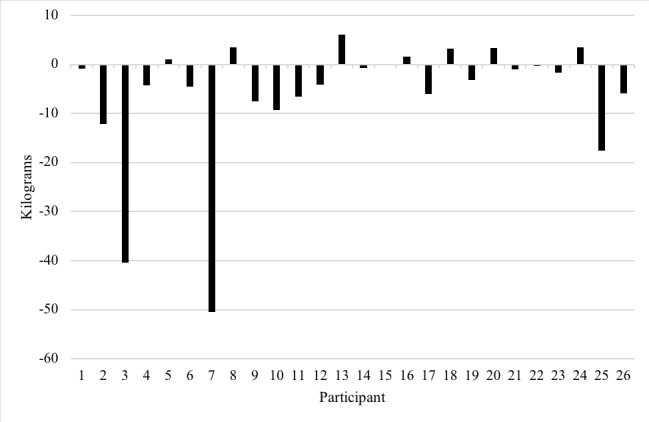
Results: Participants (N=48) were on average 39 years old, mostly female (35/42, 82% ), non-Hispanic Black individuals (21/41, 51%) with obesity (36/48, 75%). Over a quarter had a yearly household income of <US $25,000, and about a third had the equivalent of a high school education. Children were on average 10 years old and had a body mass index of 29.8 kg/m2. The median percentage of weeks participants tracked their behaviors was 77% (18.5/24 total weeks; interquartile range [IQR] 6.3 to 100). The median number of attempts via phone or text message (short message service) required to complete one tracking week was 3.3 (IQR 2.6 to 4.9). Nearly half (23/48, 48%) had high levels of engagement, completing 80% (19/24) or more weeks of tracking. Of the 26 participants with weight measurements reported at 6 months, of which 81% (21/26) were self-reported, there was a median 2.44 kg (IQR -6.5 to 1.0) decrease in weight.
Conclusions: It is feasible to deliver an evidence-based digital weight loss intervention to parents or guardians whose children are enrolled in a weight management program. Given the feasibility of this approach, future studies should investigate the effectiveness of digital weight loss interventions for parents on child weight and health outcomes.
Keywords: child; digital weight loss intervention; obesity; parent; self-monitoring; text; weight.
©Melissa C Kay, Jasmine Burroughs, Sandy Askew, Gary G Bennett, Sarah Armstrong, Dori M Steinberg. Originally published in the Journal of Medical Internet Research (http://www.jmir.org), 20.12.2018.
Conflict of interest statement
Conflicts of Interest: GGB is on the Nutrisystem advisory board and has equity in Coeus Health, LLC.
Figures
References
-
- Ogden C, Carroll M, Fryar C, Flegal K. Prevalence of Obesity Among Adults and Youth: United States, 2011-2014. NCHS Data Brief. 2015 Nov;(219):1–8. https://www.cdc.gov/nchs/data/databriefs/db219.pdf - PubMed
-
- Skinner A, Ravanbakht S, Skelton J, Perrin E, Armstrong S. Prevalence of Obesity and Severe Obesity in US Children, 1999-2016. Pediatrics. 2018 Mar;141(3):1–11. doi: 10.1542/peds.2017-3459. http://europepmc.org/abstract/MED/29483202 peds.2017-3459 - DOI - PMC - PubMed
