


The role of neutrophil granulocytes in immune-to-brain communication
- PMID: 30574524
- PMCID: PMC6298491
- DOI: 10.1080/23328940.2018.1538598
The role of neutrophil granulocytes in immune-to-brain communication
Abstract
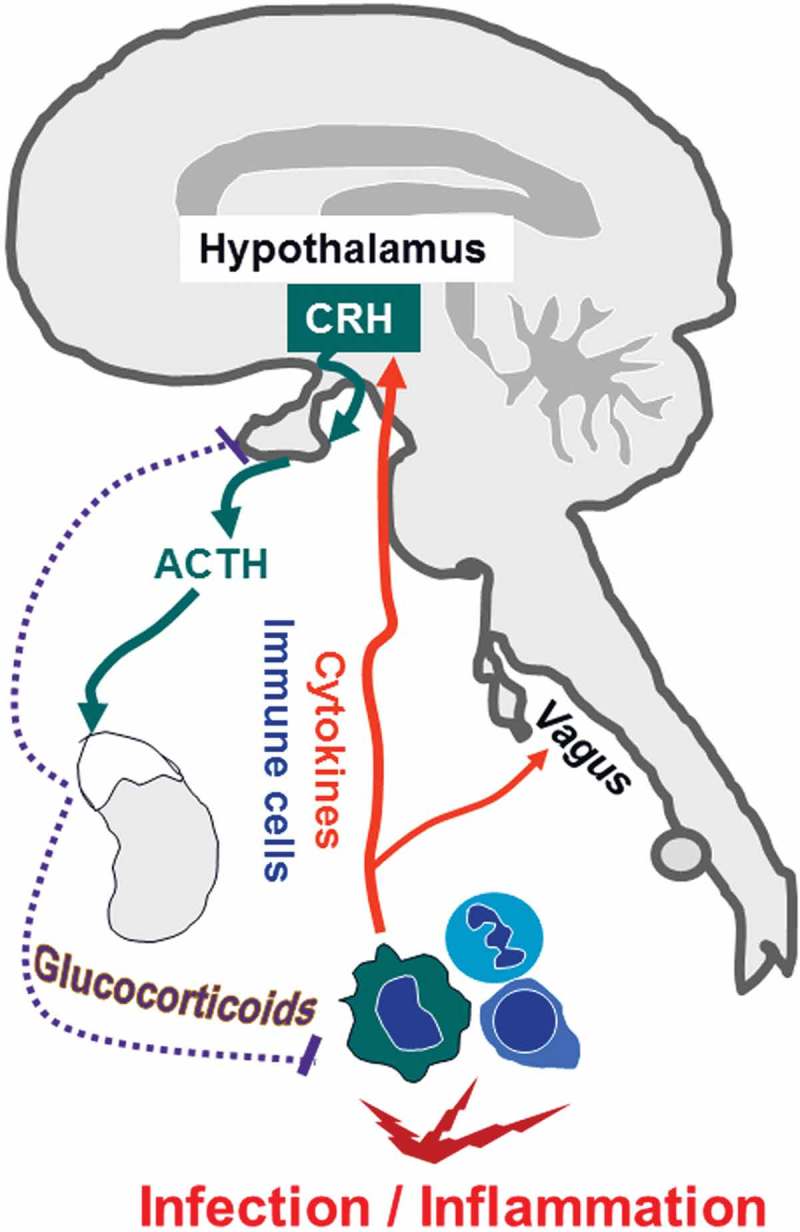
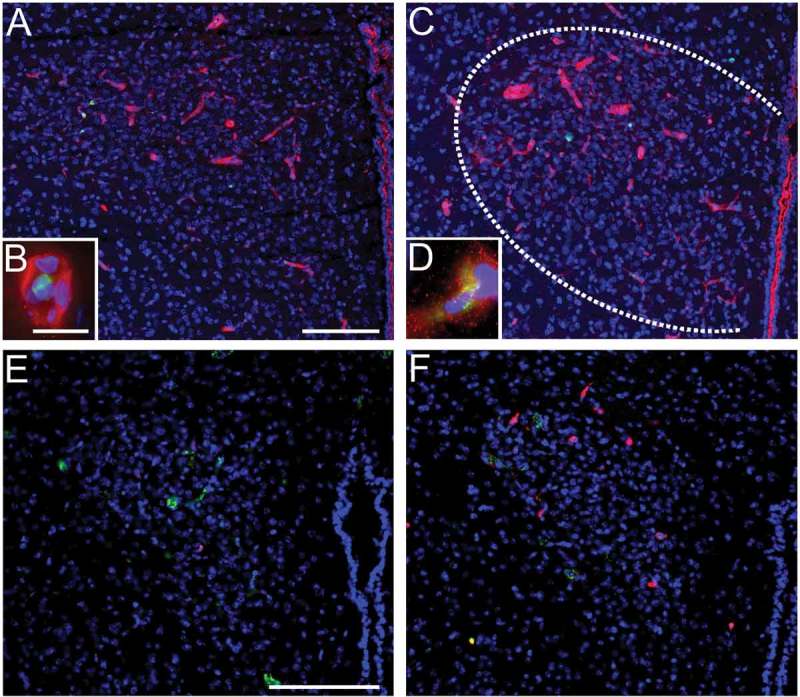
Immune-to-brain communication has been studied in a variety of experimental models. Crucial insights into signalling and mechanisms were previously revealed in studies investigating fever induction pathways. The scientific community has primarily focused on neuronal and humoral pathways in the manifestation of this response. Emerging evidence has now shown that immune-to-brain signalling via immune cells is pivotal for normal brain function and brain pathology. The present manuscript aims to provide a brief overview on the current understanding of how immune cells signal to the brain. Insights are summarized on the potential physiological significance of some immune cells signalling from the periphery to the brain. A particular focus is laid on the role of neutrophil granulocytes. As such, IL-1β expressing neutrophil granulocytes have been shown to transfer inflammatory information to the brain and contribute to prolonged behavioural changes due to septic encephalopathy in rats during severe systemic inflammation induced by the bacterial component and TLR4 agonist lipopolysaccharide. Modulation of immune cell recruitment to the brain is discussed by various confounding factors including sleep, exercise, the nutritional status e.g. obesity, leptin and omega 3 fatty acids, and psychological or inflammatory stressors. The physiological significance of immune cell mediated communication between the immune system and the brain is highlighted by the fact that systemic inflammatory insults can exacerbate ongoing brain pathologies via immune cell trafficking. New insights into mechanisms and mediators of immune cell mediated immune-to-brain communication are important for the development of new therapeutic strategies and the better understanding of existing ones. Abbreviations: ACTH: adrenocorticotropic hormone; BBB: blood-brain barrier; BBI: blood-brain interface; CD: cluster of differentiation; CINC: cytokine-induced neutrophil chemoattractant; CRH: corticotropin releasing hormone; CVOs: circumventricular organs; CXCR: chemokine receptor; DAPI: 40:6-diamidino-2-phenylindole dilactate; DHA: docosahexaenoid acid; ICAM: intracellular adhesion molecule; IL: interleukin; i.p.: intraperitoneal; i.v.: intravenous; KC: keratinocytes-derived chemokine; LPS: lipopolysaccharide; MIP: macrophage inflammatory protein; MS: multiple sclerosis; NFκB: nuclear factor kappa B; NF-IL6: nuclear factor IL-6; PCTR: protectin conjugates in tissue regeneration; PG: prostaglandin; p.i.: post injection; PVN: paraventricular nucleus; ra: receptor antagonist; STAT3: signal transducer and activator of transcription 3; TIMP: tissue inhibitors of metalloproteinases; TLR: toll-like receptor; TNFα: tumor necrosis factor alpha.
Keywords: Immune-to-brain communication; cytokines; extravasation; immune cell trafficking; inflammatory transcription factors; leptin; macrophages; neutrophil granulocytes; systemic inflammation.
Figures
References
-
- Barker CF, Billingham RE. Immunologically privileged sites. Adv Immunol. 1977;25:1–54. PMID: 345773. - PubMed
-
- Rummel C. Inflammatory transcription factors as activation markers and functional readouts in immune-to-brain communication [Review]. Brain Behav Immun. 2016;54:1–14. PMID: 26348582. - PubMed
Publication types
LinkOut - more resources
Full Text Sources
Research Materials
Miscellaneous
