. 2018 Dec 21;13(12):e0209489.
doi: 10.1371/journal.pone.0209489. eCollection 2018.

Mitochondrial genome and functional defects in osteosarcoma are associated with their aggressive phenotype

Affiliations

Mitochondrial genome and functional defects in osteosarcoma are associated with their aggressive phenotype

Martina Jackson et al. PLoS One. .

Abstract

Osteosarcoma (OSA) is an aggressive mesenchymal tumor of the bone that affects children and occurs spontaneously in dogs. Human and canine OSA share similar clinical, biological and genetic features, which make dogs an excellent comparative model to investigate the etiology and pathogenesis of OSA. Mitochondrial (mt) defects have been reported in many different cancers including OSA, although it is not known whether these defects contribute to OSA progression and metastasis. Taking a comparative approach using canine OSA cell lines and tumor tissues we investigated the effects of mtDNA content and dysfunction on OSA biology. OSA tumor tissues had low mtDNA contents compared to the matched non-tumor tissues. We observed mitochondrial heterogeneity among the OSA cell lines and the most invasive cells expressing increased levels of OSA metastasis genes contained the highest amount of mitochondrial defects (reduced mtDNA copies, mt respiration, and expression of electron transport chain proteins). While mitochondria maintain a filamentous network in healthy cells, the mitochondrial morphology in OSA cells were mostly "donut shaped", typical of "stressed" mitochondria. Moreover the expression levels of mitochondrial retrograde signaling proteins Akt1, IGF1R, hnRNPA2 and NFkB correlated with the invasiveness of the OSA cells. Furthermore, we demonstrate the causal role of mitochondrial defects in inducing the invasive phenotype by Ethidium Bromide induced-mtDNA depletion in OSA cells. Our data suggest that defects in mitochondrial genome and function are prevalent in OSA and that lower mtDNA content is associated with higher tumor cell invasiveness. We propose that mt defects in OSA might serve as a prognostic biomarker and a target for therapeutic intervention in OSA patients.


Conflict of interest statement

Merial LTD provided a grant to author NS. This does not alter our adherence to PLOS ONE policies on sharing data and materials.

Figures
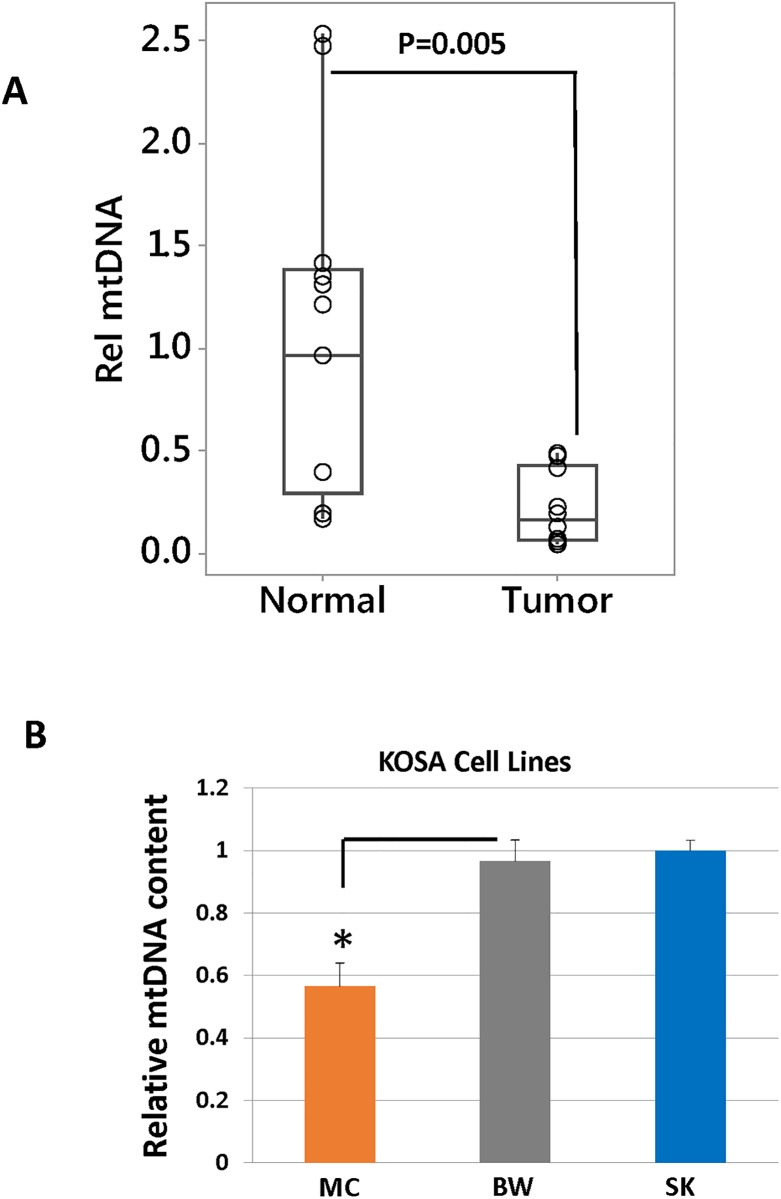
Fig 1
Fig 1. Differences in mtDNA content in OSA cell lines and tissue samples.
Real time PCR showing relative mtDNA levels in (A) OSA tumor tissues (n = 10) and matched non-tumor tissues (n = 10), (B) MtDNA estimation in OSA cell lines using real time PCR. The mtDNA content (y-axis) is quantified from total DNA as the copy number of mtDNA gene CcO1, normalized to the copy number of nuclear single copy gene CcOIVi1.
Fig 2
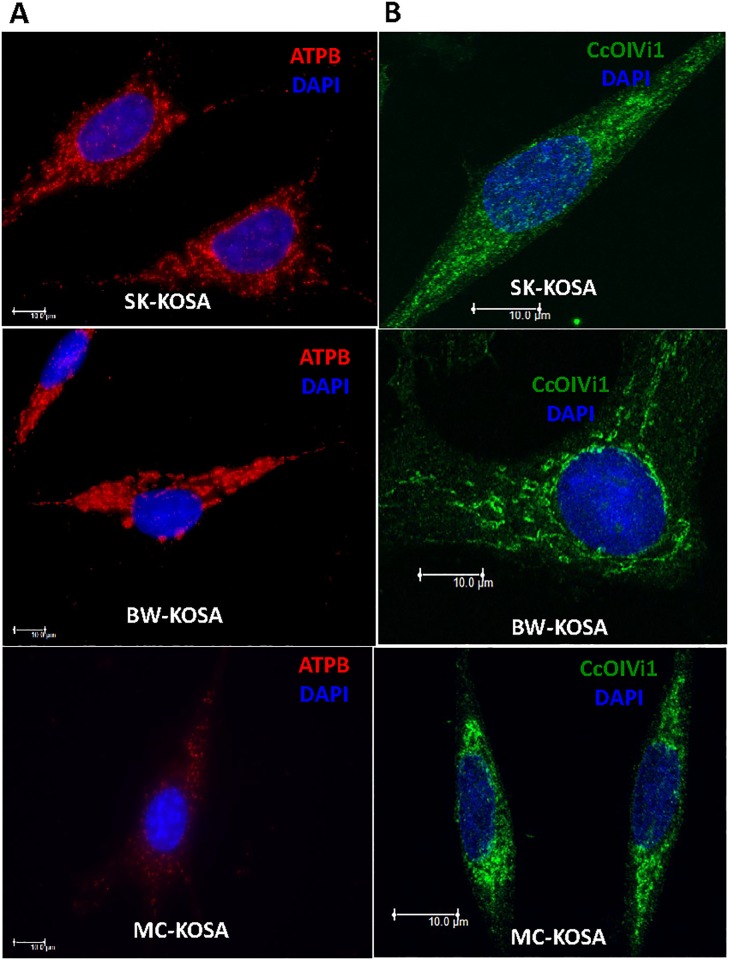
Fig 2. Expression of electron transport chain proteins in OSA cell lines.
(A) Immunofluorescence images showing ATPB (an electron transport chain protein in red) and nuclei (DAPI, blue) staining pattern in parental OSA cell lines. (B) OSA cell lines stained for CcOIVi1 (green) and nuclei (DAPI, blue). Scale bar: 10μm, magnification 100x.
Fig 3
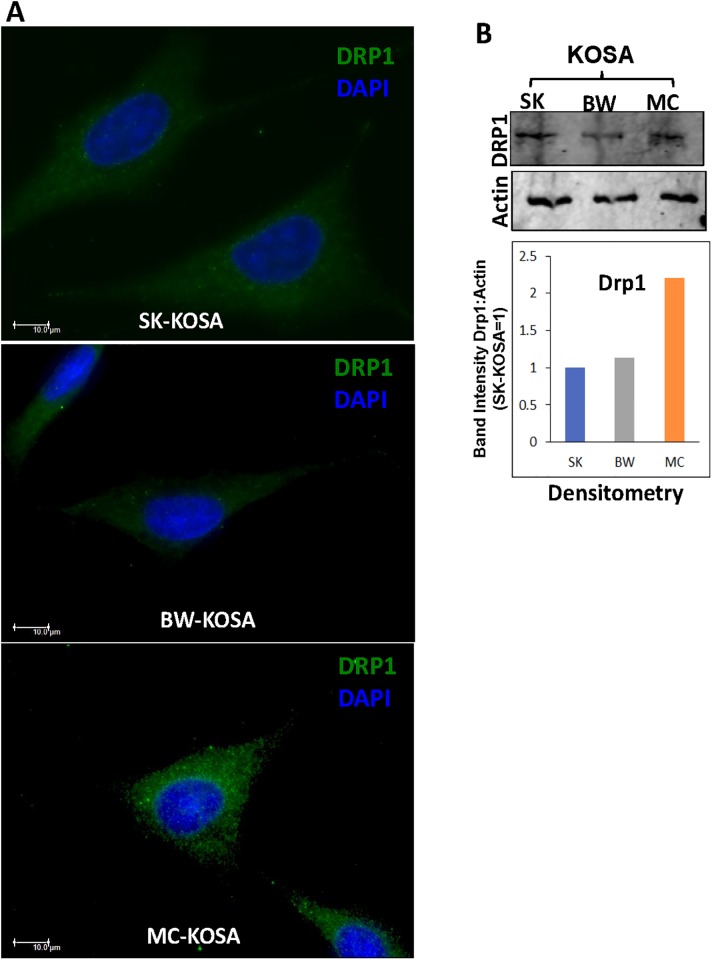
Fig 3. Altered expression of mitochondrial fission marker in OSA cell lines.
(A) Immunocytochemistry of OSA cell lines stained for mitochondrial fission marker protein Drp1 (green) and nuclei (DAPI, blue) viewed under a Leica widefield microscope. Scale bar: 10μm, magnification 100x. (B) Top panel: Western Immunoblot showing high DRP1 protein levels in MC-KOSA relative to SK-KOSA and BW-KOSA. Bottom Panel: Quantitation (densitometry) of the protein levels from the western immunoblot.
Fig 4
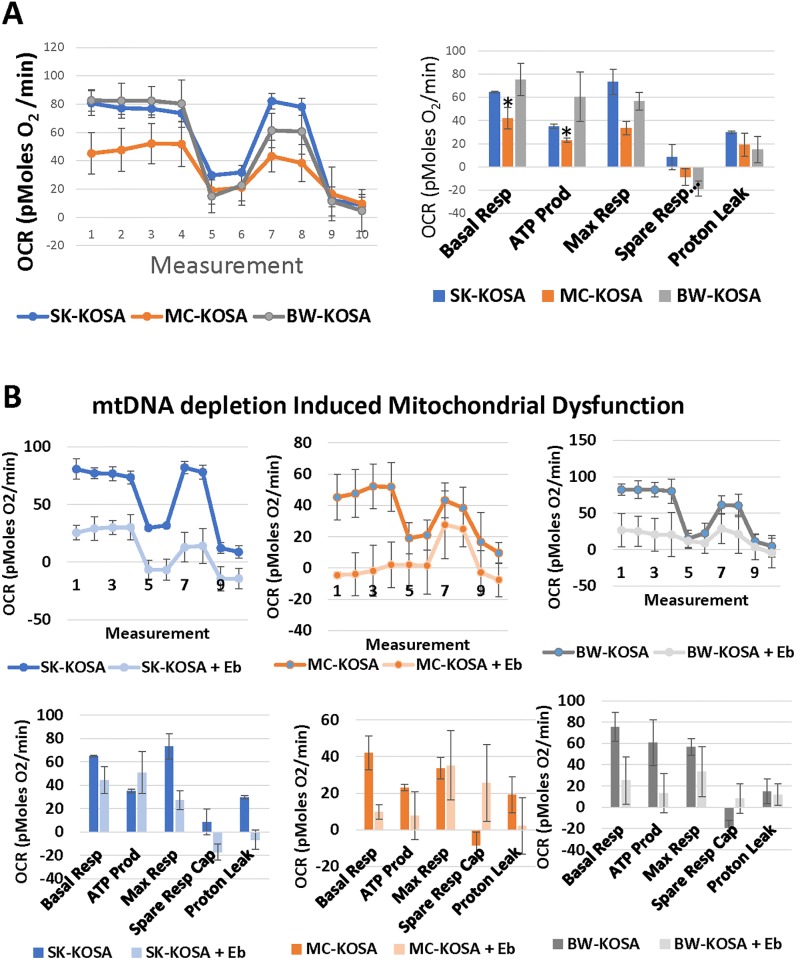
Fig 4. Heterogeneity in cellular respiratory capacity in parental and mtDNA-depleted OSA cell lines.
(A) Seahorse XF24 was used to analyze differences in respiration parameters among parental OSA cell lines and (B) among parental OSA cell lines compared to mtDNA-depleted cell lines. Oligomycin (2 μg/mL) was added at step 4, FCCP (0.3 μM) at step 6, and Rotenone (1 μM) at step 8.
Fig 5
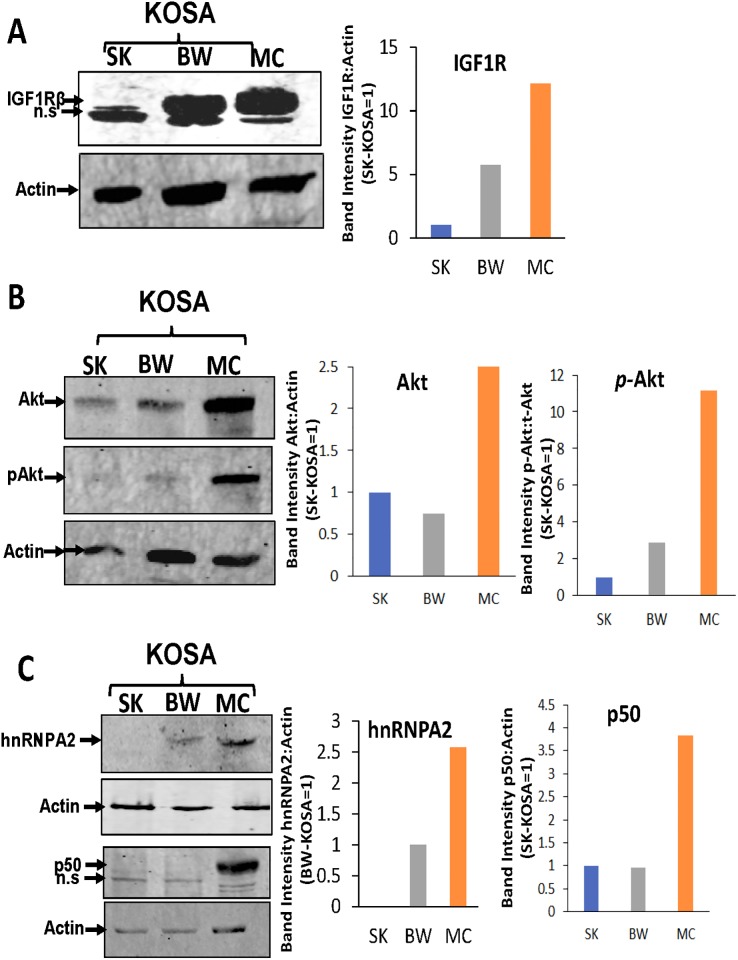
Fig 5. Induction of MtRS marker proteins in OSA cell lines.
Western blot showing the expression levels of MtRS marker proteins: (A) IGF-1R, (B) Akt and (C) hnRNPA2 and p50 in total cell lysate. n.s = non-specific.
Fig 6
Fig 6. Prognostic marker expression in OSA cell lines.
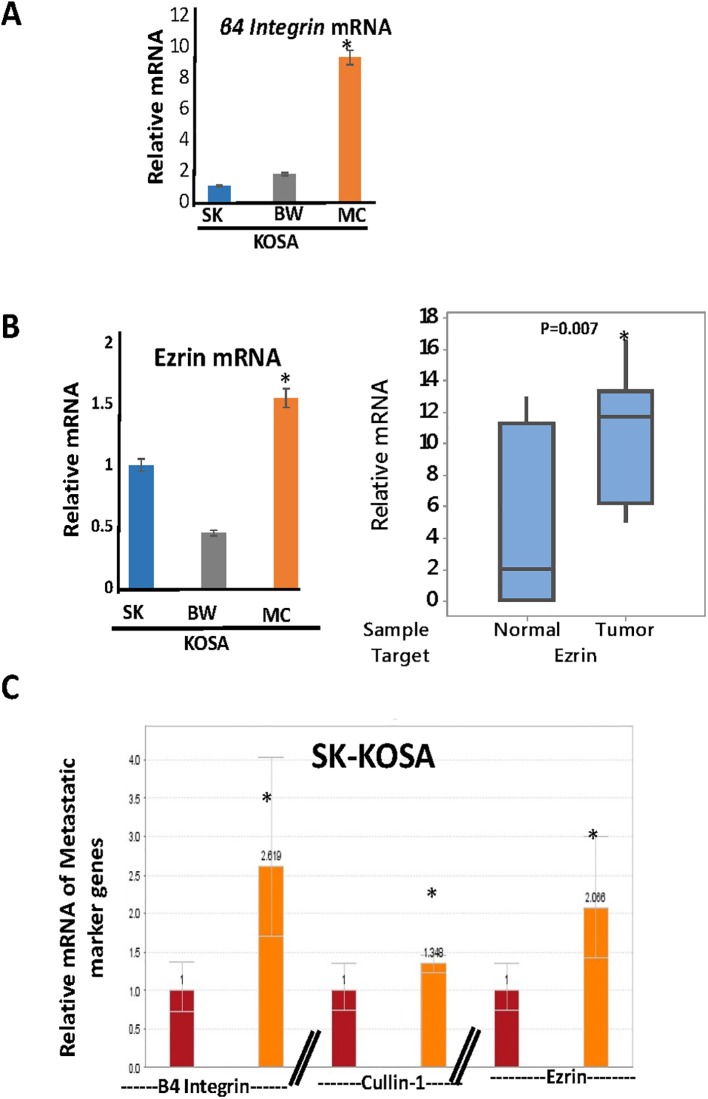
(A) Real time PCR of mRNA was used to quantify expression levels of the metastasis gene β4 Integrin in three OSA cell lines. (B) Real time PCR of mRNA was used to quantify expression levels of the metastasis gene Ezrin in three OSA cell lines (left) and canine non-tumor and tumor tissues (right). (C) Expression levels of the three marker genes of aggressive OSA, β4 Integrin, Cullin-1, and Ezrin were quantified using real time PCR of mRNA from SK-KOSA and mtDNA-depleted SK-KOSA.
Fig 7
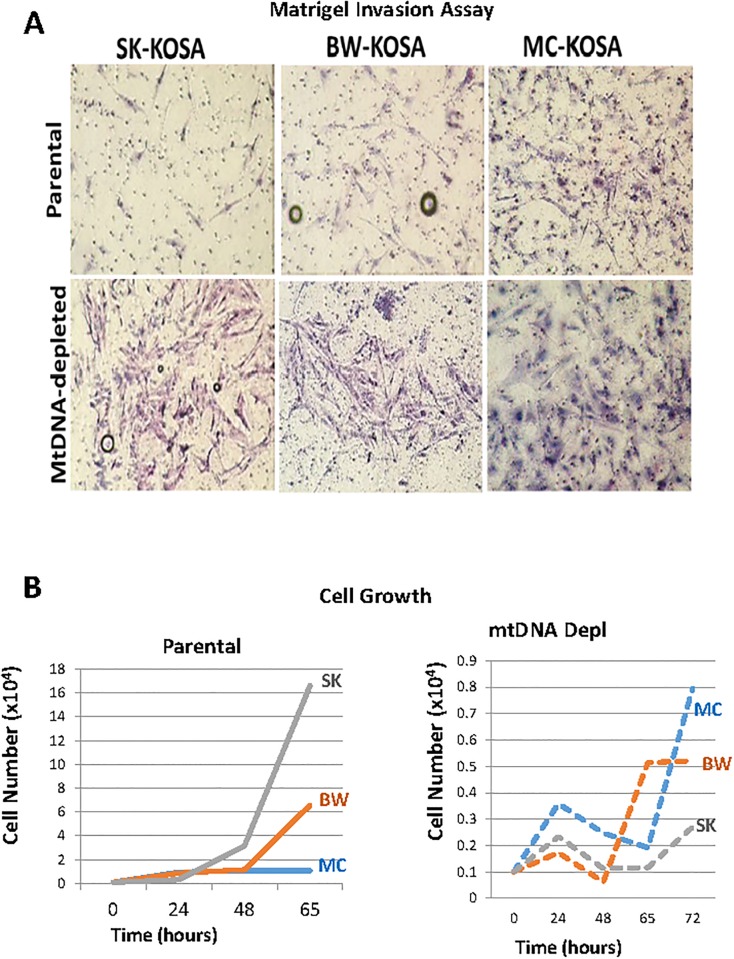
Fig 7. Acquired Invasive potential in mtDNA depleted cells.
(A) Invasive potential of three parental OSA cell lines compared to three mtDNA-depleted OSA cell lines as observed in a Matrigel invasion assay. (B) Plot of the growth rate of three parental OSA and mtDNA-depleted OSA cell lines over the course of 72 hours.

References

    1. Mueller F, Fuchs B, Kaser-Hotz B. Comparative biology of human and canine osteosarcoma. Anticancer Res. 2007;27: 155–164. - PubMed
    1. Withrow SJ, Powers BE, Straw RC, Wilkins RM. Comparative aspects of osteosarcoma: Dog versus man. Clin Orthop Relat Res. 1991: 159–168. - PubMed
    1. Federman N, Bernthal N, Eilber FC, Tap WD. The Multidisciplinary Management of Osteosarcoma. Curr Treat Options Oncology. 2009; 10:82–93. 10.1007/s11864-009-0087-3 - DOI - PubMed
    1. Selvarajah GT, Kirpensteijn J. Prognostic and predictive biomarkers of canine osteosarcoma. Vet J. 2010; 185:28–35. 10.1016/j.tvjl.2010.04.010 - DOI - PubMed
    1. Liptak JM, Dernell WS, Straw RC, Rizzo SA, Lafferty MH, Withrow SJ. Proximal Radial and Distal Humeral Osteosarcoma in 12 Dogs. J Am Anim Hosp Assoc. 2004; 40:461–7. 10.5326/0400461 - DOI - PubMed

Publication types

MeSH terms