


Telerehabilitation in Multiple Sclerosis: Results of a Randomized Feasibility and Efficacy Pilot Study
- PMID: 30588276
- PMCID: PMC6296802
- DOI: 10.5195/ijt.2018.6256
Telerehabilitation in Multiple Sclerosis: Results of a Randomized Feasibility and Efficacy Pilot Study
Abstract
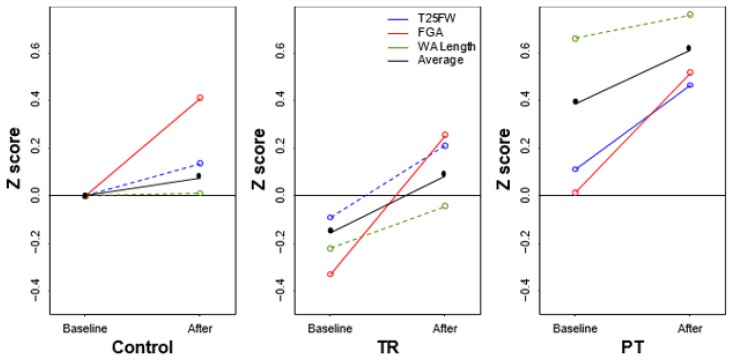
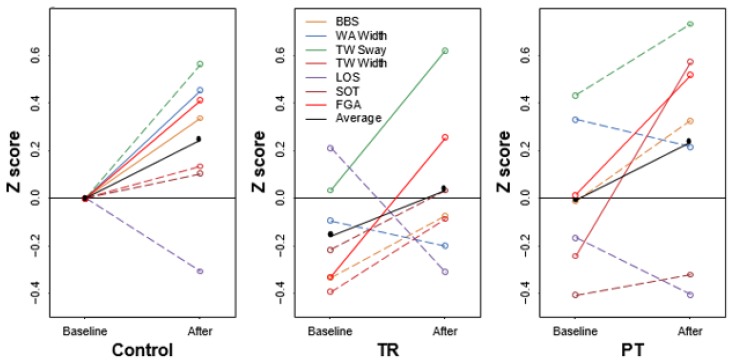
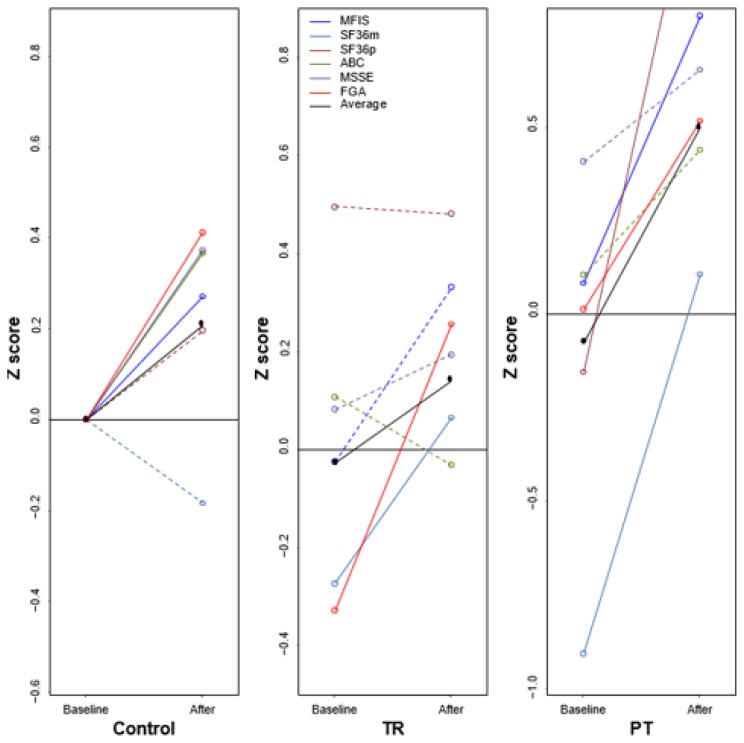
A prospective, randomized, three-arm, evaluator blinded study to demonstrate the feasibility of a telerehabilitation (TR) program in individuals with ambulatory deficits secondary to Multiple Sclerosis (MS) and evaluate its efficacy when compared to conventional on-site physical therapy (PT) was completed. Thirty participants were evaluated at baseline and randomized to one of three groups with intervention lasting 8 weeks: Group 1 (control)- customized unsupervised home-based exercise program (HEP) 5 days a week; Group 2 (TR)- remote PT supervised via audio/visual real-time telecommunication twice weekly; Group 3 (PT)- in-person PT at the medical facility twice weekly. Outcomes included patient reported outcomes (PROs) obtained through questionnaires, and measurements of gait and balance performed with bedside tests and a computerized system. Functional gait assessment improved from baseline in all three groups. There were no significant differences between the TR and the conventional PT groups for a variety of outcome measures. TR is a feasible method to perform PT in persons with MS and has comparable efficacy to conventional in-person PT as measured by patient reported outcomes and objective outcomes of gait and balance.
Keywords: Balance; Gait; Multiple Sclerosis; Telerehabilitation.
Figures
References
-
- Berg KO, Wood-Dauphinee SL, Williams JI, Maki B. Measuring balance in the elderly: Validation of an instrument. Canadian Journal of Public Health. 1992;83(Suppl 2):S7–11. - PubMed
-
- Burke TN, Franca FJ, Ferreira de Meneses SR, Cardoso VI, Marques AP. Postural control in elderly persons with osteoporosis: Efficacy of an intervention program to improve balance and muscle strength: A randomized controlled trial. American Journal of Physical Medicine & Rehabilitation. 2010;89:549–556. doi: 10.1097/PHM.0b013e3181ddccd2. - DOI - PubMed
-
- Dlugonski D, Moll RW, Mohr DD, Sandroff BM. Internet-delivered behavioral intervention to increase physical activity in persons with multiple sclerosis: Sustainability and secondary outcomes. Psychology, Health & Medicine. 2012;17:636–51. - PubMed
LinkOut - more resources
Full Text Sources
Medical
Miscellaneous