


Effects of oral activated charcoal on hyperphosphatemia and vascular calcification in Chinese patients with stage 3-4 chronic kidney disease
- PMID: 30588573
- PMCID: PMC6422957
- DOI: 10.1007/s40620-018-00571-1
Effects of oral activated charcoal on hyperphosphatemia and vascular calcification in Chinese patients with stage 3-4 chronic kidney disease
Abstract
Background: The relationship between oral activated charcoal (OAC) and hyperphosphatemia and vascular calcification is not completely clear. We observed and recorded the effects of OAC on hyperphosphatemia and vascular calcification in stage 3-4 chronic kidney disease (CKD).
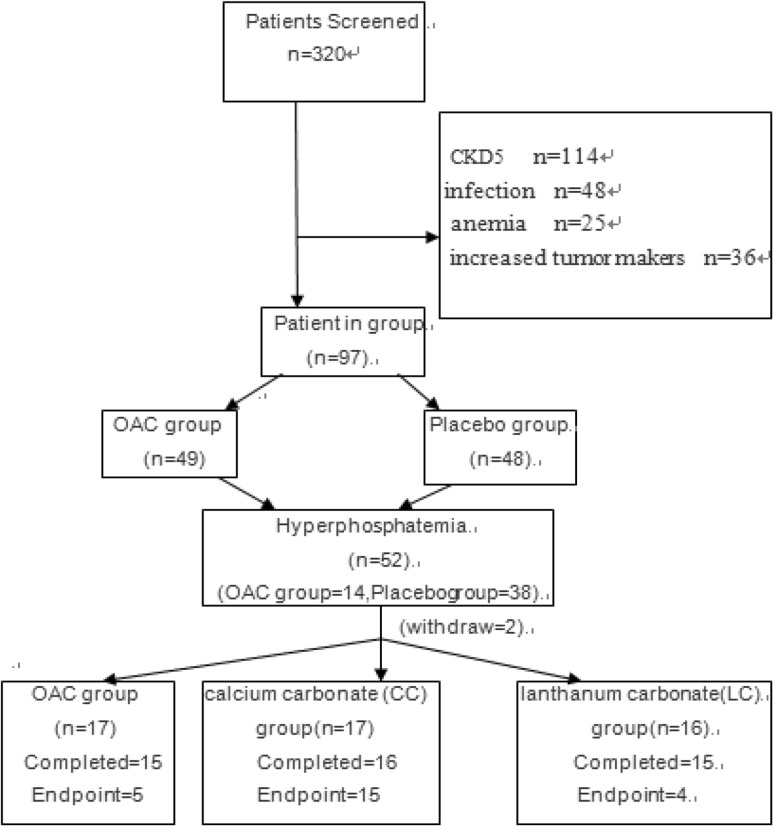
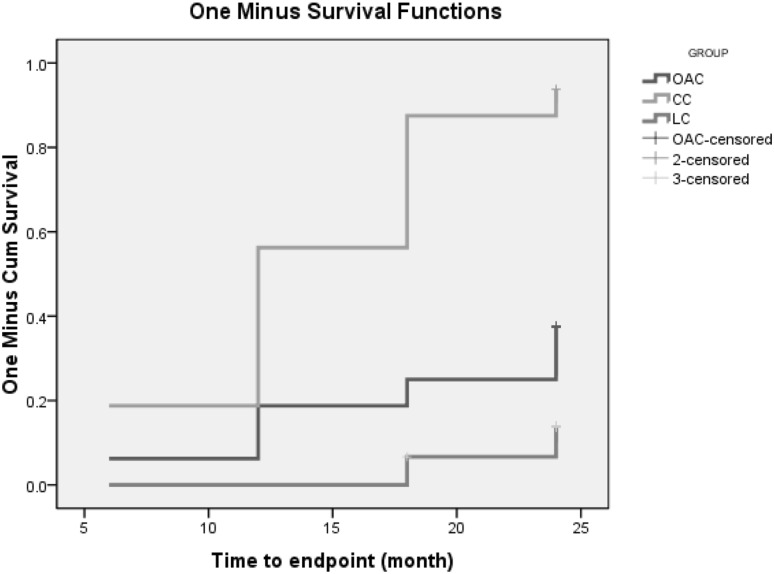
Methods: In a randomized controlled study, we included 97 patients with stage 3-4 CKD. In the first phase of the experiment, the patients were randomly divided into the OAC group and placebo group. The endpoint of this phase was the development of hyperphosphatemia. The patients with hyperphosphatemia were selected into the second phase of the study. These patients underwent coronary artery multidetector computed tomography (MDCT) and were randomly divided into three groups: the OAC group, the calcium carbonate (CC) group and the lanthanum carbonate (LC) group.
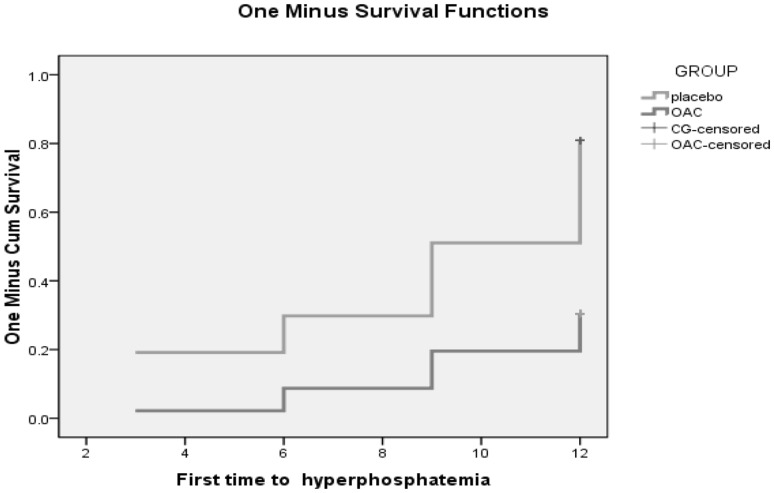
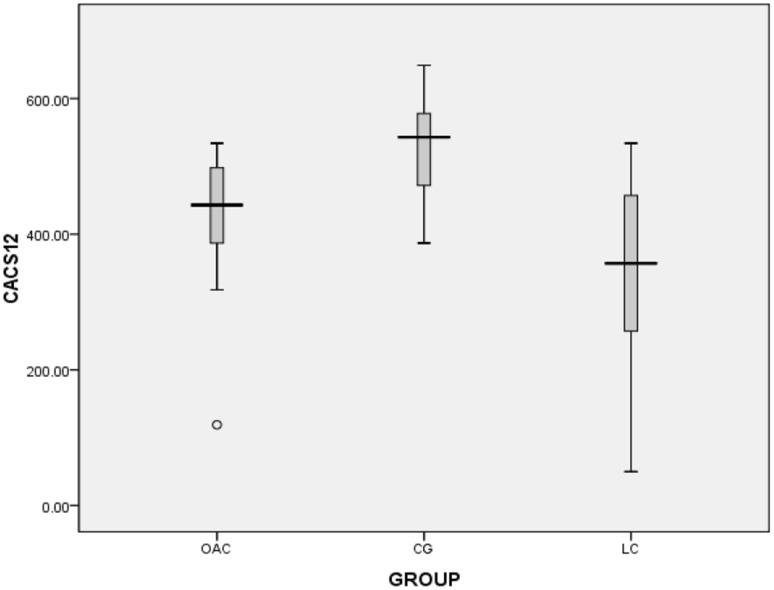
Results: The first and second phases of the experiment were followed for 12 months. In the first phase of the experiment, there was a statistically significant difference in the proportion of patients with hyperphosphatemia between the OAC and placebo groups (28.57% vs. 79.17%, X2 = 24.958, P = 0.000). In the second phase, the differences in coronary calcification score (CACS) between the OAC group, the CC group and the LC group were statistically significant (525.5 ± 104.2 vs 688.1 ± 183.7 vs 431.4 ± 122.5, P < 0.01).
Conclusion: Oral activated charcoal effectively delays the onset of hyperphosphatemia in patients with chronic kidney disease. OAC appears to delay the development of vascular calcifications in stage 3-4 CKD patients.
Keywords: Activated charcoal; Chronic kidney disease (CKD); Hyperphosphatemia; Vascular calcification.
Conflict of interest statement
Conflict of interest
There is no potential conflict of interest between authors.
Ethical statement
This article is the result of our independent research work. Except for the contents quoted in the article, this paper does not contain the results of any other people or collectively published works.
Informed consent
This research involve human participants, they have signed the informed consent.
Figures



References
-
- Kumar V, Yadav AK, Singhal M, et al. Vascular function and cholecalciferol supplementation in CKD: a self-controlled case series. J Steroid Biochem Mol Biol. 2018 - PubMed
Publication types
MeSH terms
Substances
LinkOut - more resources
Full Text Sources
Medical
