


Cardiovascular health in young and middle adulthood and medical care utilization and costs at older age - The Chicago Heart Association Detection Project Industry (CHA)
- PMID: 30594534
- PMCID: PMC6434936
- DOI: 10.1016/j.ypmed.2018.12.024
Cardiovascular health in young and middle adulthood and medical care utilization and costs at older age - The Chicago Heart Association Detection Project Industry (CHA)
Abstract
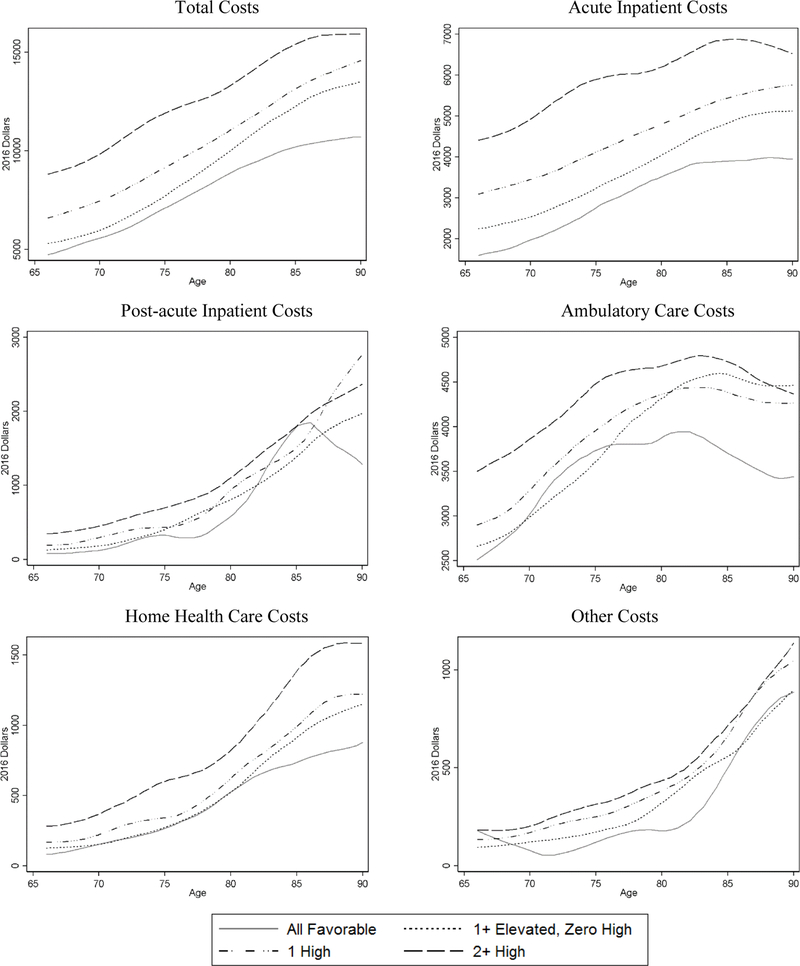
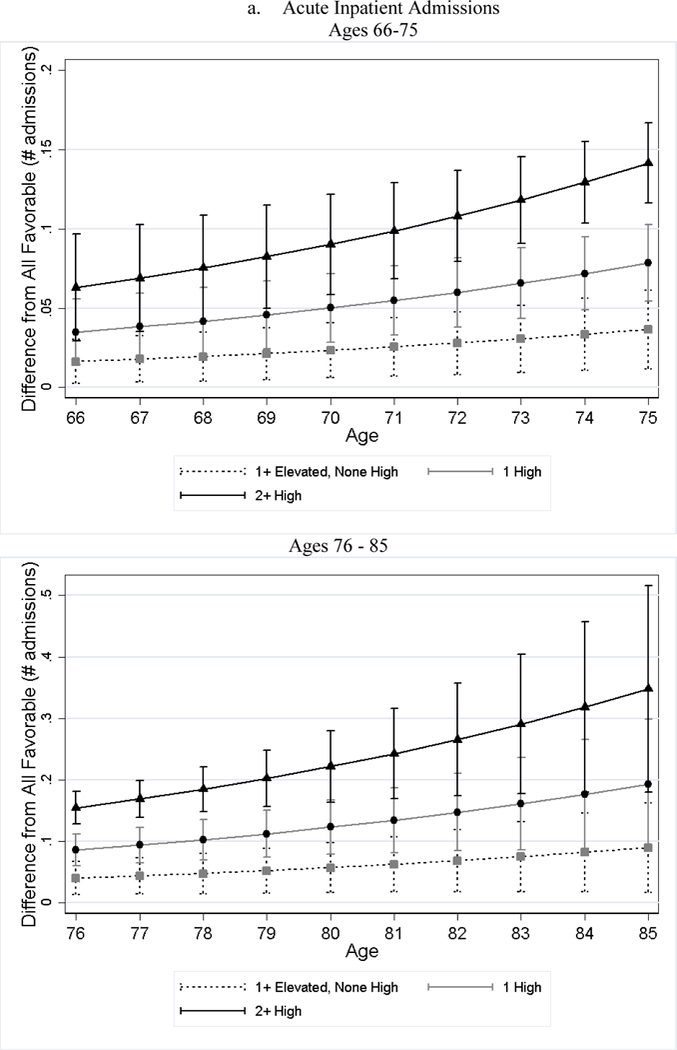
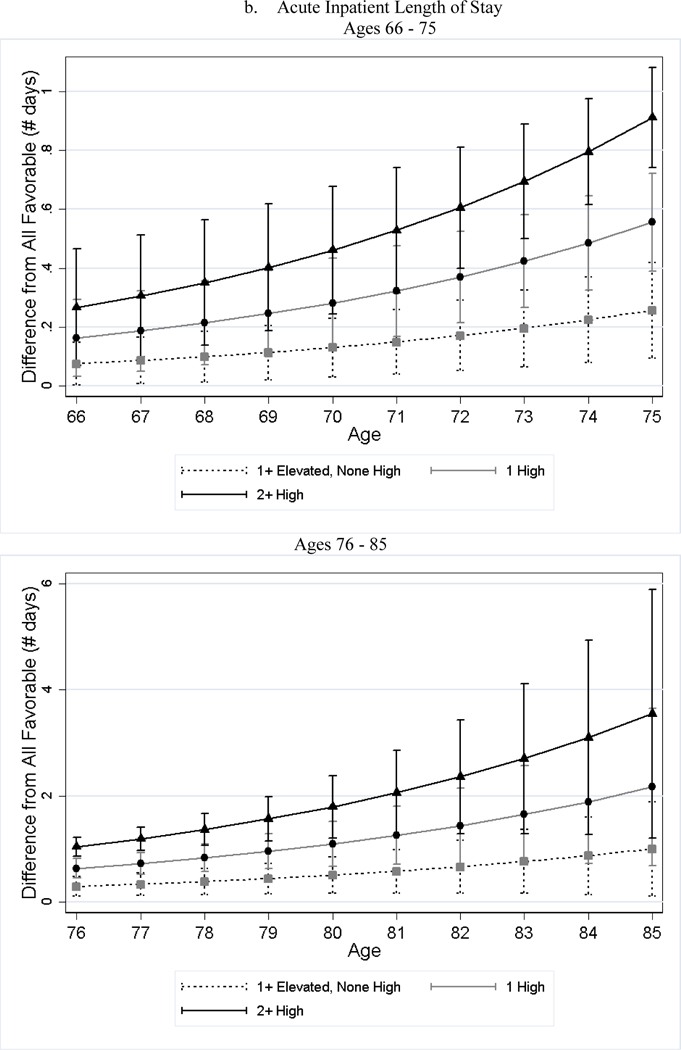
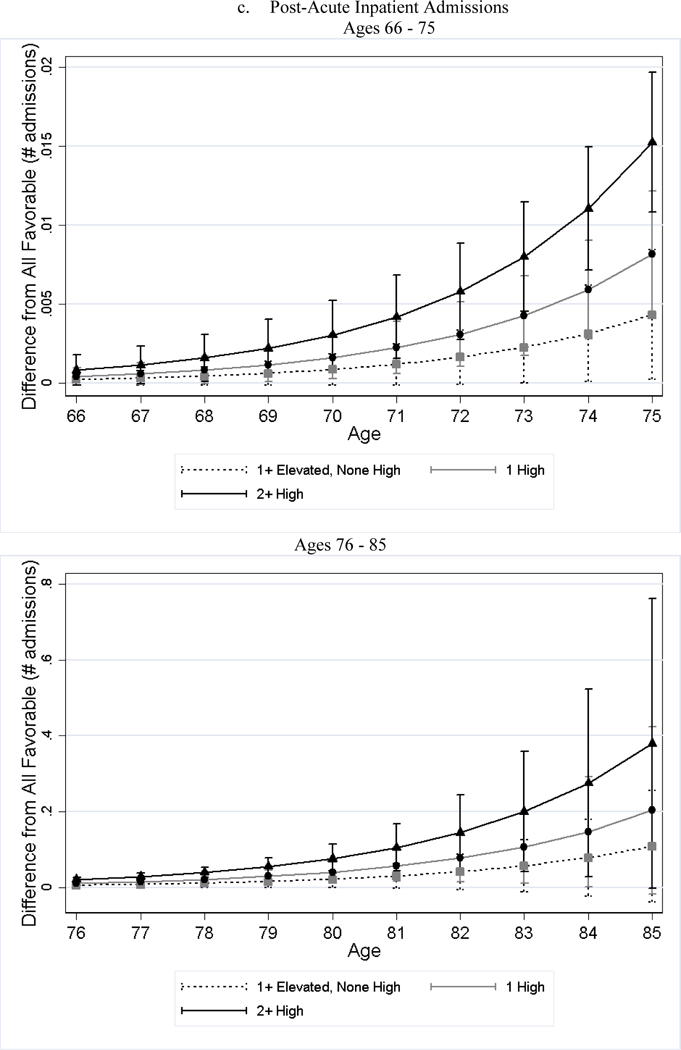
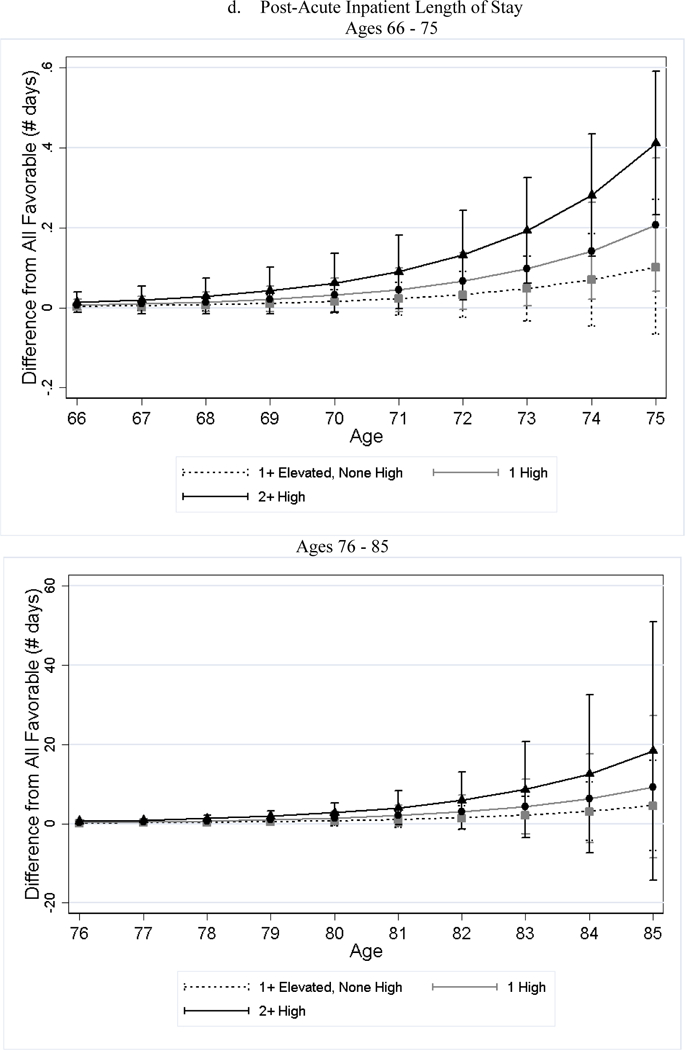
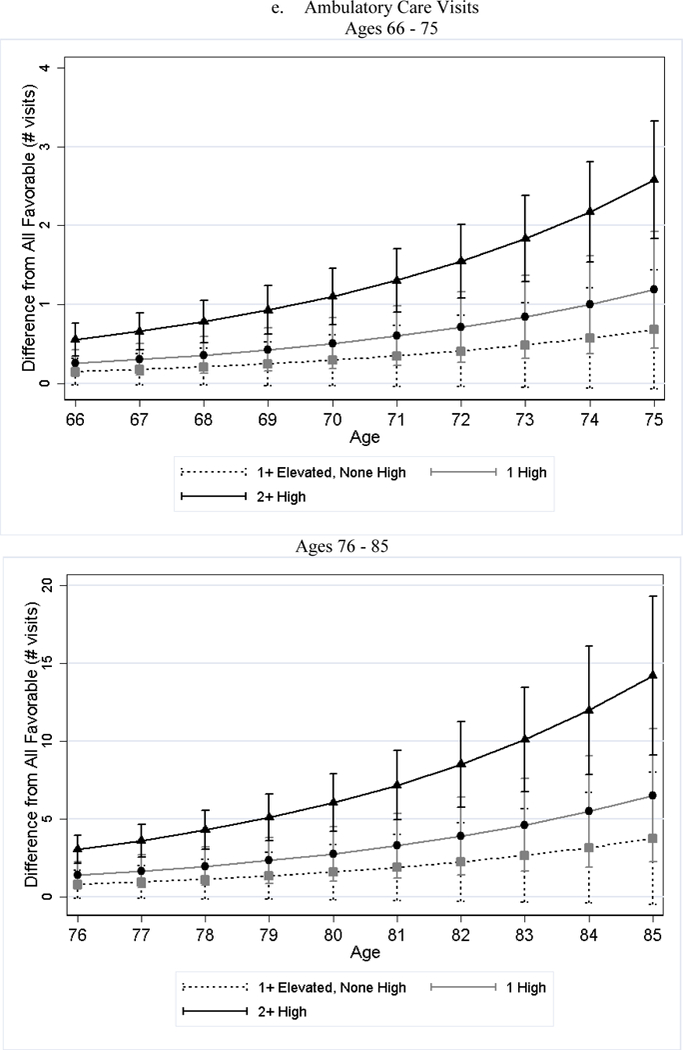
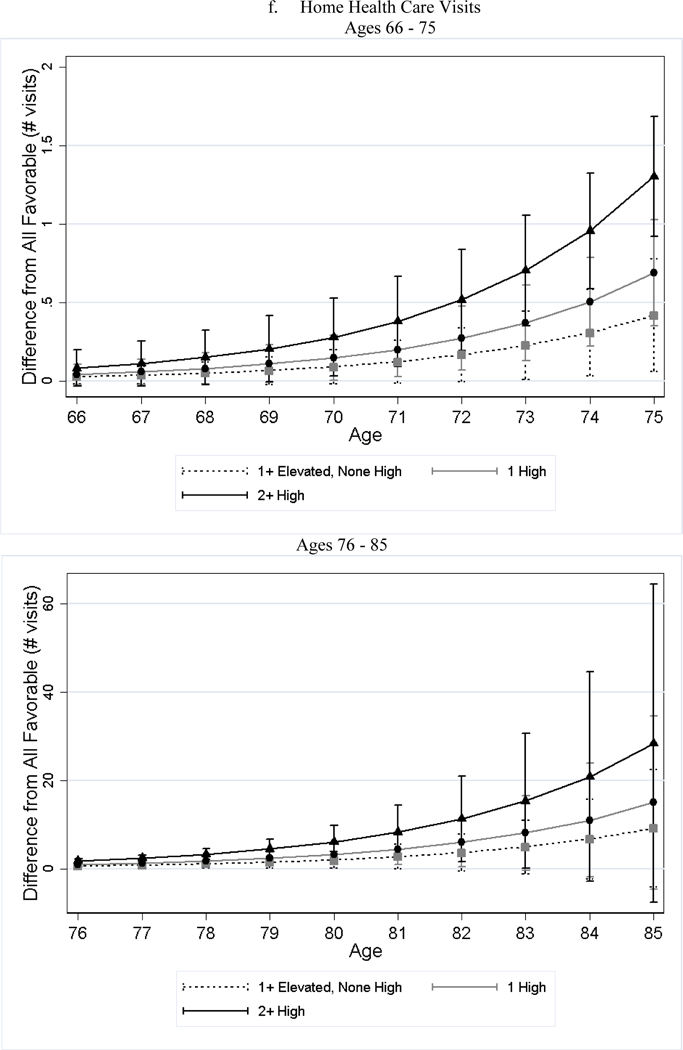
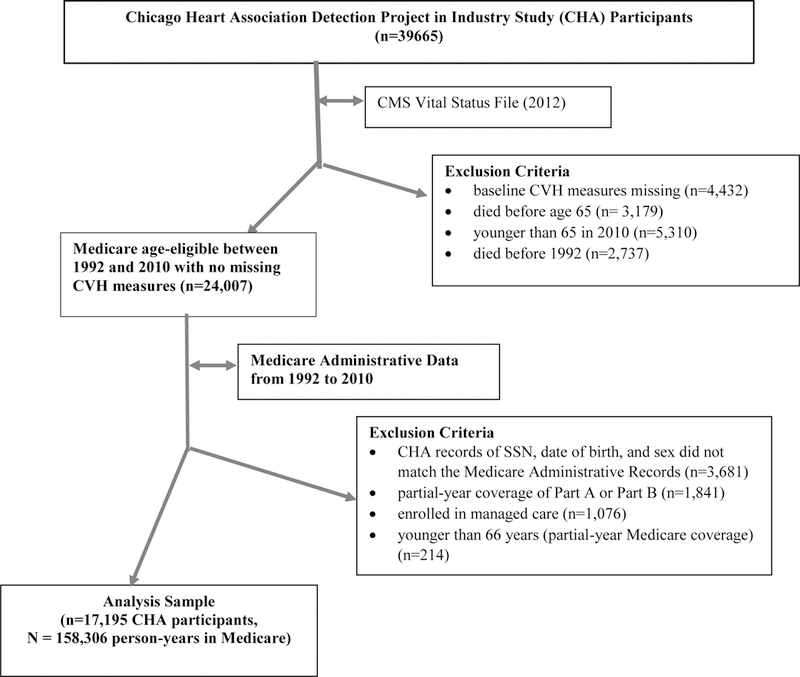
It is unclear how long-term medical utilization and costs from diverse care settings and their age-related patterns may differ by cardiovascular health (CVH) status earlier in adulthood. We followed 17,195 participants of the Chicago Heart Association Detection Project Industry (1967-1973) with linked Medicare claims (1992 to 2010). Baseline CVH is a composite measure of blood pressure, body mass index, diabetes, cholesterol, and smoking and includes four mutually exclusive strata: all factors were favorable (5.5%), one or more factors were elevated but none high (20.3%), one factor was high (40.9%), and two or more factors were high (33.2%). We assessed differences in the quantities (using negative binomial models) of and costs (using quantile regressions) for inpatient admissions, ambulatory care, home health care, and others between less favorable and all favorable CVH. All analyses adjusted for baseline age, race, sex, education, age at follow-up, year, state of residence, and death. We found that all favorable CVH in earlier adulthood was associated with lower long-term utilization and costs in all settings and the gap widened with age. Compared to all favorable CVH, the annual number of acute inpatient admissions per person was 79% greater (p-value < 0.001) for poor CVH, the median annual Medicare payment per person was $640 greater (41%, p-value < 0.001), and the mean was $4628 greater (67%, p-value < 0.001). The cost differences were greatest for acute inpatient, followed by ambulatory, post-acute inpatient, home health, and other. Early prevention efforts may potentially result in compressed all-cause morbidity in later years of age, along with reductions in resource use and health care costs for associated conditions.
Keywords: Cardiovascular health; Healthcare costs; Healthcare utilization.
Copyright © 2018 Elsevier Inc. All rights reserved.
Conflict of interest statement
Figures
References
-
- Centers for Medicare and Medicaid Services (CMS). [December 20, 2016] National Health Expenditures 2015 Highlights https://www.cms.gov/Research-Statistics-Data-and-Systems/Statistics-Tren...
-
- Centers for Medicare and Medicaid Services. [December 19, 2016] National Health Expenditure (NHE) Fact Sheet https://www.cms.gov/research-statistics-data-and-systems/statistics-tren...
-
- Kaiser Family Foundation. [December 20, 2016] The Rising Cost of Living Longer: Analysis of Medicare Spending by Age for Beneficiaries in Traditional Medicare http://files.kff.org/attachment/report-the-rising-cost-of-living-longer-...
-
- World Health Organization. [December 20, 2016] Global Health and Aging October 2011. http://www.who.int/ageing/publications/global_health.pdf
Publication types
MeSH terms
Substances
Grants and funding
LinkOut - more resources
Full Text Sources
Miscellaneous
