


Inhibition of the NLRP3 inflammasome can prevent sterile intra-amniotic inflammation, preterm labor/birth, and adverse neonatal outcomes†
- PMID: 30596885
- PMCID: PMC6497524
- DOI: 10.1093/biolre/ioy264
Inhibition of the NLRP3 inflammasome can prevent sterile intra-amniotic inflammation, preterm labor/birth, and adverse neonatal outcomes†
Abstract
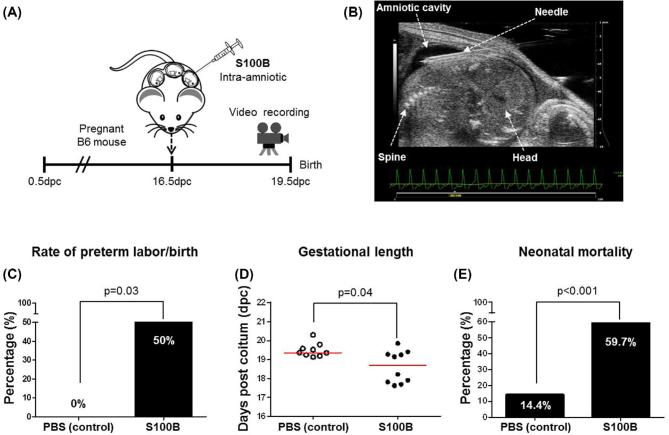
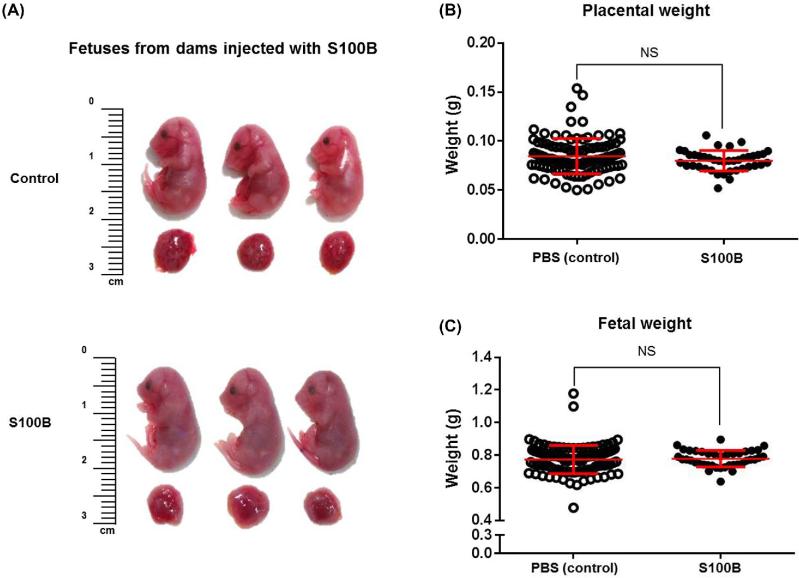
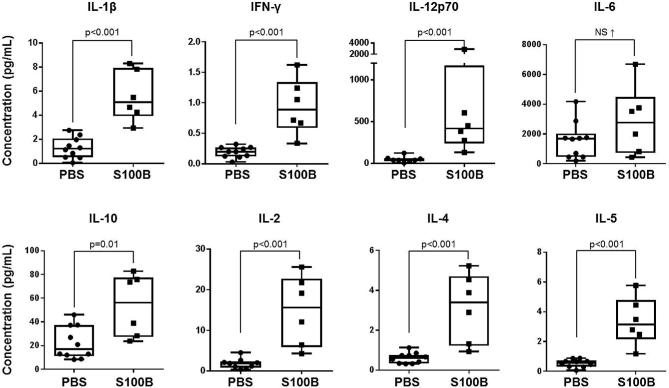
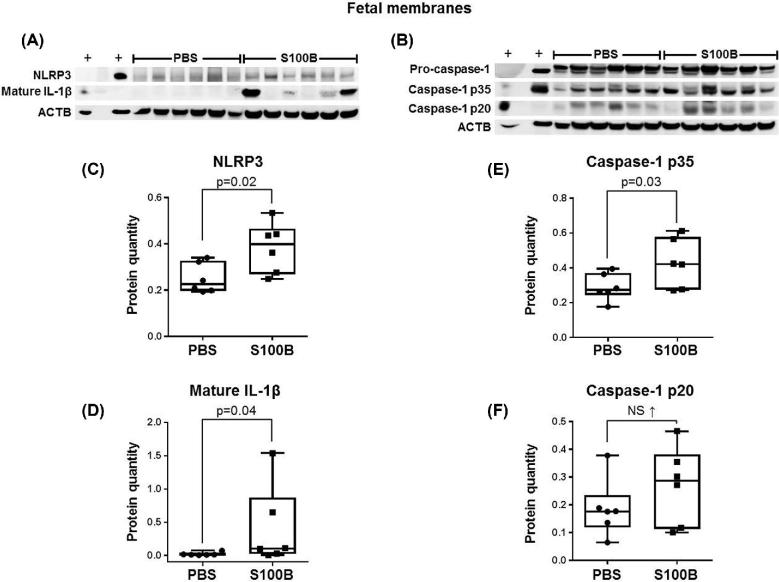
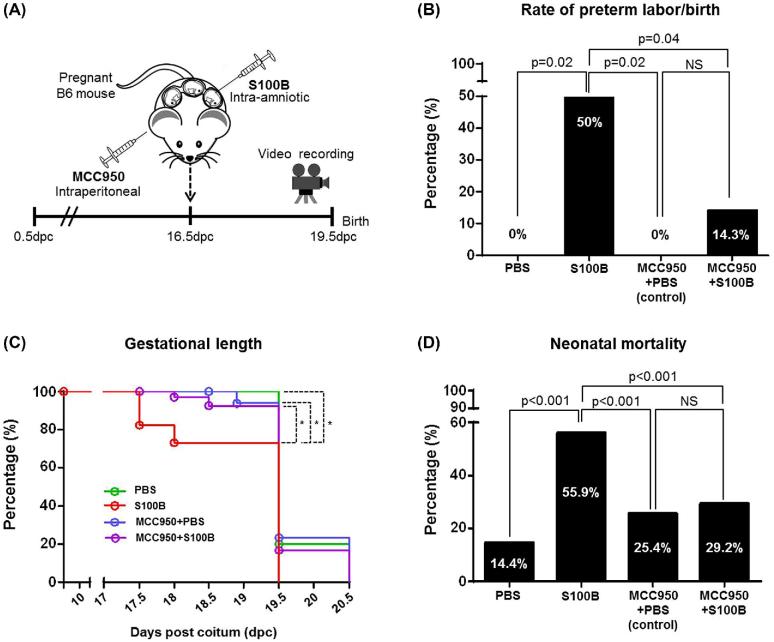
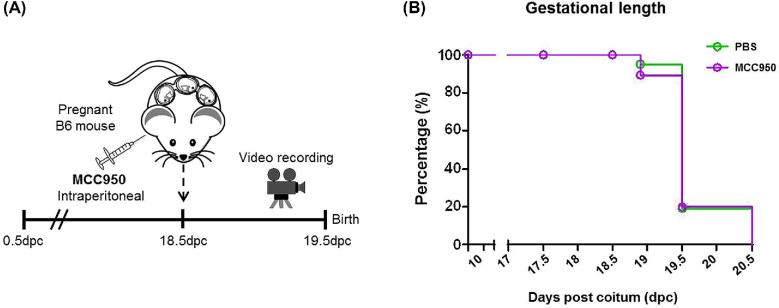
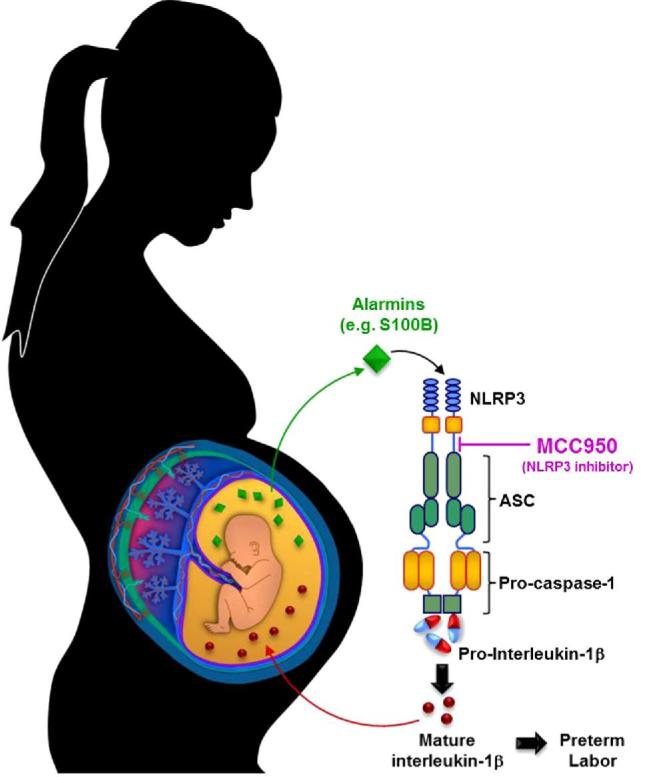
Sterile intra-amniotic inflammation is commonly observed in patients with spontaneous preterm labor, a syndrome that commonly precedes preterm birth, the leading cause of perinatal morbidity and mortality worldwide. However, the mechanisms leading to sterile intra-amniotic inflammation are poorly understood and no treatment exists for this clinical condition. Herein, we investigated whether the alarmin S100B could induce sterile intra-amniotic inflammation by activating the NLRP3 inflammasome, and whether the inhibition of this pathway could prevent preterm labor/birth and adverse neonatal outcomes. We found that the ultrasound-guided intra-amniotic administration of S100B induced a 50% rate of preterm labor/birth and a high rate of neonatal mortality (59.7%) without altering the fetal and placental weights. Using a multiplex cytokine array and immunoblotting, we reported that S100B caused a proinflammatory response in the amniotic cavity and induced the activation of the NLRP3 inflammasome in the fetal membranes, indicated by the upregulation of the NLRP3 protein and increased release of active caspase-1 and mature IL-1β. Inhibition of the NLRP3 inflammasome via the specific inhibitor MCC950 prevented preterm labor/birth by 35.7% and reduced neonatal mortality by 26.7%. Yet, inhibition of the NLRP3 inflammasome at term did not drastically obstruct the physiological process of parturition. In conclusion, the data presented herein indicate that the alarmin S100B can induce sterile intra-amniotic inflammation, preterm labor/birth, and adverse neonatal outcomes by activating the NLRP3 inflammasome, which can be prevented by inhibiting such a pathway. These findings provide evidence that sterile intra-amniotic inflammation could be treated by targeting the NLRP3 inflammasome.
Keywords: S100B; acute chorioamnionitis; alarmins; amniotic fluid; caspase-1; cytokines; damage-associated molecular patterns; danger signals; funisitis; inhibitor; interleukin-1β; mice.
© The Author(s) 2018. Published by Oxford University Press on behalf of Society for the Study of Reproduction.
Figures
References
-
- Liu L, Oza S, Hogan D, Perin J, Rudan I, Lawn JE, Cousens S, Mathers C, Black RE. Global, regional, and national causes of child mortality in 2000–13, with projections to inform post-2015 priorities: an updated systematic analysis. Lancet North Am Ed 2015; 385:430–440. - PubMed
-
- Murphy SL, Mathews TJ, Martin JA, Minkovitz CS, Strobino DM. Annual summary of vital statistics: 2013–2014. Pediatrics 2017; 139:e20163239. - PubMed
-
- Romero R, Miranda J, Chaiworapongsa T, Chaemsaithong P, Gotsch F, Dong Z, Ahmed AI, Yoon BH, Hassan SS, Kim CJ, Korzeniewski SJ, Yeo L. A novel molecular microbiologic technique for the rapid diagnosis of microbial invasion of the amniotic cavity and intra-amniotic infection in preterm labor with intact membranes. Am J Reprod Immunol 2014; 71:330–358. - PMC - PubMed
Publication types
MeSH terms
Substances
Grants and funding
LinkOut - more resources
Full Text Sources
Molecular Biology Databases
Miscellaneous
