


Antioxidant and anticancer activities of chamomile (Matricaria recutita L.)
- PMID: 30602390
- PMCID: PMC6317209
- DOI: 10.1186/s13104-018-3960-y
Antioxidant and anticancer activities of chamomile (Matricaria recutita L.)
Abstract
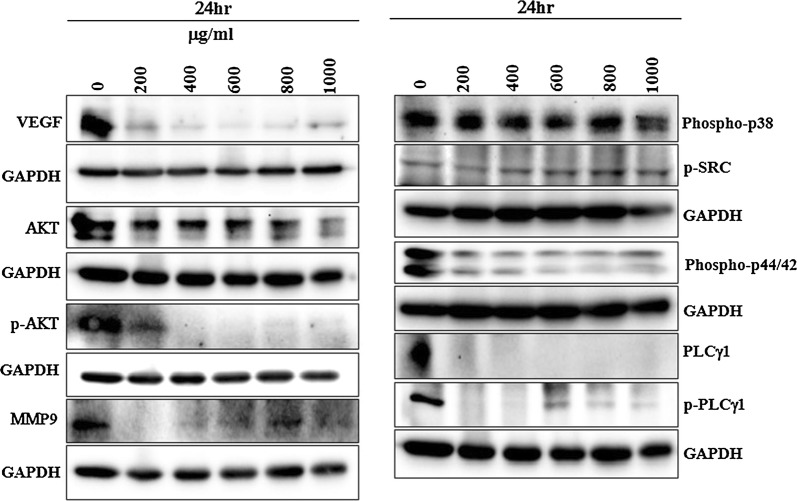
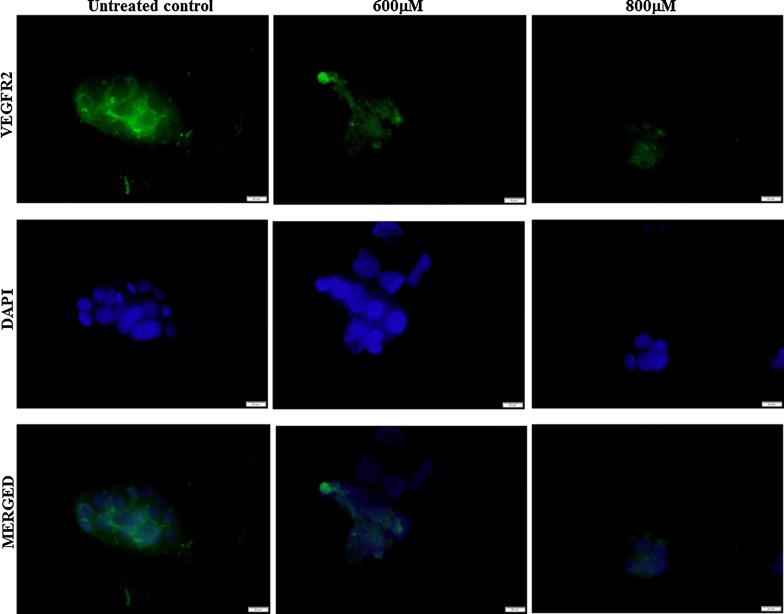
Objectives: The present study aimed at determining the antioxidant activity, total phenols and flavonoids and to evaluate the antiproliferative activity of ethanolic extract of Matricaria recutita L. (chamomile). The antioxidant activities were measured using the 2, 2-diphenyl-1-picrylhydrazyl (DPPH) assay. The total phenolic content was measured by the Folin-Ciocalteu assay. The flavonoid content was determined using the aluminum chloride method. The MTT assay was used to estimate the antiproliferative activities against human hepatoma (HepG2) cancer cell line. We assessed the mode of action of the extract as a cancer preventive agent and reported its ability to regulate tumor angiogenesis by down regulating in a dose dependent manner the expression of some proteins involved in the process.
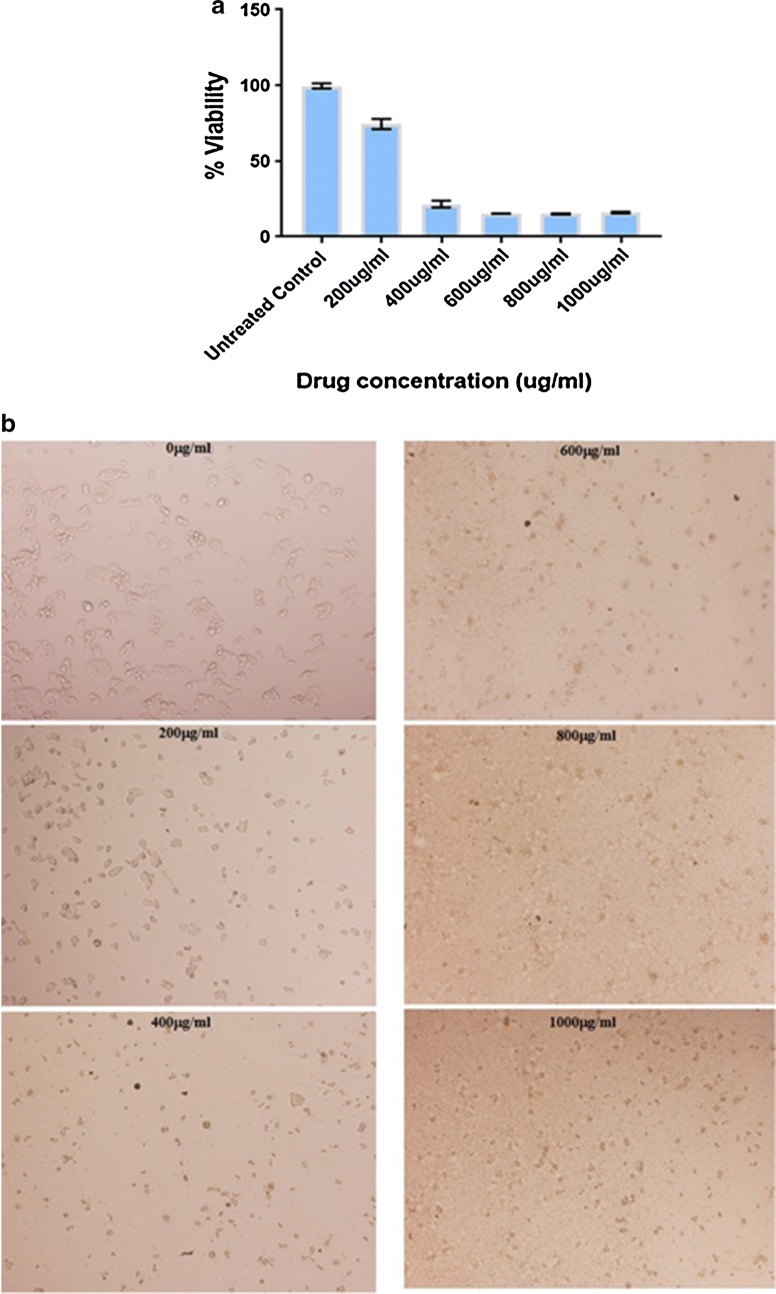
Results: The percentage inhibition of DPPH scavenging activity was dose-dependent ranging between (94.8% ± 0.03) at 1.50 mg/mL and (84.2% ± 0.86) at 0.15 mg/mL. It showed high polyphenols (21.4 ± 0.327 mg GAE/g) and high flavonoids content (157.9 ± 2.22 mg QE/g). Effect of extract was investigated against HepG2 cells. A dose-dependent reduction in cell viability was recorded in cells treated with the extract. The IC50 was ~ 300 µg/mL. It significantly inhibited the level of important prerequisite angiogenesis markers both in HepG2 cells and ex vivo.
Keywords: Anticancer; Antioxidants; Medicinal plants; Traditional medicine.
Figures
References
-
- Gupta VK, Sharma SK. Plants as natural antioxidants. Nat Prod Radiance. 2006;5:326–334.
MeSH terms
Substances
Grants and funding
LinkOut - more resources
Full Text Sources
Other Literature Sources
Medical
