


Rheological study of hyaluronic acid derivatives
- PMID: 30603147
- PMCID: PMC6208462
- DOI: 10.1007/s13534-017-0010-y
Rheological study of hyaluronic acid derivatives
Abstract
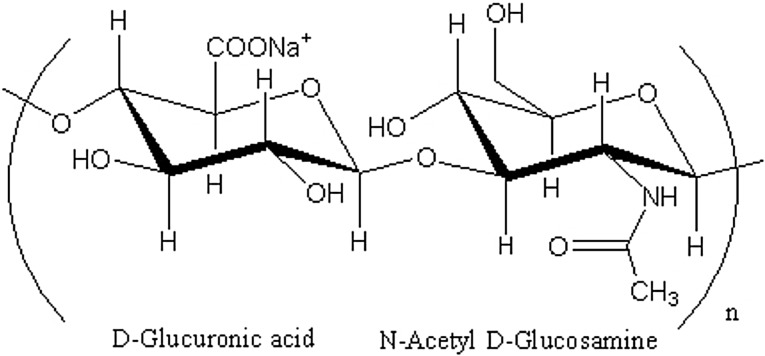
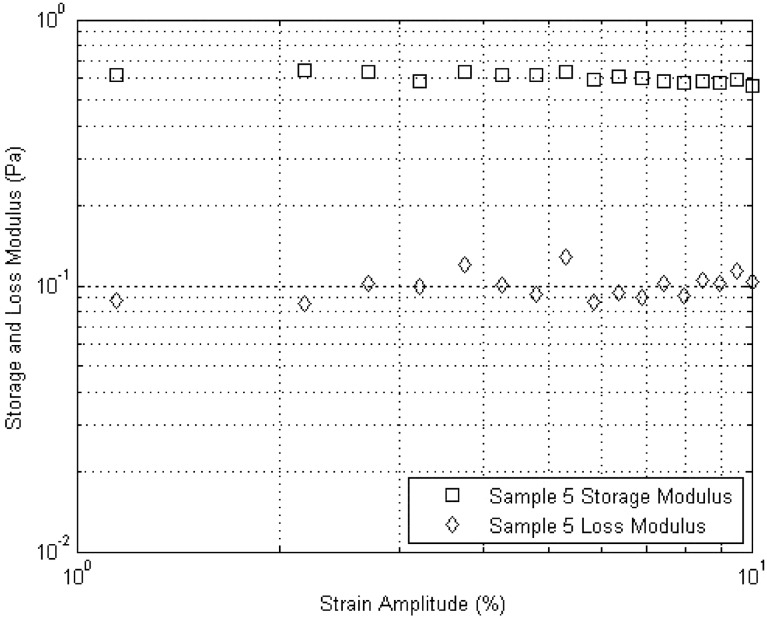
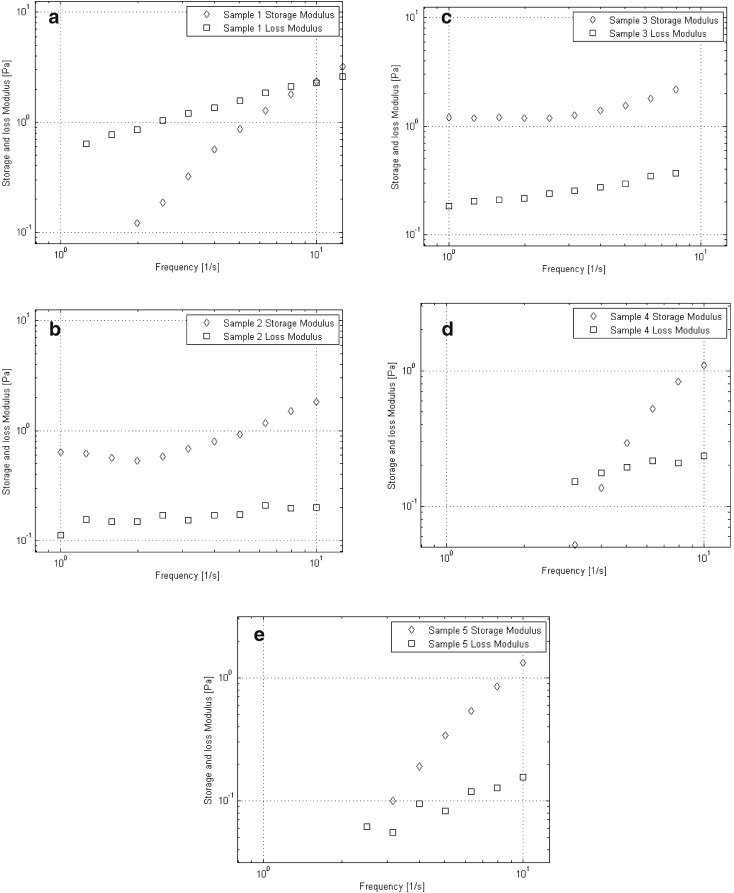
The viscoelastic properties of four novel, low molecular weight hyaluronic acid derivatives were investigated and compared to the parent hyaluronic acid compound. Briefly, all derivatives were synthesized by first deacetylating the parent hyaluronic acid. One sample was left as such, while two others were reacytelated. The final compound, of particular interest for its anti-inflammatory properties, was butyrylated. The compounds were dissolved in phosphate buffer solution (PBS) and studied at a concentration of 5 mg/mL. Shear thinning behaviour was observed for all compounds, however, derivative samples had a lower viscosity than the parent compound at high shear rates. Viscoelastic properties were also observed to decrease as a result of the derivative preparation method. It is believed that these changes are primarily caused by a decrease in hyaluronic acid molecular weight. By increasing the concentration of the anti-inflammatory compound, it may be possible to modulate the viscoelastic properties to more closely resemble those of commercial viscosupplements. As a result, an anti-inflammatory derivative of hyaluronic acid may potentially improve upon existing viscosupplements used to treat patients who are susceptible to flare up.
Keywords: Anti-inflammatory; Osteoarthritis; Shear thinning; Viscoelastic; Viscosupplement.
Conflict of interest statement
Compliance with ethical standardsAll the authors declare that they have no conflict of interest in relation to the work in this article.
Figures

References
-
- Goudoulas TB, Kastrinakis EG, Nychas SG, Papazoglou LG, Kazakos GM, Kosmas PV. Rheological study of synovial fluid obtained from dogs: healthy, pathological, and post-surgery, after spontaneous rupture of cranial cruciate ligament. Ann Biomed Eng. 2010;38(1):57–65. doi: 10.1007/s10439-009-9832-9. - DOI - PubMed
-
- Wobig M, Bach G, Beks P, Dickhut A, Runzheimer J, Schwieger G, Vetter G, Balazs E. The role of elastoviscosity in the efficacy of viscosupplementation for osteoarthritis of the knee: a comparison of hylan g-f 20 and a lower-molecular-weight hyaluronan. Clin Ther. 1999;21(9):1549–1562. doi: 10.1016/S0149-2918(00)80010-7. - DOI - PubMed
-
- Fam H, Kontopoulou M, Bryant JT. Effect of concentration and molecular weight on the rheology of hyaluronic acid/bovine calf serum solutions. Biorheology. 2009;46(1):31–43. - PubMed
LinkOut - more resources
Full Text Sources
Other Literature Sources
Research Materials