


Heterozygosity testing and multiplex DNA panel screening as a potential tool to monitor health and inbreeding in a small, closed dog population
- PMID: 30607250
- PMCID: PMC6309085
- DOI: 10.1186/s40575-018-0068-6
Heterozygosity testing and multiplex DNA panel screening as a potential tool to monitor health and inbreeding in a small, closed dog population
Abstract
Background: Selective breeding in populations with a limited effective population size may result in a loss of genetic diversity, which can cause an increased concentration of specific disease liability genes. The Dutch Shepherd Dog (DSD) in the Netherlands is an example of such a breed with a small effective population.
Objective: To evaluate the measurement of genetic diversity and multiplex DNA panel screening for implementation in a breeding strategy for the Dutch Shepherd Dog (DSD) and to investigate the clinical relevance of potentially identified mutations in the multiplex DNA panel screening.
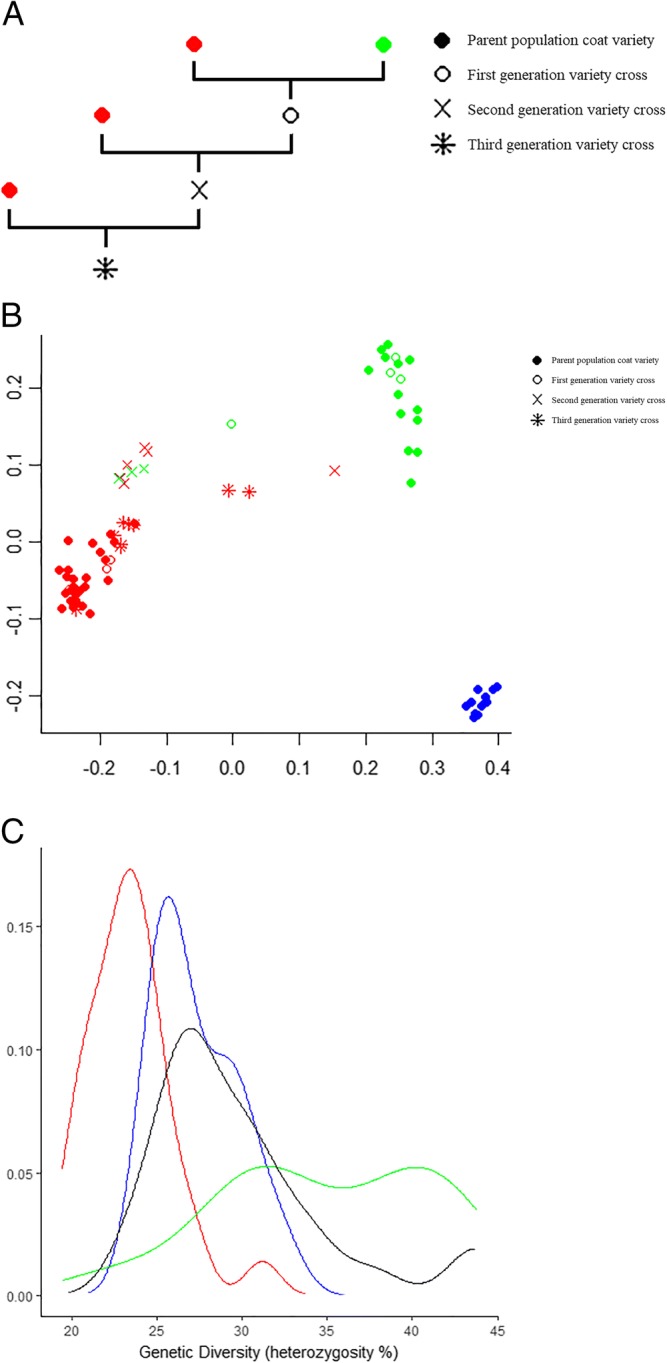
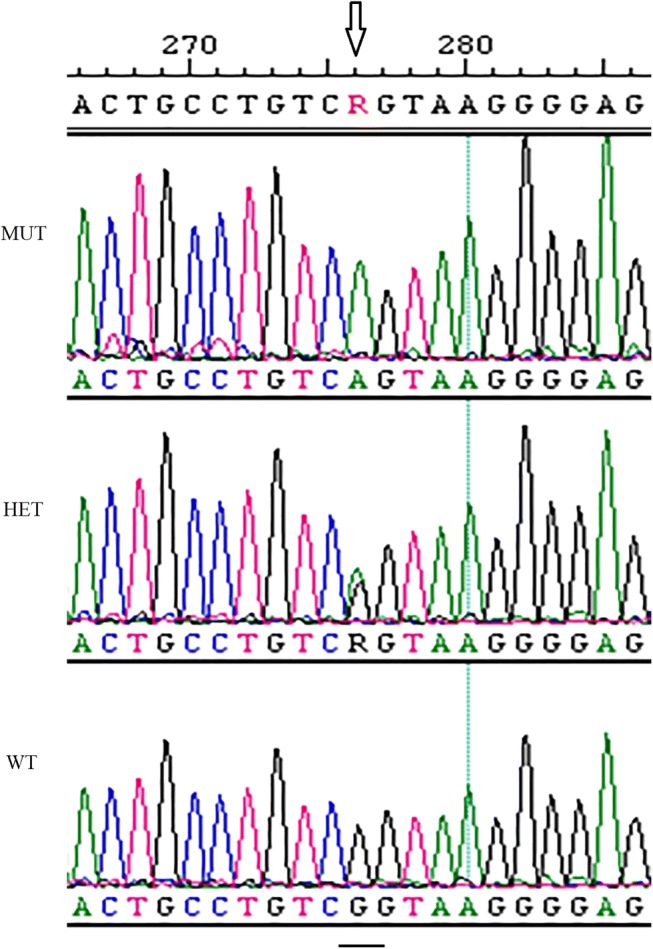
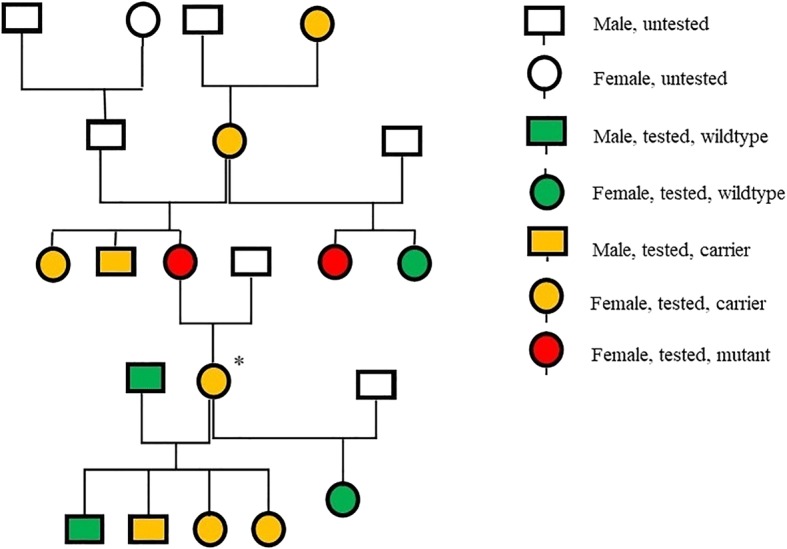
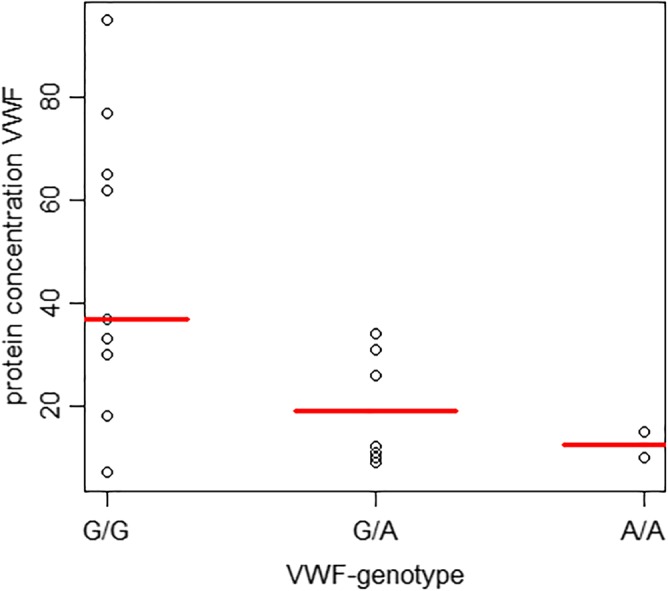
Results: Genome-wide SNP testing showed genetic isolation and reduced genetic diversity within coat variety subgroups of the DSD. Panel screening identified a Von Willebrand's Disease type I mutation. Although decreased Von Willebrand's Factor proteins were significantly lower in DSDs carrying the VWD-I allele compared to the wildtype, clinical follow-up did not show a significant association between the clinical phenotype and VWD-I genotype.
Conclusions: Genetic relationship measurement within a breed population may be a useful tool to enable breeding strategies to conserve genetic diversity. Results from a disease panel screening need to be evaluated for clinical relevance before breed selection restrictions can be considered.
Keywords: Canine health; Dog breeding; Dutch shepherd dog; Genetic disorder; Heterozygosity; MyDogDNA™; Von Willebrand’s disease.
Conflict of interest statement
Samples were collected with the informed consent of the owners.Not applicable.HA and JD are employees of Genoscoper Laboratories Oy, developer of the MyDogDNA™ screening service. “The aforementioned authors played no role in the decision to conduct the study or use the MyDogDNA™ genotyping platform, the original study design, or writing of the original manuscript draft.”Springer Nature remains neutral with regard to jurisdictional claims in published maps and institutional affiliations.
Figures
References
-
- Fédération Cynologique International. Breed nomenclature. Available at: http://www.fci.be/en/nomenclature/DUTCH-SHEPHERD-DOG-223.html.
-
- Dutch Shepherd Dog Club. Breed description. Available at: http://www.hollandseherder.nl/details/the_dutch_shepherd/.
LinkOut - more resources
Full Text Sources
Molecular Biology Databases
