


mTOR: A Cellular Regulator Interface in Health and Disease
- PMID: 30609721
- PMCID: PMC6356367
- DOI: 10.3390/cells8010018
mTOR: A Cellular Regulator Interface in Health and Disease
Abstract
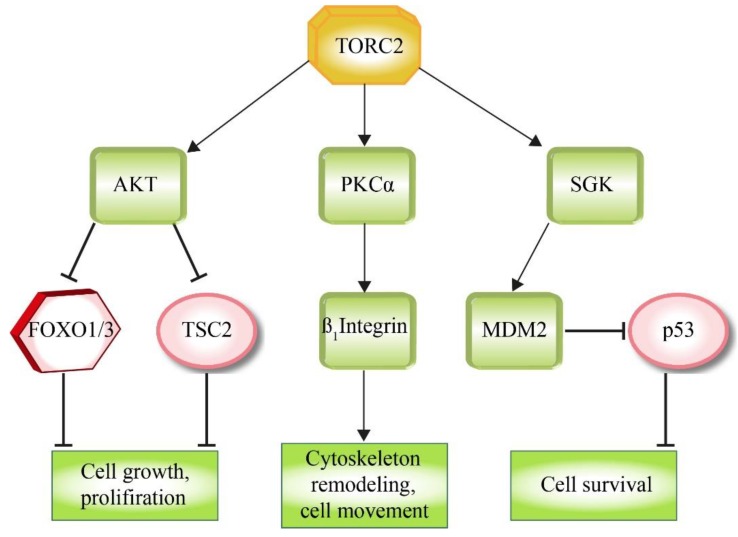
The mechanistic target of Rapamycin (mTOR) is a ubiquitously-conserved serine/threonine kinase, which has a central function in integrating growth signals and orchestrating their physiologic effects on cellular level. mTOR is the core component of differently composed signaling complexes that differ in protein composition and molecular targets. Newly identified classes of mTOR inhibitors are being developed to block autoimmune diseases and transplant rejections but also to treat obesity, diabetes, and different types of cancer. Therefore, the selective and context-dependent inhibition of mTOR activity itself might come into the focus as molecular target to prevent severe diseases and possibly to extend life span. This review provides a general introduction to the molecular composition and physiologic function of mTOR complexes as part of the Special Issue "2018 Select Papers by Cells' Editorial Board Members".
Keywords: aging; autophagy; cancer; kinase; mTOR; phosphorylation.
Conflict of interest statement
The authors declare no conflict of interest, financial or otherwise.
Figures
References
Publication types
MeSH terms
Substances
LinkOut - more resources
Full Text Sources
Medical
Miscellaneous
