Review
. 2019 Jan;23(1):1-20.
doi: 10.4196/kjpp.2019.23.1.1. Epub 2018 Dec 26.

An integrated review on new targets in the treatment of neuropathic pain

Affiliations
Review

An integrated review on new targets in the treatment of neuropathic pain

Ravneet Kaur Khangura et al. Korean J Physiol Pharmacol. 2019 Jan.

Abstract

Neuropathic pain is a complex chronic pain state caused by the dysfunction of somatosensory nervous system, and it affects the millions of people worldwide. At present, there are very few medical treatments available for neuropathic pain management and the intolerable side effects of medications may further worsen the symptoms. Despite the presence of profound knowledge that delineates the pathophysiology and mechanisms leading to neuropathic pain, the unmet clinical needs demand more research in this field that would ultimately assist to ameliorate the pain conditions. Efforts are being made globally to explore and understand the basic molecular mechanisms responsible for somatosensory dysfunction in preclinical pain models. The present review highlights some of the novel molecular targets like D-amino acid oxidase, endoplasmic reticulum stress receptors, sigma receptors, hyperpolarization-activated cyclic nucleotide-gated cation channels, histone deacetylase, Wnt/β-catenin and Wnt/Ryk, ephrins and Eph receptor tyrosine kinase, Cdh-1 and mitochondrial ATPase that are implicated in the induction of neuropathic pain. Studies conducted on the different animal models and observed results have been summarized with an aim to facilitate the efforts made in the drug discovery. The diligent analysis and exploitation of these targets may help in the identification of some promising therapies that can better manage neuropathic pain and improve the health of patients.

Keywords: Endoplasmic reticulum stress receptors; Histone deacetylase; Neuropathic pain; Pain treatment.


Conflict of interest statement

CONFLICTS OF INTEREST: The authors declare no conflicts of interest.

Figures
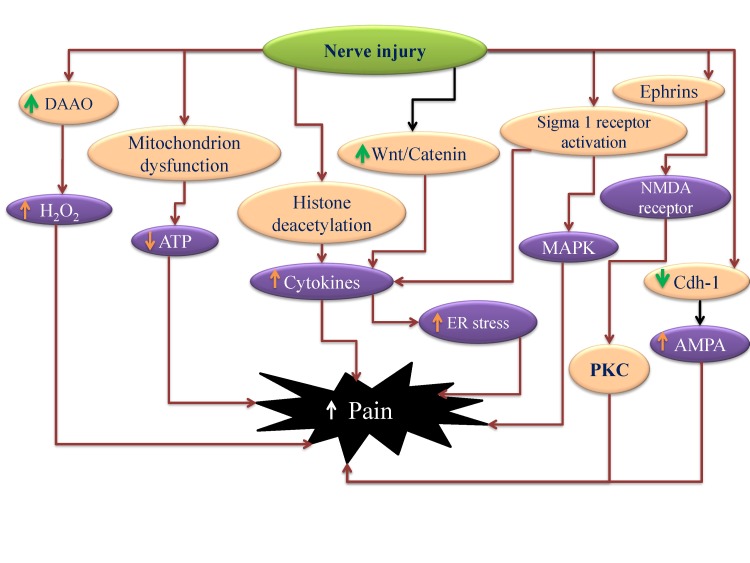
Fig. 1
Fig. 1. Involvement of different targets in the development of neuropathic pain.
Fig. 2
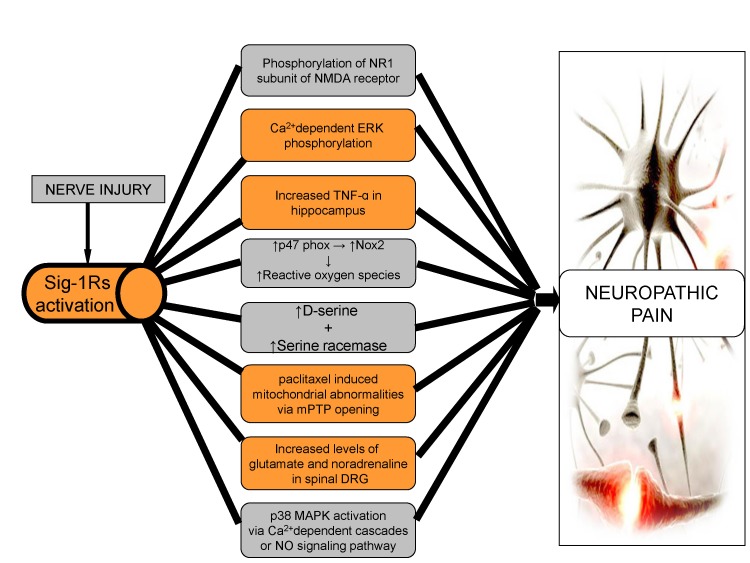
Fig. 2. Role of sigma receptors in neuropathic pain.
After nerve injury, there is activation of Sig-1Rs, with an increase the intracellular entry of Ca2+, resulting in increased phosphorylation of NMDA, ERK, p38 MAPK and activation of NO signaling leading to neuropathic pain. Increased levels of D-serine, glutamate and nor-adrenaline along with mitochondrial abnormalities via Sig-1Rs are major factors in the induction of neuropathic pain. Production of reactive oxygen species through Nox2 and TNF-alpha, via Sig-1Rs may also contribute to neuropathic pain.
Fig. 3
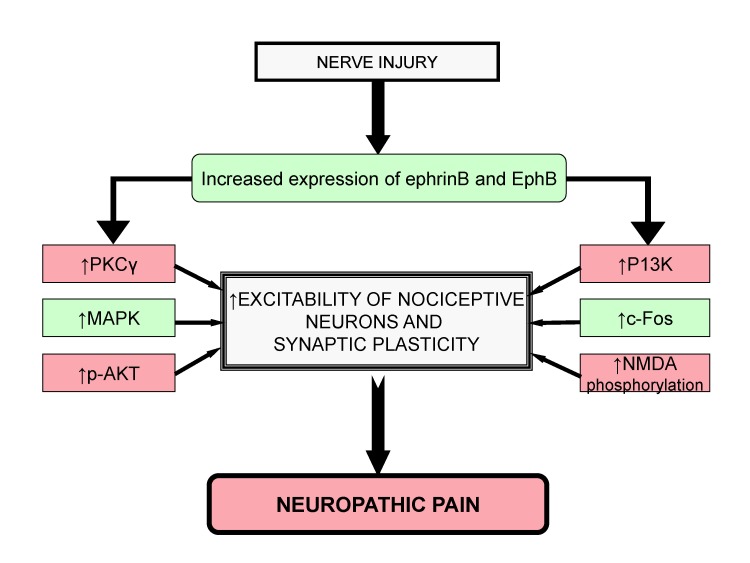
Fig. 3. Role of Ephrins and EphB receptor tyrosine kinase leads in neuropathic pain.
After nerve injury, the increased levels of PKCγ, MAPK, c-Fos, p-AKT, P13K and NMDA phosphorylation through ephrinB and EphB signaling lead to increased excitability of nociceptive neurons and synaptic plasticity that contributes to neuropathic pain.
Fig. 4
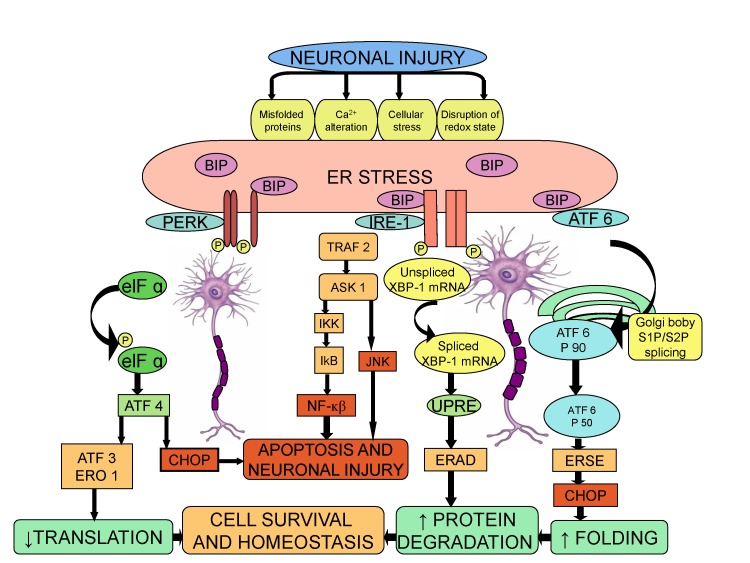
Fig. 4. Role of ER stress in induction of neuropathic pain.
Activation of ER stress receptors including PERK, ATF-6 and IRE-1, tend to promote cell survival during nerve injury. However, persistent activation of ER stress response leads to neuronal injury and ultimately neuropathic pain.
Fig. 5
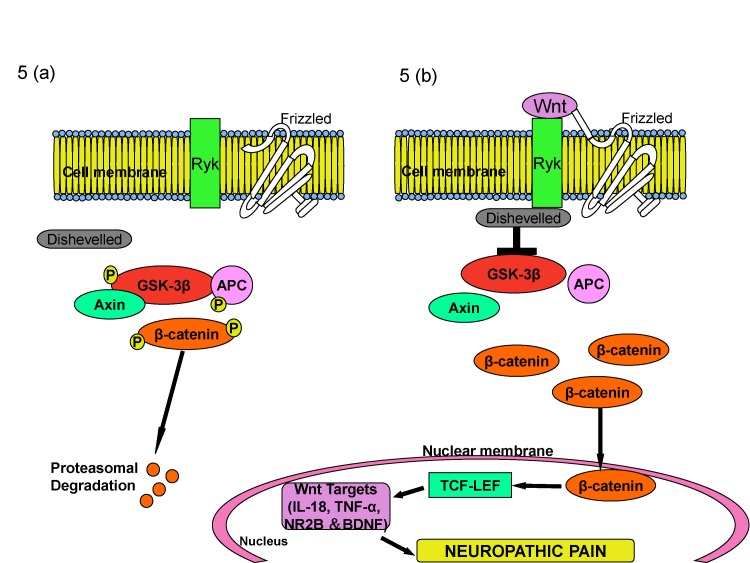
Fig. 5. Role of β-catenin system in induction of neuropathic pain.
In the physiological state, absence of Wnt leads to decreased levels of β-catenin in the cytoplasm as GSK-3b phosphorylates b-catenin and leads to its proteosomal degradation (A). During the nerve injury, Wnt binds to its receptor frizzled and suppresses the GSK-3β phosphorylation of β-catenin. Increased β-catenin binds to TCF4 and activates Wnt target genes that are responsible for neuropathic pain (B).
Fig. 6
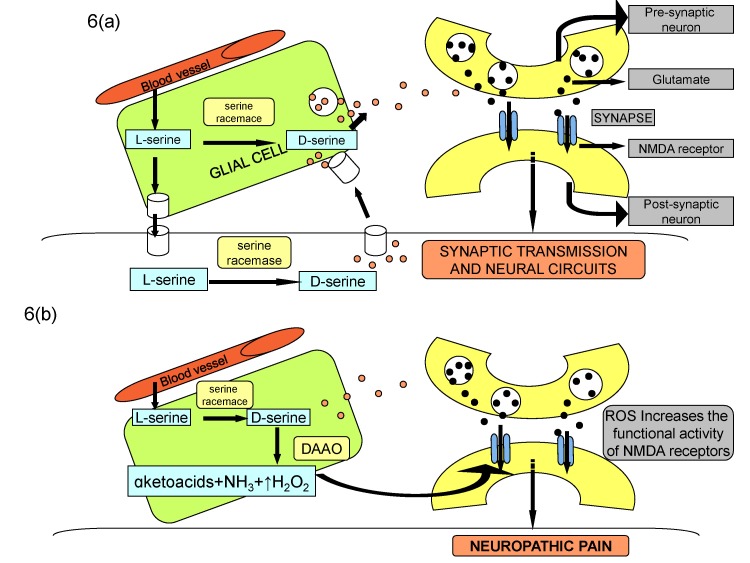
Fig. 6. NMDA-mediated synaptic transmission during physiological state (A) and nerve injury state (B).
Binding of glutamate and co-agonist D-serine to NMDA receptor subunit modulates synaptic transmission and plasticity in normal state. Increase in DAAO activity after nerve injury decreases the levels of D-serine, which may indirectly increase the synthesis of reactive oxygen species to induce neuropathic pain through increased NMDA phosphorylation and consequent enhanced synaptic plasticity.
Fig. 7
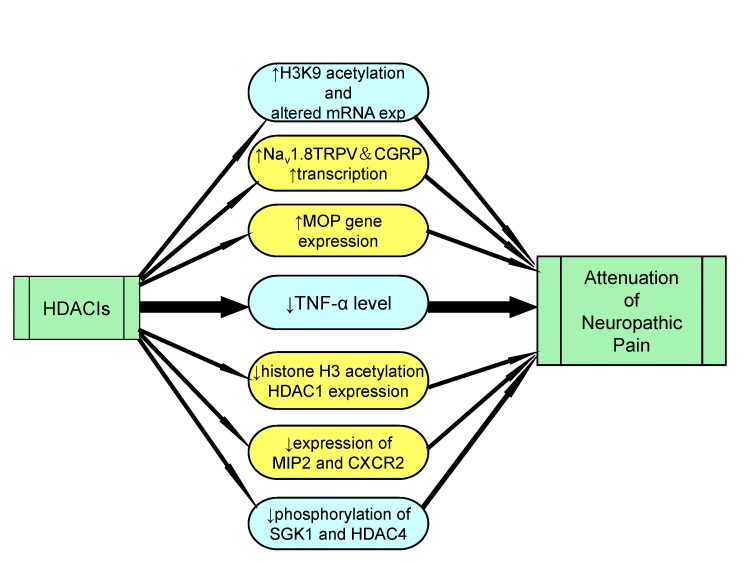
Fig. 7. Role of HDAC inhibitors in attenuation of neuropathic pain.
Histone deacetylase inhibitors helps in management of neuropathic pain by increasing the acetylation of H3K9, transcription of Nav 1.8, TRPV and CGRP and increasing expression of MOP genes. HDACIs also result in decreased production of inflammatory mediators, reduction of histone H3 acetylation and reduced phosphorylation of SGK1 and HDAC4.
Fig. 8
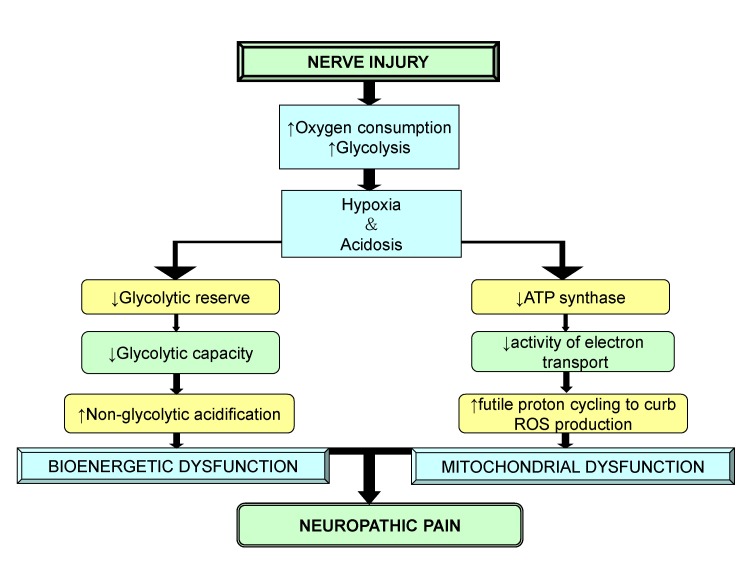
Fig. 8. Role of mitochondrial and bioenergetic dysfunction in neuropathic pain.
After nerve injury, an increase in oxygen consumption result in hypoxia, acidosis, decreased glycolytic reserve and decrease in energy production that leads to mitochondrial and bioenergetic dysfunction causing neuropathic pain.
Fig. 9
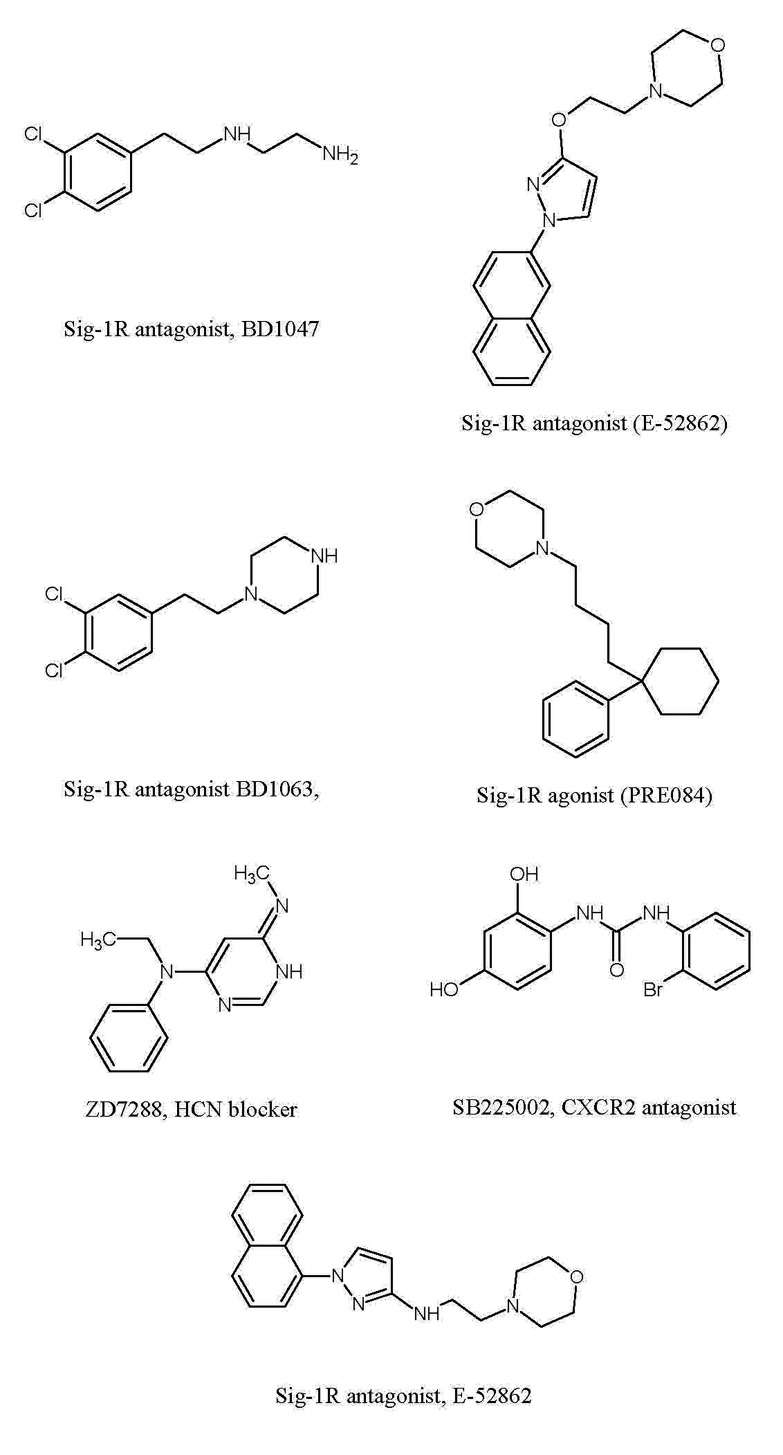
Fig. 9. Chemical structures of pharmacological agents employed to explore mechanism of neuropathic pain development.

References

    1. Woolf CJ, Mannion RJ. Neuropathic pain: aetiology, symptoms, mechanisms, and management. Lancet. 1999;353:1959–1964. - PubMed
    1. Dworkin RH. An overview of neuropathic pain: syndromes, symptoms, signs, and several mechanisms. Clin J Pain. 2002;18:343–349. - PubMed
    1. Jaggi AS, Singh N. Therapeutic targets for the management of peripheral nerve injury-induced neuropathic pain. CNS Neurol Disord Drug Targets. 2011;10:589–609. - PubMed
    1. Alston RP, Pechon P. Dysaesthesia associated with sternotomy for heart surgery. Br J Anaesth. 2005;95:153–158. - PubMed
    1. Foley PL, Vesterinen HM, Laird BJ, Sena ES, Colvin LA, Chandran S, MacLeod MR, Fallon MT. Prevalence and natural history of pain in adults with multiple sclerosis: systematic review and meta-analysis. Pain. 2013;154:632–642. - PubMed