


Clinicopathologic and prognostic significance of tumor-infiltrating CD8+ T cells in patients with hepatocellular carcinoma: A meta-analysis
- PMID: 30633166
- PMCID: PMC6336640
- DOI: 10.1097/MD.0000000000013923
Clinicopathologic and prognostic significance of tumor-infiltrating CD8+ T cells in patients with hepatocellular carcinoma: A meta-analysis
Abstract
Background: In patients with hepatocellular carcinoma (HCC), the clinicopathologic and prognostic roles of tumor-infiltrating CD8+ T cells for survival are still controversial. A meta-analysis was performed to resolve this issue.
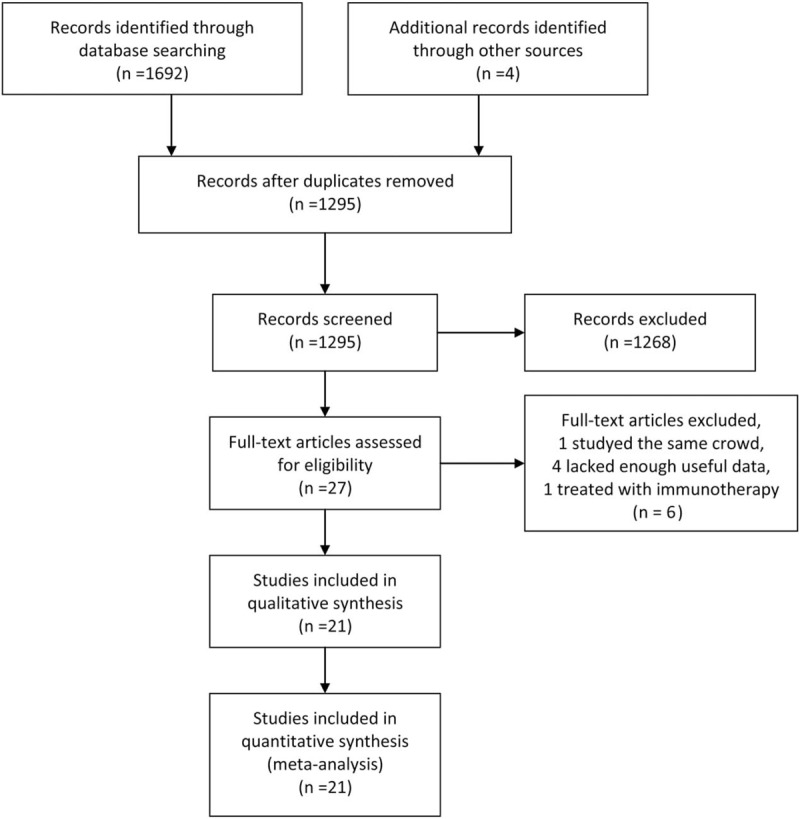
Methods: We identified studies from PubMed, Embase, and the Cochrane Library to evaluate the clinicopathologic and prognostic value of tumor-infiltrating CD8+ T cells in patients with HCC. A meta-analysis was conducted to estimate clinicopathologic characteristics, overall survival (OS), and disease-free survival. The hazard ratio (HR) and 95% confidence interval (CI) were calculated employing fixed-effect or random-effect models depending on the heterogeneity of the included trials.
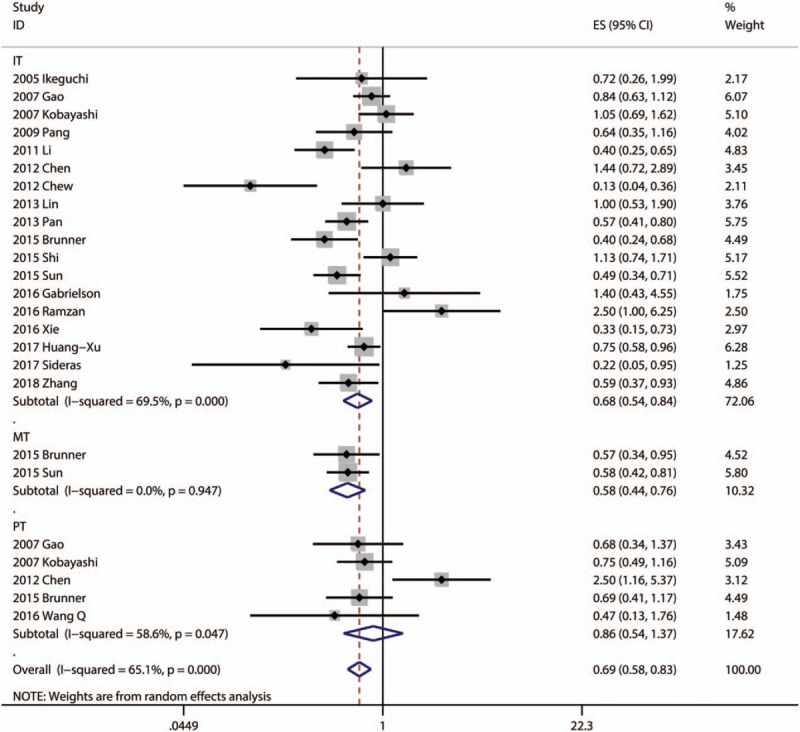
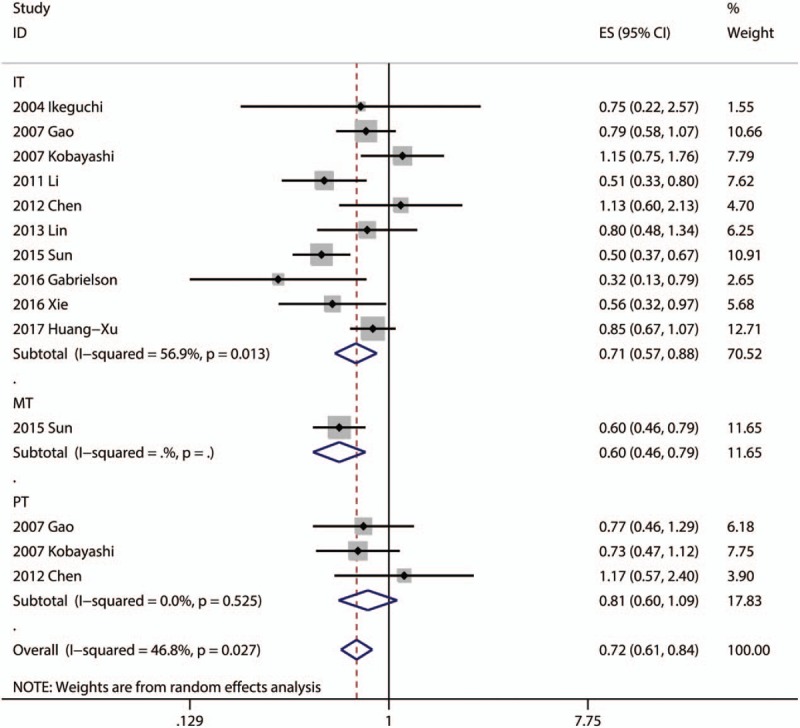
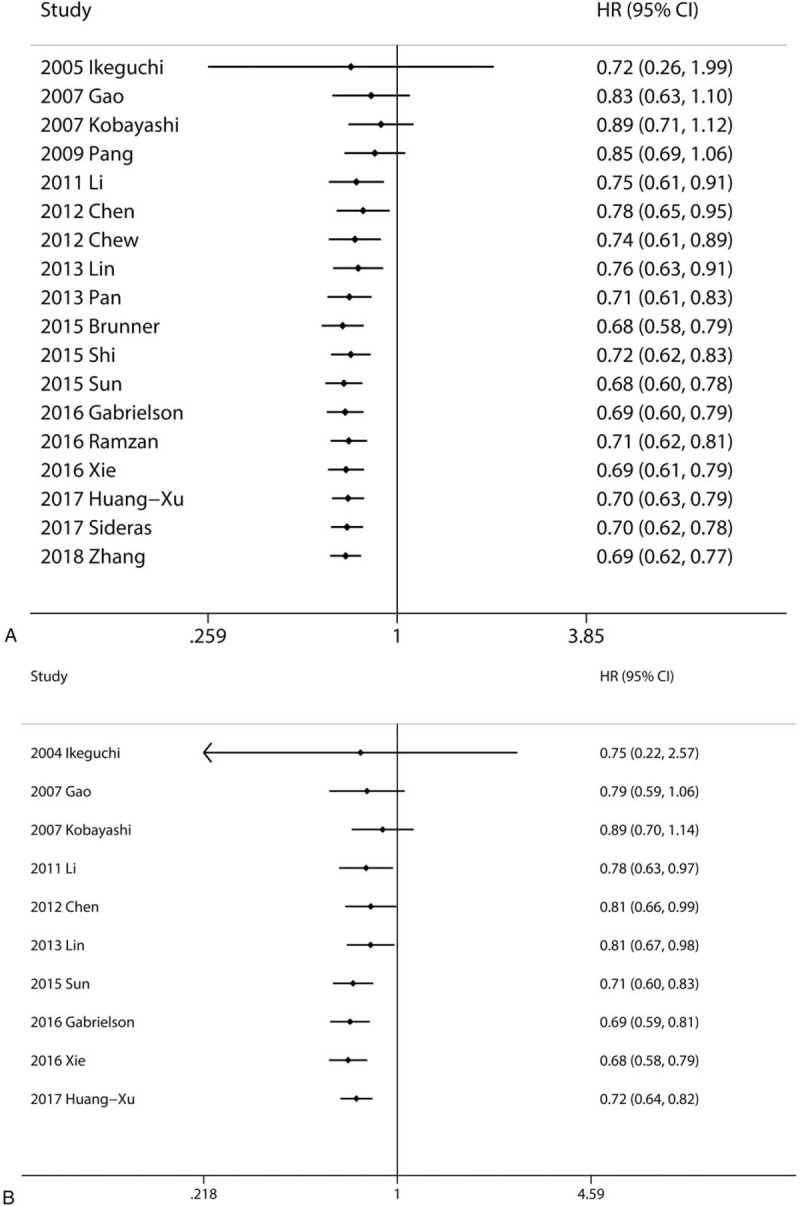
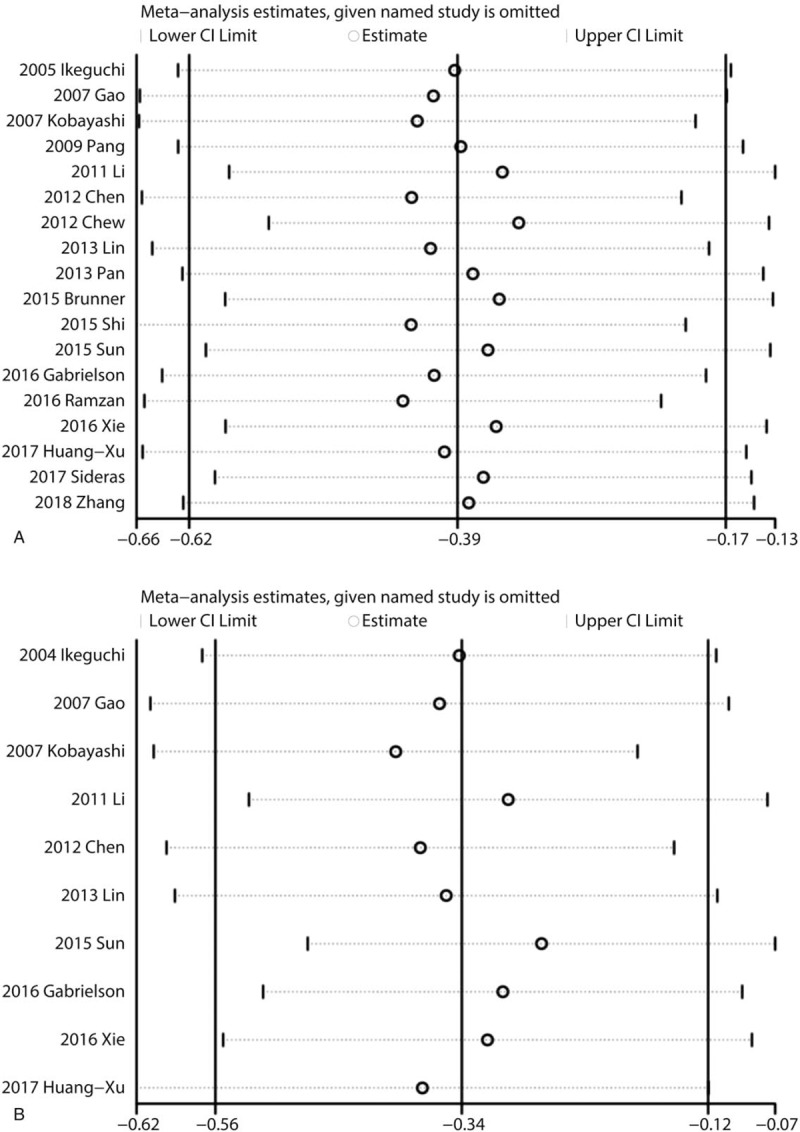
Results: A total of 3509 patients from 21 observational studies were enrolled. The meta-analysis revealed that high levels of intratumoral CD8+ tumor-infiltrating lymphocytes (TILs) were associated with better OS (OS; HR = 0.676, P = .001) and disease-free survival (disease-free survival [DFS]; HR = 0.712, P = .002). The pooled analysis also demonstrated high density of infiltration of CD8+ TILs in margin of tumor (MT) was statistically significant associated with better OS (HR = 0.577; P <.001). Moreover, the patients with low CD8+ TILs infiltration had negative HBSAg (OR = 1.67, P = .02), large tumor size (OR = 1.74, P <.01), and later TNM stage (OR = 1.70, P <.01).
Conclusions: Our findings suggested that low levels of CD8+ TILs predict large tumor size, later TNM stage and might be a promising prognostic factor of HCC especially for Asian patients. High-quality randomized controlled trials are needed to determine if CD8+ TILs could serve as targets for immunotherapy in hepatocellular carcinoma.
Conflict of interest statement
The authors declare no conflicts of interest.
Figures
References
-
- Siegel RL, Miller KD, Jemal A. Cancer statistics, 2015. CA: Cancer J Clin 2015;65:5–29. - PubMed
-
- Rasool M, Rashid S, Arooj M, et al. New possibilities in hepatocellular carcinoma treatment. Anticancer Res 2014;34:1563–71. - PubMed
-
- Hiraoka N. Tumor-infiltrating lymphocytes and hepatocellular carcinoma: molecular biology. Int J Clin Oncol 2010;15:544–51. - PubMed
-
- Fu J, Zhang Z, Zhou L, et al. Impairment of CD4+ cytotoxic T cells predicts poor survival and high recurrence rates in patients with hepatocellular carcinoma. Hepatology 2013;58:139–49. - PubMed
-
- Wada Y, Nakashima O, Kutami R, et al. Clinicopathological study on hepatocellular carcinoma with lymphocytic infiltration. Hepatology 1998;27:407–14. - PubMed
Publication types
MeSH terms
LinkOut - more resources
Full Text Sources
Medical
Research Materials
