


Self-Efficacy, Self-Regulation, Social Support, and Outcomes Expectations for Daily Physical Activity in Adults with Chronic Stroke: A Descriptive, Exploratory Study
- PMID: 30648475
- PMCID: PMC6527467
- DOI: 10.1080/07380577.2018.1558326
Self-Efficacy, Self-Regulation, Social Support, and Outcomes Expectations for Daily Physical Activity in Adults with Chronic Stroke: A Descriptive, Exploratory Study
Abstract
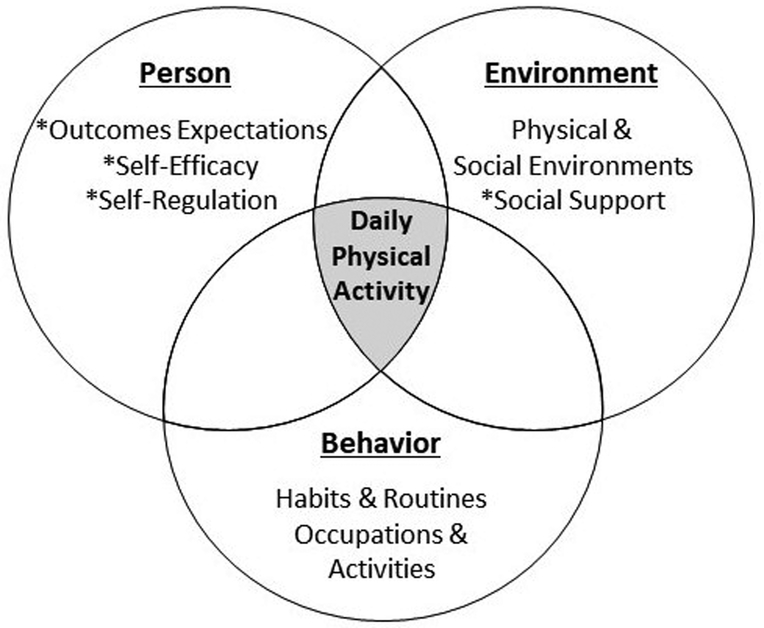
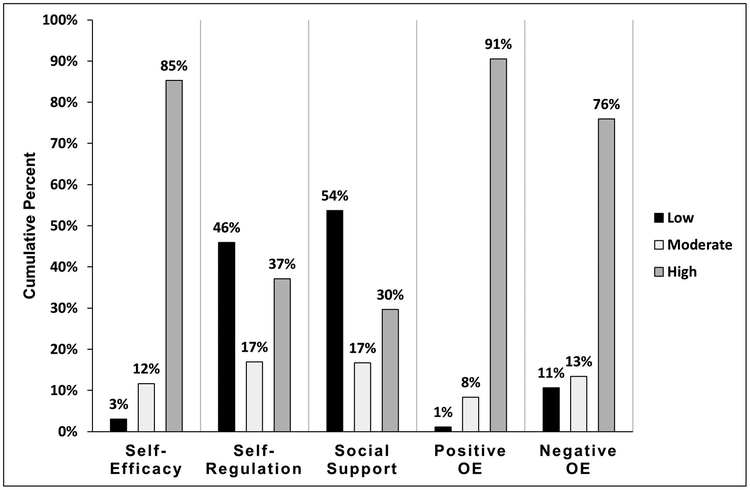
Interventions are needed to increase physical activity throughout the day in adults with chronic stroke, but mechanisms of action for doing so have not been identified. In this descriptive, exploratory study of 36 ambulatory, community-dwelling adults with chronic stroke, participants completed questionnaires investigating self-efficacy, self-regulation, social support, and outcomes expectations for daily physical activity. In the absence of any intervention, participants consistently reported high self-efficacy and outcomes expectations but low use of self-regulation and social support strategies. Discussion of how these results can inform the development of interventions to facilitate daily physical activity in adults with chronic stroke is provided.
Keywords: Outcomes expectations; physical activity; self-efficacy; self-regulation; social support; stroke.
Figures
References
-
- American Occupational Therapy Association. (2014). Occupational Therapy Practice Framework: Domain and Process (3rd Edition). American Journal of Occupational Therapy, 68(Supplement_1), S1–S48. doi: 10.5014/ajot.2014.682006 - DOI
-
- Bandura A (1991). Social cognitive theory of self-regulation. Organizational Behavior and Human Decision Processes, 50(2), 248–287. doi: 10.1016/0749-5978(91)90022-L - DOI
MeSH terms
Grants and funding
LinkOut - more resources
Full Text Sources
Medical
