


Gender Difference in Damage-Mediated Signaling Contributes to Pulmonary Arterial Hypertension
- PMID: 30652485
- PMCID: PMC6765065
- DOI: 10.1089/ars.2018.7664
Gender Difference in Damage-Mediated Signaling Contributes to Pulmonary Arterial Hypertension
Abstract
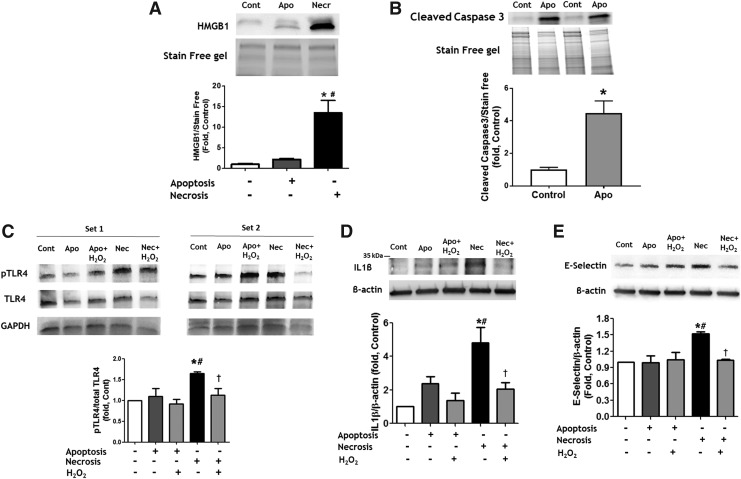
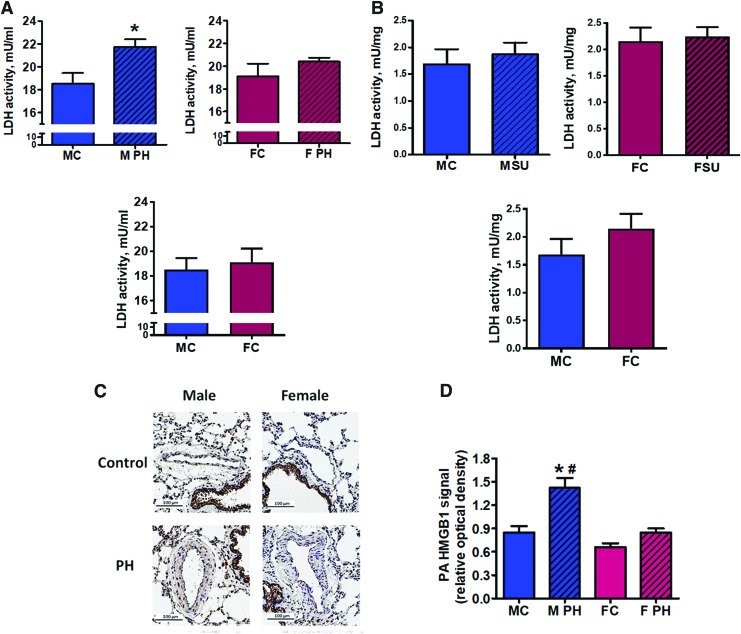
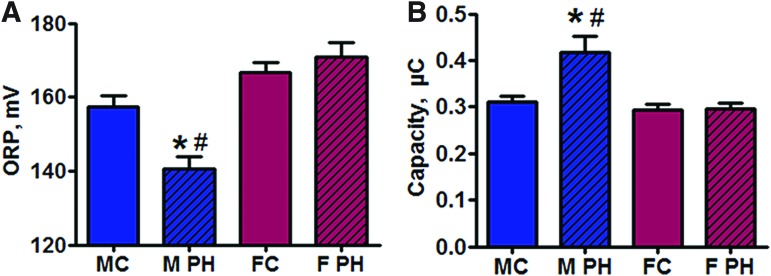
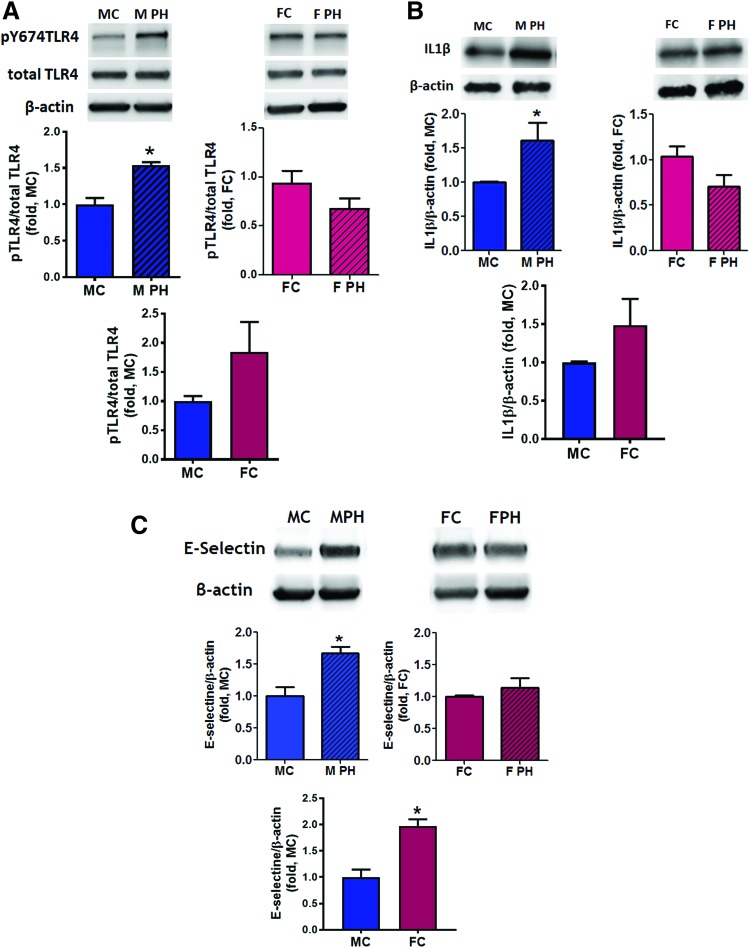
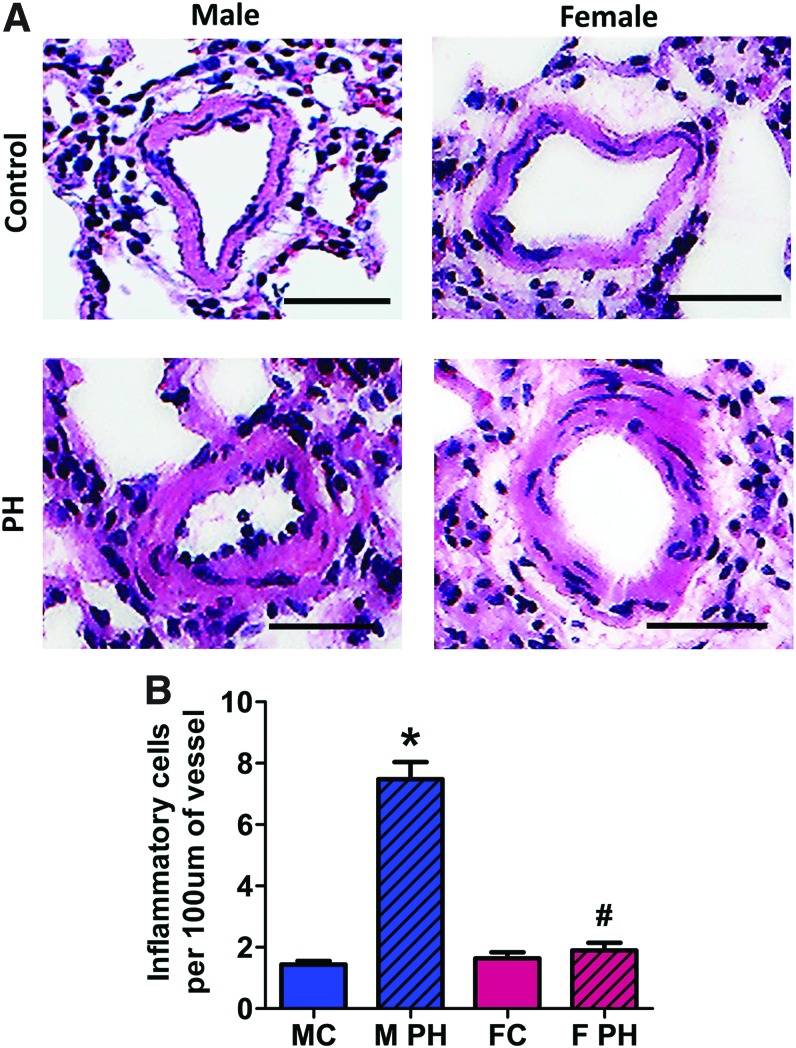
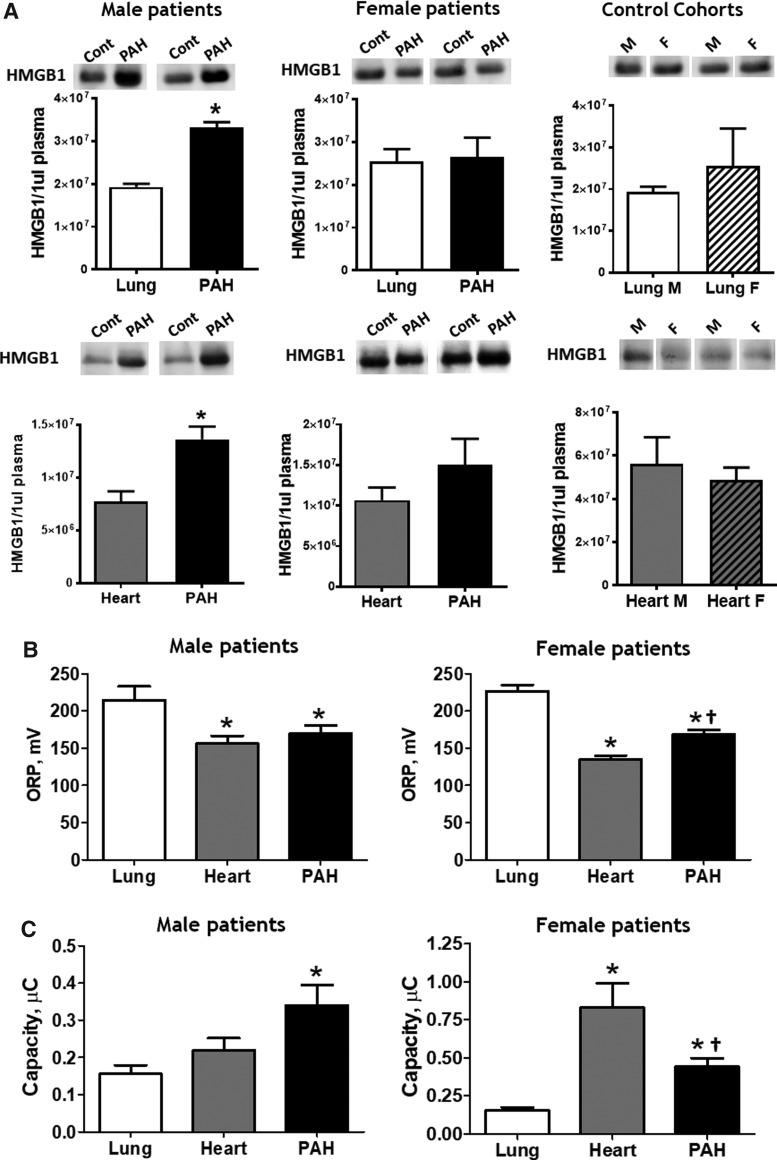
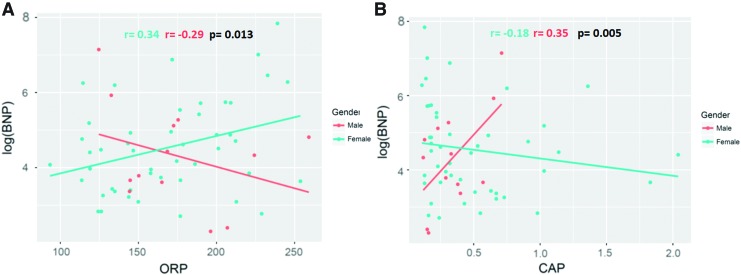
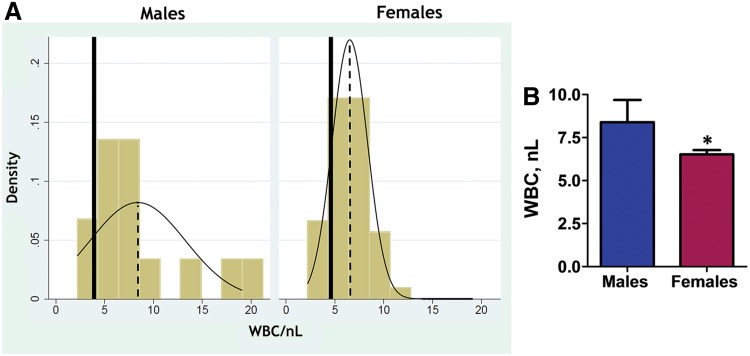
Aims: Pulmonary arterial hypertension (PAH) is a progressive lethal disease with a known gender dimorphism. Female patients are more susceptible to PAH, whereas male patients have a lower survival rate. Initial pulmonary vascular damage plays an important role in PAH pathogenesis. Therefore, this study aimed at investigating the role of gender in activation of apoptosis/necrosis-mediated signaling pathways in PAH. Results: The media collected from pulmonary artery endothelial cells (PAECs) that died by necrosis or apoptosis were used to treat naive PAECs. Necrotic cell death stimulated phosphorylation of toll-like receptor 4, accumulation of interleukin 1 beta, and expression of E-selectin in a redox-dependent manner; apoptosis did not induce any of these effects. In the animal model of severe PAH, the necrotic marker, high mobility group box 1 (HMGB1), was visualized in the pulmonary vascular wall of male but not female rats. This vascular necrosis was associated with male-specific redox changes in plasma, activation of the same inflammatory signaling pathway seen in response to necrosis in vitro, and an increased endothelial-leukocyte adhesion in small pulmonary arteries. In PAH patients, gender-specific changes in redox homeostasis correlated with the prognostic marker, B-type natriuretic peptide. Males had also shown elevated circulating levels of HMGB1 and pro-inflammatory changes. Innovation: This study discovered the role of gender in the initiation of damage-associated signaling in PAH and highlights the importance of the gender-specific approach in PAH therapy. Conclusion: In PAH, the necrotic cell death is augmented in male patients compared with female patients. Factors released from necrotic cells could alter redox homeostasis and stimulate inflammatory signaling pathways.
Keywords: gender difference; inflammation; necrosis; pulmonary hypertension.
Conflict of interest statement
No competing financial interests exist.
Figures
References
-
- Abe K, Toba M, Alzoubi A, Ito M, Fagan KA, Cool CD, Voelkel NF, McMurtry IF, and Oka M. Formation of plexiform lesions in experimental severe pulmonary arterial hypertension. Circulation 121: 2747–2754, 2010 - PubMed
-
- Amabile N, Heiss C, Chang V, Angeli FS, Damon L, Rame EJ, McGlothlin D, Grossman W, De Marco T, and Yeghiazarians Y. Increased CD62e(+) endothelial microparticle levels predict poor outcome in pulmonary hypertension patients. J Heart Lung Transplant 28: 1081–1086, 2009 - PubMed
-
- Bargagli E, Olivieri C, Bennett D, Prasse A, Muller-Quernheim J, and Rottoli P. Oxidative stress in the pathogenesis of diffuse lung diseases: a review. Respir Med 103: 1245–1256, 2009 - PubMed
-
- Basu S, Binder RJ, Suto R, Anderson KM, and Srivastava PK. Necrotic but not apoptotic cell death releases heat shock proteins, which deliver a partial maturation signal to dendritic cells and activate the NF-kappa B pathway. Int Immunol 12: 1539–1546, 2000 - PubMed
Publication types
MeSH terms
Substances
Grants and funding
LinkOut - more resources
Full Text Sources
