Organic cation transporter 3 (Oct3) is a distinct catecholamines clearance route in adipocytes mediating the beiging of white adipose tissue
- PMID: 30653498
- PMCID: PMC6336244
- DOI: 10.1371/journal.pbio.2006571
Organic cation transporter 3 (Oct3) is a distinct catecholamines clearance route in adipocytes mediating the beiging of white adipose tissue
Abstract
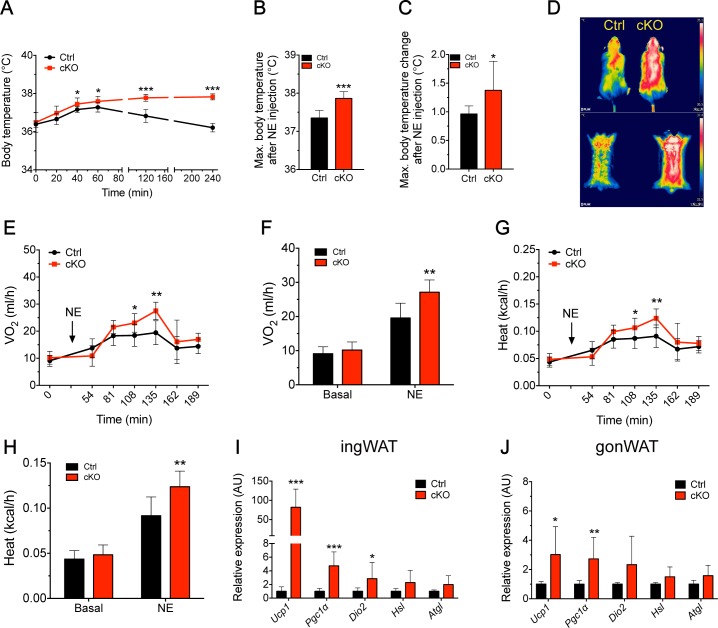
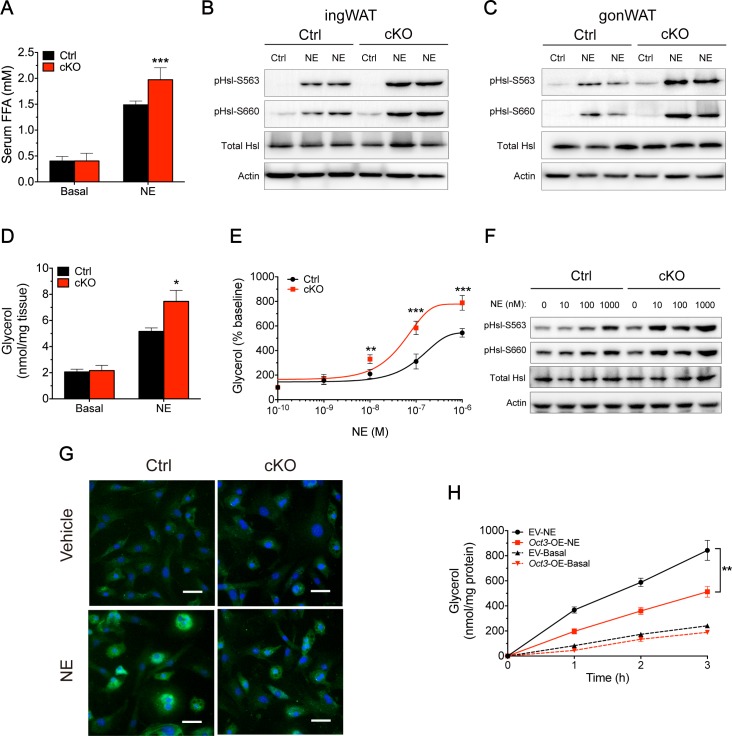
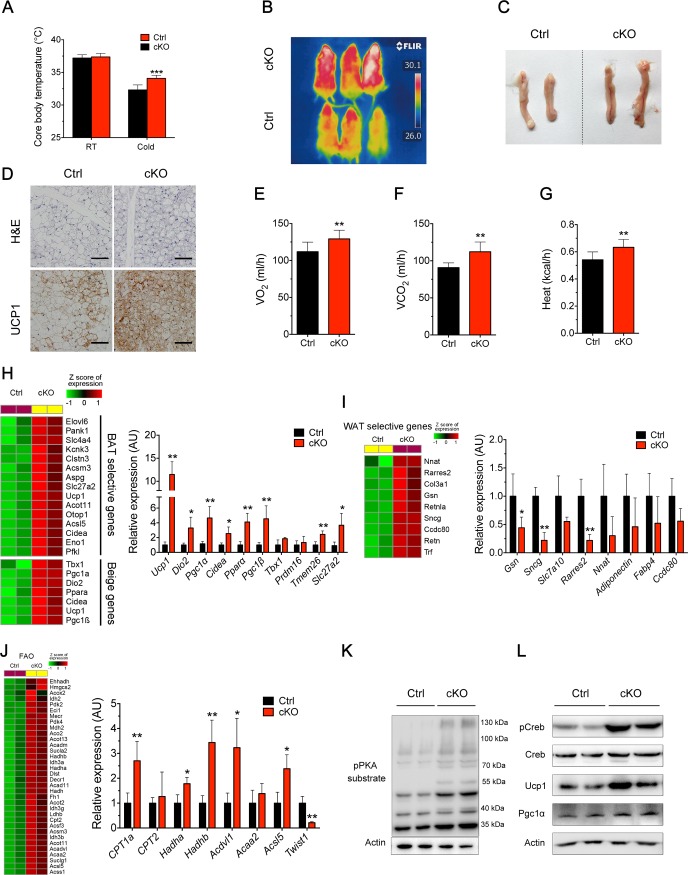
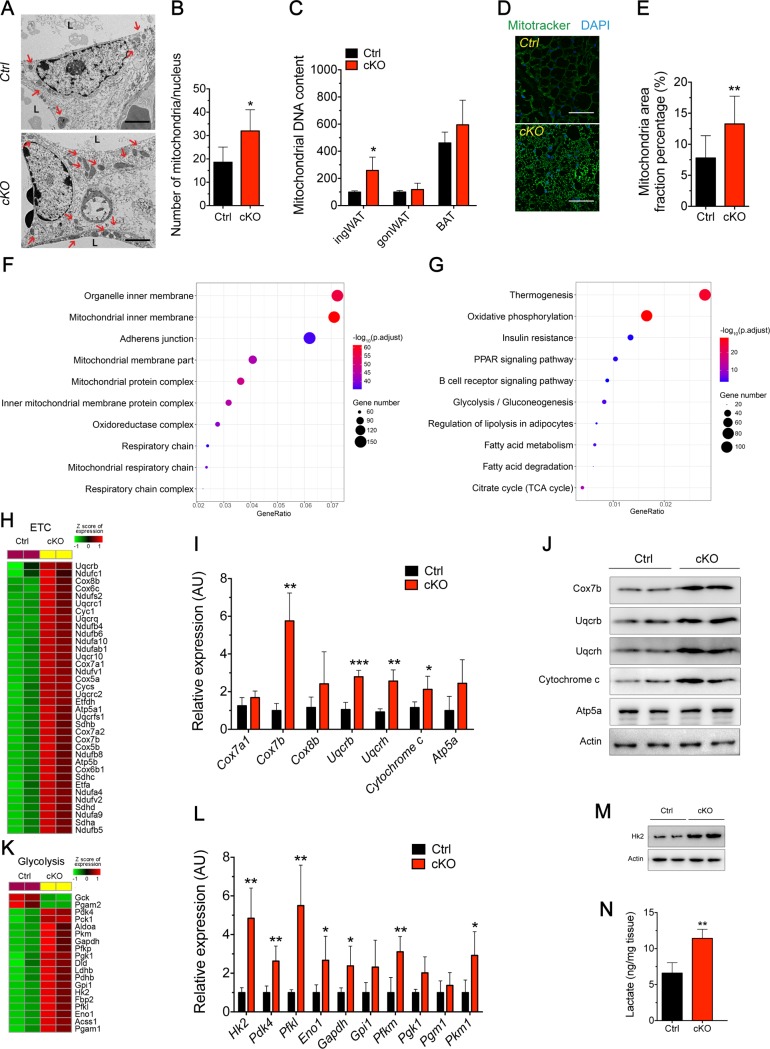
Beiging of white adipose tissue (WAT) is a particularly appealing target for therapeutics in the treatment of metabolic diseases through norepinephrine (NE)-mediated signaling pathways. Although previous studies report NE clearance mechanisms via SLC6A2 on sympathetic neurons or proinflammatory macrophages in adipose tissues (ATs), the low catecholamine clearance capacity of SLC6A2 may limit the cleaning efficiency. Here, we report that mouse organic cation transporter 3 (Oct3; Slc22a3) is highly expressed in WAT and displays the greatest uptake rate of NE as a selective non-neural route of NE clearance in white adipocytes, which differs from other known routes such as adjacent neurons or macrophages. We further show that adipocytes express high levels of NE degradation enzymes Maoa, Maob, and Comt, providing the molecular basis on NE clearance by adipocytes together with its reuptake transporter Oct3. Under NE administration, ablation of Oct3 induces higher body temperature, thermogenesis, and lipolysis compared with littermate controls. After prolonged cold challenge, inguinal WAT (ingWAT) in adipose-specific Oct3-deficient mice shows much stronger browning characteristics and significantly elevated expression of thermogenic and mitochondrial biogenesis genes than in littermate controls, and this response involves enhanced β-adrenergic receptor (β-AR)/protein kinase A (PKA)/cyclic adenosine monophosphate (cAMP)-responsive element binding protein (Creb) pathway activation. Glycolytic genes are reprogrammed to significantly higher levels to compensate for the loss of ATP production in adipose-specific Oct3 knockout (KO) mice, indicating the fundamental role of glucose metabolism during beiging. Inhibition of β-AR largely abolishes the higher lipolytic and thermogenic activities in Oct3-deficient ingWAT, indicating the NE overload in the vicinity of adipocytes in Oct3 KO adipocytes. Of note, reduced functional alleles in human OCT3 are also identified to be associated with increased basal metabolic rate (BMR). Collectively, our results demonstrate that Oct3 governs β-AR activity as a NE recycling transporter in white adipocytes, offering potential therapeutic applications for metabolic disorders.
Conflict of interest statement
The authors have declared that no competing interests exist.
Figures


Comment in
-
Fat cells gobbling up norepinephrine?PLoS Biol. 2019 Feb 7;17(2):e3000138. doi: 10.1371/journal.pbio.3000138. eCollection 2019 Feb. PLoS Biol. 2019. PMID: 30730909 Free PMC article.
References
-
- Nedergaard J, Golozoubova V, Matthias A, Asadi A, Jacobsson A, Cannon B. UCP1: the only protein able to mediate adaptive non-shivering thermogenesis and metabolic inefficiency. Biochimica et biophysica acta. 2001;1504(1):82–106. - PubMed
Publication types
MeSH terms
Substances
Grants and funding
LinkOut - more resources
Full Text Sources
Molecular Biology Databases
Research Materials
Miscellaneous