


The Efficacy of Mobile Phone Apps for Lifestyle Modification in Diabetes: Systematic Review and Meta-Analysis
- PMID: 30664494
- PMCID: PMC6350094
- DOI: 10.2196/12297
The Efficacy of Mobile Phone Apps for Lifestyle Modification in Diabetes: Systematic Review and Meta-Analysis
Abstract
Background: Diabetes and related complications are estimated to cost US $727 billion worldwide annually. Type 1 diabetes, type 2 diabetes, and gestational diabetes are three subtypes of diabetes that share the same behavioral risk factors. Efforts in lifestyle modification, such as daily physical activity and healthy diets, can reduce the risk of prediabetes, improve the health levels of people with diabetes, and prevent complications. Lifestyle modification is commonly performed in a face-to-face interaction, which can prove costly. Mobile phone apps provide a more accessible platform for lifestyle modification in diabetes.
Objective: This review aimed to summarize and synthesize the clinical evidence of the efficacy of mobile phone apps for lifestyle modification in different subtypes of diabetes.
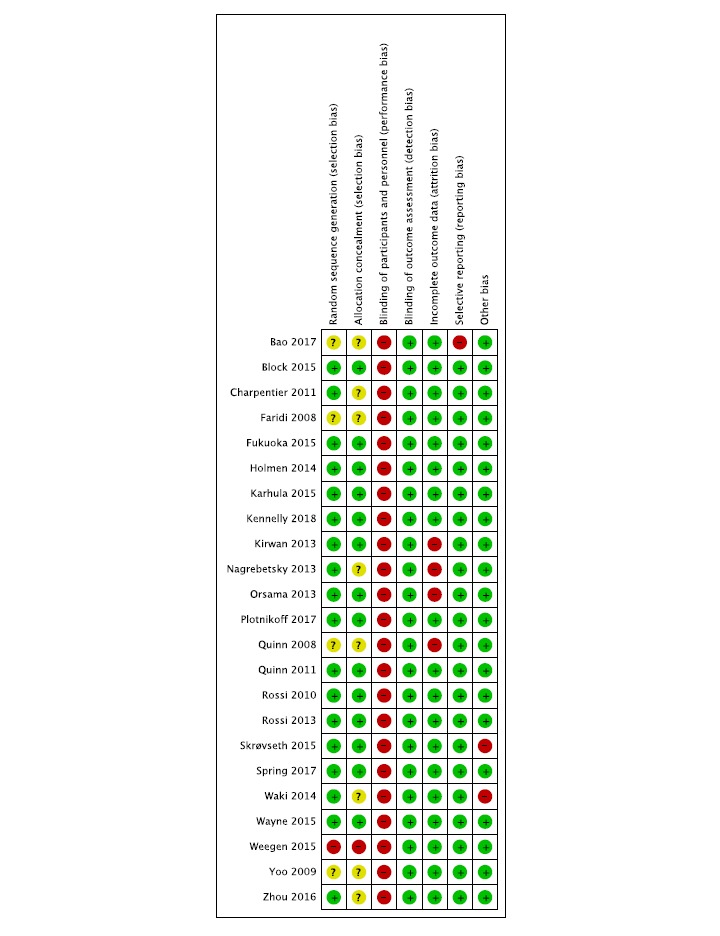
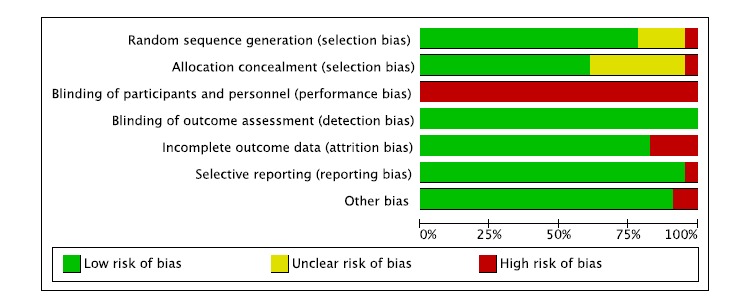
Methods: In June 2018, we conducted a literature search in 5 databases (Cochrane Central Register of Controlled Trials, MEDLINE, Embase, CINAHL, and PsycINFO). We evaluated the studies that passed screening using The Cochrane Collaboration's risk of bias tool. We conducted a meta-analysis for each subtype on the mean difference (between intervention and control groups) at the posttreatment glycated hemoglobin (HbA1c) level. Where possible, we analyzed subgroups for short-term (3-6 months) and long-term (9-12 months) studies. Heterogeneity was assessed using the I2 statistic.
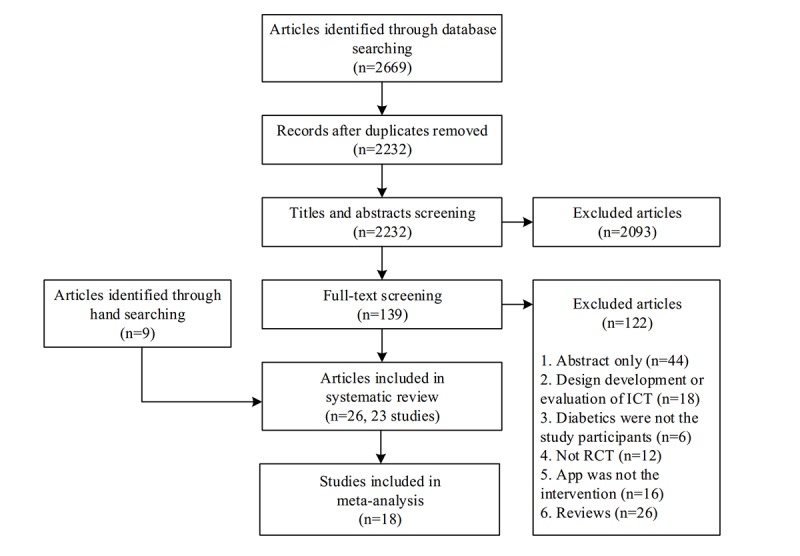
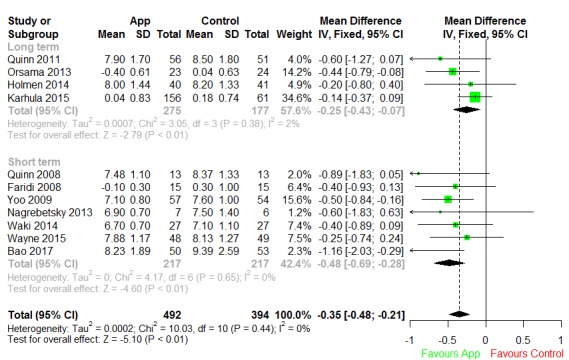
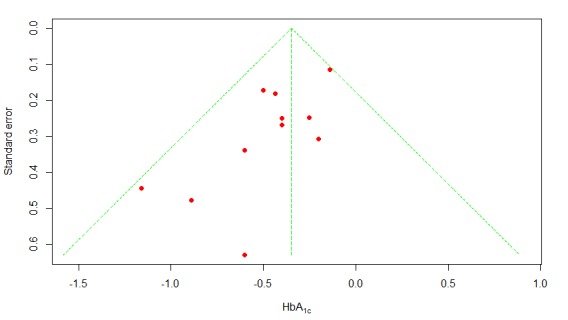
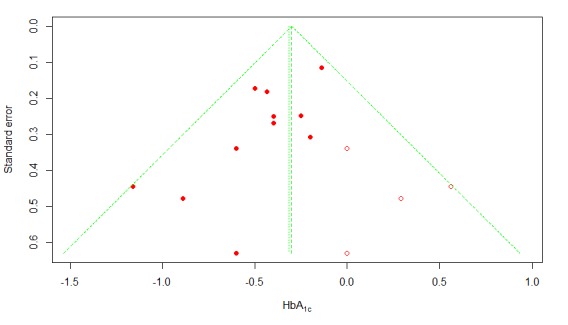
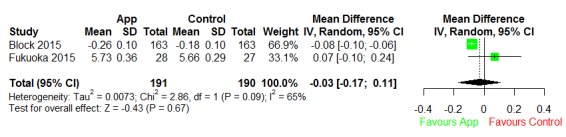
Results: We identified total of 2669 articles through database searching. After the screening, we included 26 articles (23 studies) in the systematic review, of which 18 studies (5 type 1 diabetes, 11 type 2 diabetes, and 2 prediabetes studies) were eligible for meta-analysis. For type 1 diabetes, the overall effect on HbA1c was statistically insignificant (P=.46) with acceptable heterogeneity (I2=39%) in the short-term subgroup (4 studies) and significant heterogeneity between the short-term and long-term subgroups (I2=64%). Regarding type 2 diabetes, the overall effect on HbA1c was statistically significant (P<.01) in both subgroups, and when the 2 subgroups were combined, there was virtually no heterogeneity within and between the subgroups (I2 range 0%-2%). The effect remained statistically significant (P<.01) after adjusting for publication bias using the trim and fill method. For the prediabetes condition, the overall effect on HbA1c was statistically insignificant (P=.67) with a large heterogeneity (I2=65%) between the 2 studies.
Conclusions: There is strong evidence for the efficacy of mobile phone apps for lifestyle modification in type 2 diabetes. The evidence is inconclusive for the other diabetes subtypes.
Keywords: behavior therapy; diabetes mellitus; diet; lifestyle; mobile applications; physical activity; smartphone.
©Xinghan Wu, Xitong Guo, Zhiwei Zhang. Originally published in JMIR Mhealth and Uhealth (http://mhealth.jmir.org), 15.01.2019.
Conflict of interest statement
Conflicts of Interest: None declared.
Figures

References
-
- IDF Diabetes Atlas, 8th edition. Brussels, Belgium: International Diabetes Federation; 2017.
-
- Kebede MM, Liedtke TP, Möllers T, Pischke CR. Characterizing active ingredients of eHealth interventions targeting persons with poorly controlled type 2 diabetes mellitus using the behavior change techniques taxonomy: scoping review. J Med Internet Res. 2017 Oct 12;19(10):e348. doi: 10.2196/jmir.7135. http://www.jmir.org/2017/10/e348/ - DOI - PMC - PubMed
Publication types
MeSH terms
LinkOut - more resources
Full Text Sources
Medical
Miscellaneous
