


Exploring the Human Microbiome: The Potential Future Role of Next-Generation Sequencing in Disease Diagnosis and Treatment
- PMID: 30666248
- PMCID: PMC6330296
- DOI: 10.3389/fimmu.2018.02868
Exploring the Human Microbiome: The Potential Future Role of Next-Generation Sequencing in Disease Diagnosis and Treatment
Abstract
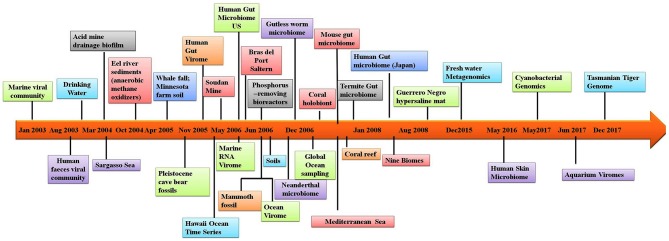
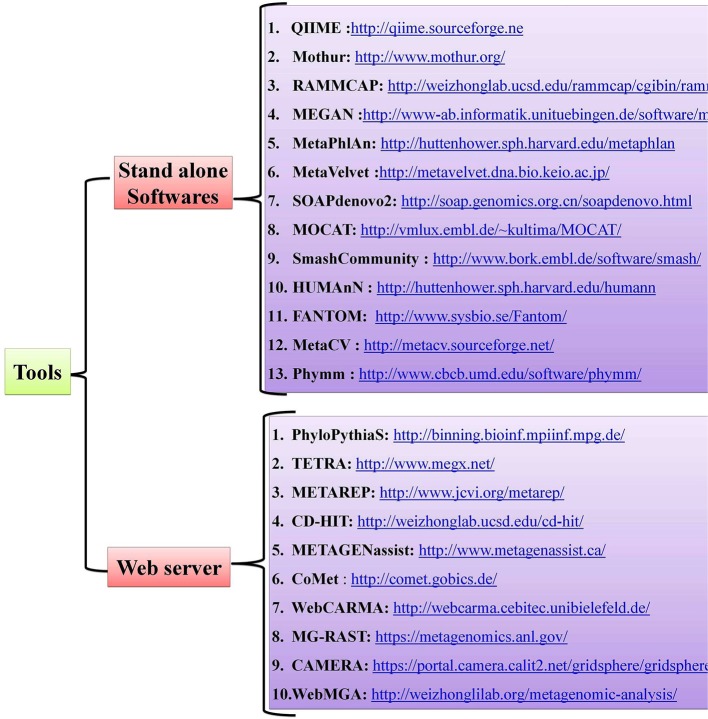
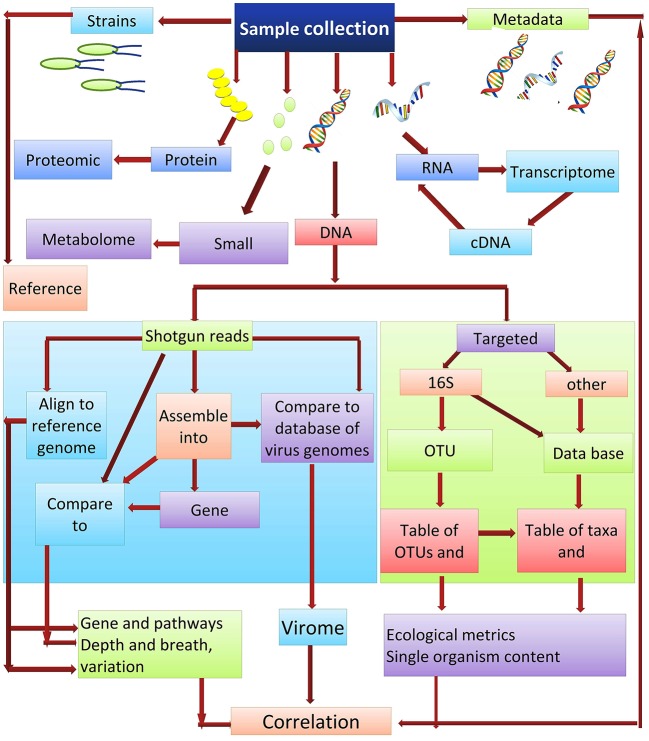
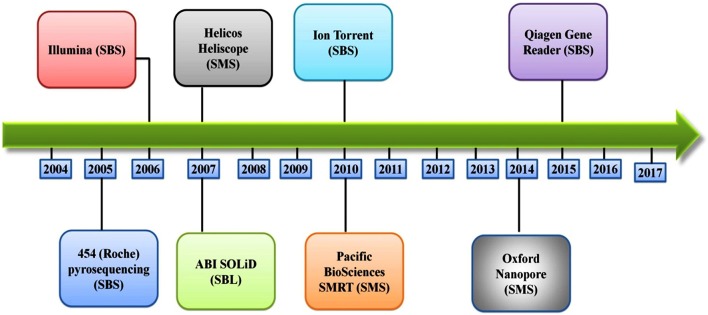
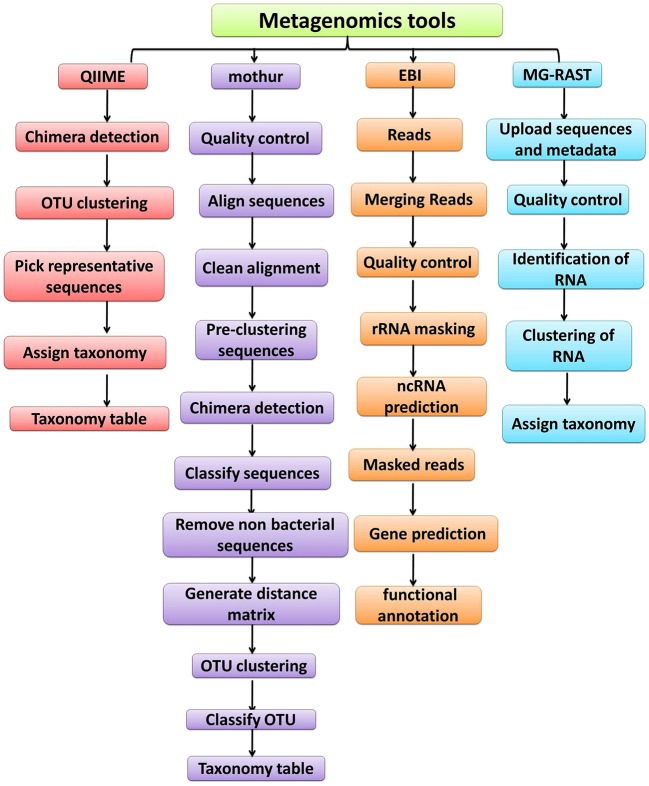
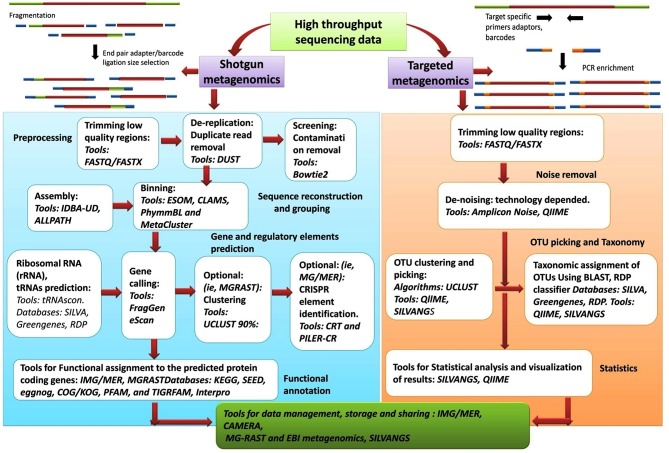
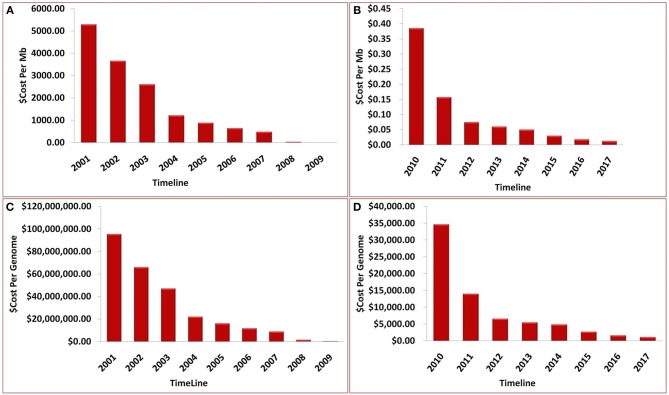
The interaction between the human microbiome and immune system has an effect on several human metabolic functions and impacts our well-being. Additionally, the interaction between humans and microbes can also play a key role in determining the wellness or disease status of the human body. Dysbiosis is related to a plethora of diseases, including skin, inflammatory, metabolic, and neurological disorders. A better understanding of the host-microbe interaction is essential for determining the diagnosis and appropriate treatment of these ailments. The significance of the microbiome on host health has led to the emergence of new therapeutic approaches focused on the prescribed manipulation of the host microbiome, either by removing harmful taxa or reinstating missing beneficial taxa and the functional roles they perform. Culturing large numbers of microbial taxa in the laboratory is problematic at best, if not impossible. Consequently, this makes it very difficult to comprehensively catalog the individual members comprising a specific microbiome, as well as understanding how microbial communities function and influence host-pathogen interactions. Recent advances in sequencing technologies and computational tools have allowed an increasing number of metagenomic studies to be performed. These studies have provided key insights into the human microbiome and a host of other microbial communities in other environments. In the present review, the role of the microbiome as a therapeutic agent and its significance in human health and disease is discussed. Advances in high-throughput sequencing technologies for surveying host-microbe interactions are also discussed. Additionally, the correlation between the composition of the microbiome and infectious diseases as described in previously reported studies is covered as well. Lastly, recent advances in state-of-the-art bioinformatics software, workflows, and applications for analysing metagenomic data are summarized.
Keywords: bioinformatics; diseases; dysbiosis; host-microbe interactions; human microbiome; metagenomics; microbes; next generation sequencing.
Figures
References
Publication types
MeSH terms
LinkOut - more resources
Full Text Sources
Other Literature Sources
Medical
