Prognostic value of immune checkpoint molecules in head and neck cancer: a meta-analysis
- PMID: 30668545
- PMCID: PMC6366990
- DOI: 10.18632/aging.101756
Prognostic value of immune checkpoint molecules in head and neck cancer: a meta-analysis
Abstract
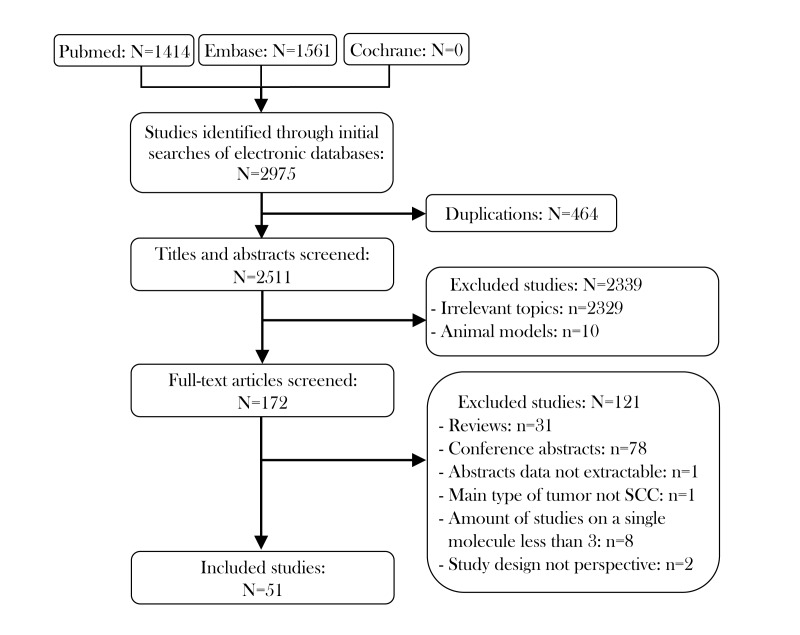
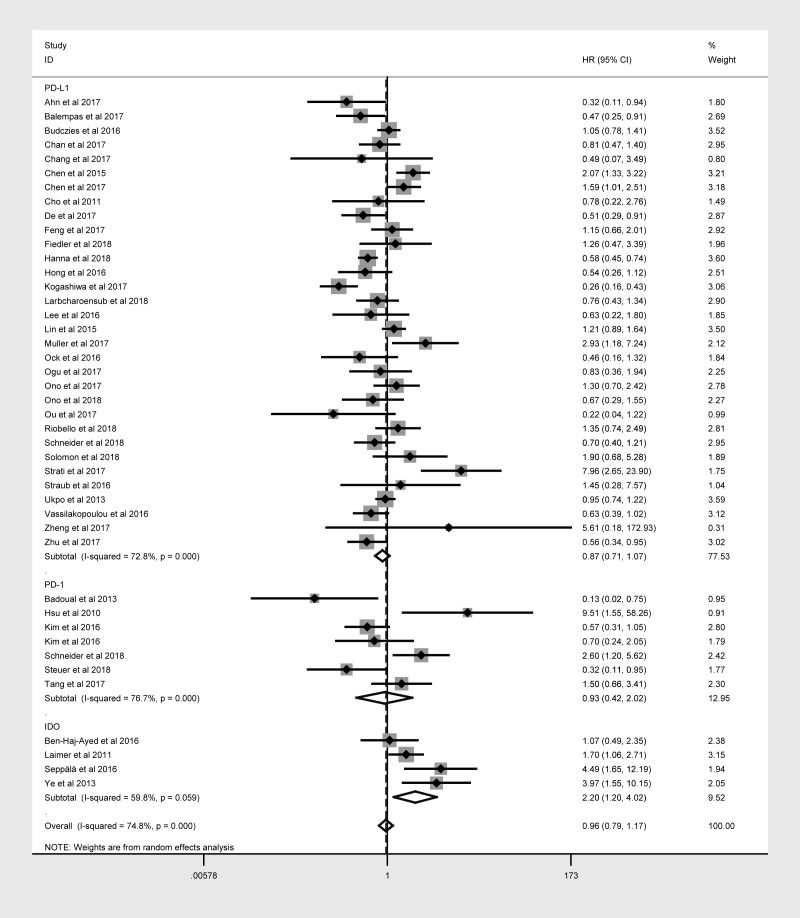
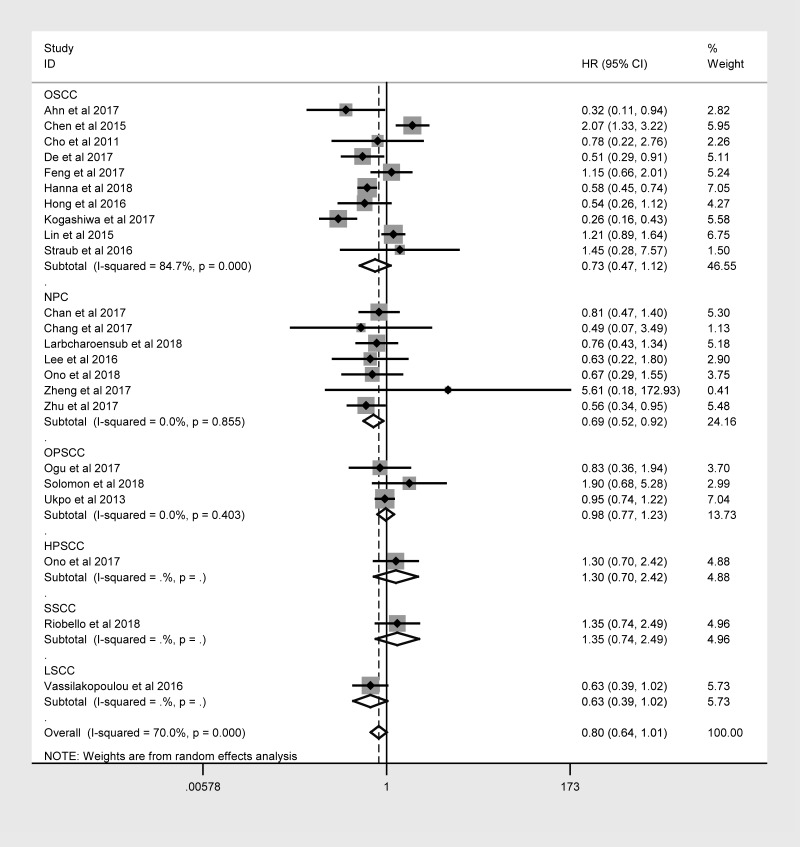
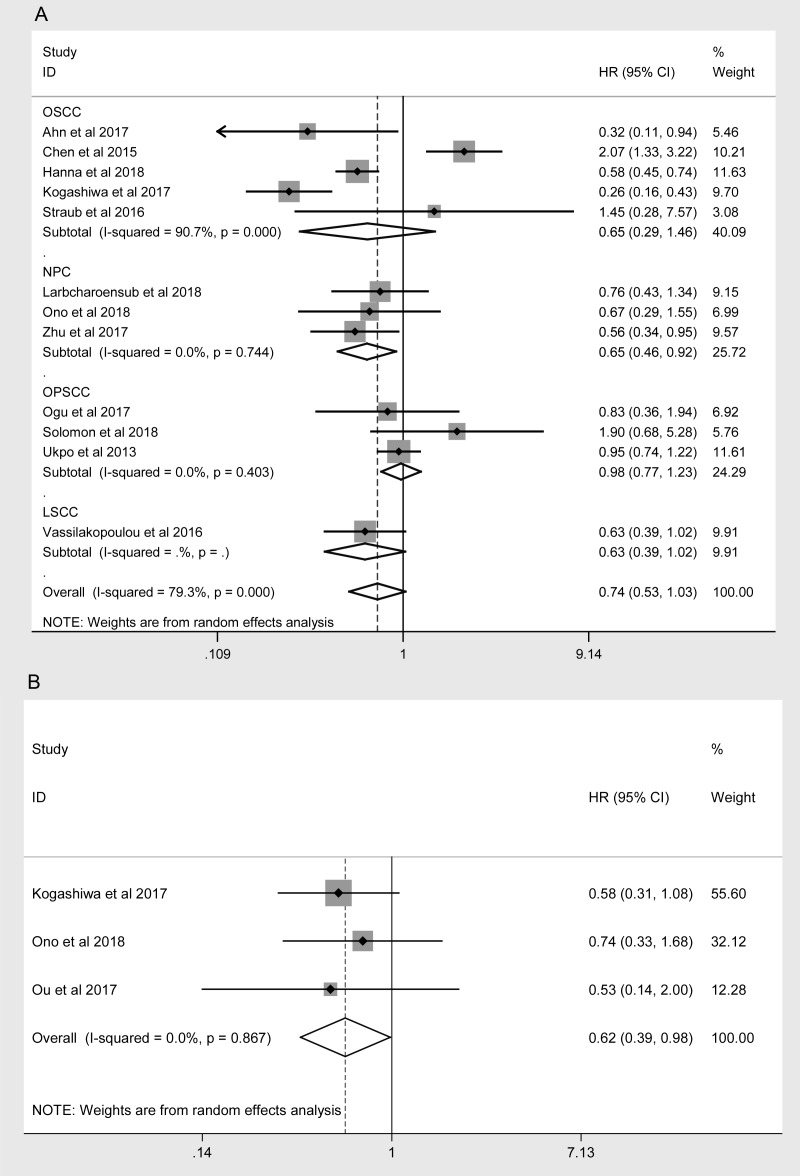
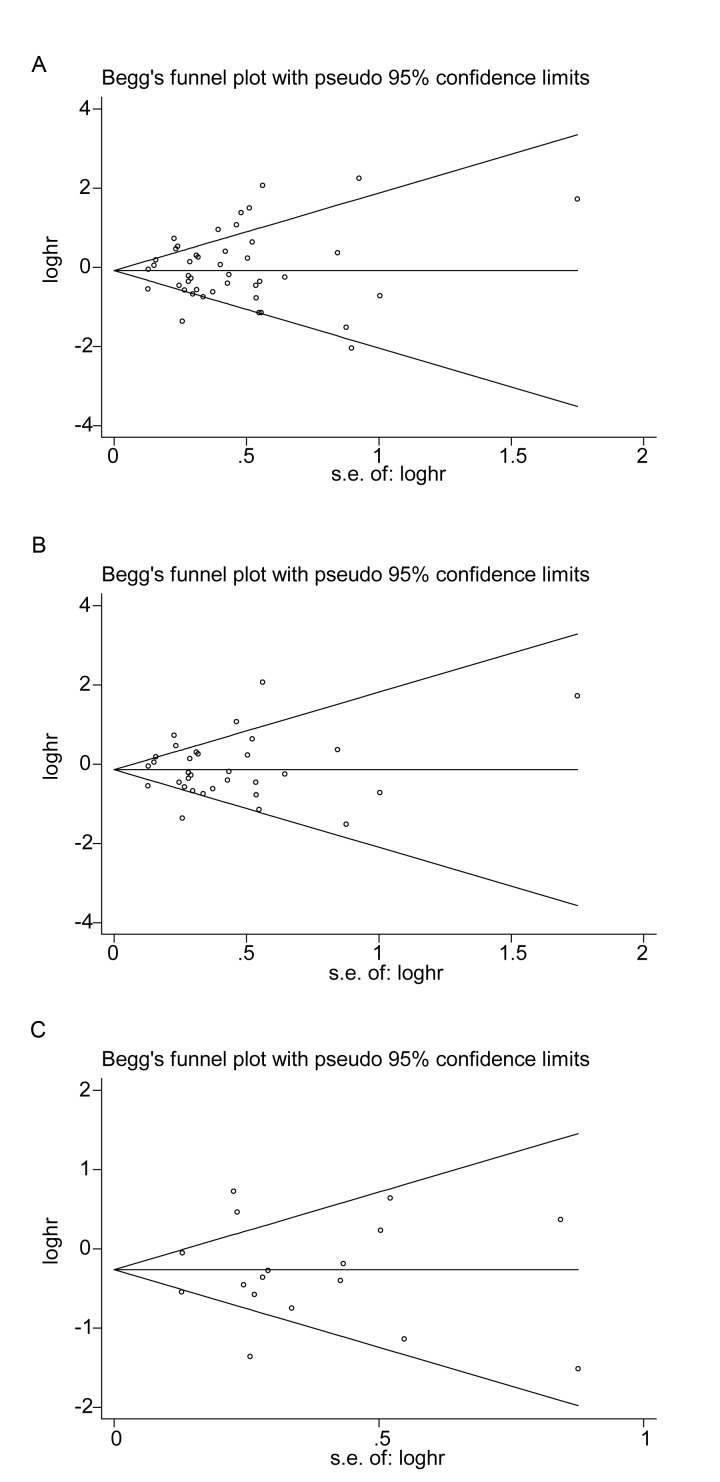
Immune checkpoint molecules are important targets in cancer immunotherapy, but their association with prognosis in patients with head and neck cancer is controversial. In this meta-analysis, we searched for 12 immune checkpoint molecules in the PubMed, Embase and Cochrane Library databases and retrieved 52 studies with 7127 participants. Among the molecules included in the search, indoleamine 2, 3-dioxygenase (IDO), programmed death ligand 1 (PD-L1), and programmed death 1 (PD-1) met the inclusion criteria for further analysis. Higher expression of IDO was associated with poorer overall survival in head and neck cancer patients (P = 0.011), but higher expression of PD-L1 correlated with better overall survival specifically in nasopharyngeal carcinoma patients (P = 0.01). In a sensitivity analysis, higher PD-L1 expression correlated with better progression-free survival (P = 0.043), and was associated with better overall survival in Caucasian subjects (P = 0.02), nasopharyngeal carcinoma patients (P = 0.015), and studies with small sample sizes (P = 0.001). PD-1 had no prognostic significance. There was no publication bias affecting the results. Thus, among the immune checkpoint molecules, IDO and PD-L1 are potential prognostic predictors in head and neck cancer.
Keywords: head and neck cancer; immune checkpoint molecule; meta-analysis; prognosis; survival.
Conflict of interest statement
Figures
References
Publication types
MeSH terms
LinkOut - more resources
Full Text Sources
Medical
Research Materials
Miscellaneous