


Antidiabetic potential of Asparagus racemosus Willd leaf extracts through inhibition of α-amylase and α-glucosidase
- PMID: 30671360
- PMCID: PMC6335566
- DOI: 10.1016/j.jtcme.2017.10.004
Antidiabetic potential of Asparagus racemosus Willd leaf extracts through inhibition of α-amylase and α-glucosidase
Erratum in
-
Erratum for previously published articles.J Tradit Complement Med. 2020 Sep 28;10(6):605. doi: 10.1016/j.jtcme.2020.09.001. eCollection 2020 Nov. J Tradit Complement Med. 2020. PMID: 33134138 Free PMC article.
Abstract
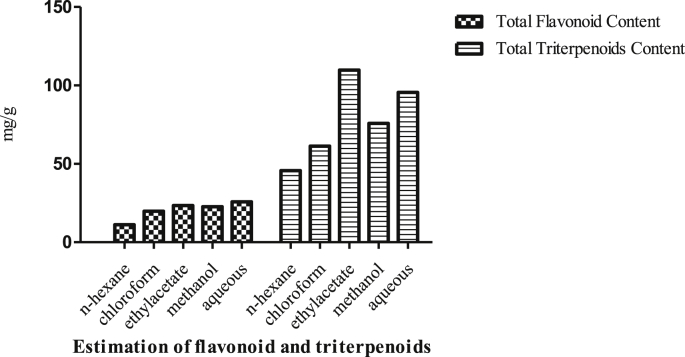
The aim of this work was to evaluate the inhibitory activities of different extracts of Asparagus racemosus Willd on α - amylase and α - glucosidase at varying concentrations. Diabetes mellitus is a clinical condition characterized by hyperglycaemia in which an elevated amount of glucose circulates in the blood plasma. α - amylase and α - glucosidase inhibitors are used to achieve greater control over hyperglycemia in type 2 diabetes mellitus. This study is to treat the diabetes using natural resources. We aimed to evaluate of Asparagus racemosus Willd by digestive enzymes inhibitory activity. n-hexane, chloroform, ethyl acetate, methanol, and aqueous was used to extract the root of the Asparagus racemosus Willd. The different extracts were then used to study its digestives enzymes activity α-amylase and α - glucosidase inhibitory activity. The significant inhibitory effect of α-amylase and α - glucosidase enzyme and exhibited lower inhibitory activity than acarbose was extracted by the ethyl acetate and aqueous extracts of the plant. Flavonoids, Tannins and phenolic, Saponins, Amino acids, Protein are the major phytochemical constituents present. The total flavonoid content plant extracts of ethyl acetate and aqueous showed dose dependent 23.45 ± 1.33 mg rutin equivalent/g and 25.81 ± 0.82 mg rutin equivalent/g respectively. The total triterpenoids content plant extracts of ethyl acetate, aqueous showed dose dependent 109.8 ± 5.6 mg ursolic acid/g and 95.6 ± 7.5 mg ursolic acid/g respectively. The antidiabetic potential and to develop medicinal preparations and nutraceuticals and function foods for diabetes has revealed.
Keywords: Asparagus racemosus Willd; Diabetes mellitus; α-amylase; α-glucosidase.
Figures
References
-
- Matsui T., Tanaka T., Tamura Toshima A., Miyata Y., Tanaka K. Alpha-glucosidase inhibitory profile of catechins and theaflavins. J Agric Food Chem. 2007;55:99–105. - PubMed
-
- Bhandari M.R., Nilubon J.A., Gao, Kawabata J. α -Glucosidase and α amylase inhibitory activities of Nepalese medicinal herb Pakhanbhed (Bergeniaciliata Haw.) Food Chem. 2008;106:247–252.
-
- Kao Y.H., Chang H.H., Lee M.J., Cheng C.L. Tea, obesity and diabetes. Mol Nutr Food Res. 2006;50(2):188–210. - PubMed
-
- Kumar A., Ram J., Samarth R.M., Kumar M. Modulatory influence of Adhatoda vasica Nees leaf extract against gamma irradiation in Swiss albino mice. Phytomedicine. 2005;12:285–293. - PubMed
-
- Samarth R.M., Panwar M., Kumar M., Soni A., Kumar M., Kumar A. Evaluation of antioxidant and radical-scavenging activities of certain radioprotective plant extracts. Food Chem. 2008;106:868–873.
LinkOut - more resources
Full Text Sources