Bisperoxovanadium Mediates Neuronal Protection through Inhibition of PTEN and Activation of PI3K/AKT-mTOR Signaling after Traumatic Spinal Injuries
- PMID: 30672370
- PMCID: PMC6727469
- DOI: 10.1089/neu.2018.6294
Bisperoxovanadium Mediates Neuronal Protection through Inhibition of PTEN and Activation of PI3K/AKT-mTOR Signaling after Traumatic Spinal Injuries
Abstract
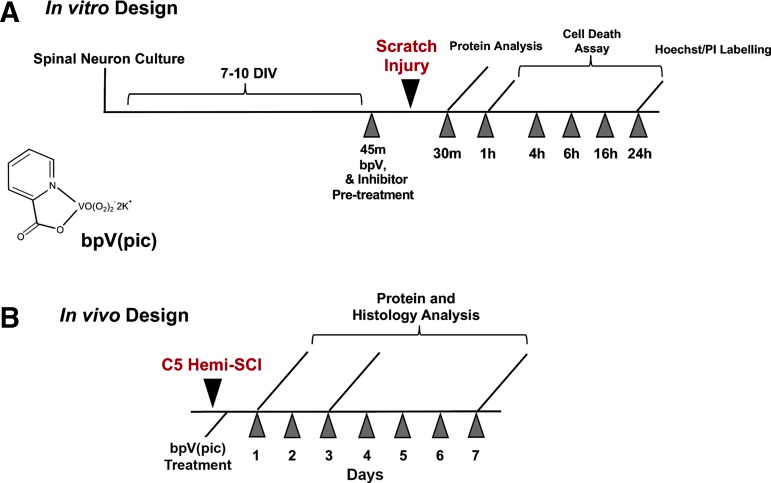
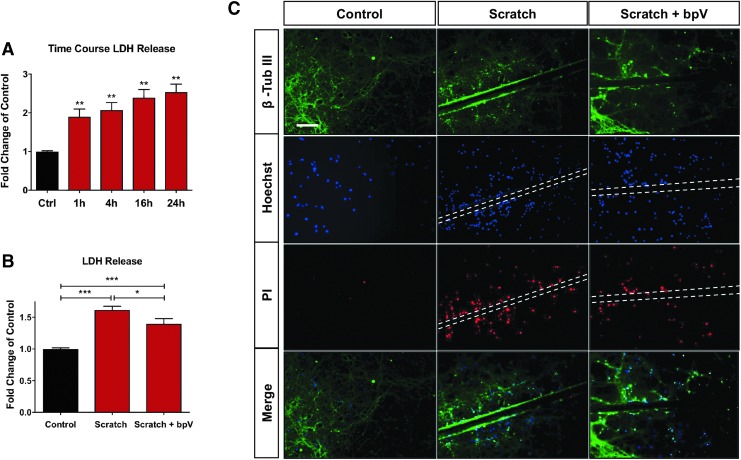
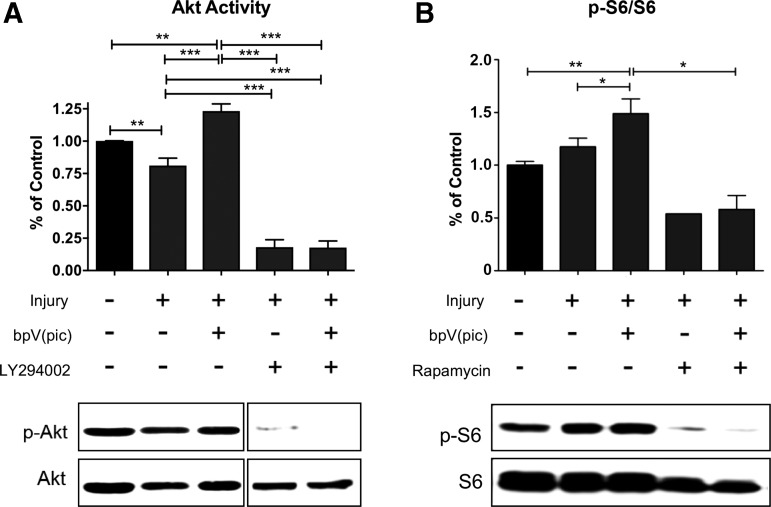
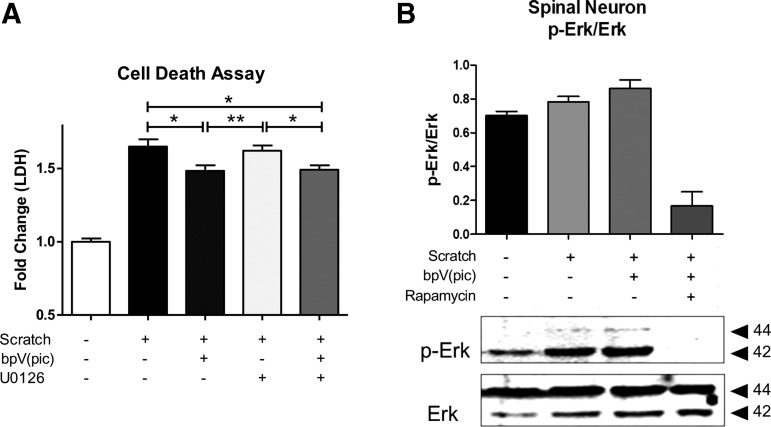
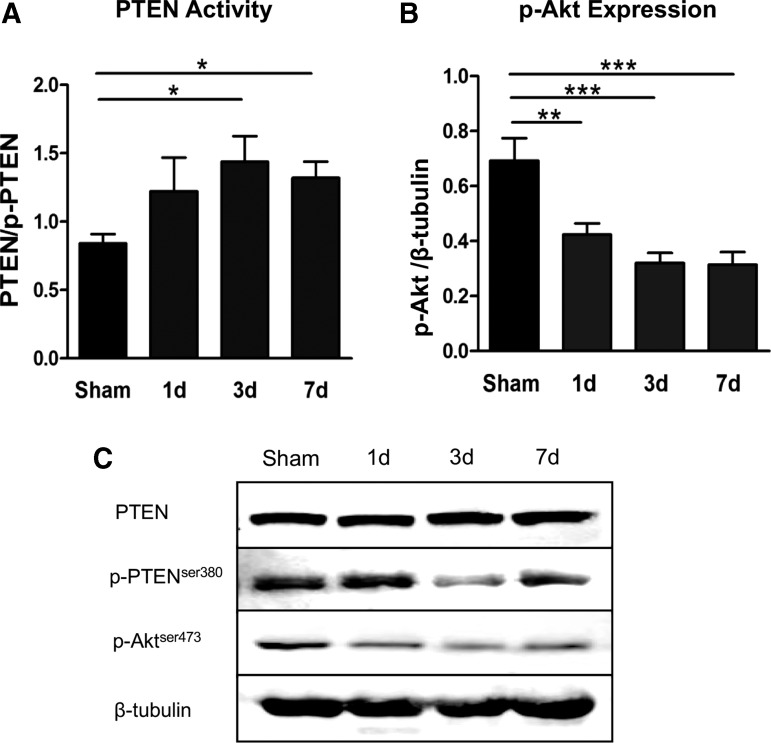
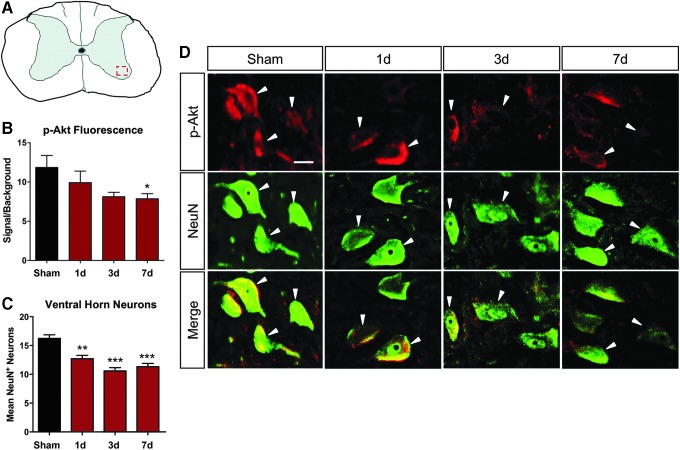
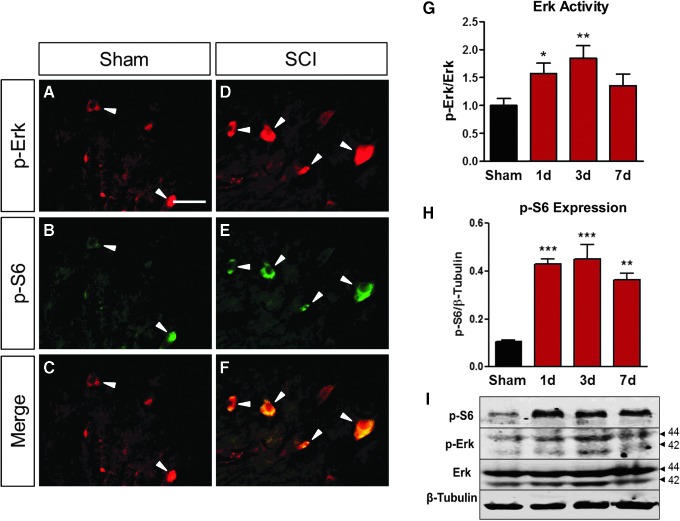
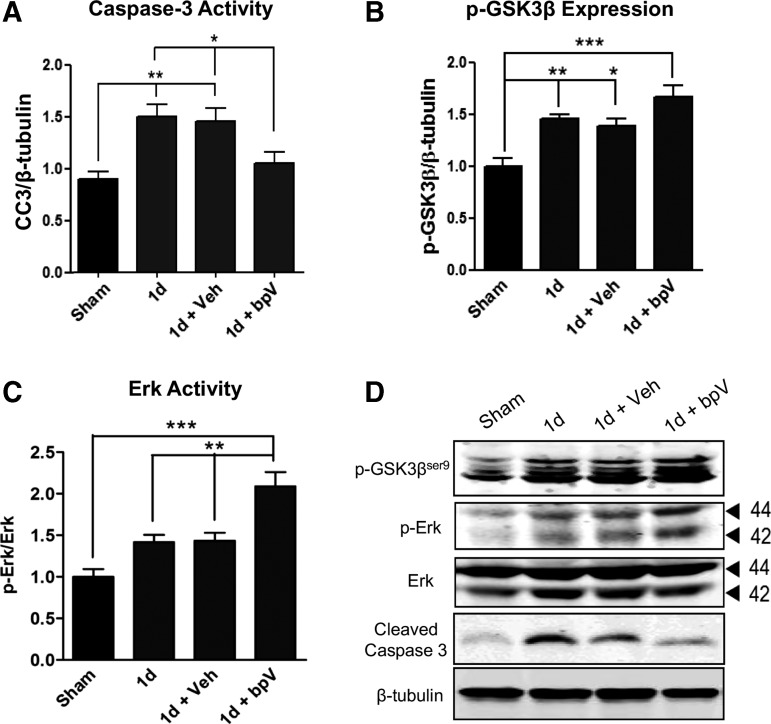
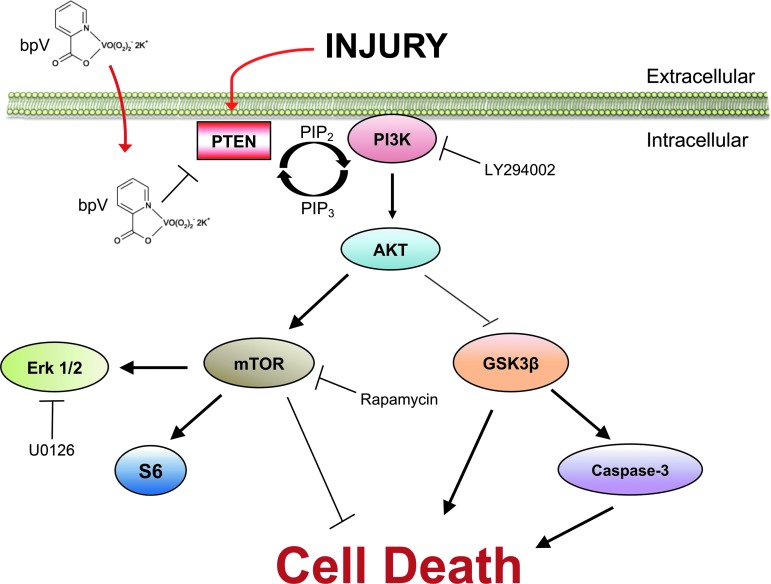
Although mechanisms involved in progression of cell death in spinal cord injury (SCI) have been studied extensively, few are clear targets for translation to clinical application. One of the best-understood mechanisms of cell survival in SCI is phosphatidylinositol-3-kinase (PI3K)/Akt and associated downstream signaling. Clear therapeutic efficacy of a phosphatase and tensin homologue (PTEN) inhibitor called bisperoxovanadium (bpV) has been shown in SCI, traumatic brain injury, stroke, and other neurological disease models in both neuroprotection and functional recovery. The present study aimed to elucidate mechanistic influences of bpV activity in neuronal survival in in vitro and in vivo models of SCI. Treatment with 100 nM bpV(pic) reduced cell death in a primary spinal neuron injury model (p < 0.05) in vitro, and upregulated both Akt and ribosomal protein S6 (pS6) activity (p < 0.05) compared with non-treated injured neurons. Pre-treatment of spinal neurons with a PI3K inhibitor, LY294002 or mammalian target of rapamycin (mTOR) inhibitor, rapamycin blocked bpV activation of Akt and ribosomal protein S6 activity, respectively. Treatment with bpV increased extracellular signal-related kinase (Erk) activity after scratch injury in vitro, and rapamycin reduced influence by bpV on Erk phosphorylation. After a cervical hemicontusive SCI, Akt phosphorylation decreased in total tissue via Western blot analysis (p < 0.01) as well as in penumbral ventral horn motor neurons throughout the first week post-injury (p < 0.05). Conversely, PTEN activity appeared to increase over this period. As observed in vitro, bpV also increased Erk activity post-SCI (p < 0.05). Our results suggest that PI3K/Akt signaling is the likely primary mechanism of bpV action in mediating neuroprotection in injured spinal neurons.
Keywords: PTEN; bisperoxovanadium; bpV; mTOR spinal cord injury; neuroprotection.
Conflict of interest statement
No competing financial interests exist.
Figures
References
-
- Ackery A., Tator C., and Krassioukov A. (2004). A global perspective on spinal cord injury epidemiology. J. Neurotrauma 21, 1355–1370 - PubMed
-
- Kirshblum S.C., Groah S.L., McKinley W.O., Gittler M.S., and Stiens S.A. (2002). Spinal cord injury medicine. 1. Etiology, classification, and acute medical management. Arch. Phys. Med. Rehabil. 83, Suppl 1, S50–S57 - PubMed
-
- Kirshblum S.C. (2002). Clinical activities of the model spinal cord injury system. J. Spinal Cord Med. 25, 339–344 - PubMed
-
- Nandoe Tewarie R.D., Hurtado A., Bartels R.H., Grotenhuis J.A., and Oudega M. (2010). A clinical perspective of spinal cord injury. NeuroRehabilitation 27, 129–139 - PubMed
Publication types
MeSH terms
Substances
Grants and funding
LinkOut - more resources
Full Text Sources
Medical
Research Materials
Miscellaneous