Review
. 2018 May 30;4(2):52.
doi: 10.3390/gels4020052.

Carbohydrate Derived Organogelators and the Corresponding Functional Gels Developed in Recent Time

Affiliations
Review

Carbohydrate Derived Organogelators and the Corresponding Functional Gels Developed in Recent Time

Nabamita Basu et al. Gels. .

Abstract

Owing to their multifarious applicability, studies of molecular and supramolecular gelators and their corresponding gels have gained momentum, particularly in the last two decades. Hydrophobic⁻hydrophilic balance, different solvent parameters, gelator⁻gelator and gelator⁻solvent interactions, including different noncovalent intermolecular interactive forces like H-bonding, ionic interactions, π⁻π interactions, van der Waals interactions, etc., cause the supramolecular gel assembly of micro and nano scales with different types of morphologies, depending on the gelator, solvent, and condition of gelation. These gel structures can be utilized for making template inorganic superstructures for potential application in separation, generation of nanocomposite materials, and other applications like self-healing, controlled drug encapsulation, release and delivery, as structuring agents, oil-spill recovery, for preparation of semi-conducting fabrics, and in many other fields. Sugars, being easily available, inexpensive, and nontoxic natural resources with multi functionality and well-defined chirality are attractive starting materials for the preparation of sugar-based gelators. This review will focus on compilation of sugar derived organogelators and the corresponding gels, along with the potential applications that have been developed and published recently between January 2015 and March 2018.

Keywords: carbohydrates; gels; organogelators; sugars.


Conflict of interest statement

The authors declare no conflicts of interest.

Figures
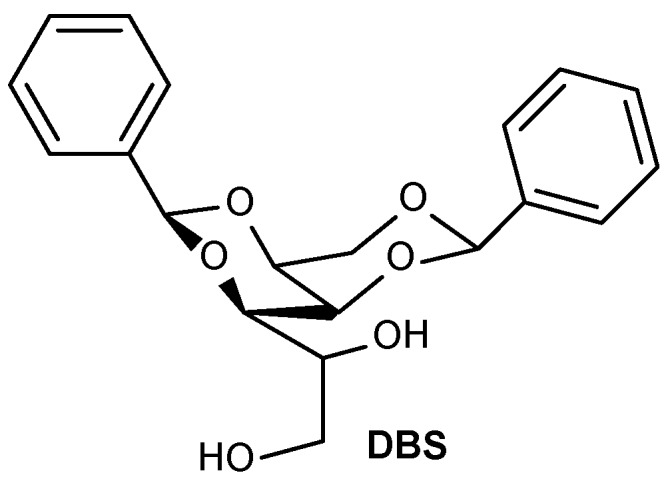
Figure 1
Figure 1
1,3:2,4-Dibenzylidene-d-sorbitol (DBS), 1.
Figure 2
Figure 2
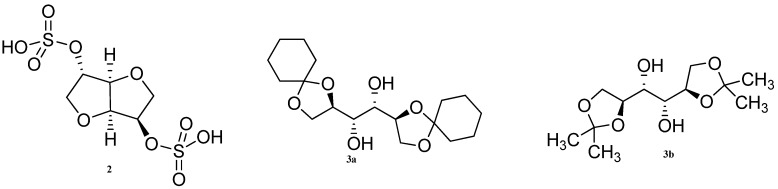
Isosorbide based gelator 2 and mannitol derived gelators 3a and 3b.
Figure 3
Figure 3
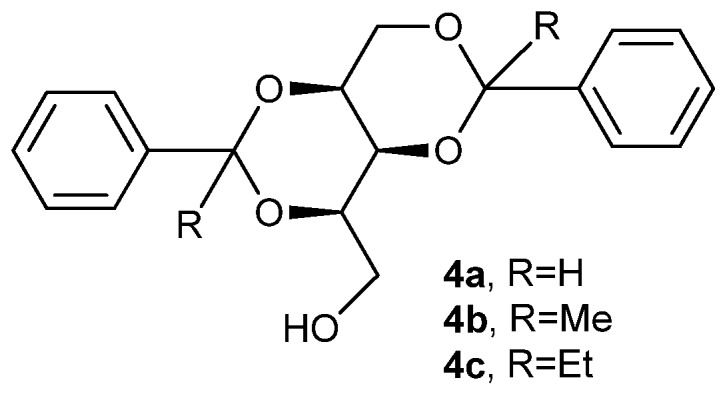
Xylitol based di-O-benzylidene acetal, 4a and ketals, 4b,c.
Figure 4
Figure 4
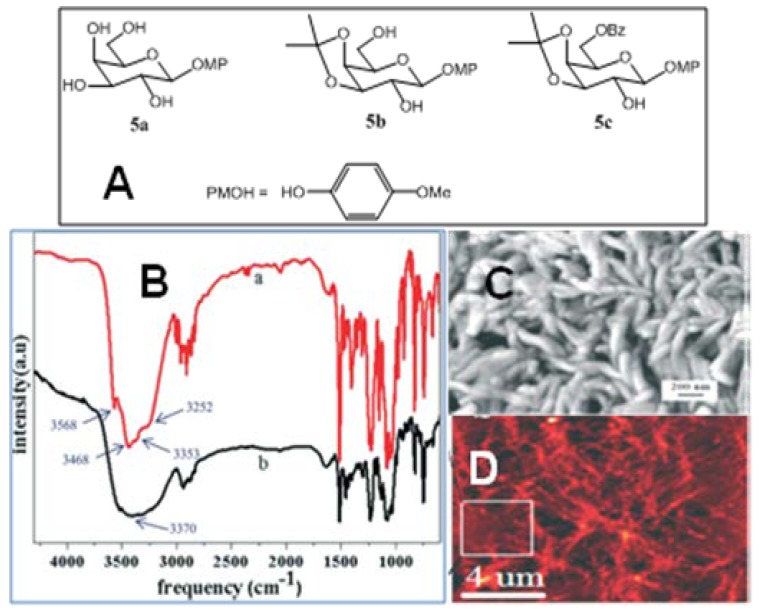
(A) Structures of the sugar compounds; (B) FT-IR spectra of compound 5a in (a) crystalline state and (b) xerogel state (0.25% w/v in 1,2-dichlorobenzene); (C) Field emission scanning electron microscopy (FE-SEM) image of the gel of 5a in 1,2-dichlorobenzene at their CGCs, the scale bar is 200 nm; (D) AFM images of the gels of 5a in 1,2-dichlorobenzene. Reprinted with permission from [64]. Copyright 2015 Royal Society of Chemistry.
Figure 5
Figure 5
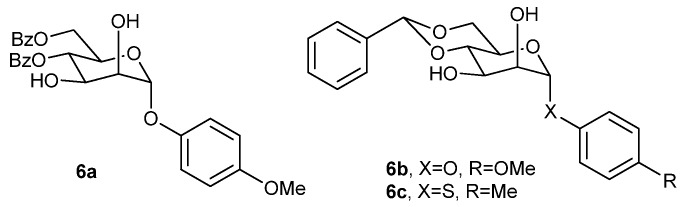
Mannose derived multifunctional low molecular-mass organic gelators (LMOGs).
Figure 6
Figure 6
Sugar appended tryptamine derivative 7.
Figure 7
Figure 7
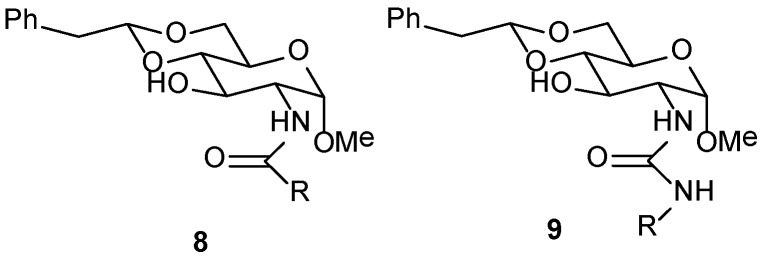
d-glucosamine derived amides 8 and ureas 9.
Figure 8
Figure 8
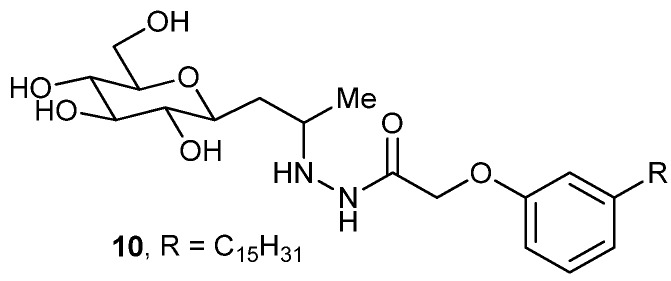
d-glucose based glycolipids.
Figure 9
Figure 9
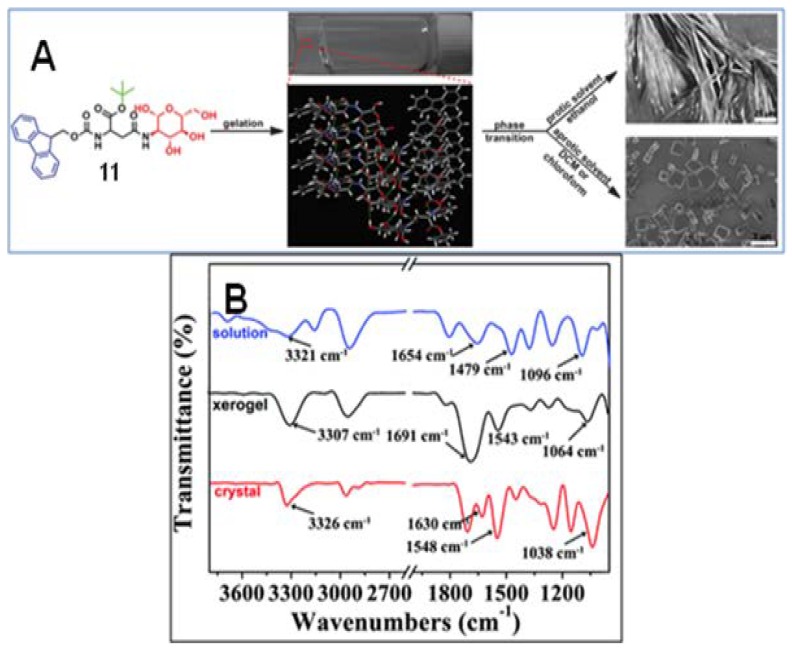
(A) Illustration of the self-assembly of Fmoc-Asp(Glc)-OtBu (11) in 1D microfibers and 3D microcubes in both protic and aprotic solvents; (B) FTIR analysis of the xerogel, microcrystals and solution in dichloromethane (DCM) (1.5 wt %). Reprinted with permission from [72]. Copyright 2016 Royal Society of Chemistry.
Figure 10
Figure 10
Gluconohydrazide 12a and gluconosemicarbazide 12b.
Figure 11
Figure 11
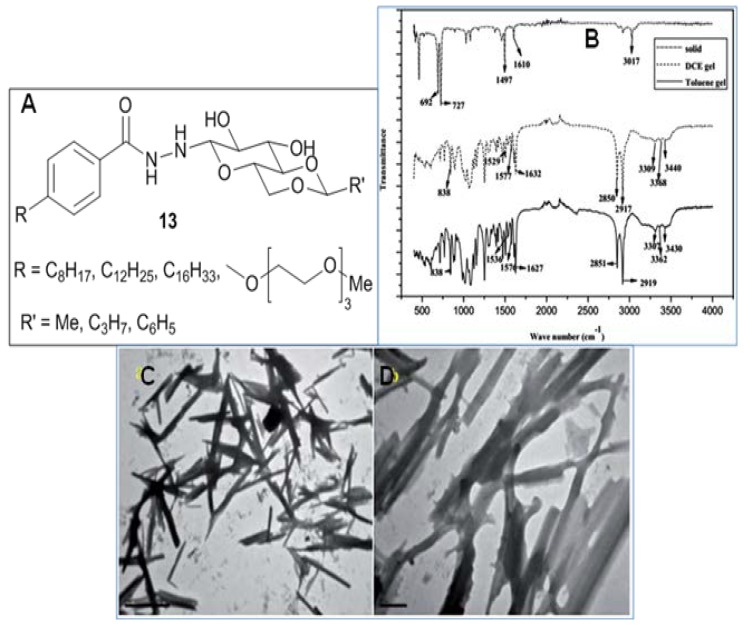
(A) Structures of gelators; (B) FTIR spectra of compound 13 (with R = OC8H17; R’ = CH3) solid, gel (dichloroethane), gel (toluene); high-resolution transmission electron microscopy (HR-TEM) images of this compound (dissolved in dichloroethane) under different magnifications: (C) 1 mm and (D) 0.5 mm. Reprinted with permission from [74]. Copyright 2016 Royal Society of Chemistry.
Figure 12
Figure 12
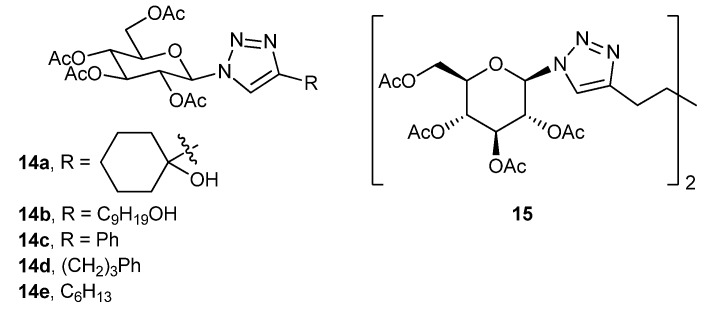
Glucosylated triazole derivatives.
Figure 13
Figure 13
Mono- and di-saccharide derived glycosyl triazoles.
Figure 14
Figure 14
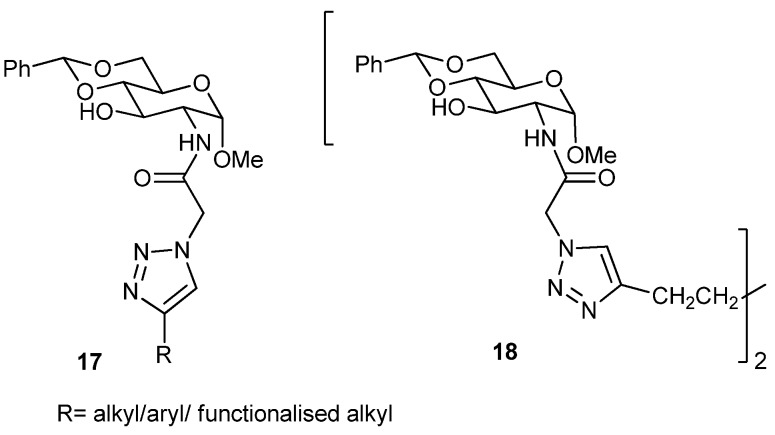
Triazolyl anchored d-glucosamide based glycolipids.
Figure 15
Figure 15
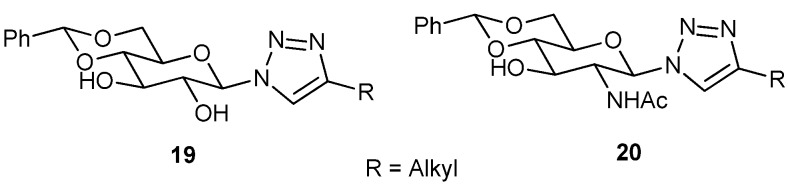
d-Glucose and N-acetylglucosamine derived triazoles.
Figure 16
Figure 16
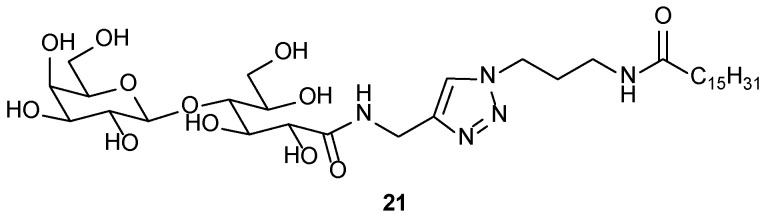
Triazole appended lactobionic acid amide based glycolipid.
Figure 17
Figure 17
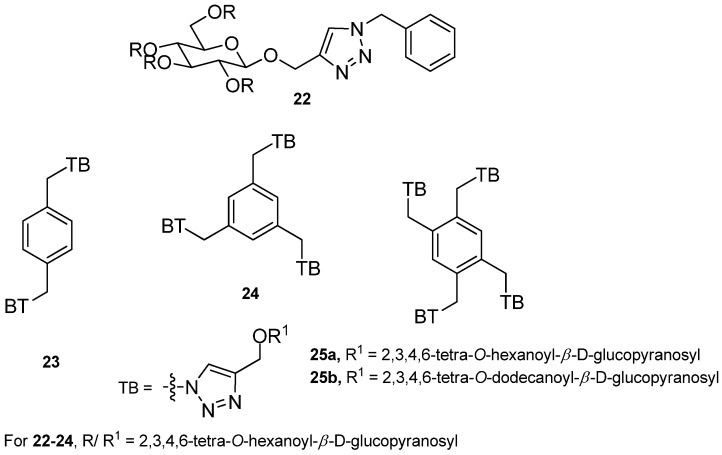
Phenyl centered glycosylated triazoles.
Figure 18
Figure 18
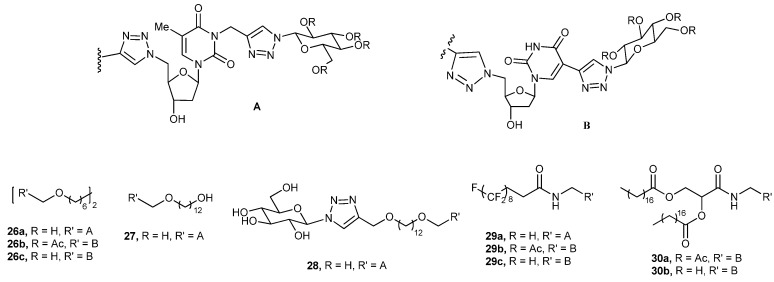
Glycosyl triazole anchored thymidine and uridine based glycolipids.
Figure 19
Figure 19
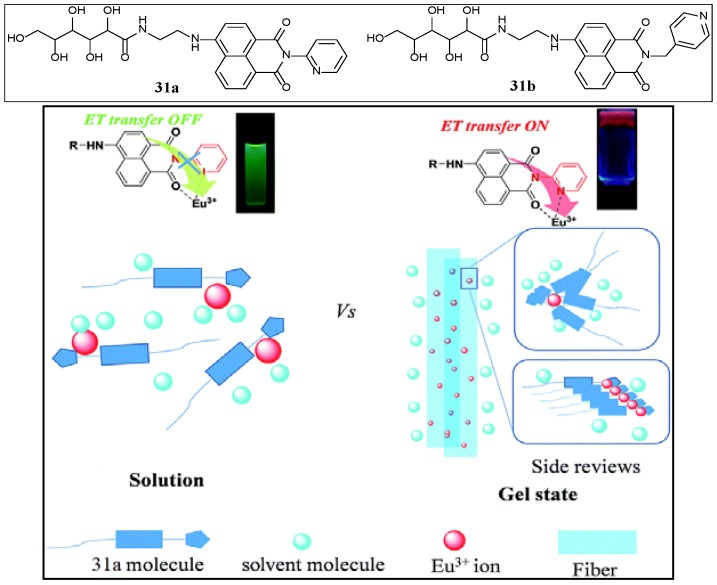
Illustration of the assembly mechanism and energy transfer process of 31a and Eu3+ ions. Reprinted with permission from [84]. Copyright 2015 Royal Society of Chemistry.
Figure 20
Figure 20
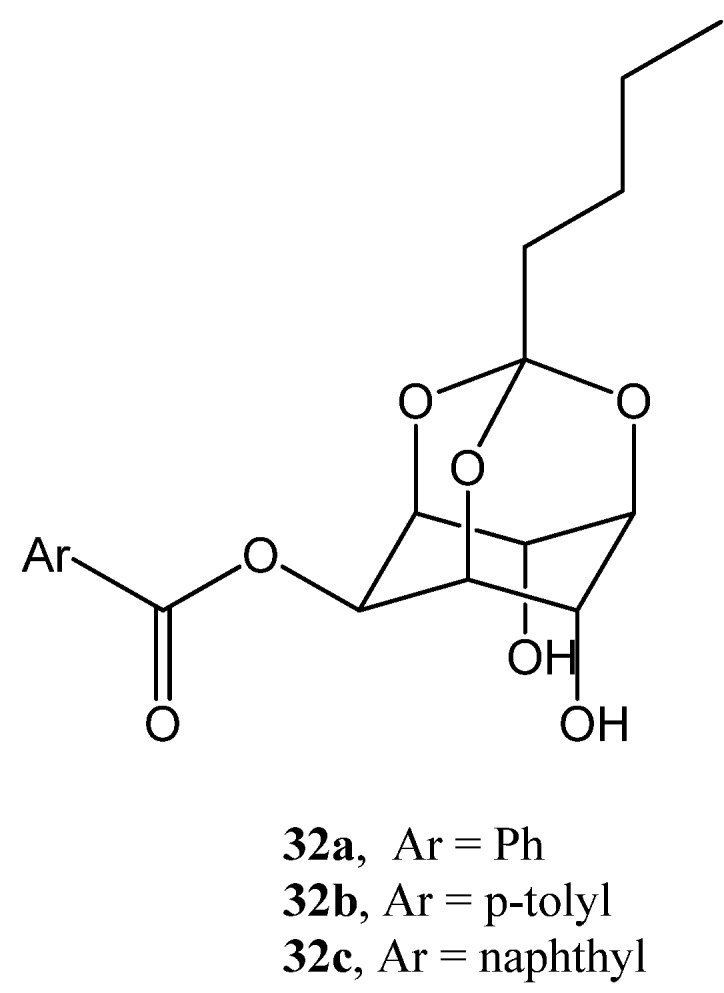
Mono O-acyl-myo-inositol orthopentanoates.
Figure 21
Figure 21
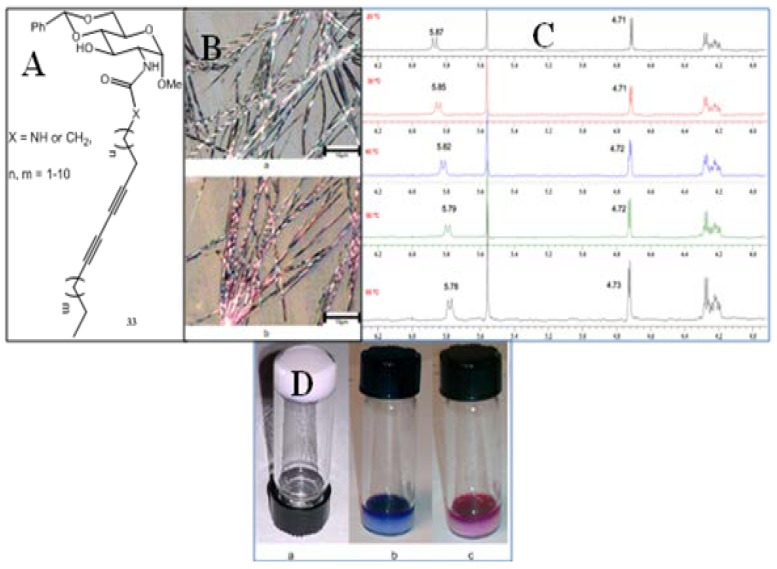
(A) Structure of the gelators; (B,C) optical micrographs of a gel formed by compound 33 (with n = 7, m = 8) in ethanol at 0.8 mg/mL. (a) Before treatment of the gel with UV light. (b) After irradiation with UV light for 1 min. (C): Temperature dependent 1H-NMR study of the gelator from 20 to 55 °C. Note that the NH bond absorption shifted gradually from 5.87 to 5.78 ppm at 55 °C; (D) gel formed by compounds 33 (with n = 7, m = 8) and its responses to UV treatment. (a) An opaque gel formed by this compound in ethanol at 1.5 mg/mL. (b) The gel in vial (A) was treated with UV irradiation for 7 min through the top of the vial. (c) The gel in vial (B) turned purple-red when heating at 70 °C in a water bath. Reprinted with permission from [99]. Copyright 2015 American Chemical Society.
Figure 22
Figure 22
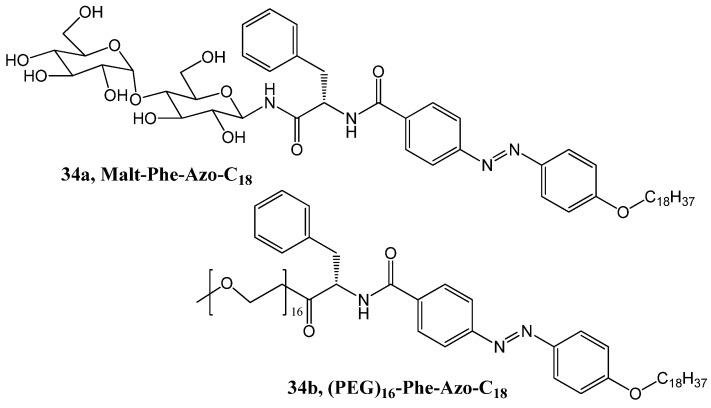
Maltose and PEG derived amphiphiles containing azobenzene.
Figure 23
Figure 23
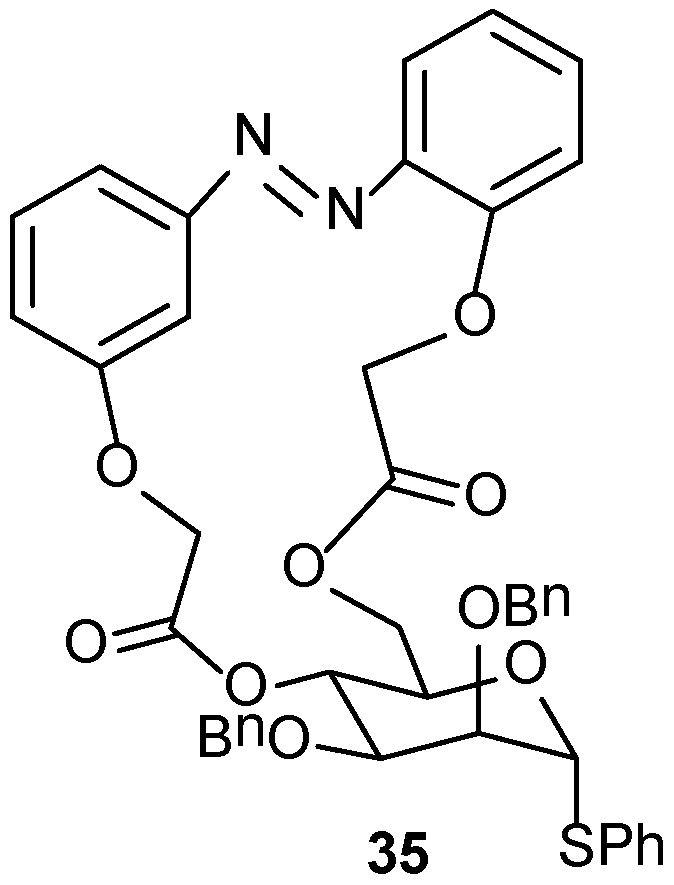
Mannose derived macrocyclic azobenzene.
Figure 24
Figure 24
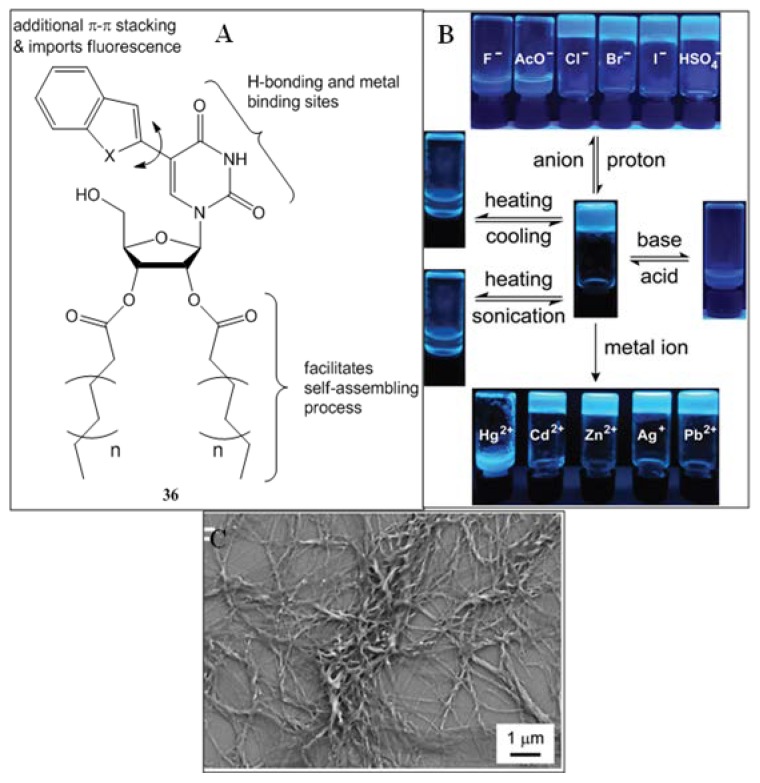
(A) Structures of uracil derived glycolipids; (B) responsiveness of benzothiophene-modified nucleolipid gel 36 (with a palmitoyl alkyl chain) to physical (temperature and sonication) and chemical stimuli (anion, acid-base, and metal ion). Photographs under UV illumination (365 nm) clearly show the changes in fluorescence upon application of external stimuli; (C) field emission scanning electron microscopy (FESEM) images of its xerogels forming twisted fibers. Reprinted with permission from [103]. Copyright 2016 Royal Society of Chemistry.
Figure 25
Figure 25
(A) Design of self-assembling thymidine nucleolipids, which show different gelation behavior, morphology, surface tunability, and metal-ion responsiveness depending on the site of attachment of the fatty acid acyl chain onto the sugar residue. Water induces the supramolecular gelation of 3′-O-monofatty acid-substituted nucleolipids dispersed in organic solvents. The surface of the xerogel films could be tuned between highly hydrophobic and hydrophilic states using an appropriate organic solvent-water mixture. 3′,5′-O-Difatty acid-substituted nucleolipids form organogels, which is highly responsive to the presence of Hg2+ ions; (B) 1H NMR spectra of a 3′-stearoyl derived glycolipid gel (partial gel, d6-DMSO-water = 95:5) at its CGC as a function of increasing temperature. N3-H and 5′-OH atoms exhibited a discernible upfield shift in their proton signals during gel to sol transition. Reprinted with permission from [104]. Copyright 2016 American Chemical Society.
Figure 26
Figure 26
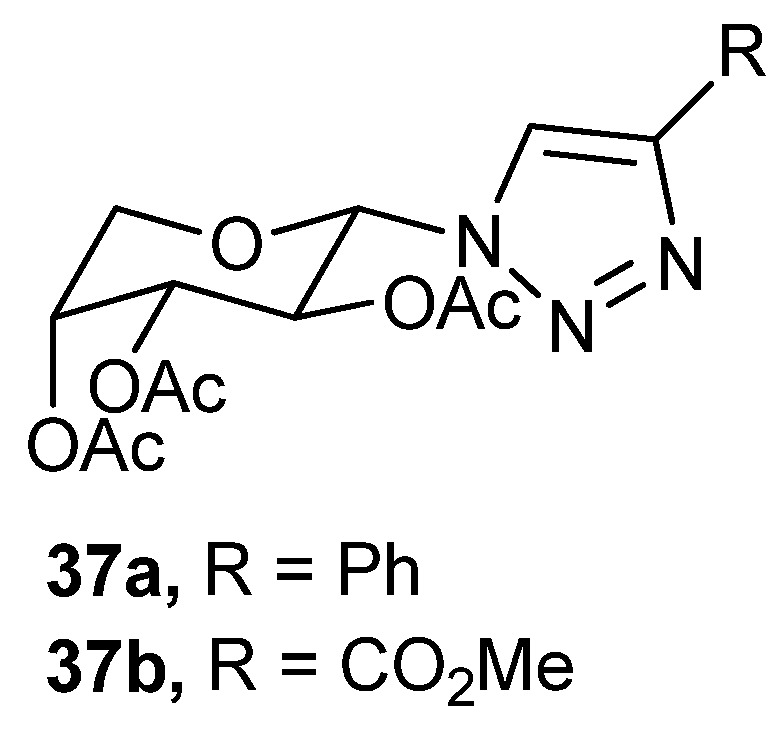
Per-O-acetyl-β-d-arabinopyranosyl triazoles.
Figure 27
Figure 27
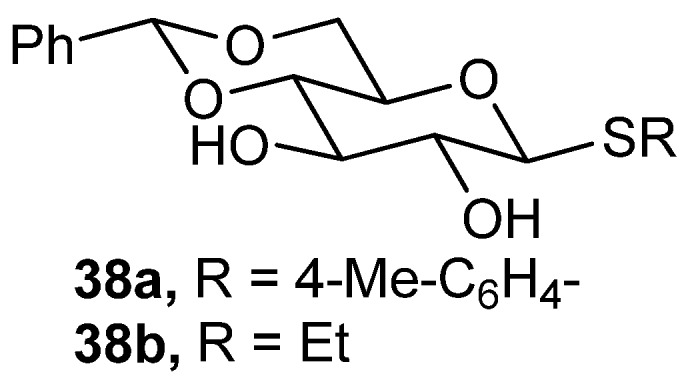
Thioglucoside based organogelators.
Figure 28
Figure 28
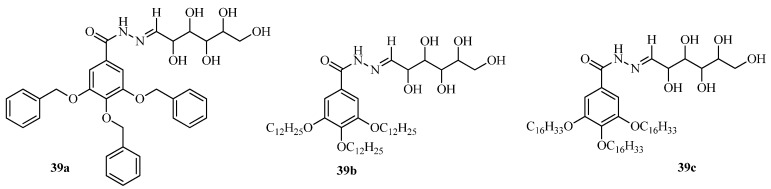
Glucose derived poly(arylether)dendritic molecules.
Figure 29
Figure 29
4,6-O-Benzylidene-β-d-galactopyranosyl triazoles.
Figure 30
Figure 30
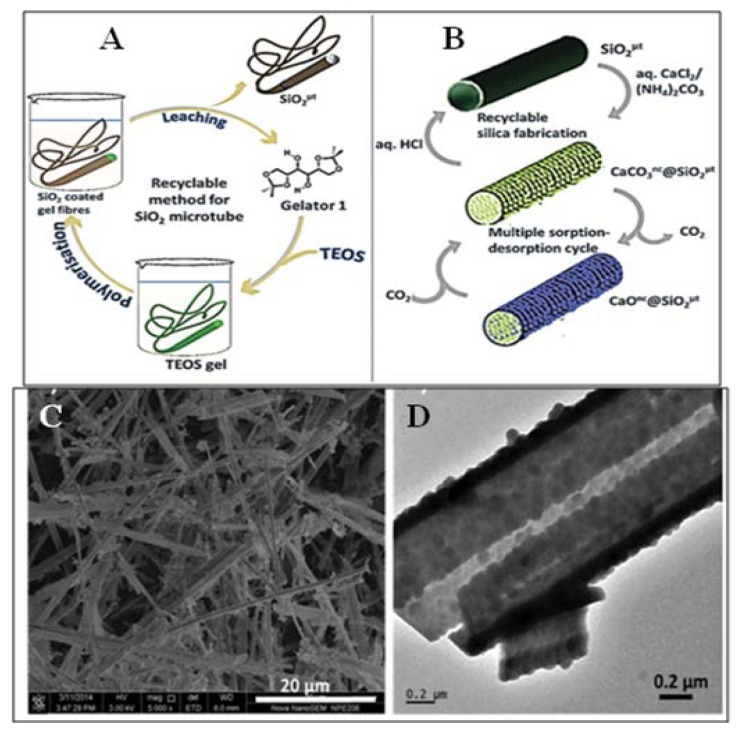
Schematic Proposal for (A) large-scale preparation of hollow silica microtubes using recyclable organogel template and (B) use of silica microtubes as a platform for growing CaO nanocrystals and their use as sintering-free sorbent for multicycle calcium looping; (C) SEM image of silica microtubes after growing CaCO3 nanocrystals over their surface; (D) TEM image of the CaCO3 nc-grown-SiO2 microtubes, showing the growth of CaCO3 nanocrystals on either surface of the SiO2 tubes. Reprinted with permission from [126]. Copyright 2016 Royal Society of Chemistry.
Figure 31
Figure 31
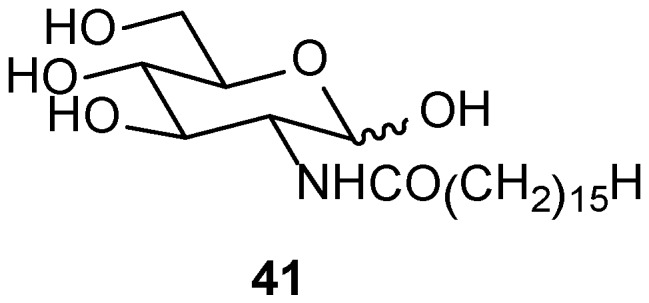
N-palmitoylglucosamine.
Figure 32
Figure 32
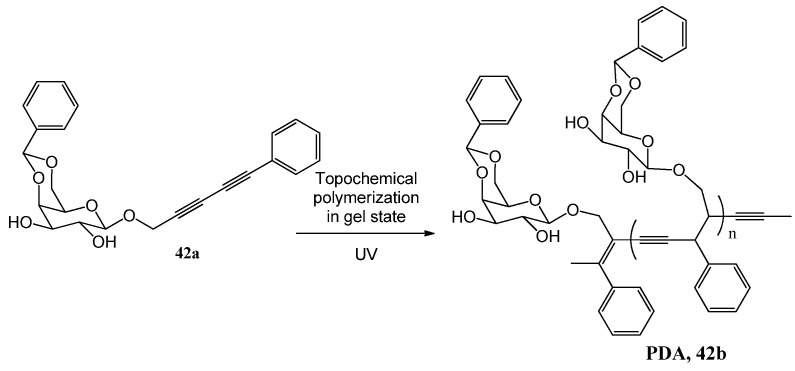
Galactose derived poly diacetylenes.
Figure 33
Figure 33
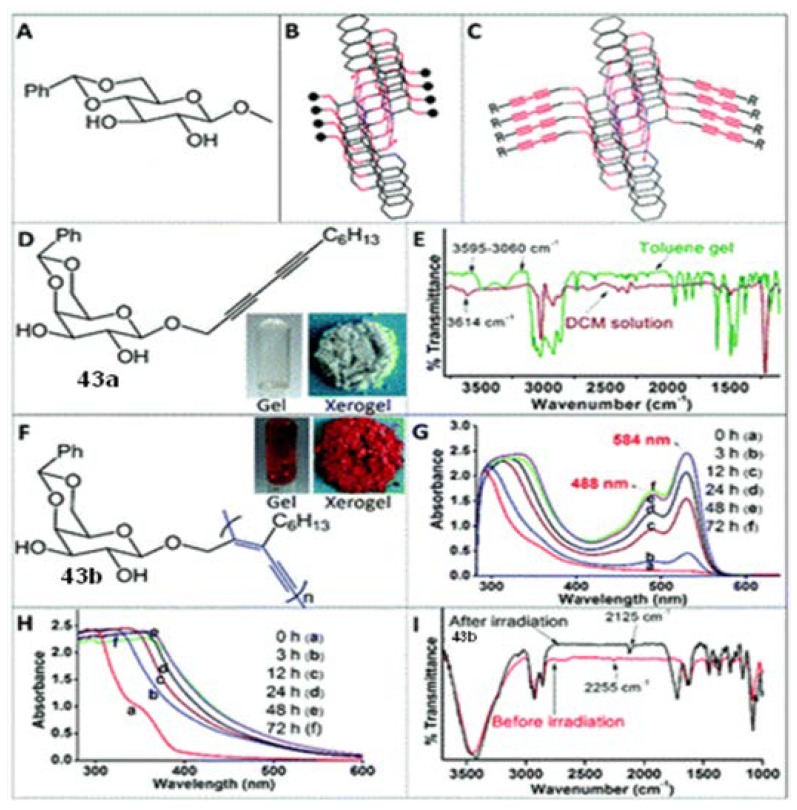
(A) Chemical structure and (B) packing of 4,6-O-benzylidene methyl β-d-glucopyranoside in its gel showing a stacked arrangement of methyl groups; (C) proposed packing arrangement of the diacetylene functionalized gelator; (D) chemical structure of a photo-polymerizable organogelator 43a. An inverted test-tube image of the toluene gel is also shown; (E) IR spectral comparison of DCM solution with the toluene gel of diyne 43a; (F) chemical structure of 43b obtained by topochemical polymerization of diyne 43a in the gel state. A photograph of the polymerized gel is also shown; (G) and (H) time-dependent UV-visible spectra of 43a in toluene gel and in DCM solution, respectively; (I) an overlay of the FT-IR spectra of the xerogels made before (43a) and after UV-irradiation of toluene gel (43b). Reprinted with permission from [135]. Copyright 2016 Royal Society of Chemistry.
Figure 34
Figure 34
(A) Structure of Bn and aliphatic acids; (B) (a) Illustration of self-healing properties of the CB gels (2.0% w/v) obtained from undoped B6–A10 gel, yellow dye-doped B6–A14 gel, and red dye-doped B6–A18 gel. (b) View of the building from a distance of 50 m through B6–A18/CB gel. (c) B6–A18/CB gel film. (d) Extrusion of red dye-doped B6–A18/CB gel from a syringe. (e) 20 mg B6–A18 powders were added to the mixture of 1 mL benzene and 10 mL of 0.1 mM aqueous solution of methylene blue. Reprinted with permission from [137]. Copyright 2016 Royal Society of Chemistry.
Figure 35
Figure 35
(A) Schematic demonstration of the combined biorefinery model with green chemistry principles, extracting reagents from waste and biomass resources to develop functional materials from value-added chemicals; (B) synthetic scheme for the development of novel medium- and long-chain triglyceride gelators following the model; (C) 1H NMR spectra of RKG8 mixtures in toluene: a close-up on the shifting carbohydrate peaks. The bottom spectra (B–E) are in the gel state, and the top spectrum (A) is a solution. There is a shift in the pyranose hydrogen at the C1 position δ 4.9 following the stretched hydrogen bond in the gel that then relaxes when the molecules are in solution.; (D) (Left) FTIR spectra of oleogel and bulk gelators samples; (right) hydrogen bonding region displays weak O–H peaks in the gel spectrum. Reprinted with permission from [139]. Copyright 2015 American Chemical Society.

References

    1. Lehn J.M. Supramolecular Chemistry: Concepts and Perspectives. VCH; Weinheim, Germany: 1995.
    1. Lehn J.M. Perspectives in supramolecular chemistry—From Molecular recognition towards molecular information pro cessing and self-organization. Angew. Chem. Int. Ed. Engl. 1990;29:1304–1319. doi: 10.1002/anie.199013041. - DOI
    1. Lloyd J. The problem of gel structure. Colloid Chem. 1926;1:767–782.
    1. Térech P. Materials with self-assembled fibrillar networks. In: Térech P., Weiss R.G., editors. Molecular Gels. Springer; Dordrecht, The Netherlands: 2006.
    1. Sangeetha N.M., Maitra U. Supramolecular gels: Functions and uses. Chem. Soc. Rev. 2005;34:821–836. doi: 10.1039/b417081b. - DOI - PubMed