The effects of iclaprim on exotoxin production in methicillin-resistant and vancomycin-intermediate Staphylococcus aureus
- PMID: 30676310
- PMCID: PMC6580997
- DOI: 10.1099/jmm.0.000929
The effects of iclaprim on exotoxin production in methicillin-resistant and vancomycin-intermediate Staphylococcus aureus
Abstract
Purpose: Extracellular protein toxins contribute to the pathogenesis of Staphylococcus aureus infections. The present study compared the effects of iclaprim and trimethoprim - two folic acid synthesis inhibitors - with nafcillin and vancomycin on production of Panton-Valentine leukocidin (PVL), alpha haemolysin (AH) and toxic-shock syndrome toxin I (TSST-1) in methicillin-resistant and vancomycin-intermediate S. aureus (MRSA and VISA, respectively).
Methodology: Northern blotting and RT-PCR were used to assess gene transcription; toxin-specific bioassays were used to measure protein toxin production.
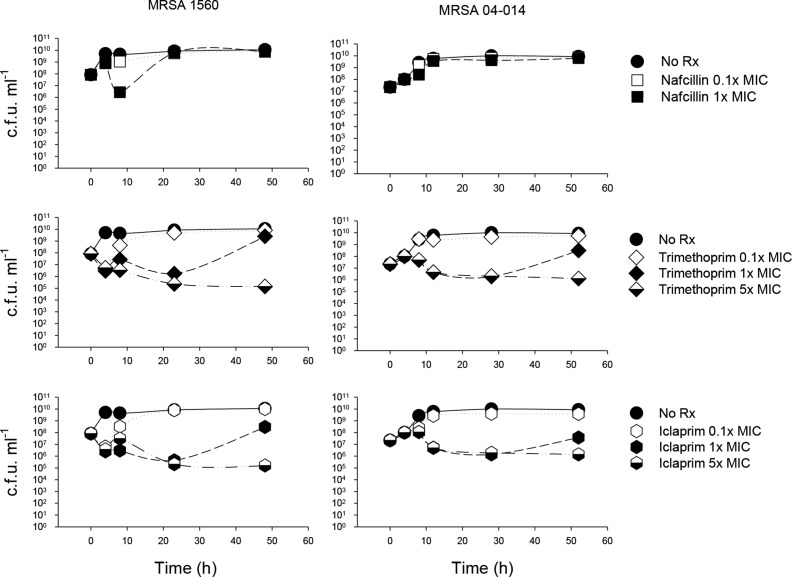
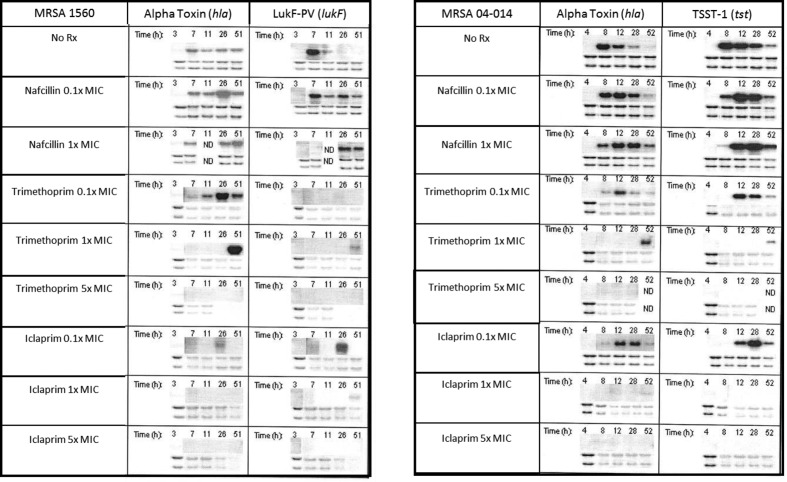
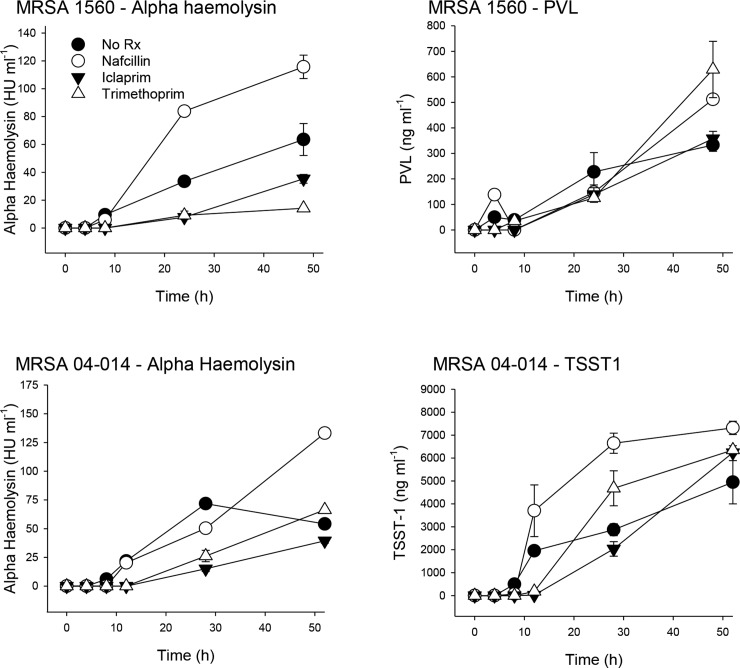
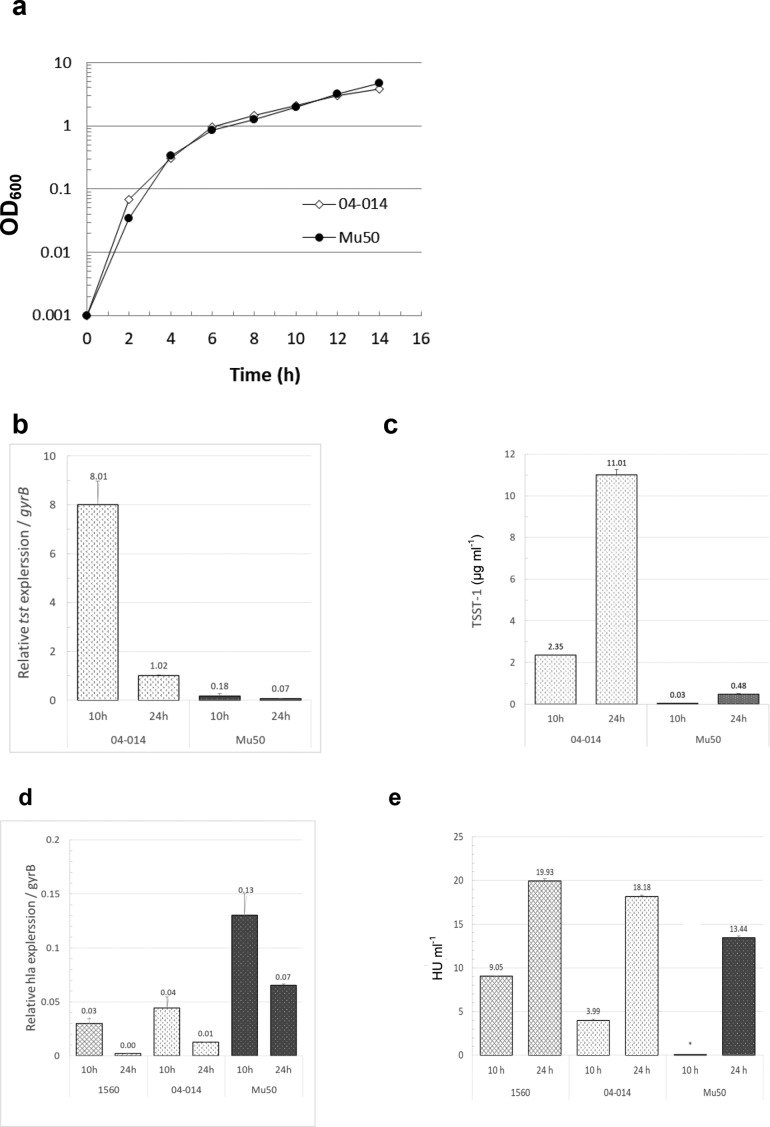
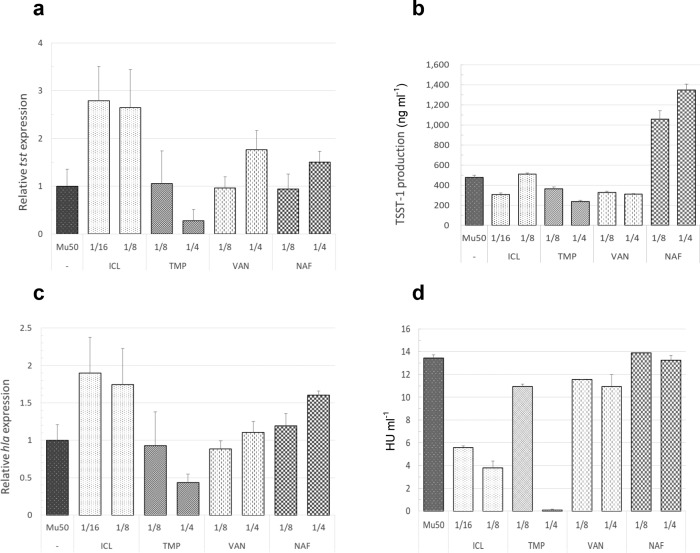
Results: As shown previously, sub-inhibitory concentrations (sub-MIC) of nafcillin increased and prolonged MRSA toxin gene transcription and enhanced PVL, TSST-1 and AH production. Sub-inhibitory doses of iclaprim and trimethoprim delayed maximal AH gene (hla) transcription and suppressed AH production; both drugs delayed, but neither reduced, maximal TSST-1 production. Trimethoprim significantly increased lukF-PV expression and PVL production compared to both untreated and iclaprim-treated cultures. Higher concentrations of iclaprim and trimethoprim markedly suppressed MRSA growth, mRNA synthesis and toxin production. In VISA, iclaprim, vancomycin and nafcillin variably increased tst and hla expression, but only nafcillin increased toxin production. Despite its ability to increase hla expression, iclaprim was the most potent inhibitor of AH production.
Conclusions: We conclude that, due to its ability to suppress toxin production, iclaprim should be effective against severe staphylococcal infections caused by toxin-producing MRSA and VISA strains, especially given its ability to concentrate at sites of infection such as skin and skin structures and the lung.
Keywords: Iclaprim; MRSA; Panton–Valentine leukocidin; Staphylococcus aureus; TSST-1; VISA; alpha haemolysin.
Conflict of interest statement
A.E.B., S.G., E.K. and D.L.S. have no conflict of interest to declare; D.B.H. is an employee of Motif BioSciences.
Figures
References
-
- Hartman PG. Molecular aspects and mechanism of action of dihydrofolate reductase inhibitors. J Chemother. 1993;5:369–376. - PubMed
-
- Entenza JM, Haldimann A, Giddey M, Lociuro S, Hawser S, et al. Efficacy of iclaprim against wild-type and thymidine kinase-deficient methicillin-resistant Staphylococcus aureus isolates in an in vitro fibrin clot model. Antimicrob Agents Chemother. 2009;53:3635–3641. doi: 10.1128/AAC.00325-09. - DOI - PMC - PubMed
-
- Hamilton SM, Bryant AE, Carroll KC, Lockary V, Ma Y, et al. In vitro production of Panton-Valentine Leukocidin (PVL) among strains of methicillin-resistant Staphylococcus aureus causing diverse infections. Clin Infect Dis. 2007;45:1550–1558. - PubMed
MeSH terms
Substances
Grants and funding
LinkOut - more resources
Full Text Sources
Medical
Research Materials
Miscellaneous