


Effects of dog-assisted therapy in adults with dementia: a systematic review and meta-analysis
- PMID: 30678665
- PMCID: PMC6345014
- DOI: 10.1186/s12888-018-2009-z
Effects of dog-assisted therapy in adults with dementia: a systematic review and meta-analysis
Abstract
Background: Dog-assisted therapy (DAT) is a non-pharmacological intervention based on the interaction between patients and dogs, which has been proposed to help adults with dementia. However, evidence to support it is lacking. Thus, we aim to evaluate the effects of DAT on this population and to assess the certainty of the evidence of the RCTs estimates.
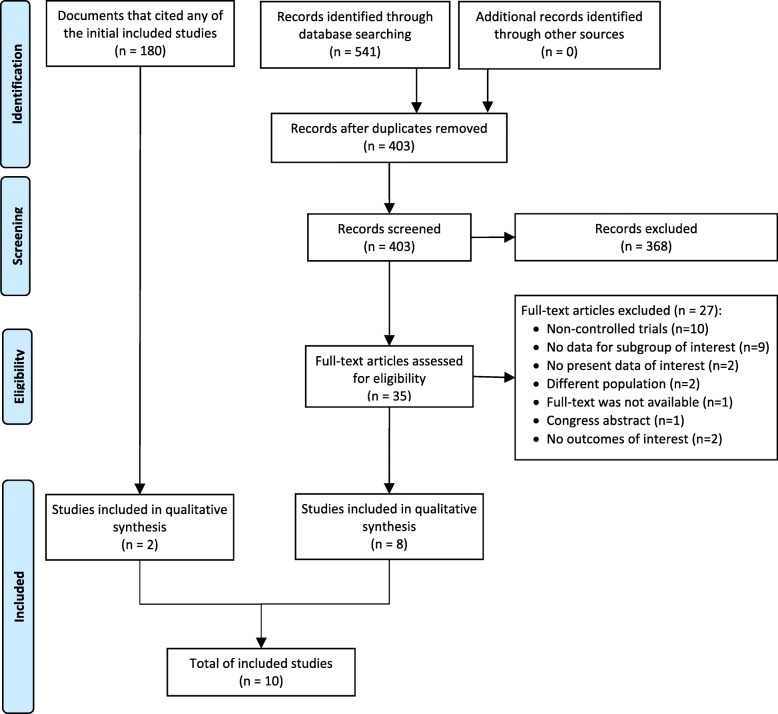
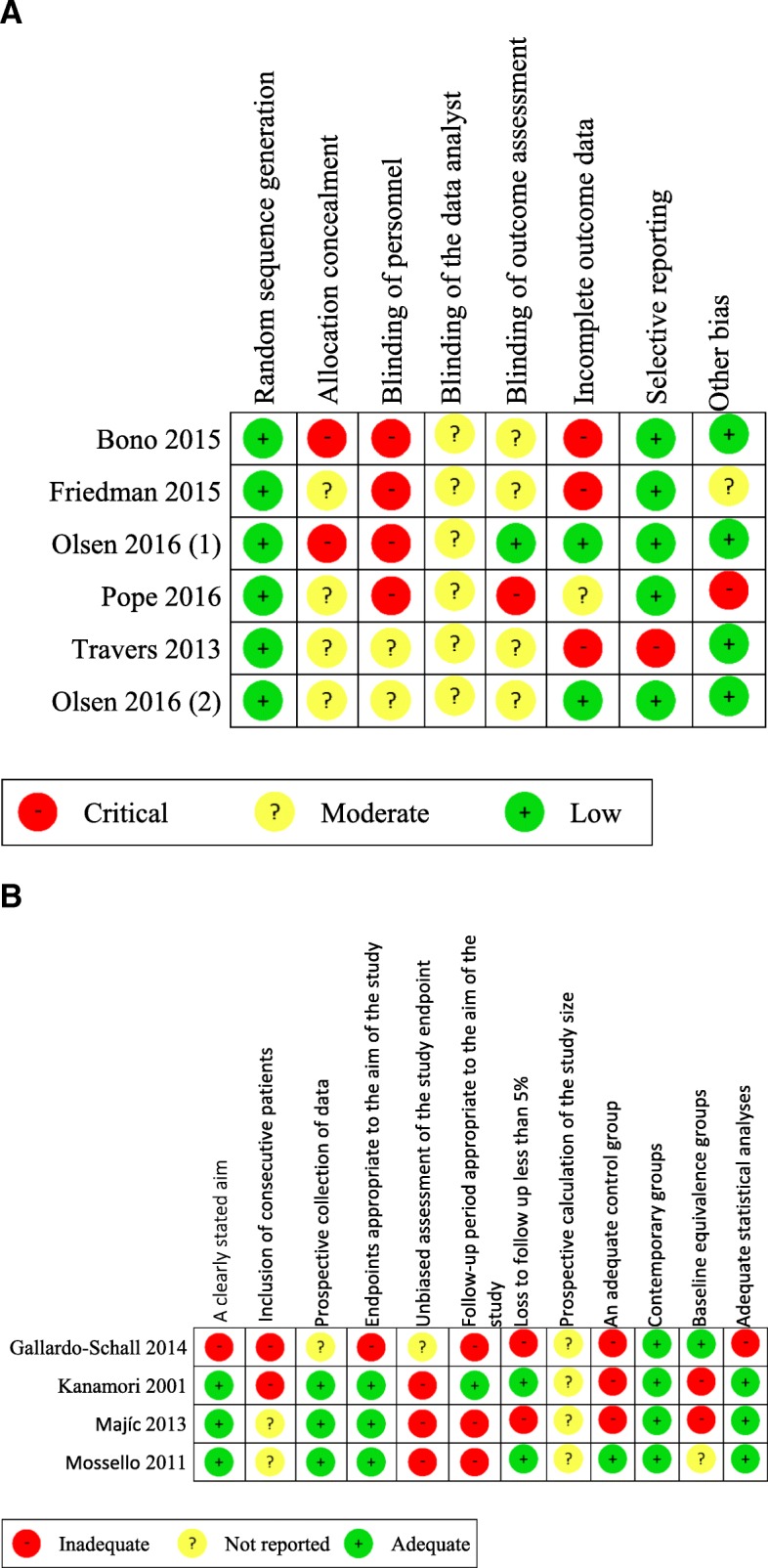
Methods: A systematic search was performed. We included randomized controlled trials (RCTs) and quasi-experimental (QE) controlled studies published up to March 2018, which evaluated the beneficial and deleterious effects of DAT in adults with dementia. Mean differences (MD) or standardized mean differences (SMD) and their 95% confidence intervals (95% CI) were calculated and random effects meta-analyses were performed. Certainty of evidence was assessed for RCTs estimates using the Grading of Recommendations Assessment, Development, and Evaluation (GRADE) methodology. The study protocol has been registered in PROSPERO (CRD42018090434).
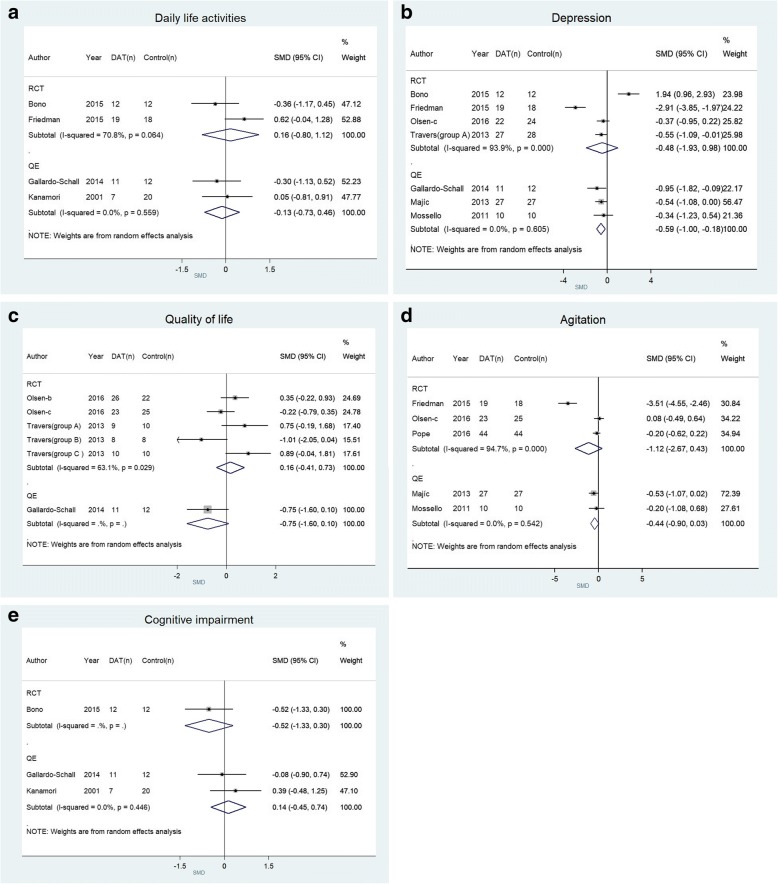
Results: Ten studies (six RCTs and four QE controlled studies) were eligible for inclusion. Meta-analysis of RCTs showed no effect of DAT in daily life activities (SMD: 0.16; 95% CI: -0.80 to 1.12), depression (SMD: -0.45; 95% CI: -2.81 to 1.91), agitation (SDM: -1.12; 95% CI: -2.67 to 0.43), quality of life (SDM: 0.16; 95% CI: -0.41 to 0.73), and cognitive impairment (SDM: -0.52; 95% CI: -1.33 to 0.30), but it found a beneficial effect in apathy (1 study, n = 37, MD: 1.81; 95% CI: 1.26 to 2.36). All outcomes had a very low certainty of evidence according to GRADE methodology.
Conclusions: RCTs evidence of very low certainty suggests that, in adults with dementia, DAT has no effect in daily life activities, depression, agitation, quality of life, and cognitive impairment, although one small study found an apparent beneficial effect in apathy. More well-designed and correctly reported studies are needed in order to provide a conclusion.
Trial registration: CRD42018090434 (PROSPERO).
Keywords: Animal-assisted therapy; Cognitive dysfunction; Dementia; Meta-analysis.
Conflict of interest statement
Ethics approval and consent to participate
Not applicable.
Consent for publication
Not applicable.
Competing interests
The authors declare that they have no competing interests.
Publisher’s Note
Springer Nature remains neutral with regard to jurisdictional claims in published maps and institutional affiliations.
Figures
References
-
- Kamioka H, Okada S, Tsutani K, Park H, Okuizumi H, Handa S, et al. Effectiveness of animal-assisted therapy: a systematic review of randomized controlled trials. Complement Ther Med. 2014;22(2):371–390. - PubMed
-
- Yakimicki ML, Edwards NE, Richards E, Beck AM. Animal-Assisted Intervention and Dementia: A Systematic Review. Clin Nurs Res. 2019;28(1):9-29. - PubMed
-
- Hu M, Zhang P, Leng M, Li C, Chen L. Animal-assisted intervention for individuals with cognitive impairment: a meta-analysis of randomized controlled trials and quasi-randomized controlled trials. Psychiatry Res. 2018;260:418–427. - PubMed
-
- Balshem H, Helfand M, Schünemann HJ, Oxman AD, Kunz R, Brozek J, et al. GRADE guidelines: 3. Rating the quality of evidence. J Clin Epidemiol. 2011;64(4):401–406. - PubMed
Publication types
MeSH terms
LinkOut - more resources
Full Text Sources
Medical
