


Unfavourably altered plasma clot properties in patients with primary Raynaud's phenomenon: association with venous thromboembolism
- PMID: 30684190
- PMCID: PMC6394442
- DOI: 10.1007/s11239-019-01805-0
Unfavourably altered plasma clot properties in patients with primary Raynaud's phenomenon: association with venous thromboembolism
Abstract
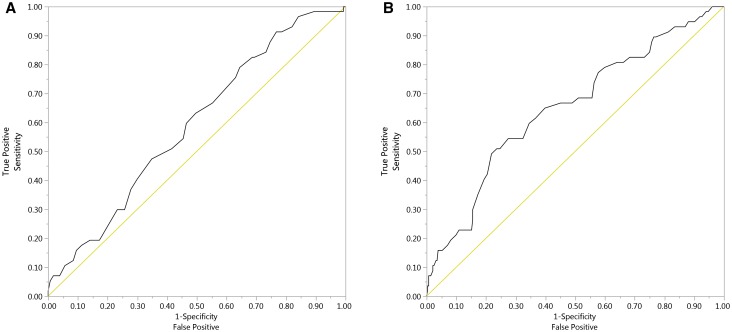
Associations of Raynaud's phenomenon (RP) with venous thromboembolism (VTE) are unclear. We investigated the occurrence of RP together with prothrombotic state markers and fibrin clot properties in VTE patients. In this prospective cohort study we enrolled 360 patients free of known autoimmune disease. D-dimer, von Willebrand factor (vWF), plasma clot permeability (Ks), clot lysis time (CLT) along with fibrinolysis activators and inhibitors were determined at least 3 months since the VTE event. The presence/absence of RP was diagnosed at least 6 months before VTE. Primary RP occurred in 57 subjects (17%) with a 3.6-fold higher prevalence among women. Patients with RP had 11% higher fibrinogen, 16% higher vWF, 5% lower Ks, and 10% longer CLT (all p < 0.05). Females with RP (21%) had 6.6% lower Ks, 11.2% longer CLT, and 18.5% higher vWF (all p < 0.05) compared with men. CLT was predicted by PAI-1 and vWF levels. Regression analysis showed that RP was a predictor of prolonged CLT in the whole patient group (OR 3.46, 95% CI 1.92-6.24) and in women following VTE (OR 2.75, 95% CI 1.31-5.78). Primary RP patients tend to form denser plasma fibrin clots displaying impaired lysability and increased endothelial damage. RP might be a novel risk factor for VTE, especially in women.
Keywords: Fibrin; Fibrinolysis; Raynaud phenomenon; Venous thromboembolism.
Conflict of interest statement
Conflict of interest
All the authors declare that they have no conflict of interest.
Ethical approval
All procedures performed in studies involving human participants were in accordance with the ethical standards of the institutional and/or national research committee and with the 1964 Helsinki declaration and its later amendments or comparable ethical standards.
Informed consent
Informed consent was obtained from all individual participants included in the study.
Figures
References
MeSH terms
Substances
Grants and funding
LinkOut - more resources
Full Text Sources
Medical
Miscellaneous
