


The Alteration of Subtelomeric DNA Methylation in Aging-Related Diseases
- PMID: 30687384
- PMCID: PMC6333653
- DOI: 10.3389/fgene.2018.00697
The Alteration of Subtelomeric DNA Methylation in Aging-Related Diseases
Abstract
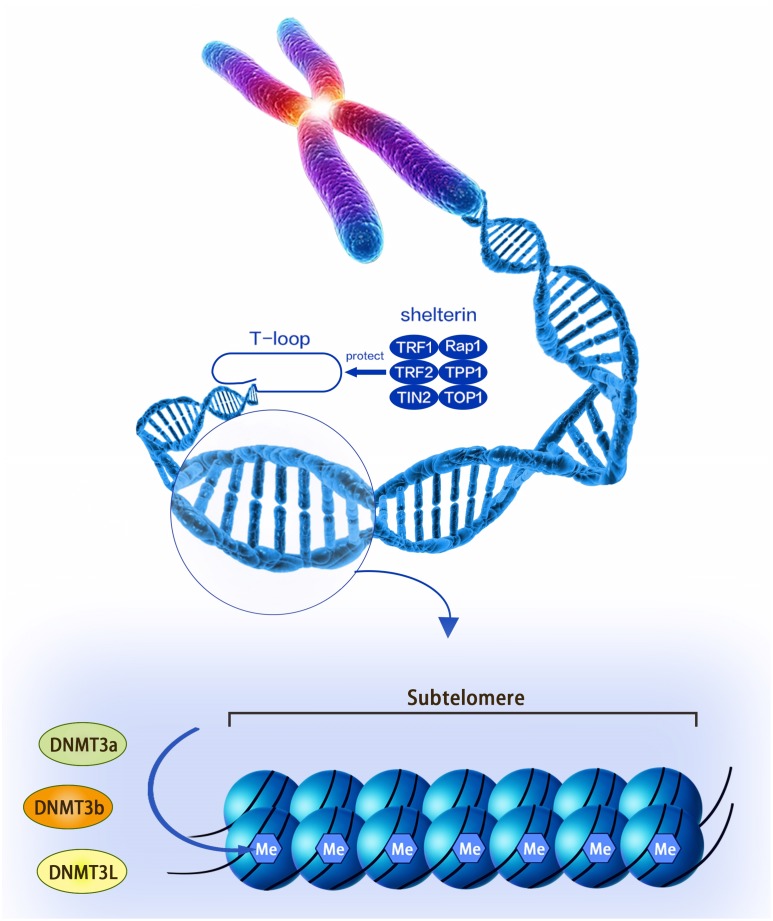
The telomere is located at the end of the chromosome and consists of a non-coding, repetitive DNA sequence. As the cell divides, the length of telomere gradually decreases. A very short telomere can terminate mitosis, and thus telomere length becomes a hallmark of cellular aging. The 500 kb region of each autosomal arm terminal is the so-called subtelomeric region. Both telomere and subtelomere have high-density DNA repeats. Telomeres do not contain genes or CpG sequences, while subtelomeres contain small amounts of genes and high-density CpG sequences, and DNA methylation often occurs in subtelomeres. Previous studies have shown that aberrant methylation of subtelomeric DNA exists in many diseases, and it has a certain effect on the regulation of telomere length. In this review, we focus on the correlation between subtelomeric DNA methylation and aging-related diseases. We also summarize the relationship between subtelomeric methylation and telomere length in different diseases.
Keywords: age-related disease; epigenetic modification; subtelomeric DNA methylation; telomerase; telomere length.
Figures
References
Publication types
LinkOut - more resources
Full Text Sources
Research Materials
