Review
. 2018 Dec 26:2018:2931402.
doi: 10.1155/2018/2931402. eCollection 2018.

Recent Advances in HBV Reactivation Research

Affiliations
Review

Recent Advances in HBV Reactivation Research

Lixia Guo et al. Biomed Res Int. .

Abstract

Hepatitis B virus (HBV) is an important public health problem that poses a serious threat to human health. HBV reactivation generally occurs in overt or occult HBV infection patients who suffered DDAs, chemotherapy, or immunosuppressive therapy, especially when some solid tumors and leukemia patients are using hormones such as prednisolone and imatinib. The approximate incidence of HBV reactivation ranged from about 10% to 40%. Scientists often explore the molecular mechanisms from both the virus and the host. But some studies have reported that some drugs (cisplatin, rituximab, imatinib, and glucocorticoid) could induce HBV reactivation directly. However, the specific molecular mechanisms were unclear. With the emergence of new antiviral drugs and molecular targeted drugs, the risk of HBV reactivation will increase significantly. Therefore this review was expected to be used to provide recommendations for future research in HBV reactivation.


Figures
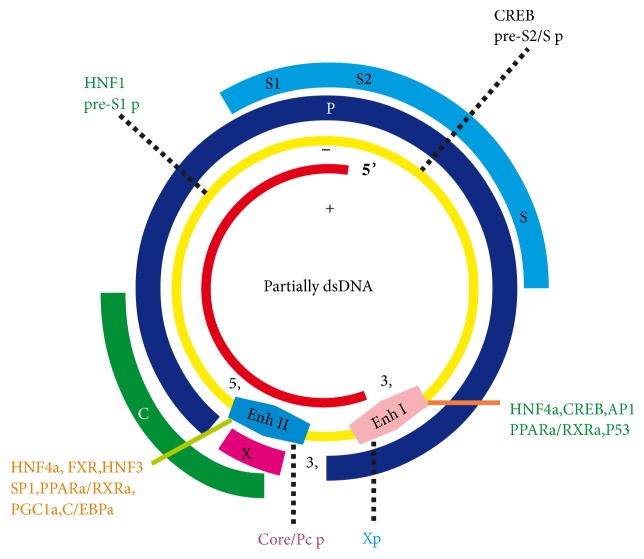
Figure 1
Figure 1
HBV binds metabolic-related transcription factors to its genome to activate its transcription.
Figure 2
Figure 2
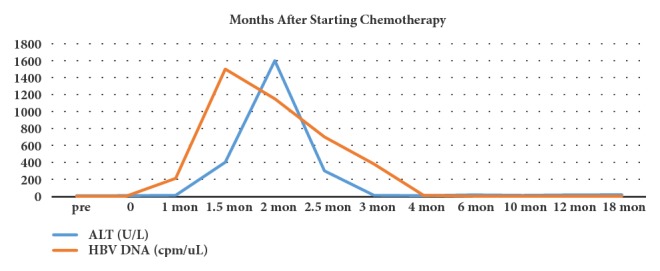
The typical course of HBV reactivation.
Figure 3
Figure 3
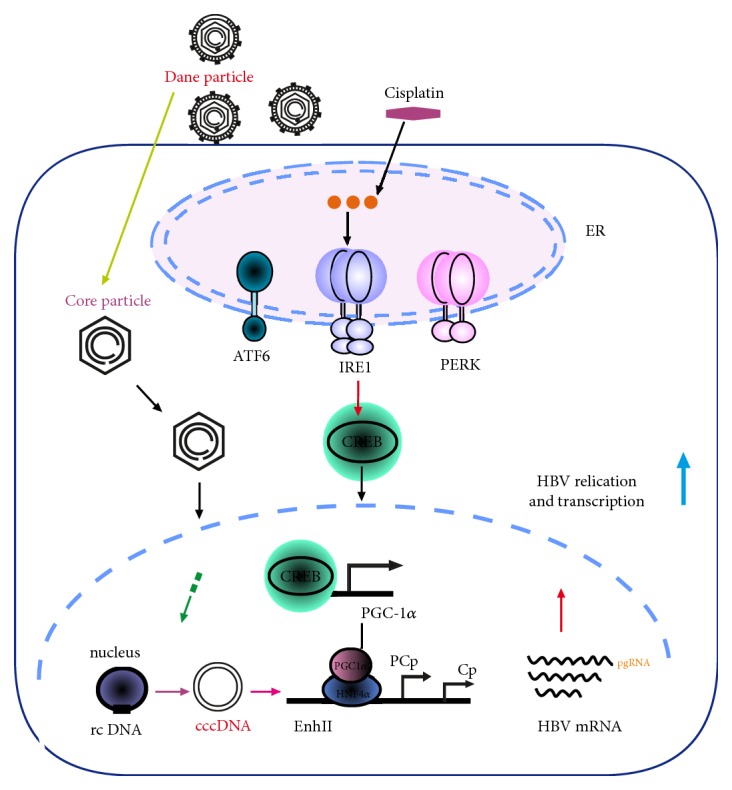
The molecular mechanism of HBV reactivation induced by cisplatin.
Figure 4
Figure 4
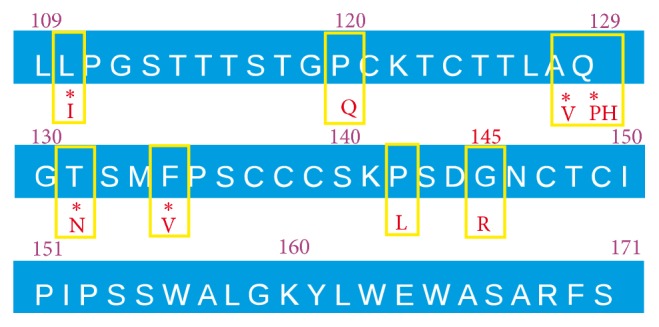
Vaccine escape mutations in the patient's hepatitis B virus strain.
Figure 5
Figure 5
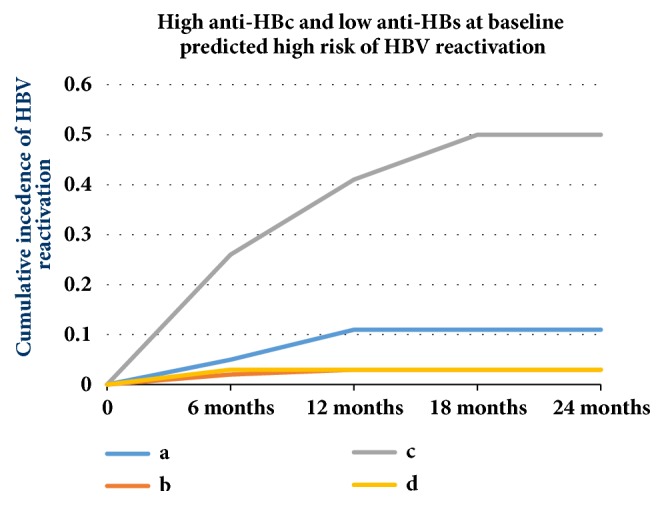
High anti-HBc and low anti-HBs at baseline predicted high risk of HBV reactivation (a: anti-HBc <6.41, anti-HBs<56.48, b: Anti-HBc <6.41, anti-HBs ≥56.48, c: Anti-HBc ≥6.41, anti-HBs<56.48, d: Anti-HBc ≥6.41, anti-HBs ≥56.48, p value ≤0.0001 (Long-rank)).

References

    1. Bar-Yishay I., Shaul Y., Shlomai A. Hepatocyte metabolic signalling pathways and regulation of hepatitis B virus expression. Liver International. 2011;31(3):282–290. doi: 10.1111/j.1478-3231.2010.02423.x. - DOI - PubMed
    1. Arzumanyan A., Reis H. M. G. P. V., Feitelson M. A. Pathogenic mechanisms in HBV- and HCV-associated hepatocellular carcinoma. Nature Reviews Cancer. 2013;13(2):123–135. doi: 10.1038/nrc3449. - DOI - PubMed
    1. Moore P. S., Chang Y. Why do viruses cause cancer? Highlights of the first century of human tumour virology. Nature Reviews Cancer. 2010;10(12):878–889. doi: 10.1038/nrc2961. - DOI - PMC - PubMed
    1. Liu C.-J., Chen P.-J., Chen D.-S., Kao J.-H. Hepatitis B virus reactivation in patients receiving cancer chemotherapy: Natural history, pathogenesis, and management. Hepatology International. 2013;7(2):316–326. doi: 10.1007/s12072-011-9279-6. - DOI - PubMed
    1. Masarone M., De Renzo A., La Mura V., et al. Management of the HBV reactivation in isolated HBcAb positive patients affected with Non Hodgkin Lymphoma. BMC Gastroenterology. 2014;14(1) doi: 10.1186/1471-230X-14-31. - DOI - PMC - PubMed

MeSH terms

LinkOut - more resources