


Dynamic expression and functional analysis of circRNA in granulosa cells during follicular development in chicken
- PMID: 30700247
- PMCID: PMC6354403
- DOI: 10.1186/s12864-019-5462-2
Dynamic expression and functional analysis of circRNA in granulosa cells during follicular development in chicken
Abstract
Background: Circular RNA (circRNA) is a type of noncoding RNA involved in a variety of biological processes, especially in post-transcriptional regulation. The granulosa cells of follicles play a determining role in ovarian development. However, the function of circRNA in chicken follicles is unclear. To better understand the molecular mechanism underlying follicular development and granulosa cell function, we performed a strategy of second-generation sequencing and linear RNA depletion for granulosa cells from small yellow follicles (SYF, 5-8 mm), the smallest hierarchal follicles (F6, 9-12 mm), and the largest hierarchal follicles (F1, ~ 40 mm).
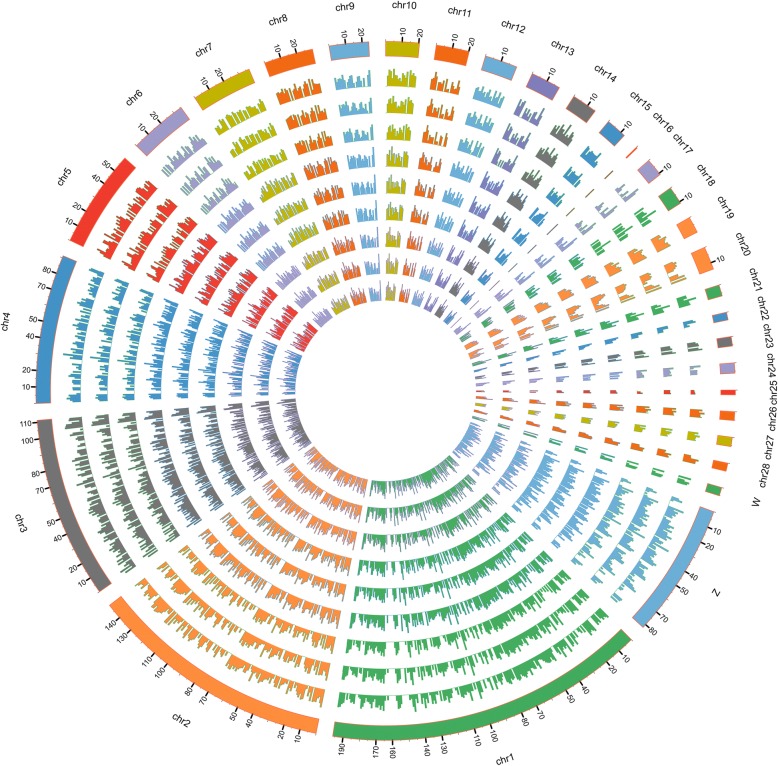
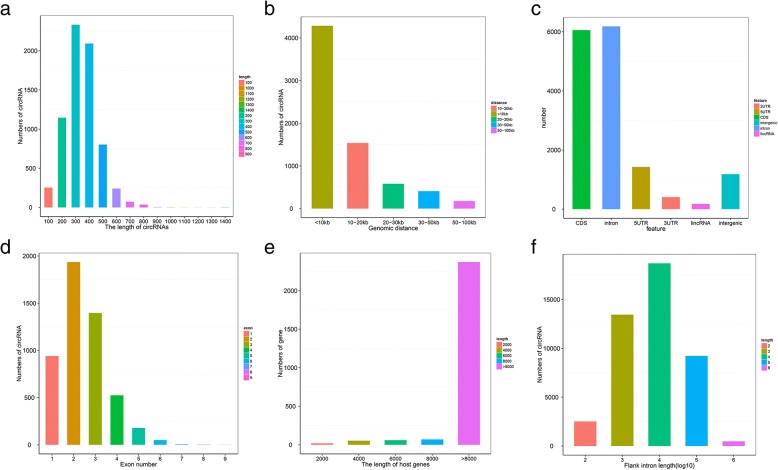
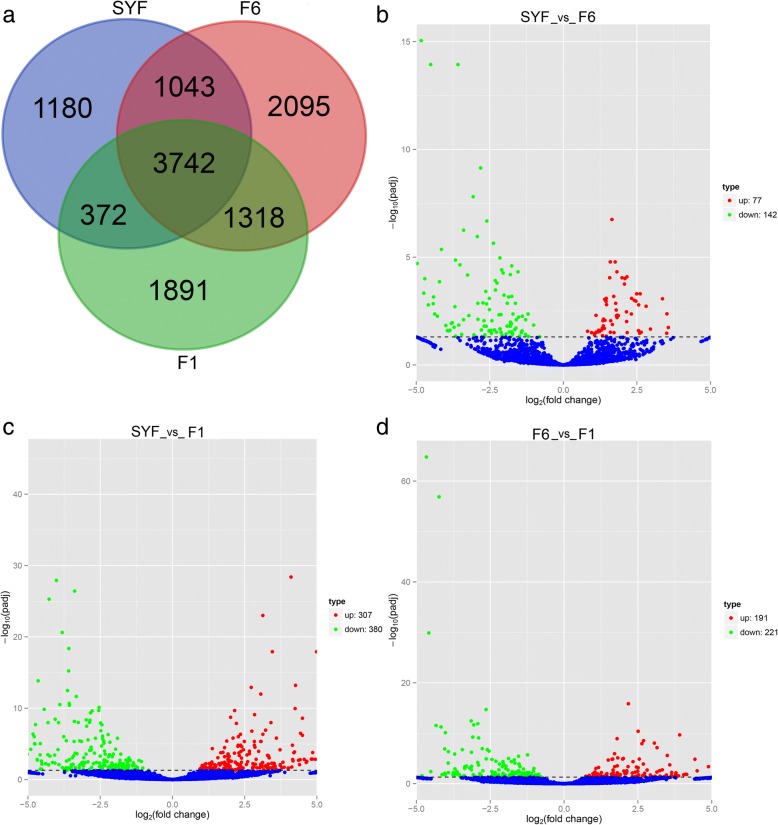
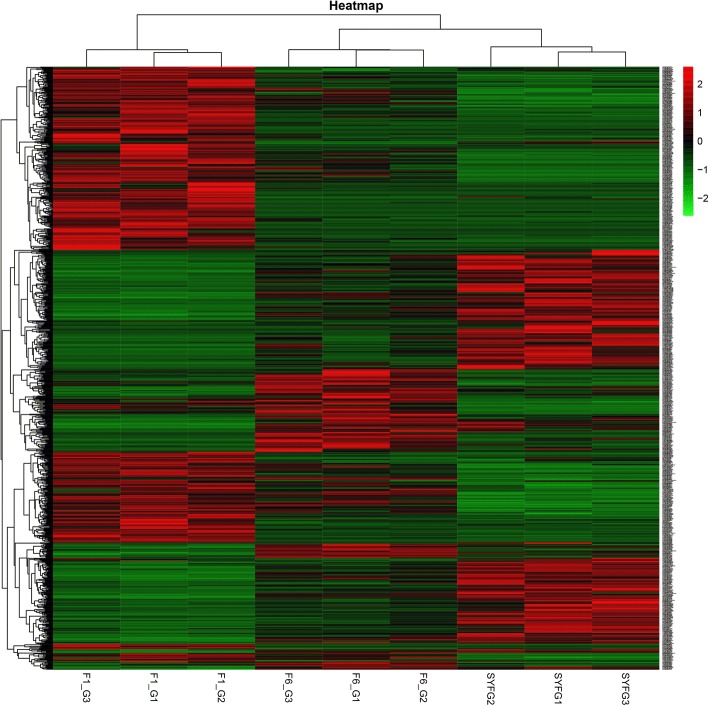
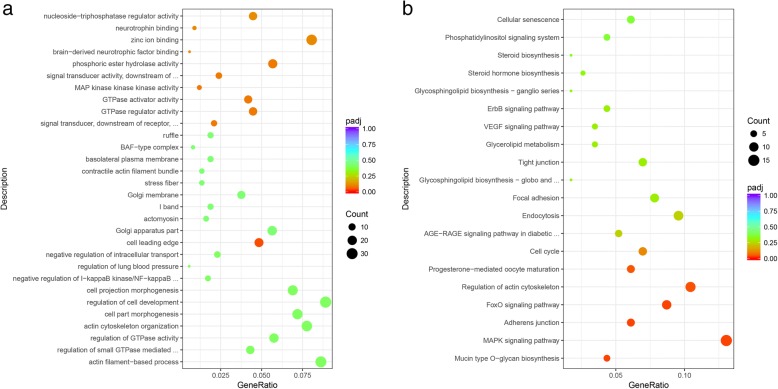
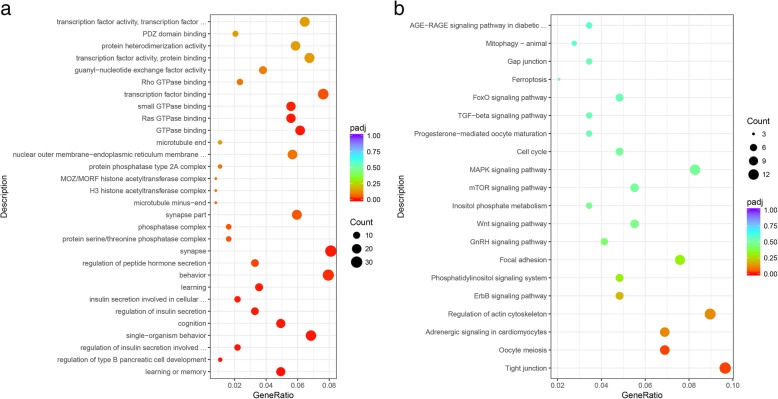
Results: We predicted a total of 11,642 circRNAs that distributed on almost all chromosomes. The majority of the splice lengths of circRNAs were 200-500 nt and mainly produced from intron and CDS regions. During follicle growth, differentially expressed (DE) circRNAs showed dynamic changes which were tissue- and stage-specific. The host genes of DE circRNAs were functionally enriched in GTPase activity and several pathways involved in reproduction. Moreover, bioinformatic prediction analysis for circRalGPS2 demonstrated that circRNAs from the same genes may share common miRNA to act as a sponge. The predicted target genes were enriched in various biological processes including cognition, cell communication, and regulation of signaling, and several pathways related to reproduction such as tight junction, oocyte meiosis, progesterone-mediated oocyte maturation, and GnRH signaling.
Conclusions: This study provides a starting point for further experimental investigations into chicken circRNAs and casts a light on the understanding of follicle development.
Keywords: Chicken; Circular RNA; Follicles; Granulosa cells; Pathways.
Conflict of interest statement
Ethics approval and consent to participate
The experimental chickens were from Jiangsu Jinghai Yellow Chick Co. Ltd., located in Nangtong, Jiangsu Province. All experimental procedures were conducted in compliance with Experimental Animals Regulations and all efforts were made to alleviate the suffering of the birds. Ethics approval for this study was granted by the Animal Care Committee of Yangzhou University (Yangzhou, China) with permit number SYXK (Su) 2012–0029 from the Chinese Ministry of Science and Technology.
Consent for publication
Not applicable.
Competing interests
The authors declare that they have no competing interests.
Publisher’s Note
Springer Nature remains neutral with regard to jurisdictional claims in published maps and institutional affiliations.
Figures


References
-
- Bahr JM. The chicken ovary as a model of follicular development. Semin Reprod Med. 1991;9(04):352–359. doi: 10.1055/s-2007-1019427. - DOI
-
- Hocking PM. Biology of breeding poultry. 2009.
-
- Palmer SS, Bahr JM. Follicle stimulating hormone increases serum oestradiol-17 beta concentrations, number of growing follicles and yolk deposition in aging hens (Gallus gallus domesticus) with decreased egg production. Br Poult Sci. 1992;33(2):403–414. doi: 10.1080/00071669208417478. - DOI - PubMed
MeSH terms
Substances
Grants and funding
LinkOut - more resources
Full Text Sources
Other Literature Sources
Research Materials
