


Mechanisms linking height to early child development among infants and preschoolers in rural India
- PMID: 30715779
- PMCID: PMC7428854
- DOI: 10.1111/desc.12806
Mechanisms linking height to early child development among infants and preschoolers in rural India
Abstract
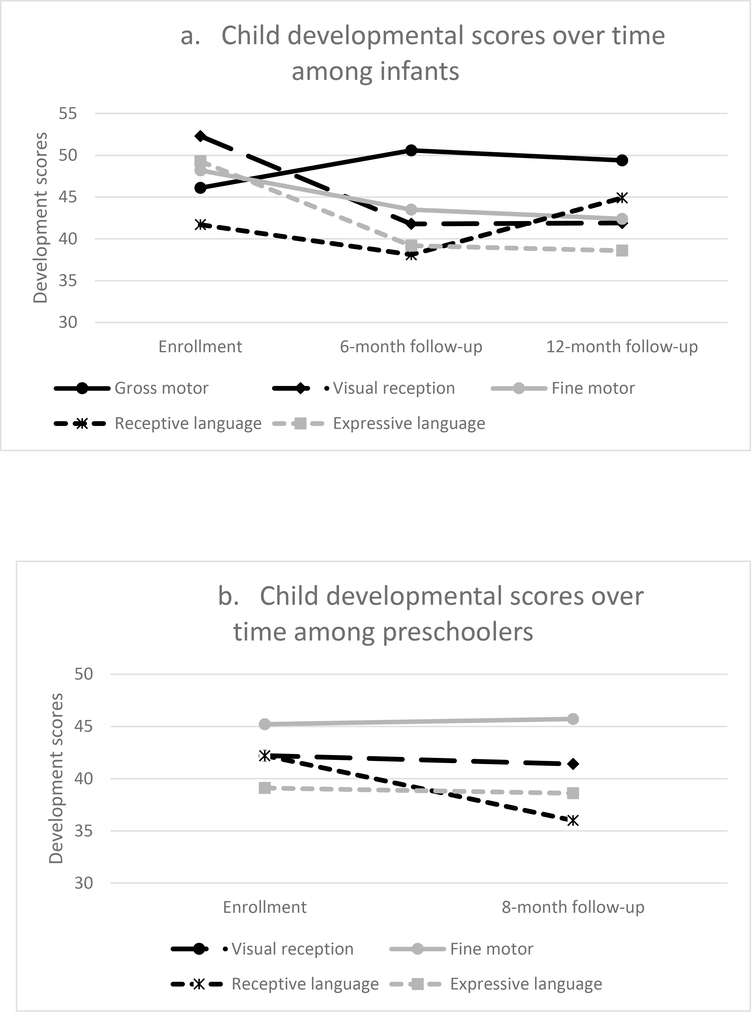
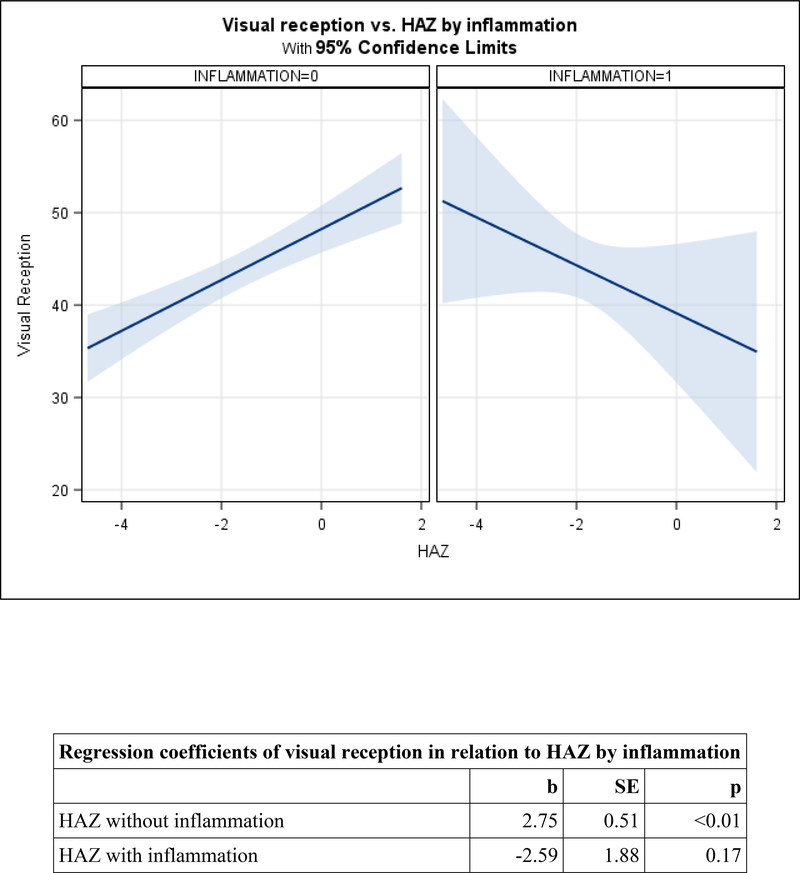
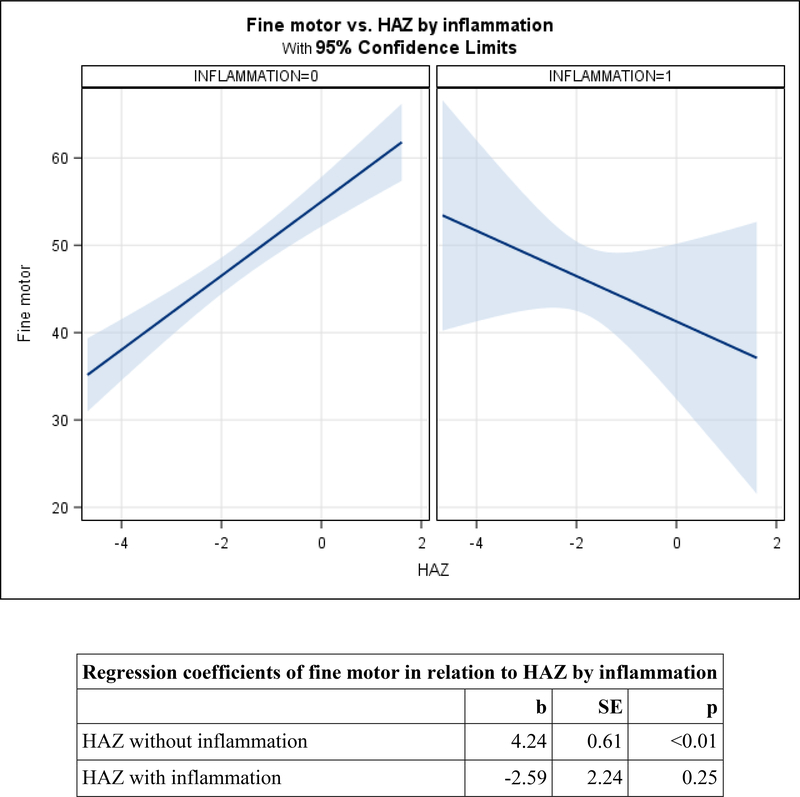
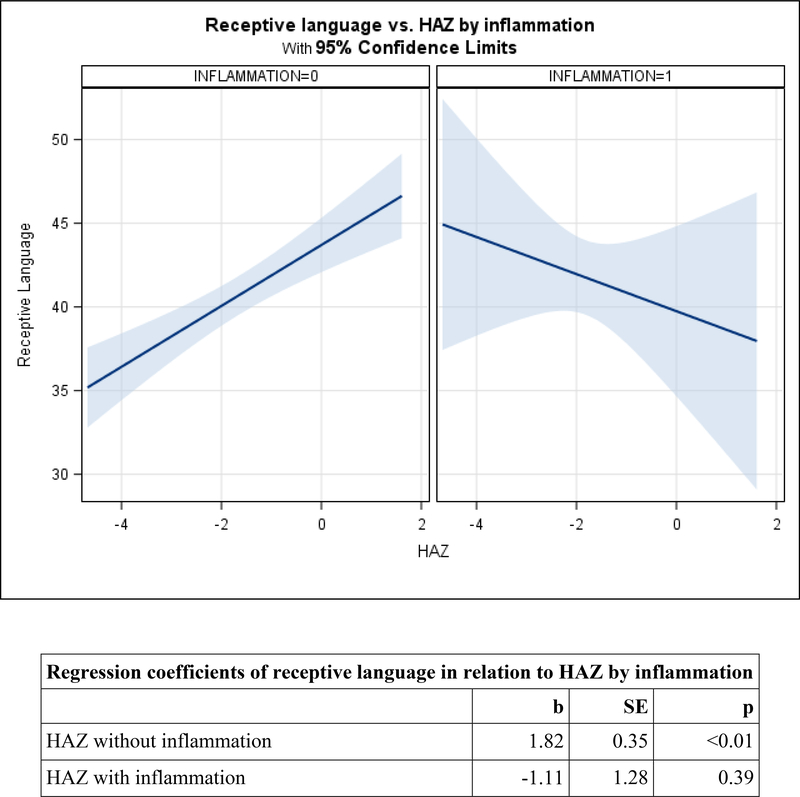
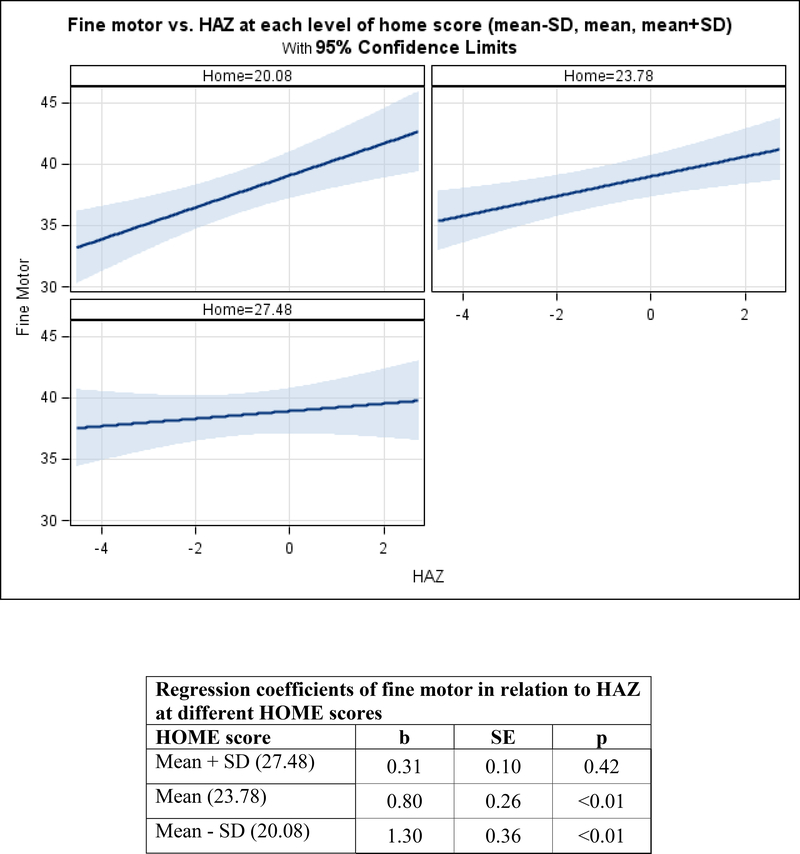
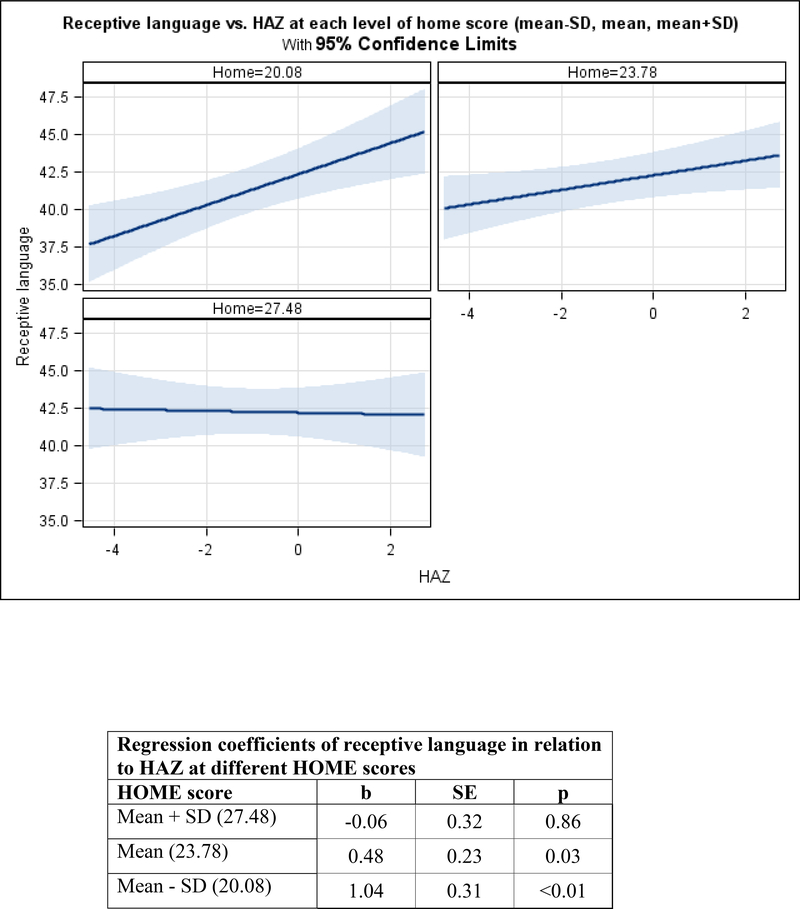
Stunting has been negatively associated with children's development. We examined the range of height by testing hypotheses: (a) height is positively associated with children's development, with associations moderated by inflammation and (b) home environments characterized by nurturance and early learning opportunities is positively associated with children's development over time and attenuate associations with height. Data included 513 infants (mean age 8.6 months) and 316 preschoolers (mean age 36.6 months) in rural India from a randomized controlled trial of multiple micronutrient powders (MNPs). Measures included height (height-for-age z-scores based on WHO standards), inflammation (C-reactive protein concentration >5 mg/L), nurturance (HOME Inventory), child development (Mullens Scales of Early Learning), and inhibitory control (preschoolers). Linear mixed effects models accounting for repeated measures, clustering, and confounders were used to assess associations between height and child development over time (infants: enrollment, 6 and 12 months; preschoolers: enrollment and 8 months). Moderating effects of inflammation and nurturance were tested with interaction terms. Among infants and preschoolers, height and nurturance were positively associated with all domains of child development over time, with the exception of inhibitory control. Among preschoolers, in the presence of inflammation, height was not associated with child development. Among infants, but not preschoolers, a nurturant home environment attenuated significant associations between height with fine motor and receptive language development. The mechanisms associated with children's development over time are multifactorial and include direct and indirect associations among nutrition, health, and the home environment, as supported by the Nurturing Care Framework.
Keywords: HOME; 1,000 days; child development; global; height; infant development; inflammation; preschool development; stunting.
© 2019 John Wiley & Sons Ltd.
Conflict of interest statement
Figures
References
-
- Alderman H, Haddad L, Headey DD, & Smith L (2014). Association between economic growth and early childhood nutrition. The Lancet Global Health, 2(9), e500. - PubMed
-
- Andrew A, Attanasio O, Fitzsimons E, Grantham-McGregor S, Meghir C, & Rubio-Codina M (2018). Impacts 2 years after a scalable early childhood development intervention to increase psychosocial stimulation in the home: A follow-up of a cluster randomised controlled trial in Colombia. PLoS Medicine, 15(4), e1002556. - PMC - PubMed
-
- Berlinski S, & Schady N (2015). The early years: Child well-being and the role of public policy. Development in the americas series. New York: MacMillan, and Washington, DC: Inter-American Development Bank.
Publication types
MeSH terms
Grants and funding
LinkOut - more resources
Full Text Sources
Medical
Research Materials
