


Methods for Isolation of High Quality and Quantity of miRNA and Single Cell Suspension for Flow-Cytometry from Breast Cancer Tissue: A Comparative Analysis
- PMID: 30728671
- PMCID: PMC6346624
- DOI: 10.1007/s12291-017-0719-5
Methods for Isolation of High Quality and Quantity of miRNA and Single Cell Suspension for Flow-Cytometry from Breast Cancer Tissue: A Comparative Analysis
Abstract
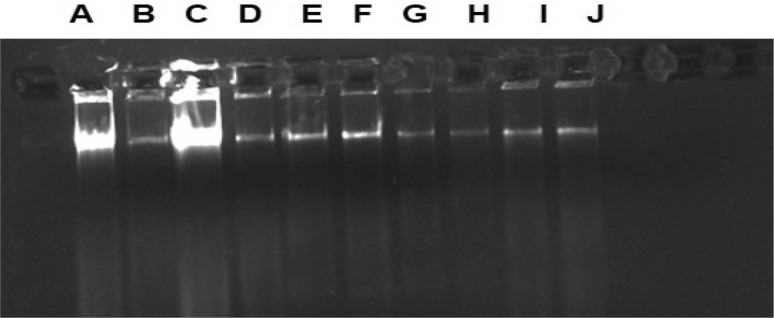
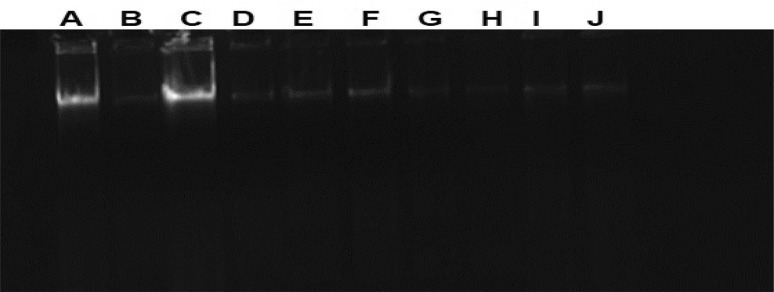
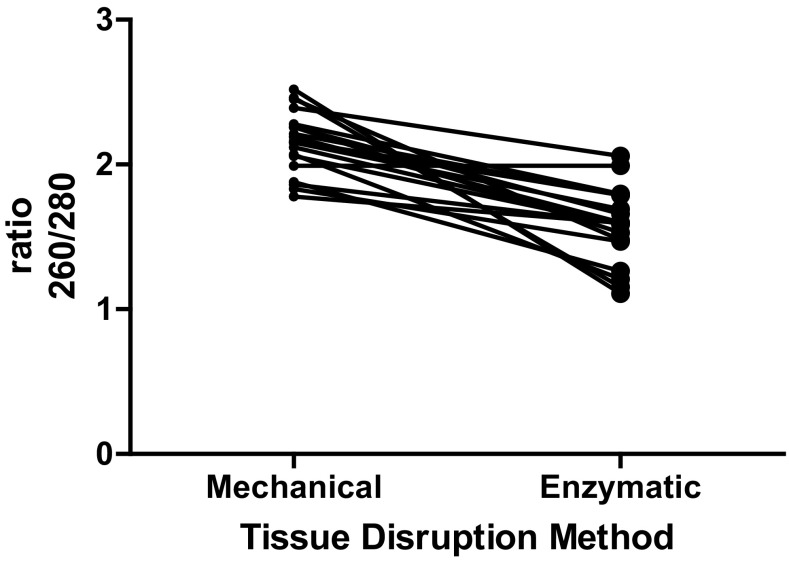
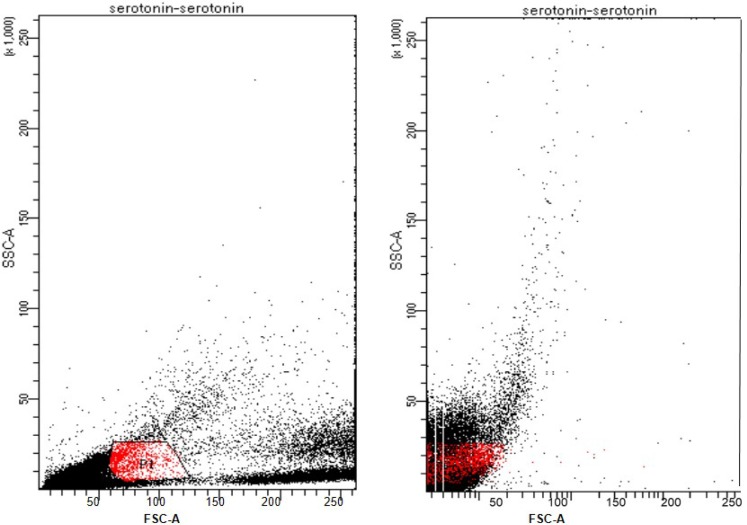
Inadequate methods may cause substantial loss not only in the quantity but also in quality of the product. This study aimed to determine the best method for making single cell suspension for isolation of RNA and flow cytometer analysis from cancer tissue. We compared two methods of tissue disruption used during RNA isolation and flow cytometer analysis. Mechanical tissue disruption method and enzymatic tissue digestion method are commonly used for making single cell suspension before RNA isolation and flow cytometer analysis. 20 resected tissue samples were dissociated into single cells by mechanical and enzymatic methods. Quality and quantity of isolated miRNA was graded by the ratio of 260/280 nm and by running gels. The results revealed that mechanical hand held tissue homogenizer showed better yield than enzymatic (719.12 ± 513.67 vs. 524.87 ± 388.18 ng/µl) and the quality 260/280 nm ratio was significantly better [2.15 ± 0.21 vs. 1.57 ± 0.23; 95% CI (0.402-0.730); p < 0.001] in mechanical method than enzymatic. However, for flow cytometer enzymatic digestion was best. The mechanical method is very suitable for isolating miRNA than enzymatic while enzymatic digestion is most favorable for flow-cytometer analysis as it reduces debris in comparison of mechanical process of shearing.
Keywords: Debris; Flow cytometer; Mechanical and enzymatic tissue disruption; Quality and quantity; RNA isolation.
Conflict of interest statement
Compliance with Ethical StandardsThe authors declare that they have no competing interests.
Figures
References
-
- Dwivedi S, Goel A, Mandhani A, Khattri S, Sharma P, Misra S, Pant KK. Functional genetic variability at promoters of pro-(IL-18) and anti-(IL-10) inflammatory affects their mRNA expression and survival in prostate carcinoma patients: five year follow-up study. Prostate. 2015;75(15):1737–1746. doi: 10.1002/pros.23055. - DOI - PubMed
-
- Dwivedi S, Goel A, Khattri S, Mandhani A, Sharma P, Misra S, Pant KK. Genetic variability at promoters of IL-18 pro- and IL-10 anti-inflammatory gene affects susceptibility and their circulating serum levels: an explorative study of prostate cancer patients in North Indian populations. Cytokine. 2015;74(1):117–122. doi: 10.1016/j.cyto.2015.04.001. - DOI - PubMed
LinkOut - more resources
Full Text Sources
Research Materials
Miscellaneous