Review
. 2019 Feb 8;9(2):56.
doi: 10.3390/biom9020056.

Formulations of Curcumin Nanoparticles for Brain Diseases

Affiliations
Review

Formulations of Curcumin Nanoparticles for Brain Diseases

María L Del Prado-Audelo et al. Biomolecules. .

Abstract

Curcumin is a polyphenol that is obtained from Curcuma longa and used in various areas, such as food and textiles. Curcumin has important anti-inflammatory and antioxidant properties that allow it to be applied as treatment for several emerging pathologies. Remarkably, there are an elevated number of publications deriving from the terms "curcumin" and "curcumin brain diseases", which highlights the increasing impact of this polyphenol and the high number of study groups investigating their therapeutic actions. However, its lack of solubility in aqueous media, as well as its poor bioavailability in biological systems, represent limiting factors for its successful application. In this review article, the analysis of its chemical composition and the pivotal mechanisms for brain applications are addressed in a global manner. Furthermore, we emphasize the use of nanoparticles with curcumin and the benefits that have been reached as an example of the extensive advances in this area of health.

Keywords: Alzheimer’s disease; Parkinson’s disease; brain diseases; curcumin; inflammation; nanoparticles; protein aggregation.


Conflict of interest statement

The authors declare no conflict of interest. The funders had no role in the design of the study; in the collection, analyses, or interpretation of data; in the writing of the manuscript, or in the decision to publish the results.

Figures

Figure 1
Figure 1
Chemical structure of curcumin and keto–enol tautomerism.
Figure 2
Figure 2
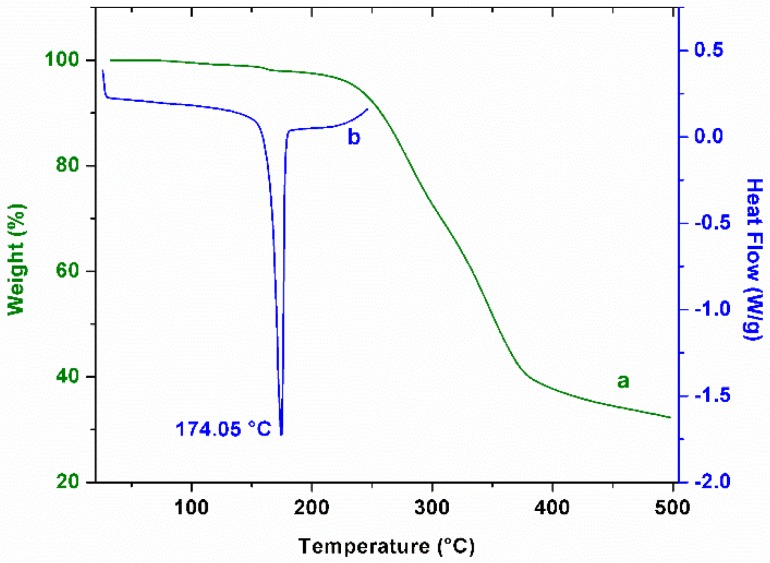
Thermal analysis of curcumin. Thermogravimetric analysis ((a), green line) and differential scanning calorimetry ((b), blue line). Melting point of curcumin is indicated at 174.05 °C.
Figure 3
Figure 3
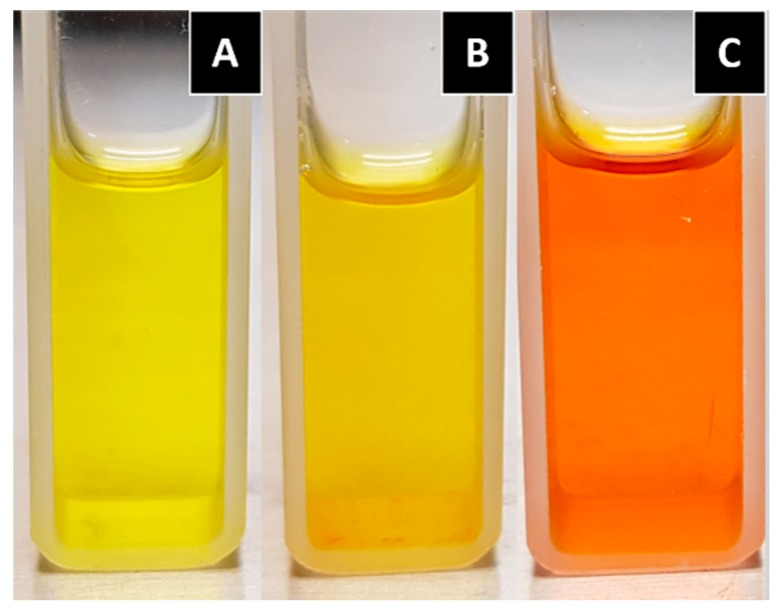
Curcumin dissolved in different mediums. (A) Curcumin in an acidic solution (pH 3.5); and (B) curcumin in a neutral solution (pH 7.4); both with the addition of 1% Tween 80 in order to increase solubility. (C) Curcumin in a basic solution (pH 12).
Figure 4
Figure 4
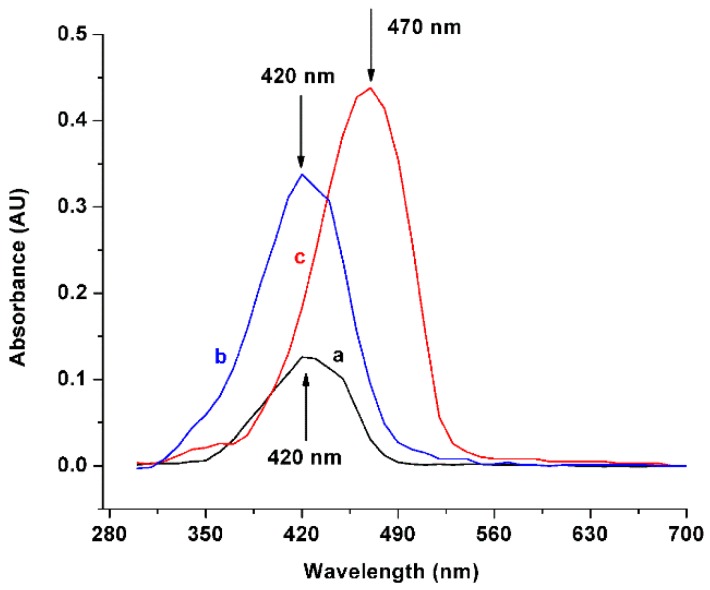
Ultraviolet-Visible spectrophotometric scanning of curcumin. (a) Absorption in methanol, maximum peak of absorption found at 420 nm; (b) Absorption in neutral medium, maximum peak of absorption found at 420 nm; and (c) Absorption in basic medium, maximum peak of absorption found at 470 nm.
Figure 5
Figure 5
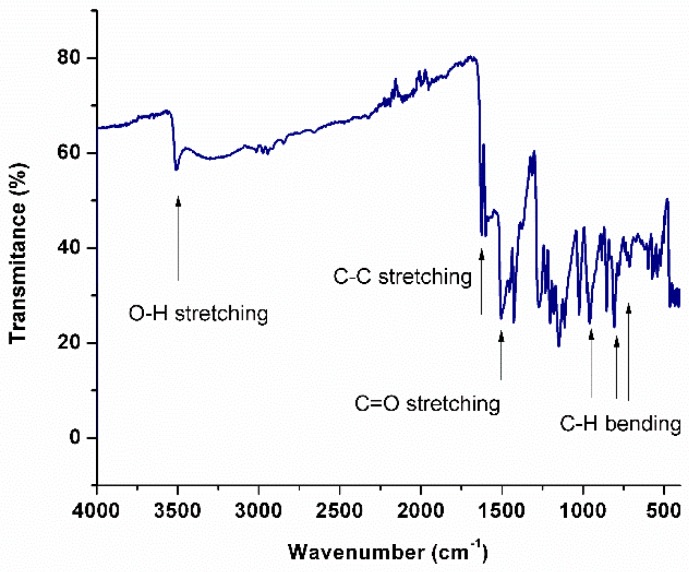
Fourier transform infrared spectroscopy of curcumin. Characteristic bands of the molecule are indicated with arrows.
Figure 6
Figure 6
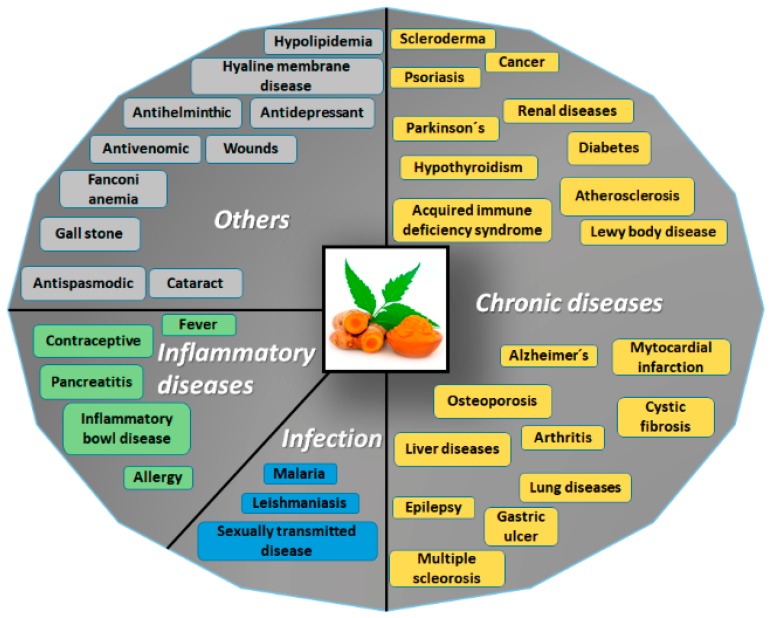
Potential applications of curcumin. Due to the structure of curcumin, this molecule could be applied as treatment for a wide range of disorders, such as chronic diseases, inflammatory disorders, infections of diverse etiology, and other conditions. Adapted with permission from [26]. 2007, Springer Nature.
Figure 7
Figure 7
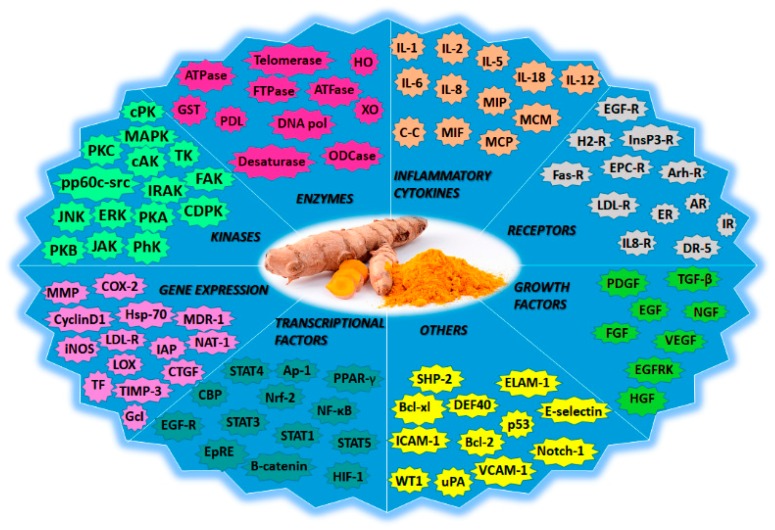
Curcumin is a pleiotropic agent with multiple molecular targets. This molecule could modify the expression of genes, inflammatory cytokines, transcriptional and growth factors, enzymes, and receptors, among others. Adapted with permission from [26]. 2007, Springer Nature.
Figure 8
Figure 8
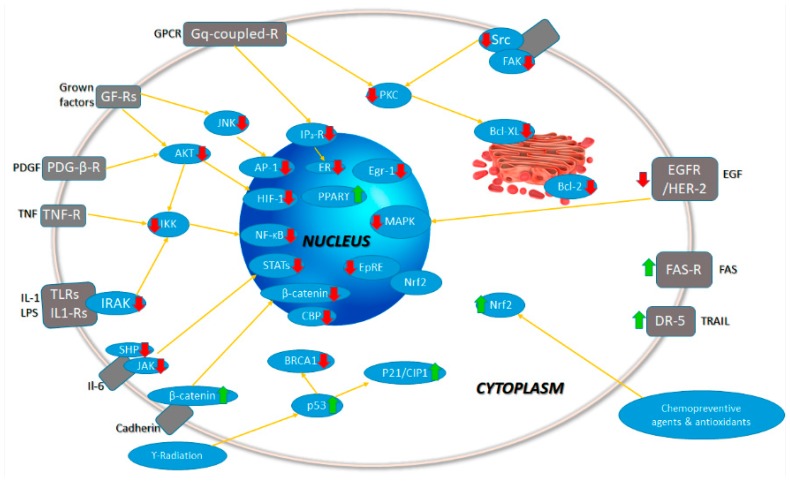
Signaling pathways modulated by curcumin. Up and green arrows indicate the intermediaries upregulated by curcumin; meanwhile, down and red arrows indicate the intermediaries downregulated by curcumin. Adapted with permission from [26]. 2007, Springer Nature.
Figure 9
Figure 9
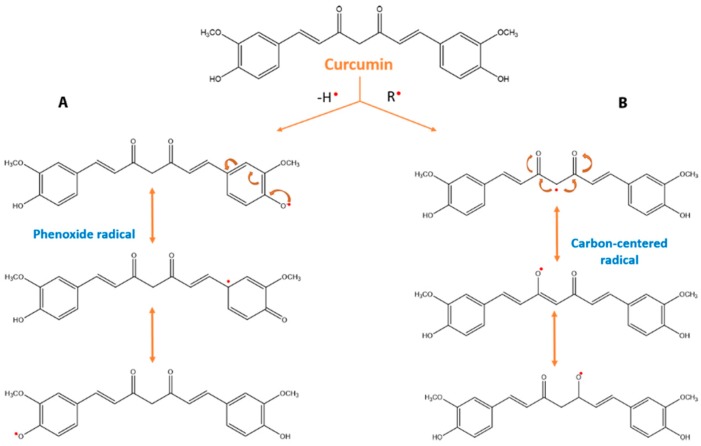
Antioxidant mechanism of curcumin. There are two mechanisms to form phenoxyl radicals. The first mechanism (A) begins by initial electron transfer to the free radical; thus, a radical cation is formed, which produces a phenoxyl radical by a proton loss. The second mechanism (B) is related to direct hydrogen abstraction. Based on the bond dissociation energies, many authors suggest that the most susceptible target for free radicals in curcumin is phenolic OH.
Figure 10
Figure 10
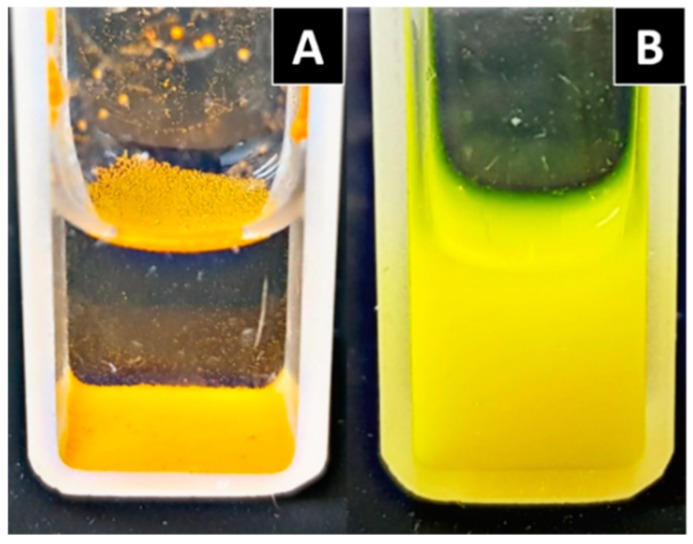
Curcumin solubility: (A) Curcumin showed poor solubility in aqueous medium; (B) the use of the nanoplatforms increased the drug solubility. Curcumin was entrapped in poly-ε-caprolactone nanoparticles stabilized by Pluronic F68 (Thermofisher, Whaltam, USA), with size of 170 nm and zeta potential of −7 mV.
Figure 11
Figure 11
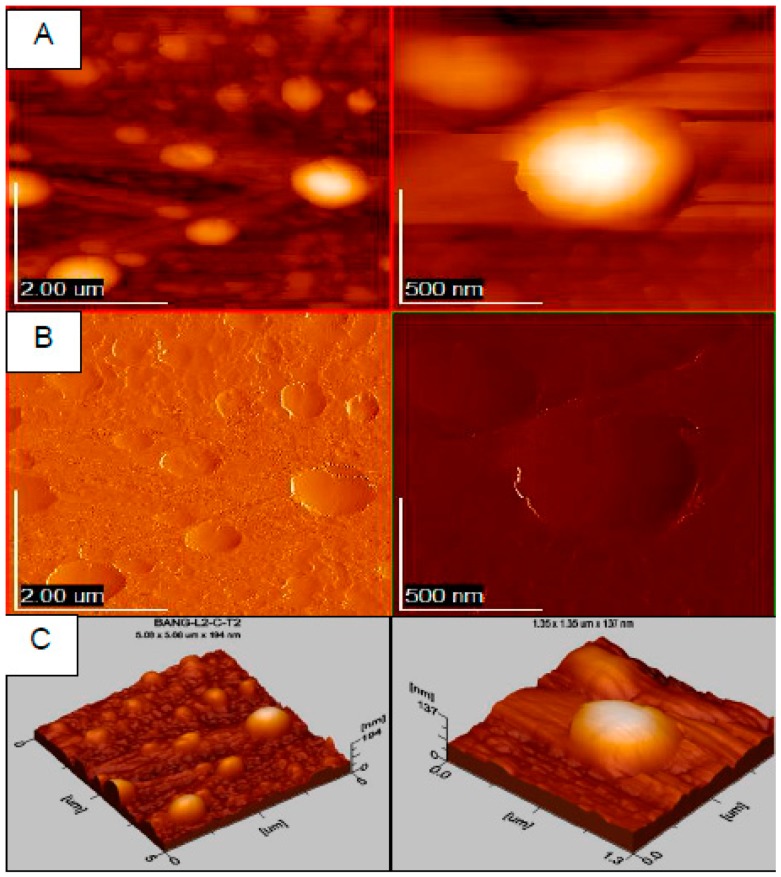
Atomic force microscopy (AFM) microscopy of curcumin poly-ε-caprolactone nanoparticles in two magnifications, left and right. Images in AFM (A), 2D (B) and 3D (C) mode.

References

    1. Aggarwal B.B., Harikumar K.B. Potential therapeutic effects of curcumin, the anti-inflammatory agent, against neurodegenerative, cardiovascular, pulmonary, metabolic, autoimmune and neoplastic diseases. Int. J. Biochem. Cell Biol. 2009;41:40–59. doi: 10.1016/j.biocel.2008.06.010. - DOI - PMC - PubMed
    1. Alsamydai A., Jaber N. Pharmacological aspects of curcumin: Review article. Int. J. Pharmacogn. 2018;5:313–326.
    1. Bengmark S. Curcumin, an atoxic antioxidant and natural NFκB, cyclooxygenase-2, lipooxygenase, and inducible nitric oxide synthase inhibitor: A shield against acute and chronic diseases. J. Parenter. Enter. Nutr. 2006;30:45–51. doi: 10.1177/014860710603000145. - DOI - PubMed
    1. Wang S.L., Ying L., Ying W., Chen Y.F., Na L.X., Li S.T., Sun C.H. Curcumin, a potential inhibitor of Up-regulation of TNF-alpha and IL-6 induced by palmitate in 3T3-L1 adipocytes through NF-κB and JNK pathway. Biomed. Environ. Sci. 2009;22:32–39. doi: 10.1016/S0895-3988(09)60019-2. - DOI - PubMed
    1. Guo Y.Z., He P., Feng A.M. Effect of curcumin on expressions of NF-κBp65, TNF-α and IL-8 in placental tissue of premature birth of infected mice. Asian Pac. J. Trop. Med. 2017;10:175–178. doi: 10.1016/j.apjtm.2017.01.004. - DOI - PubMed

Publication types

Substances