


Assessment and Management of HIV-Associated Cognitive Impairment: Experience from a Multidisciplinary Memory Service for People Living with HIV
- PMID: 30744034
- PMCID: PMC6406482
- DOI: 10.3390/brainsci9020037
Assessment and Management of HIV-Associated Cognitive Impairment: Experience from a Multidisciplinary Memory Service for People Living with HIV
Abstract
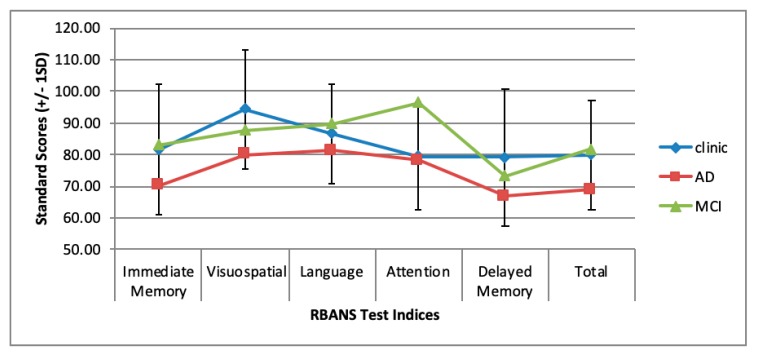
As the HIV population ages, the prevalence of cognitive impairment (CI) is increasing, yet few services exist for the assessment and management of these individuals. Here we provide an initial description of a memory assessment service for people living with HIV and present data from a service evaluation undertaken in the clinic. We conducted an evaluation of the first 52 patients seen by the clinic. We present patient demographic data, assessment outcomes, diagnoses given and interventions delivered to those seen in the clinic. 41 patients (79%) of those seen in the clinic had objective CI: 16 (31%) met criteria for HIV-associated Neurocognitive Disorder (HAND), 2 (4%) were diagnosed with dementia, 14 (27%) showed CI associated with mental illness and/or drugs/alcohol, 7 (13%) had CI which was attributed to factors other than HIV and in 2 (4%) patients the cause remains unclear. 32 (62%) patients showed some abnormality on Magnetic Resonance Imaging (MRI) brain scans. Patients attending the clinic performed significantly worse than normative scores on all tests of global cognition and executive function. Interventions offered to patients included combination antiretroviral therapy modification, signposting to other services, case management, further health investigations and in-clinic advice. Our experience suggests that the need exists for specialist HIV memory services and that such a model of working can be successfully implemented into HIV patient care. Further work is needed on referral criteria and pathways. Diagnostic processes and treatment offered needs to consider and address the multifactorial aetiology of CI in HIV and this is essential for effective assessment and management.
Keywords: HIV; HIV-associated neurocognitive disorder; cognitive impairment; patient care.
Conflict of interest statement
K.A., E.N., C.O’B., O.P., S.A. and P.H. declare no conflicts of interest. J.H.V. has received honoraria and research grants, been a consultant or investigator in trials sponsored by Merck, Janssen Cilag, Piramal and Gilead sciences. He has received sponsorship to attend scientific conferences from Janssen Cilag, Gilead Sciences and AbbVie. S.B. reports grants and personal fees from Abbvie, personal fees and non-financial support from Lilly, personal fees from Eleusis, personal fees from Daval International, personal fees from Boehringer-Ingelheim, personal fees from Axovant, personal fees from Lundbeck, personal fees from Nutricia, outside the submitted work; he has been employed by the Department of Health for England. These funders had no role in the design of the study; in the collection, analyses, or interpretation of data; in the writing of the manuscript, or in the decision to publish the results.
Figures
References
-
- Morgan E.E., Woods S.P., Grant I., Group HNRPH Intra-individual neurocognitive variability confers risk of dependence in activities of daily living among HIV-seropositive individuals without HIV-associated neurocognitive disorders. Arch. Clin. Neuropsychol. 2012;27:293–303. doi: 10.1093/arclin/acs003. - DOI - PMC - PubMed
-
- Heaton R.K., Clifford D.B., Franklin D.R., Woods S.P., Ake C., Vaida F., Ellis R.J., Letendre S.L., Marcotte T.D., Atkinson J.H., et al. HIV-associated neurocognitive disorders persist in the era of potent antiretroviral therapy: CHARTER Study. Neurology. 2010;75:2087–2096. doi: 10.1212/WNL.0b013e318200d727. - DOI - PMC - PubMed
LinkOut - more resources
Full Text Sources
Medical
Research Materials
Miscellaneous
