


Causes and contributory factors of maternal mortality: evidence from maternal and perinatal death surveillance and response in Ogun state, Southwest Nigeria
- PMID: 30744576
- PMCID: PMC6371466
- DOI: 10.1186/s12884-019-2202-1
Causes and contributory factors of maternal mortality: evidence from maternal and perinatal death surveillance and response in Ogun state, Southwest Nigeria
Abstract
Background: Nigeria still ranks second globally in the number of maternal deaths. Most maternal death reviews in Nigeria are isolated research based reports from a single health facility. This study determined causes and contributory factors of maternal mortality in Ogun statefollowing a periodic State-widematernal and perinatal deaths surveillance and response (MPDSR) review.
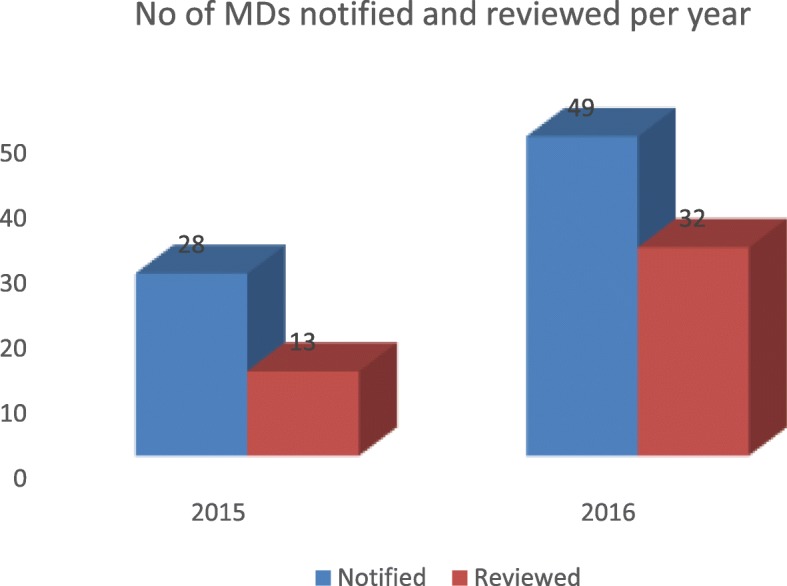
Methods: We carried out a retrospective analysis of cases of maternal deaths notified (n = 77) and reviewed (n = 45) in health facilities in Ogun State from 2015 to 2016selected using total sampling method. Using the national MPDSR structured and validated data collection tools or questionnaire, collected data was extracted from existing MPDSR data base, andanalyzed using the Statistical Package for Social Sciences (SPSS) software 20.0. We obtained approval from the State Ministry of Health for this study.
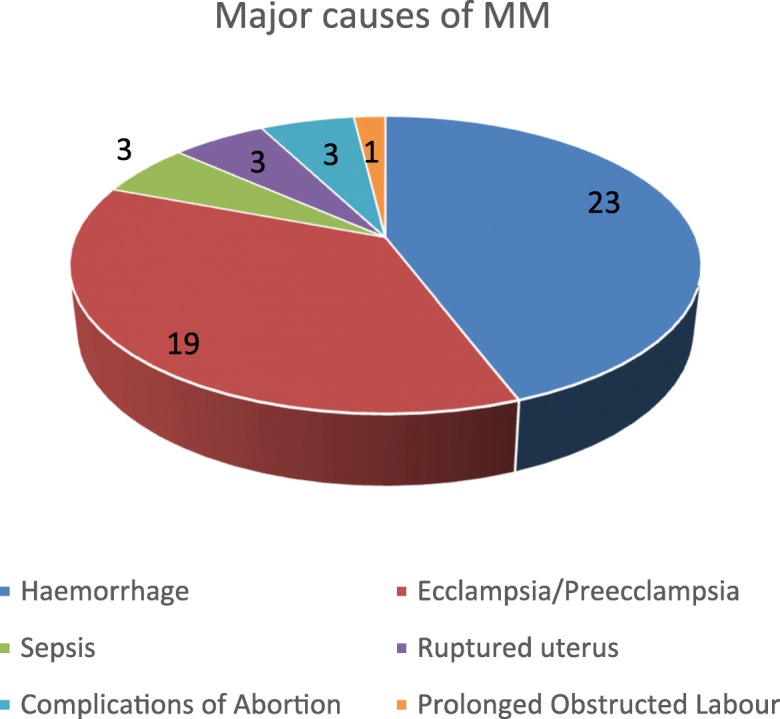
Results: Average age at maternal death was 30.8 ± 5.7 years. Haemorrhageand pre-eclampsia or eclampsia account for 43.4 and 36.9% of causes respectively. Leading contributory factors ofmaternal deaths include inadequate human resource for health, delay in seeking care, inadequate equipment, lack of ambulance transportation, and delay in referrals services. 51.1%of the women had antenatal care while a significant proportion of the women were referred from Traditional Births Attendants (TBAs) and mission houses.
Conclusion: We concluded that many of the contributory factors of maternal mortality could be avoided if preventive measures were taken and adequate care available. MPDSR provides a platform for critical evidence of where the main problems lie, and can provide valuable information on strategies which maternal mortality prevention programs should focus on. The implementation and institutionalization of MPDSR programme is on course in Ogun State. MPDSR is feasible and should be institutionalized in all states of Nigeria. A commitment to act upon the findings of MPDSR is a key prerequisite for success.
Keywords: Causes; Contributory factors; Institutionalization; Maternal deaths; Maternal perinatal DeathSurveillance and response; Ogun state.
Conflict of interest statement
Ethics approval and consent to participate
Ethical Approval was obtained from Ogun State Primary Health Care Board ethical review committee. Written informed consent was obtained from the Medical Directors of selected health facilities and the Executive Secretary of the Primary Health Care Board to use data.
Consent for publication
Not Applicable.
Competing interests
The authors declare that they have no competing interests.
Publisher’s Note
Springer Nature remains neutral with regard to jurisdictional claims in published maps and institutional affiliations.
Figures
References
-
- United Nations (UN), World health organization (WHO) and World Bank partner to combat maternal mortality. The World Bank group news release no.2000/080/S.
-
- World Health Organization. Trends in maternal mortality: 1990 to 2015. Estimates by WHO, UNICEF, UNFPA, World Bank and the United Nations Population Division. Geneva, Switzerland: World Health Organization; 2015. Available at: http://www.who.int/reproductivehealth/publications/monitoring/maternal-m.... Accessed 24 June 2018.
-
- Federal Ministry of Health FMOH/NPC . National Demographic and Health Survey. Abuja: National Population Commission; 2004.
-
- National Population Commission (NPC) Report of the Nigerian National Census. Abuja: National Population Commission; 2006.
MeSH terms
Grants and funding
LinkOut - more resources
Full Text Sources
