


Transperineal versus transrectal prostate biopsy in the diagnosis of prostate cancer: a systematic review and meta-analysis
- PMID: 30760274
- PMCID: PMC6375152
- DOI: 10.1186/s12957-019-1573-0
Transperineal versus transrectal prostate biopsy in the diagnosis of prostate cancer: a systematic review and meta-analysis
Abstract
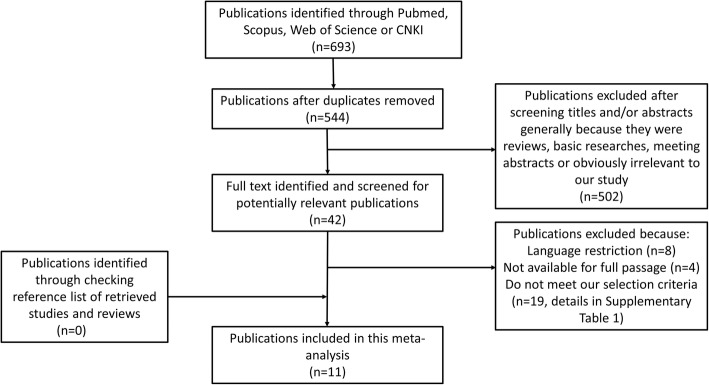
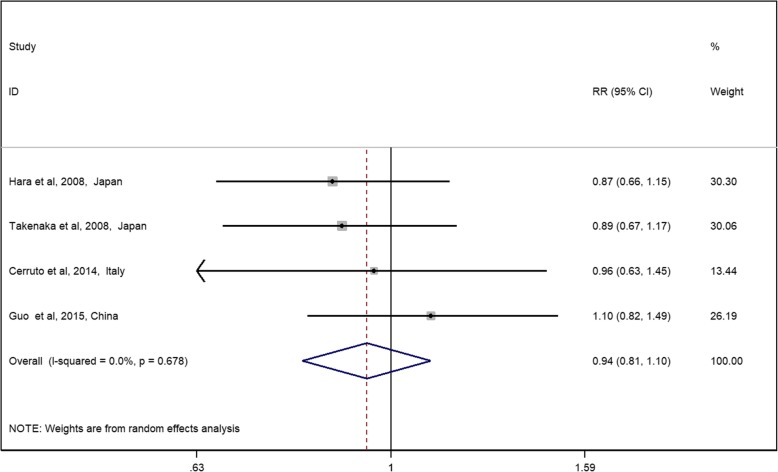
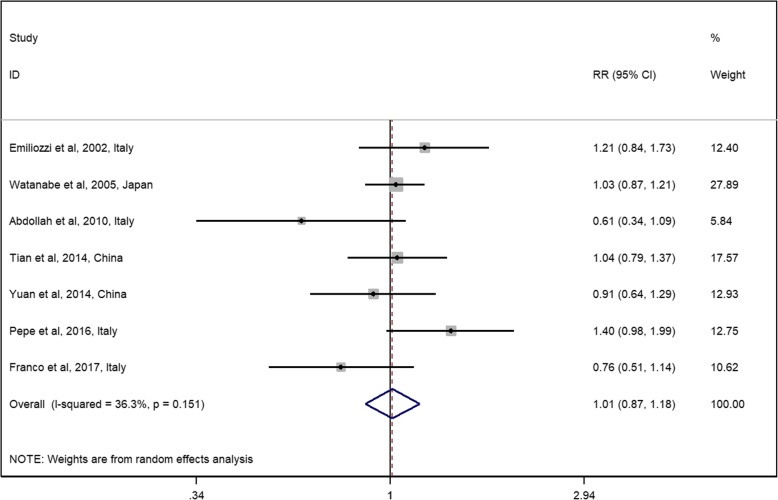
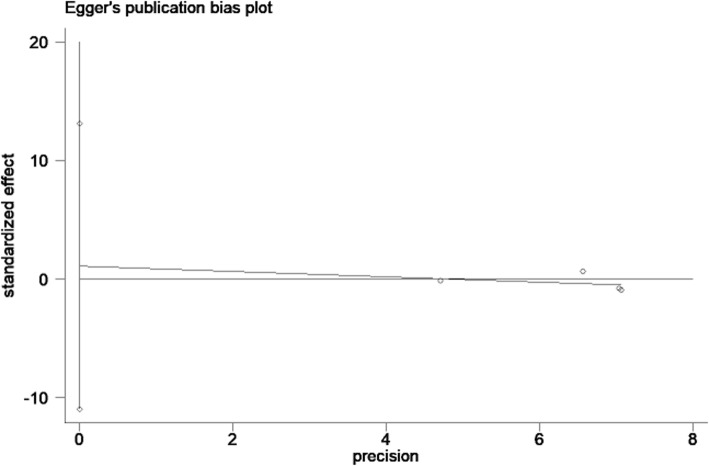
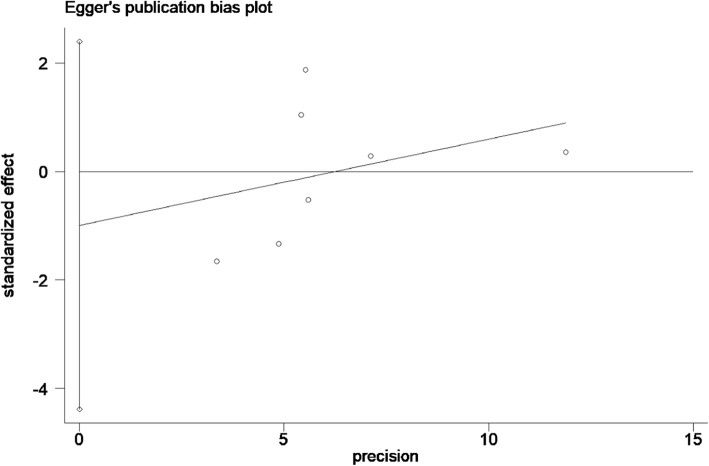
Background: Because conventional prostate biopsy has some limitations, optimal variations of prostate biopsy strategies have emerged to improve the diagnosis rate of prostate cancer. We conducted the systematic review to compare the diagnosis rate and complications of transperineal versus transrectal prostate biopsy. We searched for online publications published through June 27, 2018, in PubMed, Scopus, Web of Science, and Chinese National Knowledge Infrastructure databases. The relative risk and 95% confidence interval were utilized to appraise the diagnosis and complication rate. The condensed relative risk of 11 included studies indicated that transperineal prostate biopsy has the same diagnosis accuracy of transrectal prostate biopsy; however, a significantly lower risk of fever and rectal bleeding was reported for transperineal prostate biopsy. No clue of publication bias could be identified.
Short conclusion: To conclude, this review indicated that transperineal and transrectal prostate biopsy have the same diagnosis accuracy, but the transperineal approach has a lower risk of fever and rectal bleeding. More studies are warranted to confirm these findings and discover a more effective diagnosis method for prostate cancer.
Keywords: Complication; Diagnosis accuracy; Prostate biopsy; Transperineal; Transrectal.
Conflict of interest statement
Ethics approval and consent to participate
All analyses were based on previous published studies thus no ethical approval and patient consent are required.
Consent for publication
Not applicable.
Competing interests
The authors declare that they have no competing interests.
Publisher’s Note
Springer Nature remains neutral with regard to jurisdictional claims in published maps and institutional affiliations.
Figures
References
-
- Lee A, Chia SJ. Contemporary outcomes in the detection of prostate cancer using transrectal ultrasound-guided 12-core biopsy in Singaporean men with elevated prostate specific antigen and/or abnormal digital rectal examination. Asian J Urol. 2015;2:187–193. doi: 10.1016/j.ajur.2015.08.003. - DOI - PMC - PubMed
Publication types
MeSH terms
Grants and funding
LinkOut - more resources
Full Text Sources
Medical
