


Are malaria elimination efforts on right track? An analysis of gains achieved and challenges ahead
- PMID: 30760324
- PMCID: PMC6375178
- DOI: 10.1186/s40249-019-0524-x
Are malaria elimination efforts on right track? An analysis of gains achieved and challenges ahead
Erratum in
-
Correction to: Are malaria elimination efforts on right track? An analysis of gains achieved and challenges ahead.Infect Dis Poverty. 2019 Mar 16;8(1):19. doi: 10.1186/s40249-019-0527-7. Infect Dis Poverty. 2019. PMID: 30878038 Free PMC article.
Abstract
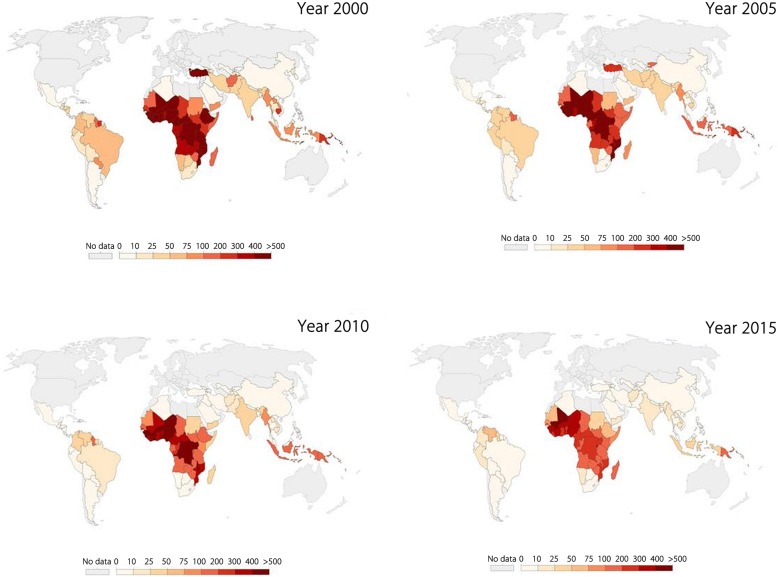
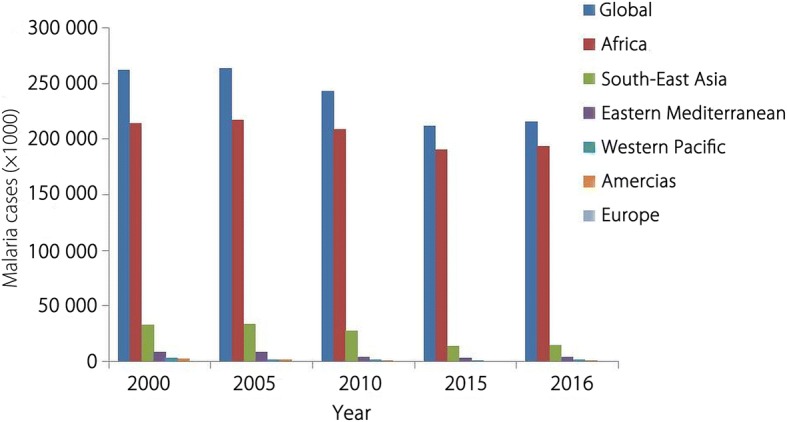
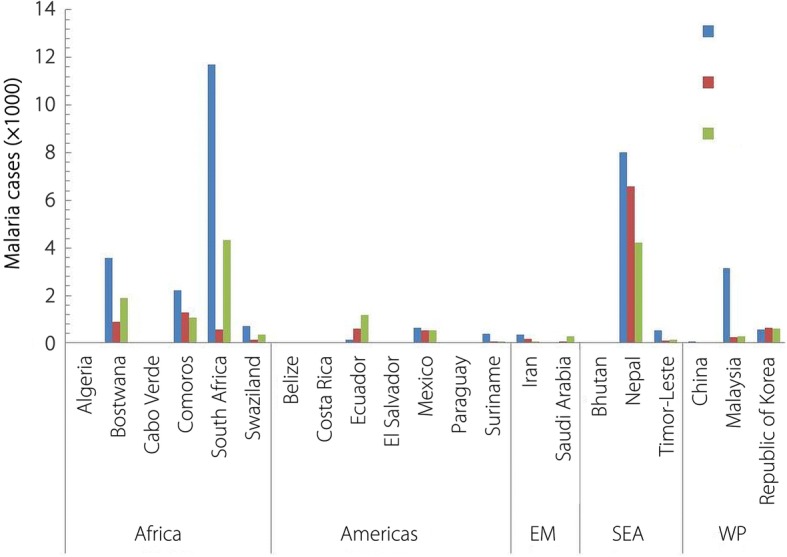
Background: Malaria causes significant morbidity and mortality each year. In the past few years, the global malaria cases have been declining and many endemic countries are heading towards malaria elimination. Nevertheless, reducing the number of cases seems to be easy than sustained elimination. Therefore to achieve the objective of complete elimination and maintaining the elimination status, it is necessary to assess the gains made during the recent years.
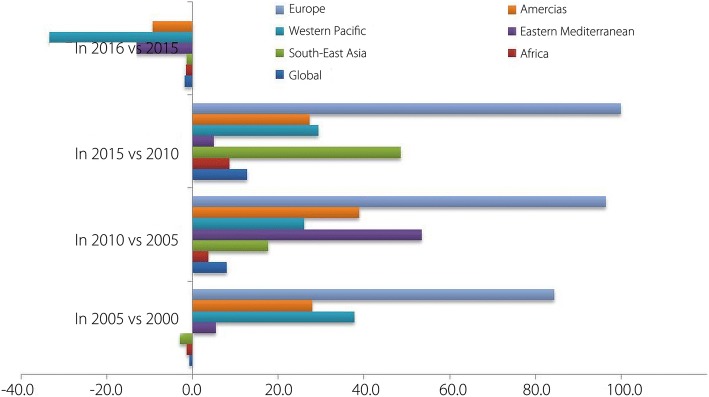
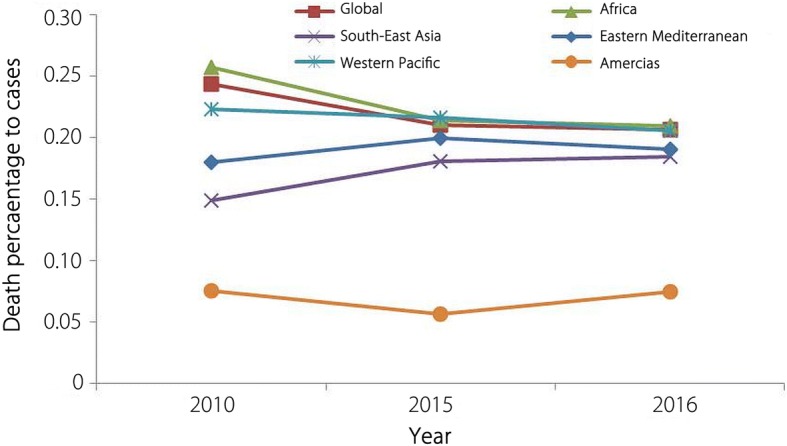
Main text: With inclining global support and World Health Organisation (WHO) efforts, the control programmes have been implemented effectively in many endemic countries. Given the aroused interest and investments into malaria elimination programmes at global level, the ambitious goal of elimination appears feasible. Sustainable interventions have played a pivotal role in malaria contraction, however drug and insecticide resistance, social, demographic, cultural and behavioural beliefs and practices, and unreformed health infrastructure could drift back the progress attained so far. Ignoring such impeding factors coupled with certain region specific factors may jeopardise our ability to abide righteous track to achieve global elimination of malaria parasite. Although support beyond the territories is important, but well managed integrated vector management approach at regional and country level using scrupulously selected area specific interventions targeting both vector and parasite along with the community involvement is necessary. A brief incline in malaria during 2016 has raised fresh perturbation on whether elimination could be achieved on time or not.
Conclusions: The intervention tools available currently can most likely reduce transmission but clearing of malaria epicentres from where the disease can flare up any time, is not possible without involving local population. Nevertheless maintaining zero malaria transmission and checks on malaria import in declared malaria free countries, and further speeding up of interventions to stop transmission in elimination countries is most desirable. Strong collaboration backed by adequate political and financial support among the countries with a common objective to eliminate malaria must be on top priority. The present review attempts to assess the progress gained in malaria elimination during the past few years and highlights some issues that could be important in successful malaria elimination.
Keywords: Anopheles; Antimalarial resistance; Control programme; Insecticide resistance; Malaria elimination; Plasmodium; WHO region.
Conflict of interest statement
Ethics approval and consent to participate
Not applicable.
Consent for publication
Not applicable.
Competing interests
The authors declare that they have no competing interests.
Figures
References
-
- World Health Organisation . World malaria report 2017. Geneva: WHO press, World Health Organization; 2017.
Publication types
MeSH terms
Substances
LinkOut - more resources
Full Text Sources
Medical
Miscellaneous
