


Dynamics of intervention adoption, implementation, and maintenance inside organizations: The case of an obesity prevention initiative
- PMID: 30763824
- PMCID: PMC8167908
- DOI: 10.1016/j.socscimed.2018.12.021
Dynamics of intervention adoption, implementation, and maintenance inside organizations: The case of an obesity prevention initiative
Abstract
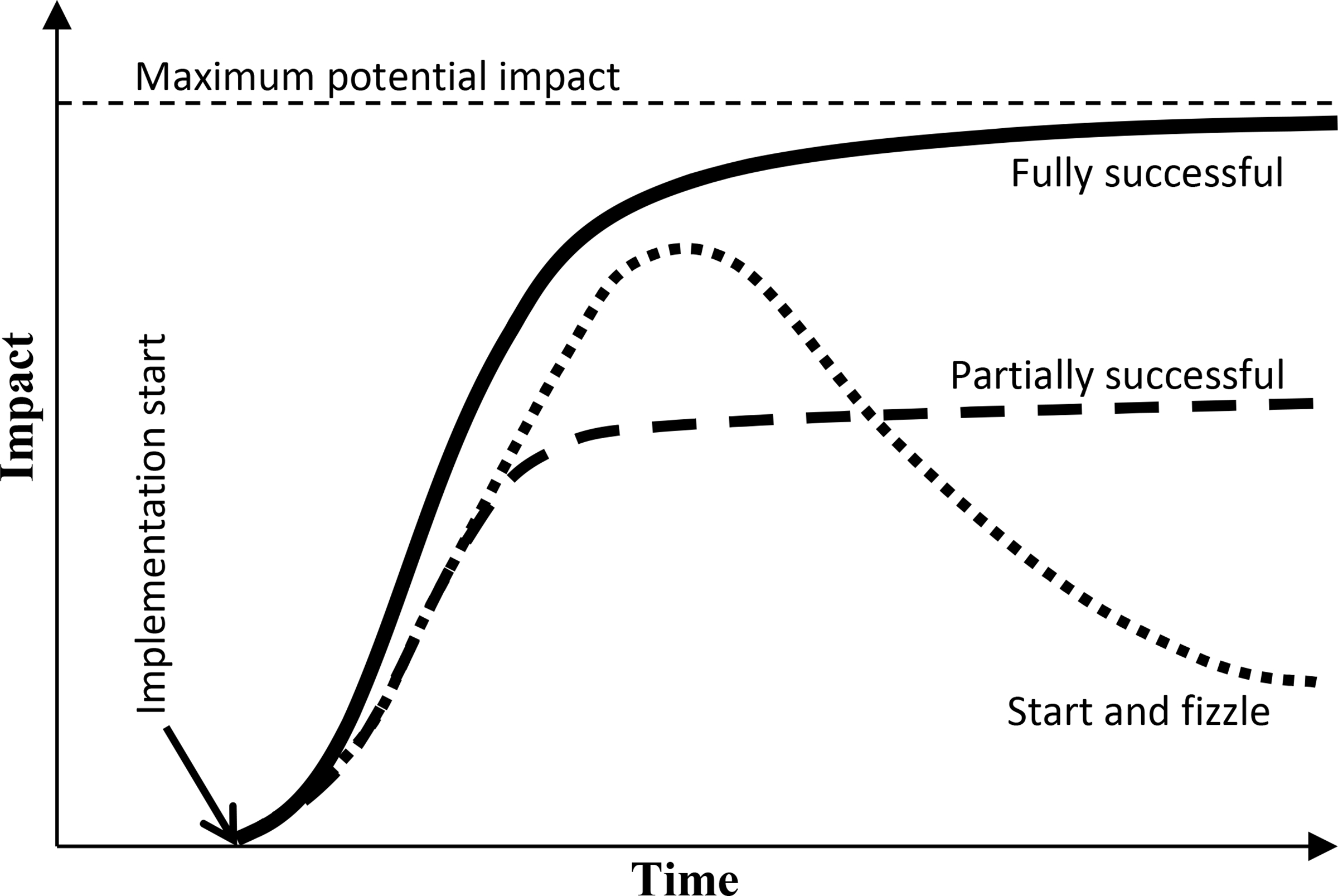
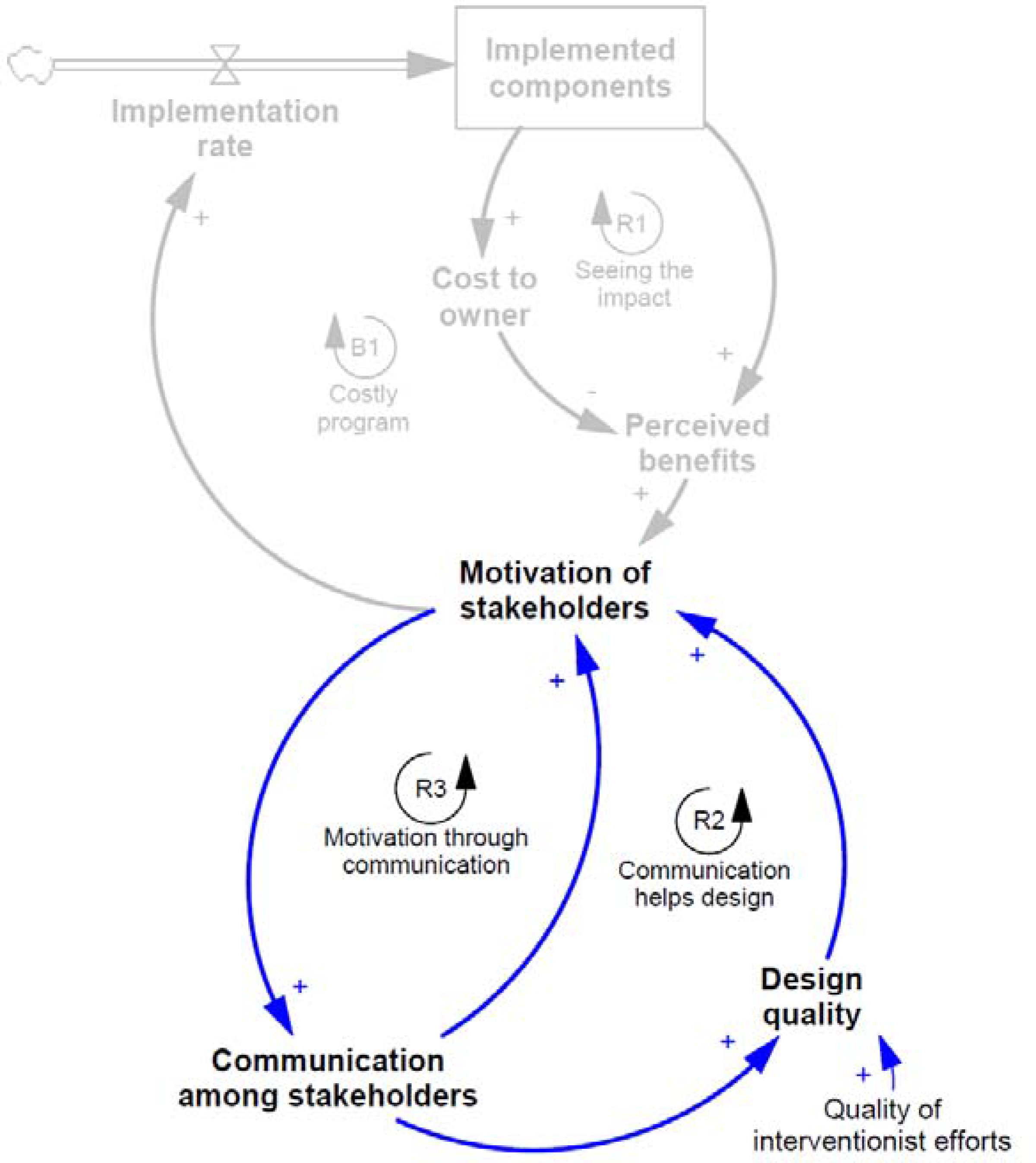
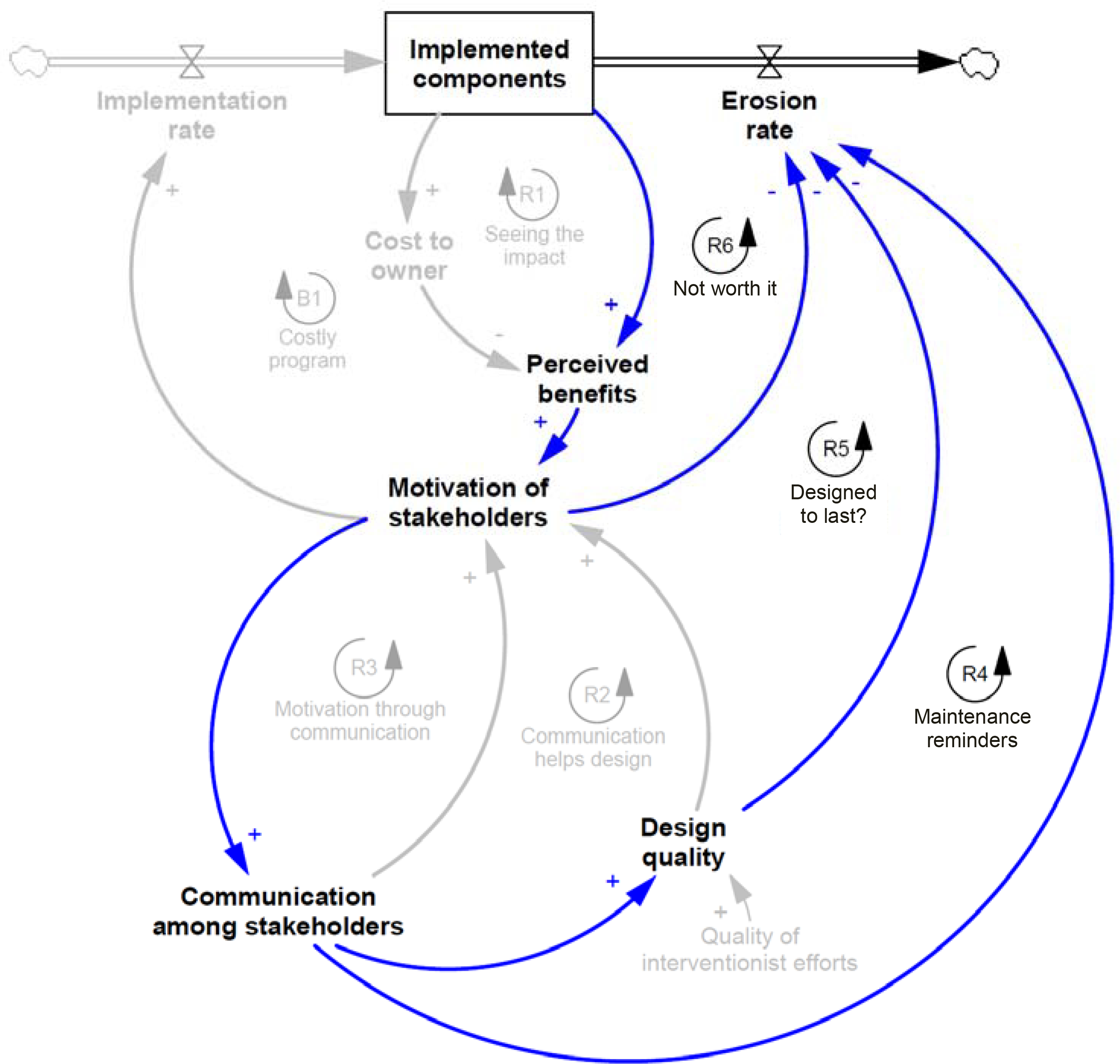
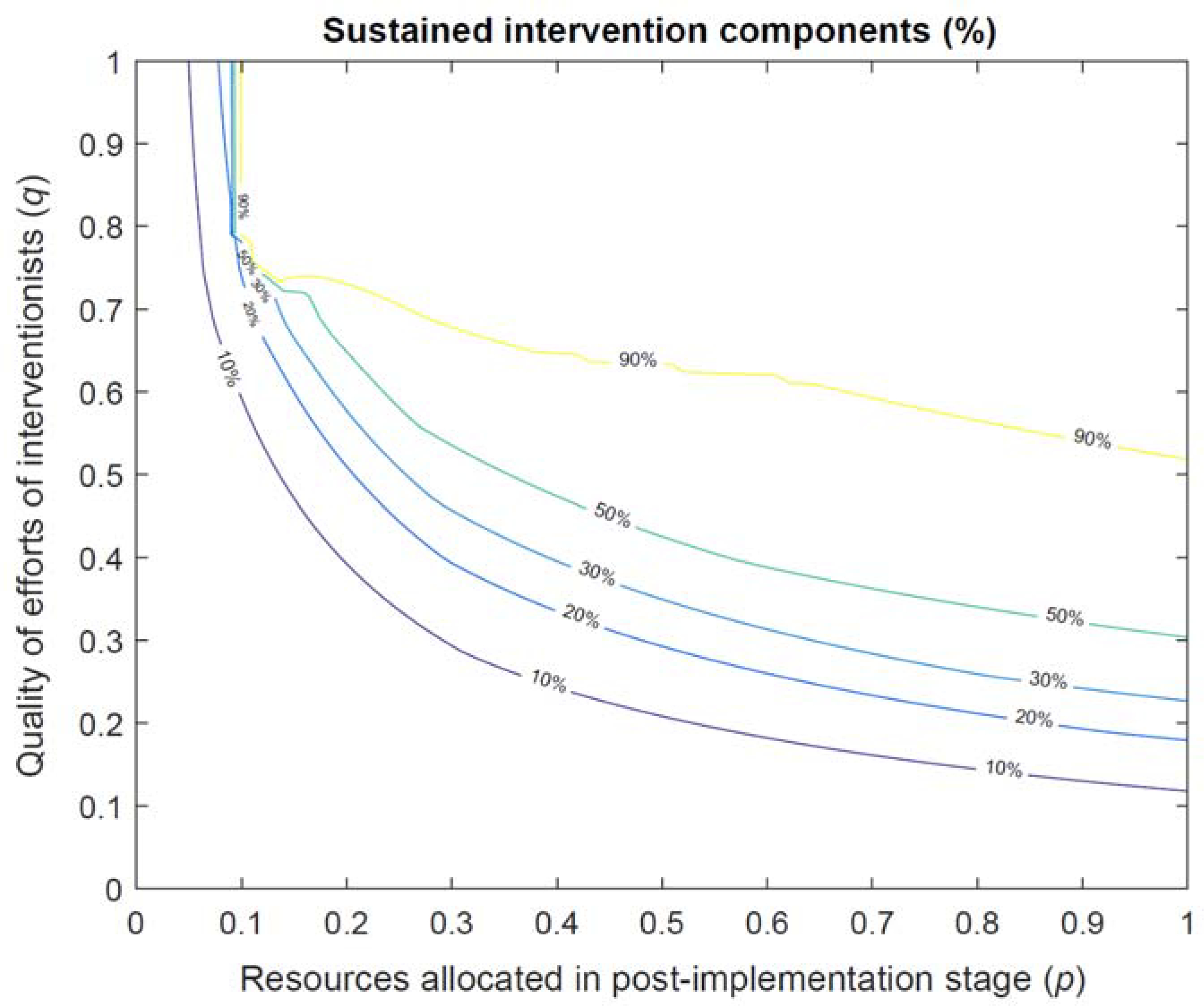
Overall impact of public health prevention interventions relies not only on the average efficacy of an intervention, but also on the successful adoption, implementation, and maintenance (AIM) of that intervention. In this study, we aim to understand the dynamics that regulate AIM of organizational level intervention programs. We focus on two well-documented obesity prevention interventions, implemented in food carry-outs and stores in low-income urban areas of Baltimore, Maryland, which aimed to improve dietary behaviour for adults by providing access to healthier foods and point-of-purchase promotions. Building on data from field observations, in-depth interviews, and data discussed in previous publications, as well as the strategy and organizational behaviour literature, we developed a system dynamics model of the key processes of AIM. With simulation analysis, we show several reinforcing mechanisms that span stakeholder motivation, communications, and implementation quality and costs can turn small changes in the process of AIM into big difference in the overall impact of the intervention. Specifically, small changes in the allocation of resources to communication with stakeholders of intervention could have a nonlinear long-term impact if those additional resources can turn stakeholders into allies of the intervention, reducing the erosion rates and enhancing sustainability. We present how the dynamics surrounding communication, motivation, and erosion can create significant heterogeneity in the overall impact of otherwise similar interventions. Therefore, careful monitoring of how those dynamics unfold, and timely adjustments to keep the intervention on track are critical for successful implementation and maintenance.
Keywords: Communication; Intervention; Motivation; Obesity prevention; Process evaluation; Simulation; Sustainability of implementation; System dynamics.
Copyright © 2019 Elsevier Ltd. All rights reserved.
Figures




References
-
- Sterman J, Business dynamics : systems thinking and modeling for a complex world. 2000, Boston: Irwin/McGraw-Hill. xxvi, 982 p.
-
- Brown T, et al. , Systematic review of long term lifestyle interventions to prevent weight gain and morbidity in adults. Obesity Reviews, 2009. 10(6): p. 627–638. - PubMed
-
- Glasgow RE and Emmons KM, How can we increase translation of research into practice? Types of evidence needed. Annual Review of Public Health, 2007. 28: p. 413–433. - PubMed
-
- Gortmaker SL, et al. , Reducing obesity via a school-based interdisciplinary intervention among youth - Planet health. Archives of Pediatrics & Adolescent Medicine, 1999. 153(4): p. 409–418. - PubMed
Publication types
MeSH terms
Grants and funding
LinkOut - more resources
Full Text Sources
Medical
