


Acute Effects of Hibiscus Sabdariffa Calyces on Postprandial Blood Pressure, Vascular Function, Blood Lipids, Biomarkers of Insulin Resistance and Inflammation in Humans
- PMID: 30764582
- PMCID: PMC6412462
- DOI: 10.3390/nu11020341
Acute Effects of Hibiscus Sabdariffa Calyces on Postprandial Blood Pressure, Vascular Function, Blood Lipids, Biomarkers of Insulin Resistance and Inflammation in Humans
Abstract
Background/objectives: The acute impact of Hibiscus sabdariffa calyces (HSC) extract on postprandial vascular function and other cardiometabolic risk factors have not been studied previously. This study investigated the acute impact of HSC extract consumption on blood pressure (BP), vascular function and other cardiometabolic risk markers.
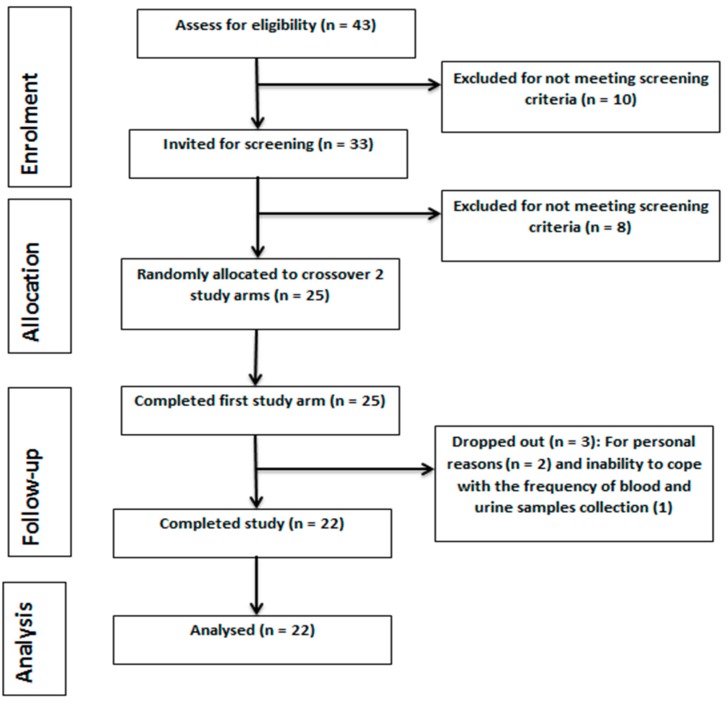
Subjects/methods: Twenty-five men with 1% to 10% cardiovascular disease (CVD) risk (determined by QRISK®2) were randomised to consume either 250 mL of the aqueous extract of HSC or water with breakfast in a randomised, controlled, single-blinded, 2-meal cross-over study (ClinicalTrials.gov, NTC02165553) with a two weeks washout period between study days. BP was measured at baseline and hourly for 4 h. Flow mediated dilatation (FMD) of the branchial artery was measured at baseline, 2 and 4 h post intervention drink consumption.
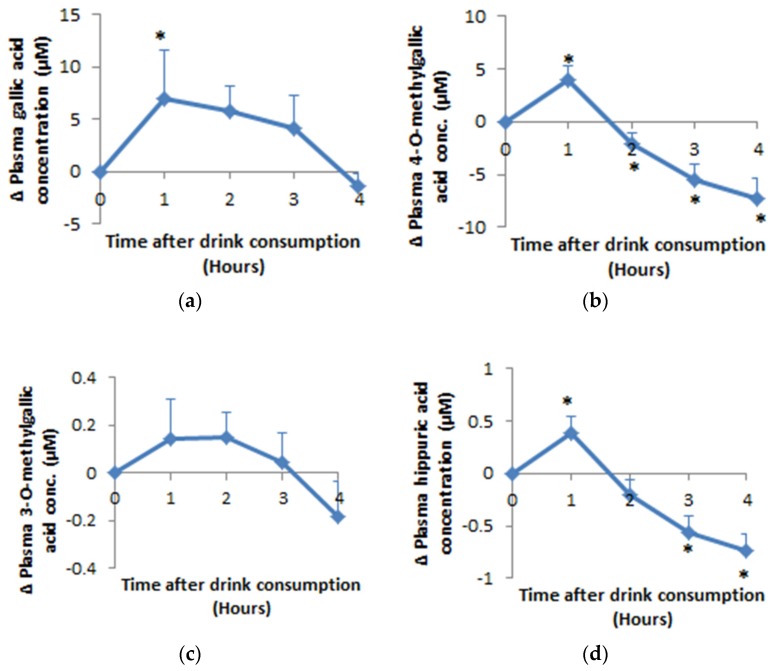
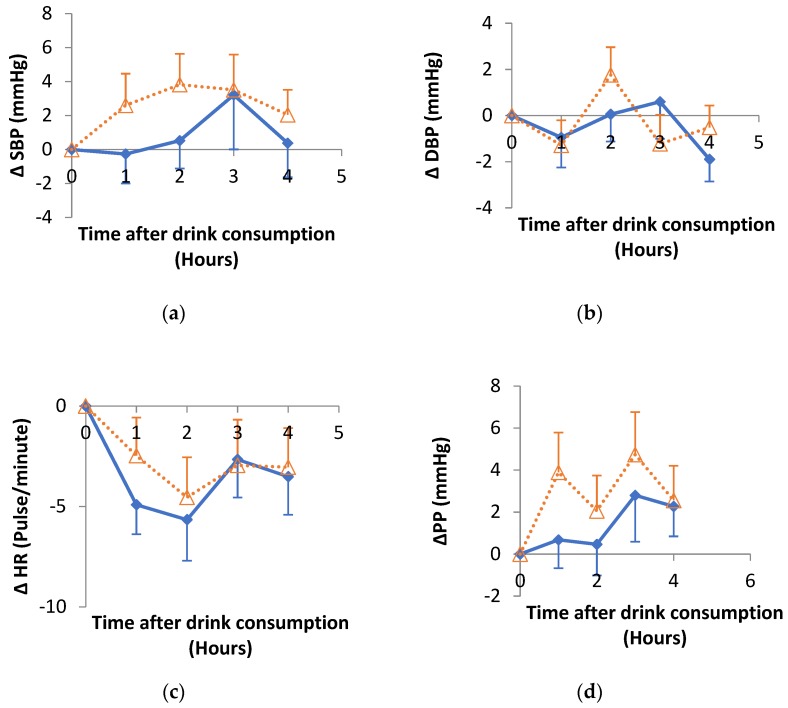
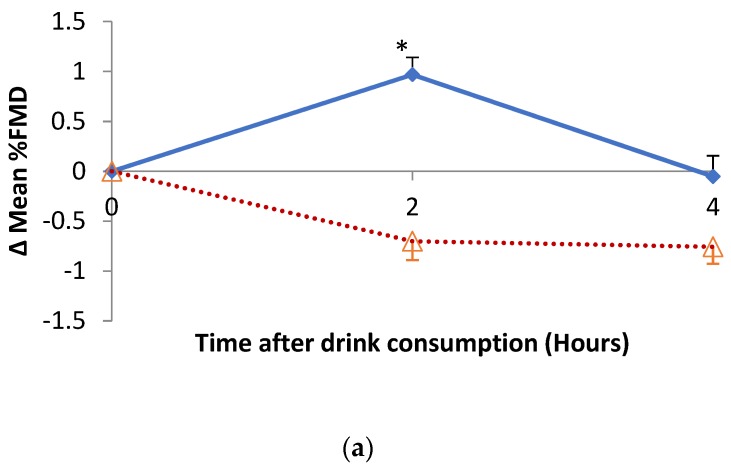
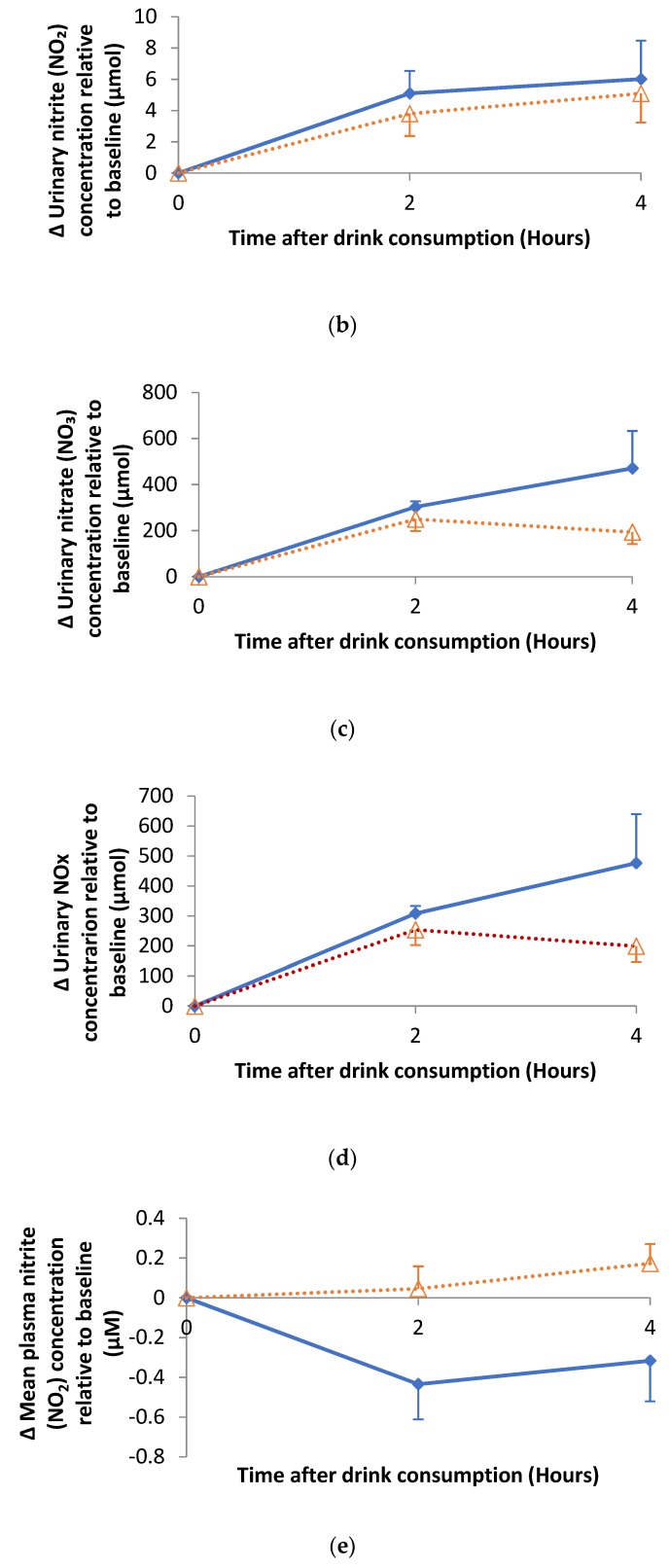
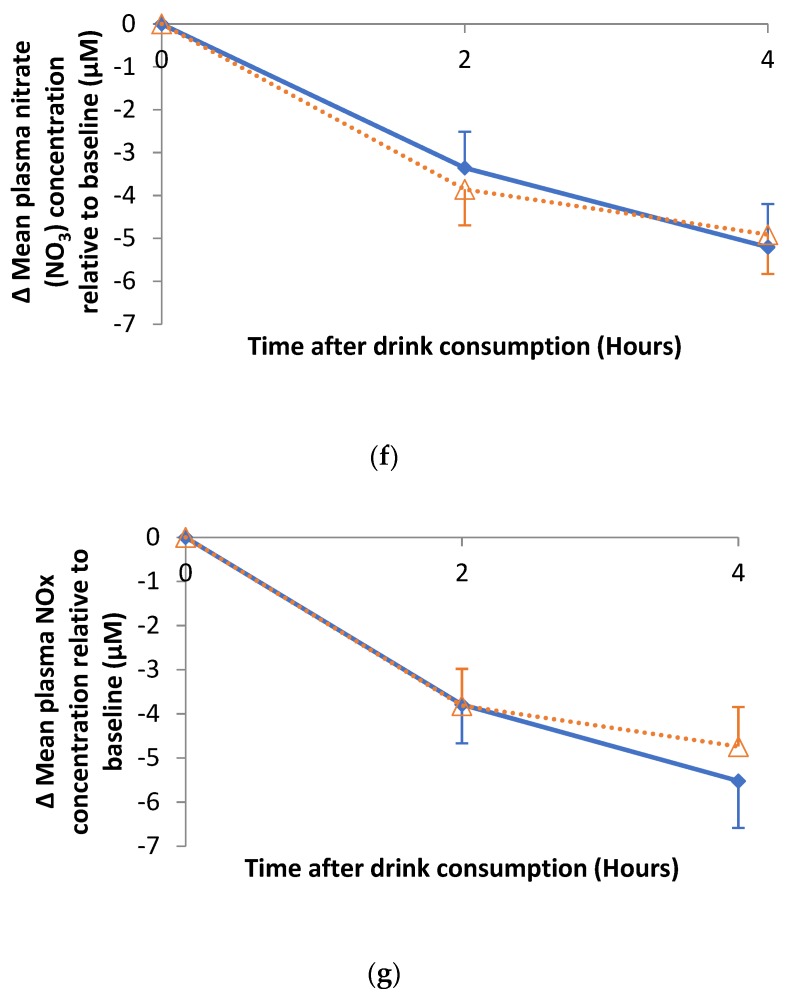
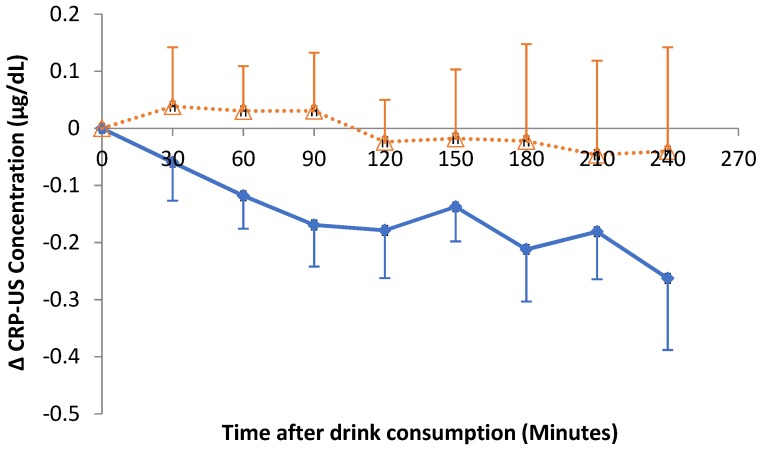
Results: Acute consumption of aqueous extract of HSC caused a significant increase in % FMD (p < 0.001), a non-significant decrease in systolic BP (SBP) and diastolic BP (DBP); non-significant increase in urinary and plasma nitric oxide (NOx) and reduced response of serum glucose, plasma insulin, serum triacylglycerol and C-reactive protein (CRP) levels; significant (p = 0.026) improvement in the area under systemic antioxidant response curve (0 to 2 h); no significant changes in arterial stiffness following the acute consumption of the extract of HSC. Gallic acid, 4-O-methylgallic acid, 3-O-methylgallic acid and hippuric acid reached a maximum plasma concentration at 1 to 2 h post consumption of the extract of HSC.
Conclusion: The extract of HSC improved postprandial vascular function and may be a useful dietary strategy to reduce endothelial dysfunction and CVD risk, although this requires confirmation.
Keywords: Hibiscus sabdariffa calyces; postprandial blood pressure; vascular function.
Conflict of interest statement
The authors declare no conflict of interest. The funders had no role in the design of the study; in the collection, analyses, or interpretation of data; in the writing of the manuscript, or in the decision to publish the results.
Figures
References
-
- British Heart Foundation BHF Statistics Factsheet. [(accessed on 20 January 2019)]; Available online: https://www.bhf.org.uk/
-
- WHO . World Health Statistics 2012. World Health Organisation; Geneva, Switzerland: 2012. WHO Reports.
Publication types
MeSH terms
Substances
Grants and funding
LinkOut - more resources
Full Text Sources
Research Materials
Miscellaneous
