


Neurochemically distinct circuitry regulates locus coeruleus activity during female social stress depending on coping style
- PMID: 30767070
- PMCID: PMC6510627
- DOI: 10.1007/s00429-019-01837-5
Neurochemically distinct circuitry regulates locus coeruleus activity during female social stress depending on coping style
Abstract
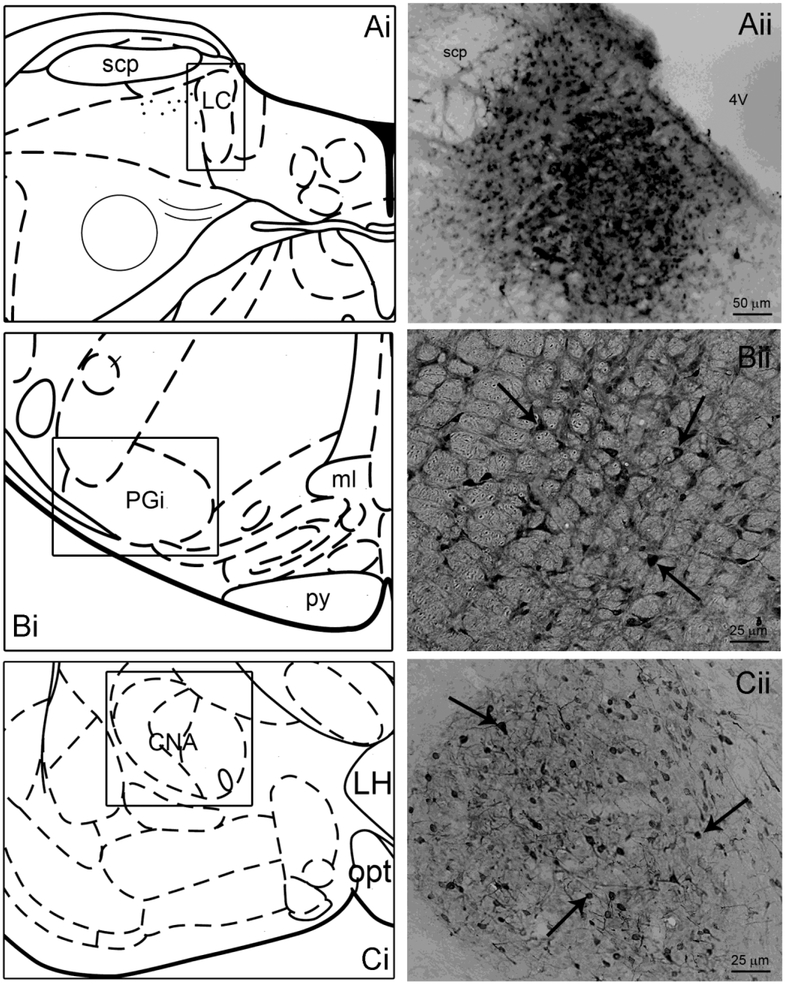
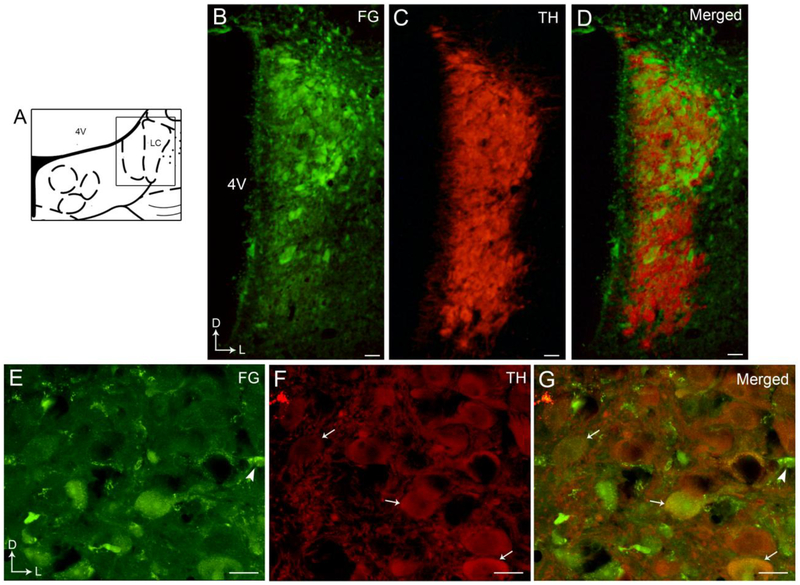
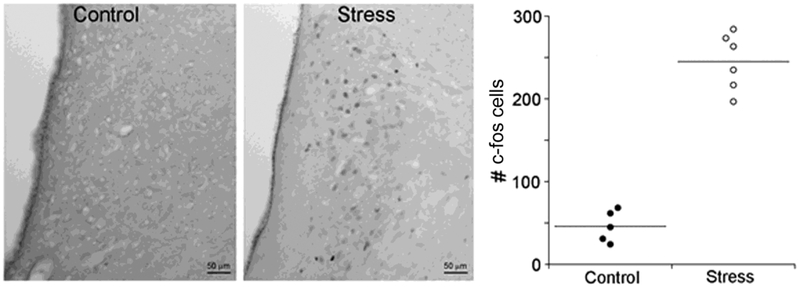
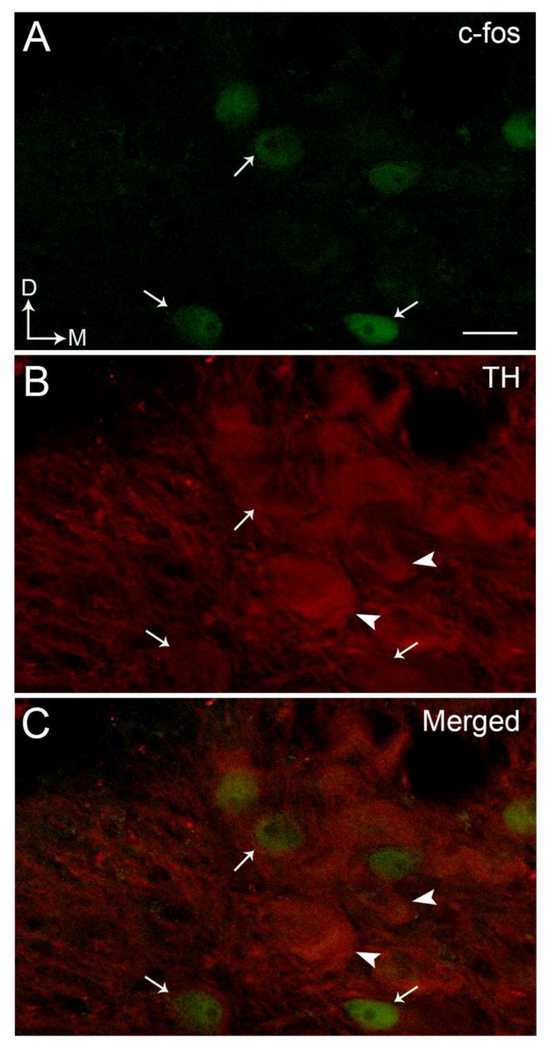
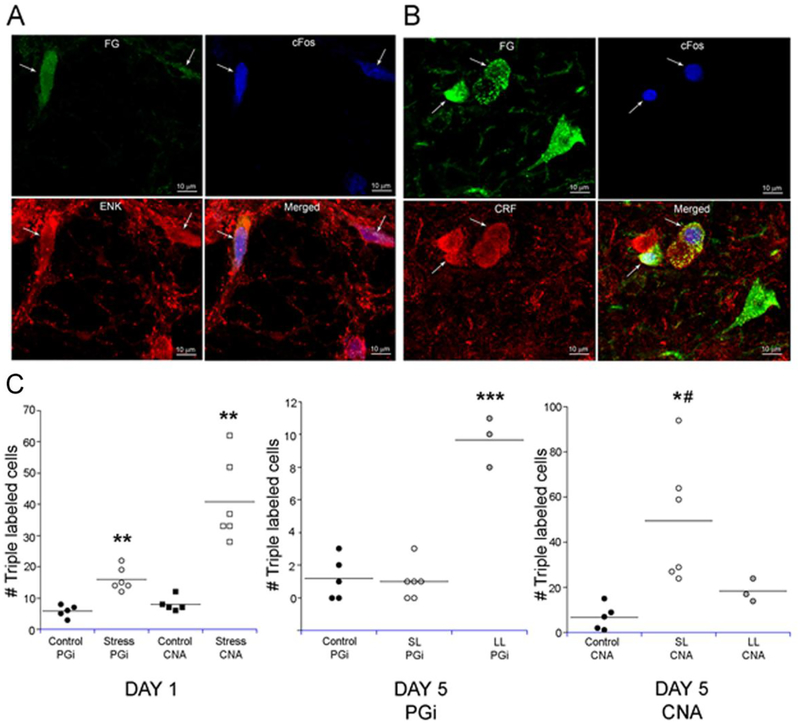
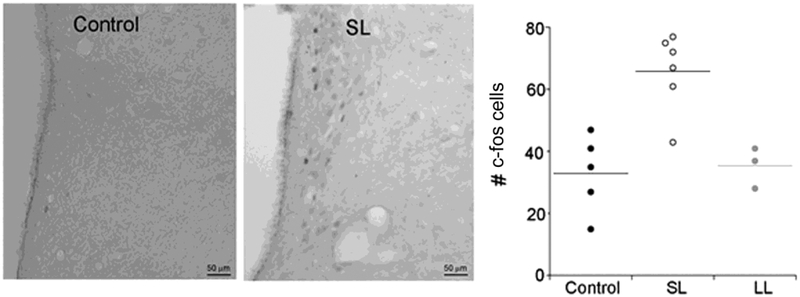
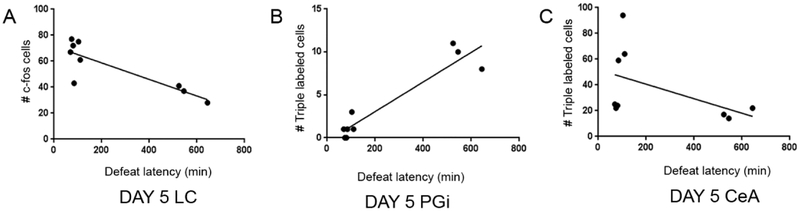
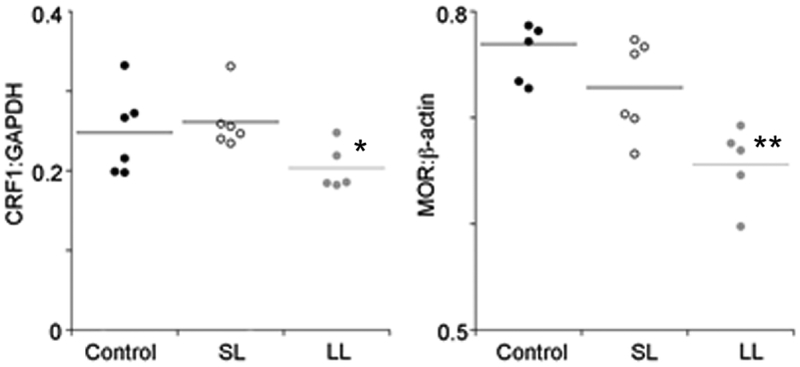
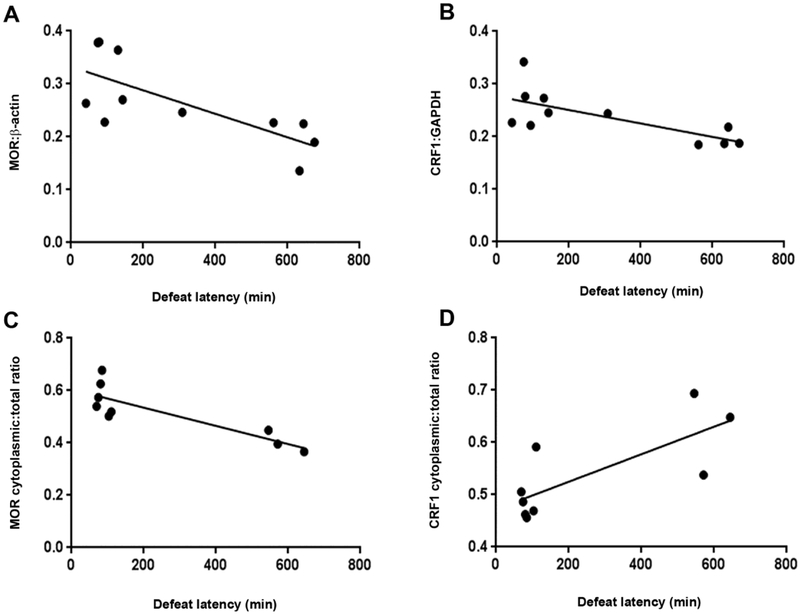
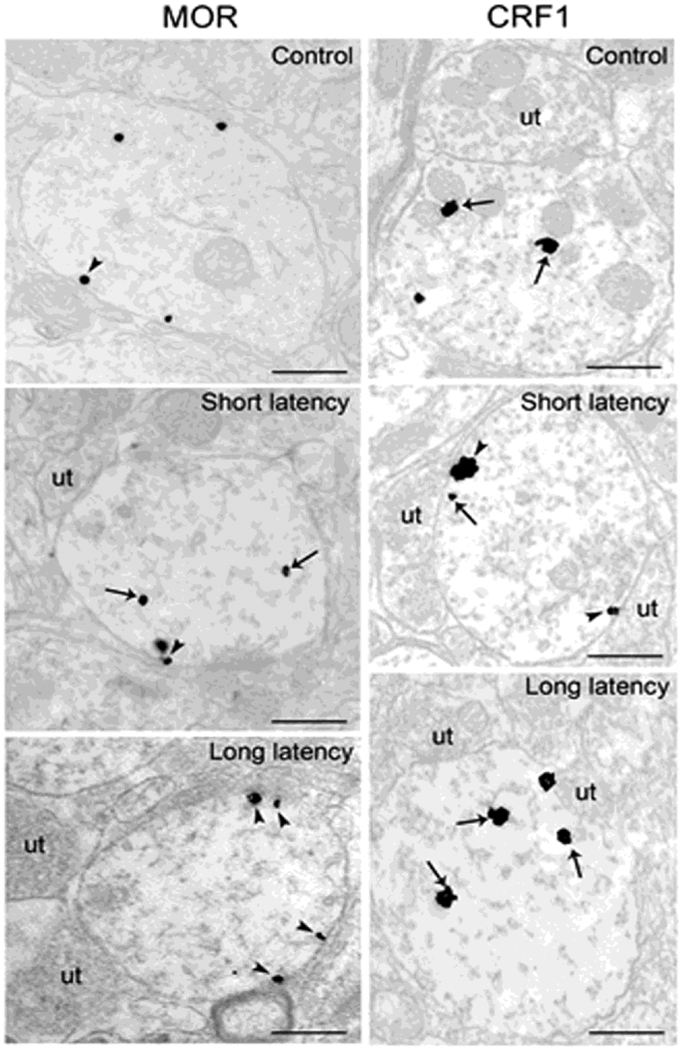
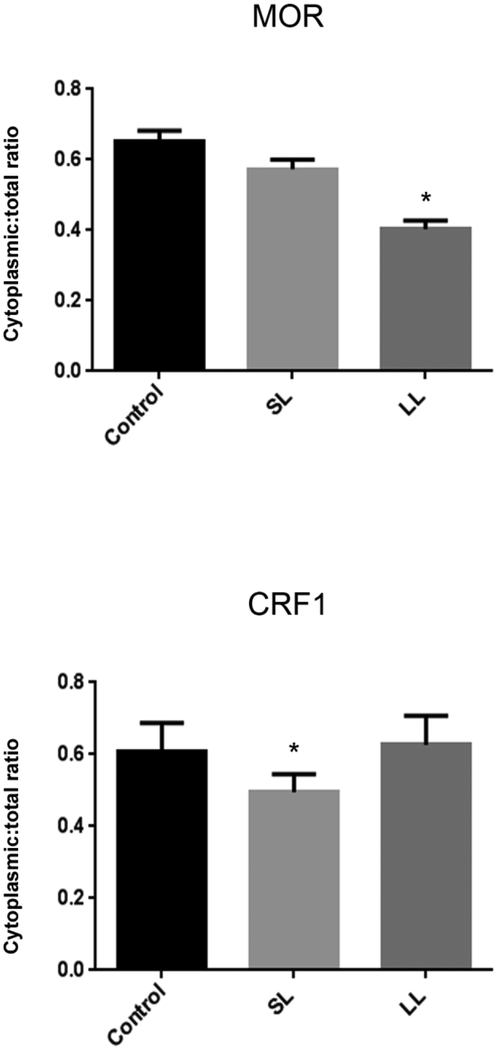
Stress-related psychiatric diseases are nearly twice as prevalent in women compared to men. We recently showed in male rats that the resident-intruder model of social stress differentially engages stress-related circuitry that regulates norepinephrine-containing neurons of the locus coeruleus (LC) depending on coping strategy as determined by the latency to assume a defeat posture. Here, we determined whether this social stress had similar effects in female rats. LC afferents were retrogradely labeled with Fluorogold (FG) and rats had one or five daily exposures to an aggressive resident. Sections through the nucleus paragigantocellularis (PGi), a source of enkephalin (ENK) afferents to the LC, and central nucleus of the amygdala (CeA), a source of corticotropin-releasing factor (CRF) afferents to the LC, were processed for immunocytochemical detection of c-fos, a marker of neuronal activity, FG and ENK or CRF. Like male rats, female rats defeated with a relatively short latency (SL) in response to a single resident-intruder exposure and showed significant c-fos activation of LC neurons, PGi-ENK LC afferents, and CeA-CRF-LC afferents. With repeated exposure, some rats exhibited a long latency to defeat (LL). LC neurons and CeA-CRF-LC afferents were activated in SL rats compared to control and LL, whereas PGi-ENK LC afferents were not. Conversely, in LL rats, PGi-ENK LC and CeA-CRF-LC afferents were activated compared to controls but not LC neurons. CRF type 1 receptor (CRF1) and µ-opioid receptor (MOR) expression levels in LC were decreased in LL rats. Finally, electron microscopy showed a relative increase in MOR on the plasma membrane of LL rats and a relative increase in CRF1 on the plasma membrane of SL rats. Together, these results suggest that as is the case for males, social stress engages divergent circuitry to regulate the LC in female rats depending on coping strategy, with a bias towards CRF influence in more subordinate rats and opioid influence in less subordinate rats.
Keywords: Central nucleus of the amygdala; Corticotropin-releasing factor; Enkephalin; Locus coeruleus; Nucleus paragigantocellularis; Social stress; µ-Opioid receptor and corticotropin-releasing factor receptor.
Figures
References
-
- Avgustinovich DF, Kovalenko IL, Kudryavtseva NN (2005) A model of anxious depression: persistence of behavioral pathology. Neurosci Behav Physiol 35:917–924. - PubMed
-
- Bangasser DA, Curtis A, Reyes BA, Bethea TT, Parastatidis I, Ischiropoulos H, Van Bockstaele EJ, Valentino RJ (2010) Sex differences in corticotropin-releasing factor receptor signaling and trafficking: potential role in female vulnerability to stress-related psychopathology. Mol Psychiatry 15:877, 896–904. - PMC - PubMed
-
- Barr J, Van Bockstaele EJ (2005) Vesicular glutamate transporter-1 colocalizes with endogenous opioid peptides in axon terminals of the rat locus coeruleus. The anatomical Record. 284:466–474. - PubMed
-
- Berridge CW, Waterhouse BD (2003) The locus-coeruleus-noradrenergic system: modulation of behavioral state and state-dependent cognitive processes. Brain Res Rev 42:33–84. - PubMed
MeSH terms
Substances
Grants and funding
LinkOut - more resources
Full Text Sources
Medical
