


Using Electronic Clinical Decision Support in Patient-Centered Medical Homes to Improve Management of Diabetes in Primary Care: The DECIDE Study
- PMID: 30768429
- PMCID: PMC7329235
- DOI: 10.1097/JAC.0000000000000267
Using Electronic Clinical Decision Support in Patient-Centered Medical Homes to Improve Management of Diabetes in Primary Care: The DECIDE Study
Abstract
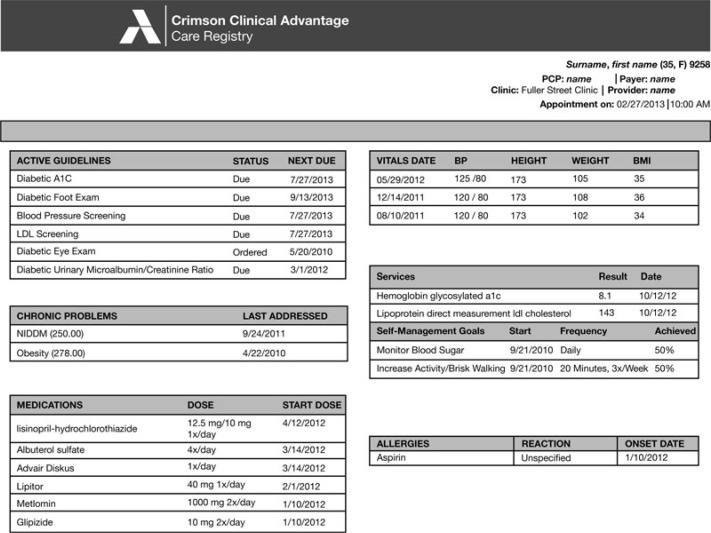
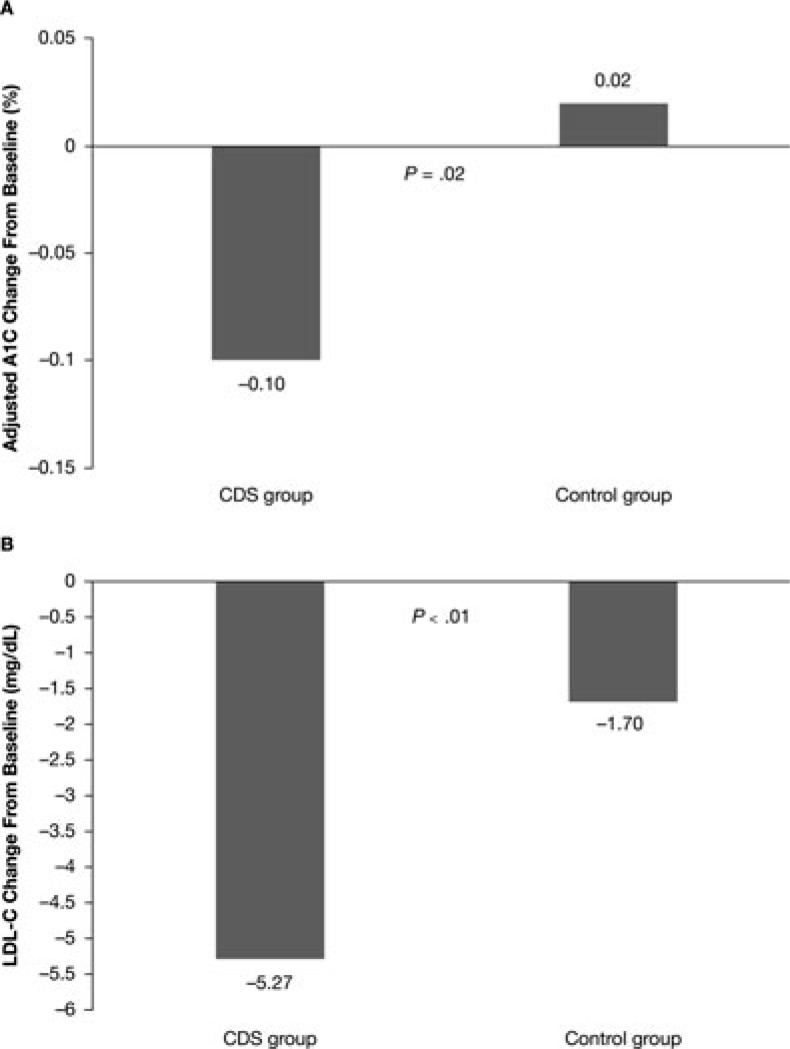
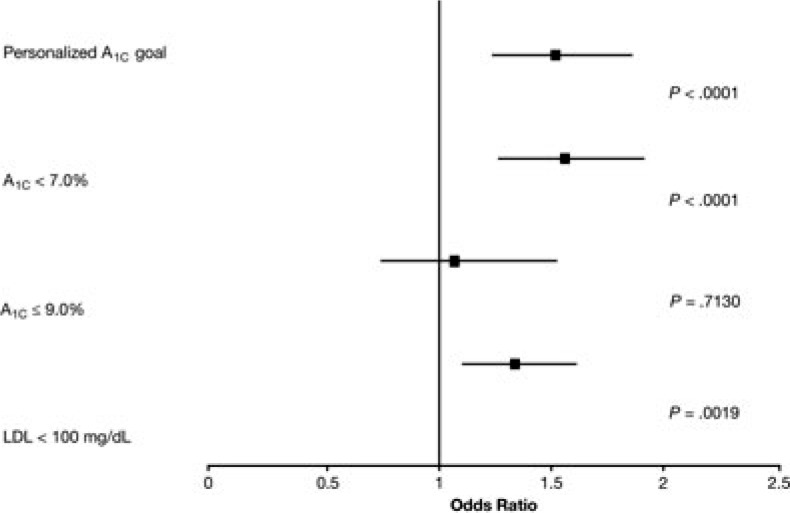
This prospective, randomized, real-world study aimed to examine the impact of electronic health record-based clinical decision support (CDS) tools on the management of diabetes in small- to medium-sized primary care practices participating in Delaware's patient-centered medical home project. Overall, use of CDS systems was associated with greater reductions from baseline in hemoglobin A1c and low-density lipoprotein cholesterol, and more patients achieving treatment goals. Physicians and staff reported that the CDS toolkit empowered them to be more involved in clinical decision-making, thereby helping to improve diabetes care. However, all cited significant barriers to fully implementing team-based CDS, predominantly involving time and reimbursement.
Figures
References
-
- Berner E. S. (2009). Clinical decision support systems: State of the art. Agency for Healthcare Research and Quality (AHRQ) publication no. 09-0069-EF. Rockville, MD: AHRQ.
-
- Bodenheimer T., Grumbach K. (2003). Electronic technology: A spark to revitalize primary care? JAMA, 290(2), 259–264. - PubMed
-
- Centers for Disease Control and Prevention. (2018). International Classification of Diseases, Ninth Revision, Clinical Modification. Retrieved February 28, 2018, from https://www.cdc.gov/nchs/icd/icd9cm.htm.
-
- Demakis J. G., Beauchamp C., Cull W. L., Denwood R., Elsen S. A., Lofgren R., Henderson W. G. (2000). Improving residents' compliance with standards of ambulatory care: results from the VA Cooperative Study on Computerized Reminders. JAMA, 284(11), 1411–1416. - PubMed
-
- Gill J. M., Chen Y. X., Glutting J. J., Diamond J. J., Lieberman M. I. (2009). Impact of decision support in electronic medical records on lipid management in primary care. Population Health Management, 12(5), 221–226. - PubMed
Publication types
MeSH terms
Substances
LinkOut - more resources
Full Text Sources
Medical
