


Sterilisation in Dentistry: A Review of the Literature
- PMID: 30774663
- PMCID: PMC6350571
- DOI: 10.1155/2019/6507286
Sterilisation in Dentistry: A Review of the Literature
Abstract
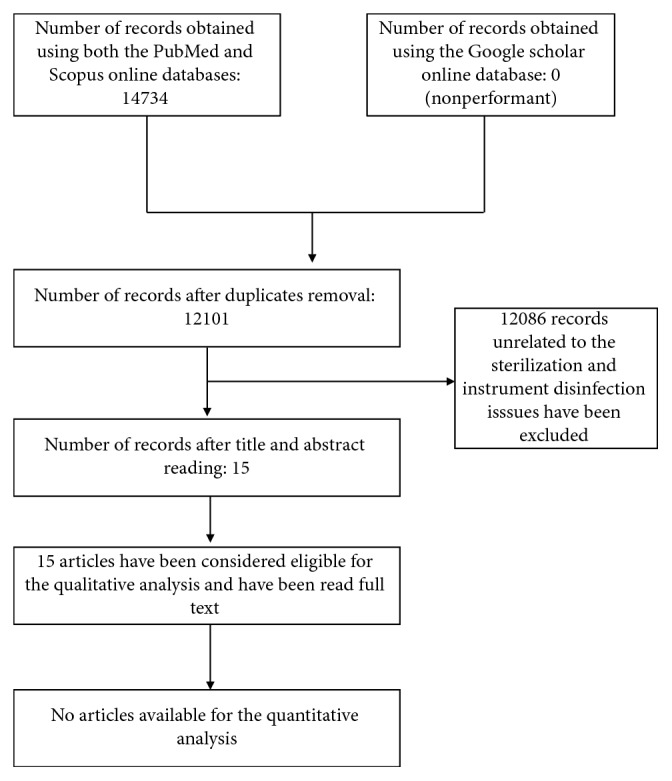
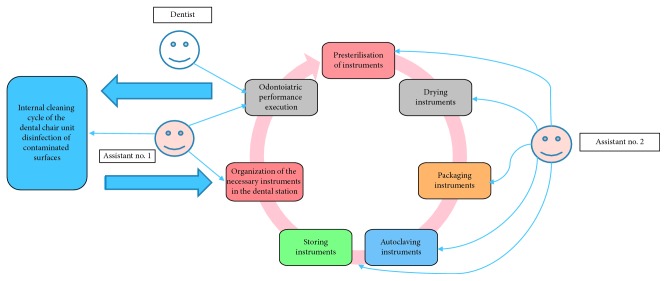
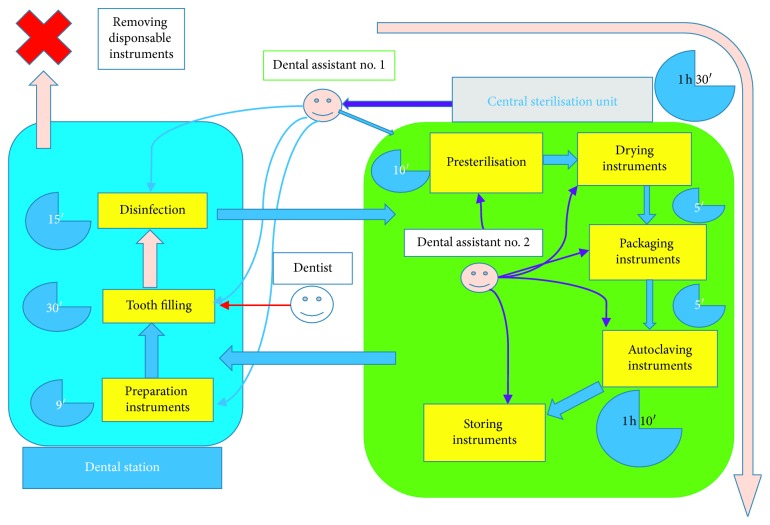
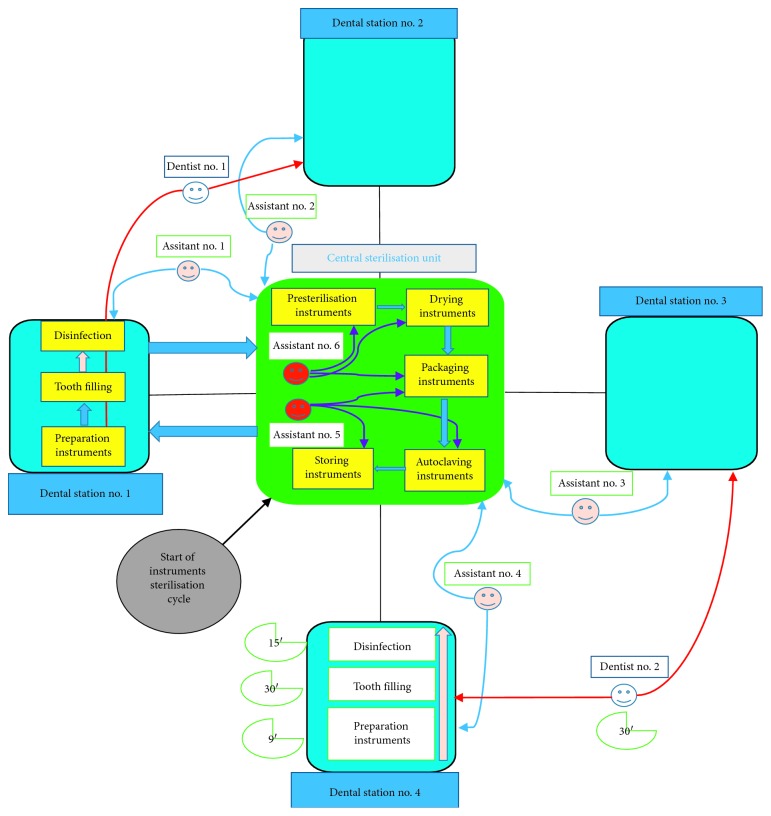
In a small and medium-sized dental facility, the correct management of the sterilisation and presterilisation phases plays a fundamental role in good management of instruments and personnel, in order to ensure conditions that are more efficient with less down time. Nowadays, instrument sterilizers are increasingly efficient in achieving results, both in terms of time and size, and ensure that materials are sterile and ready to be stocked in a reasonable time. A literature search for articles related to revision work was performed using electronic databases such as PubMed, Scopus, and Google Scholar. The following keywords have been entered in the previously mentioned databases: sterilisation instruments; dental autoclave; precleaning; instruments disinfectants. The records obtained were screened by three reviewers, and only relevant articles were read full text. In addition, the timings of dental and sterilisation procedures were measured, and from these, suggestions are made in order to improve the efficiency of instrumentation management (facility used as study subject: University Dental Clinic, University of Foggia) as a function of the health-care interventions. We arrived at the conclusion that without doubt, sterilisation of instruments and products plays a fundamental role, but the efficiency of the sterilisation and presterilisation procedures cannot be separated from managing the personnel in charge by giving them specific and precise tasks.
Figures
References
-
- Condrin A. K. Disinfection and sterilization in dentistry. Texas Dental Journal. 2014;131(8):604–608. - PubMed
-
- Arancegui N., Lucena P. H. Biological safety in dentistry: development of a useful method for quality control of sterilization. Revista Argentina de Microbiología. 1994;26(3):146–149. - PubMed
-
- Gyorfi A., Fazekas A. Significance of infection control in dentistry: a review. Fogorvosi Szemle. 2007;100(4):141–152. - PubMed
Publication types
LinkOut - more resources
Full Text Sources
