


What is the evidence that people with frailty have needs for palliative care at the end of life? A systematic review and narrative synthesis
- PMID: 30775957
- PMCID: PMC6439946
- DOI: 10.1177/0269216319828650
What is the evidence that people with frailty have needs for palliative care at the end of life? A systematic review and narrative synthesis
Abstract
Background: The number of older people living and dying with frailty is rising, but our understanding of their end-of-life care needs is limited.
Aim: To synthesise evidence on the end-of-life care needs of people with frailty.
Design: Systematic review of literature and narrative synthesis. Protocol registered prospectively with PROSPERO (CRD42016049506).
Data sources: Fourteen electronic databases (CINAHL, Cochrane, Embase, EThOS, Google, Medline, NDLTD, NHS Evidence, NICE, Open grey, Psychinfo, SCIE, SCOPUS and Web of Science) searched from inception to October 2017 and supplemented with bibliographic screening and reference chaining. Studies were included if they used an explicit definition or measure of frailty. Quality was assessed using the National Institute for Health tool for observational studies.
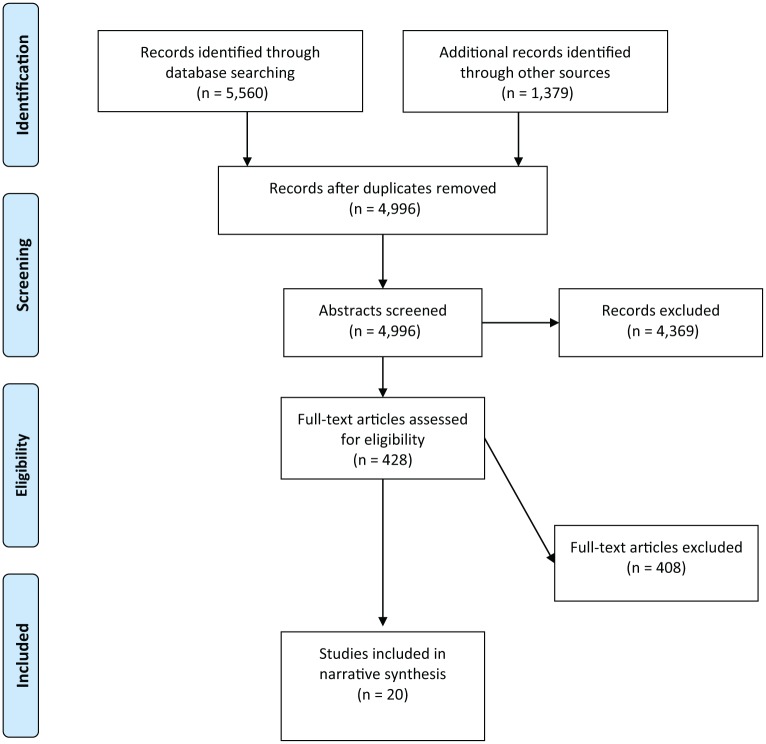
Results: A total of 4,998 articles were retrieved. Twenty met the inclusion criteria, providing evidence from 92,448 individuals (18,698 with frailty) across seven countries. Thirteen different measures or definitions of frailty were used. People with frailty experience pain and emotional distress at levels similar to people with cancer and also report a range of physical and psychosocial needs, including weakness and anxiety. Functional support needs were high and were highest where people with frailty were cognitively impaired. Individuals with frailty often expressed a preference for reduced intervention, but these preferences were not always observed at critical phases of care.
Conclusion: People with frailty have varied physical and psychosocial needs at the end of life that may benefit from palliative care. Frailty services should be tailored to patient and family needs and preferences at the end of life.
Keywords: Frailty; needs assessment; palliative care; terminal care.
Conflict of interest statement
Figures
References
-
- Collard RM, Boter H, Schoevers RA, et al. Prevalence of frailty in community-dwelling older persons: a systematic review. J Am Geriatr Soc 2012; 60(8): 1487–1492. - PubMed
-
- United Nations Department of Economic and Social Affairs. World population ageing. New York: United Nations Department of Economic and Social Affairs, 2015.
-
- World Health Organization. World report on ageing and health. Geneva: WHO, 2015.
Publication types
MeSH terms
Grants and funding
LinkOut - more resources
Full Text Sources
Medical
Miscellaneous
